PRO-TRADE KIT
Master price action with small-cap momentum setups, step-by-step
Charting the Stock Market with ICT
Data Collection:
Real-Time Market Data: ICT systems gather live price data, volume, and other relevant metrics from various exchanges.
Charting Software:
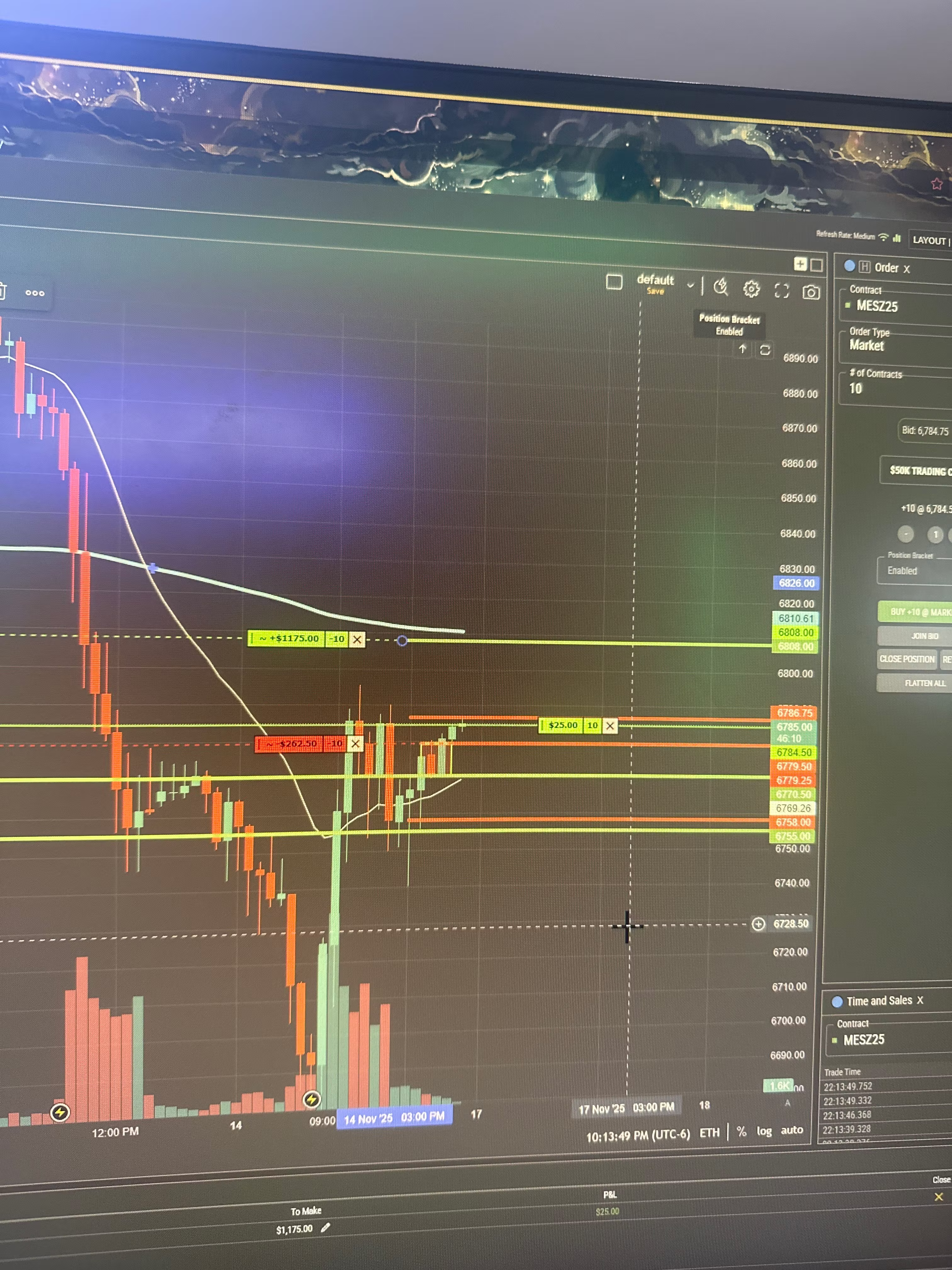
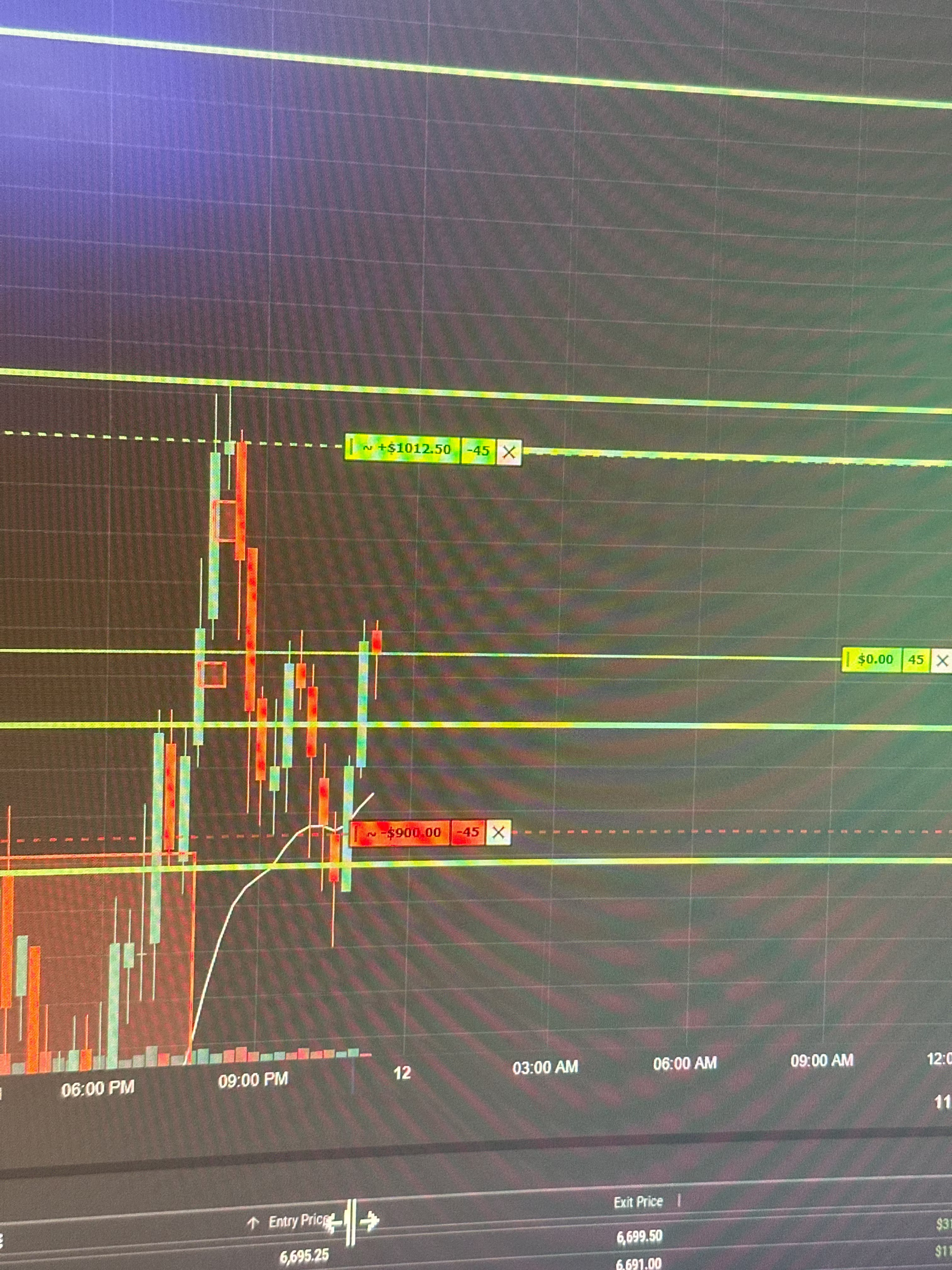
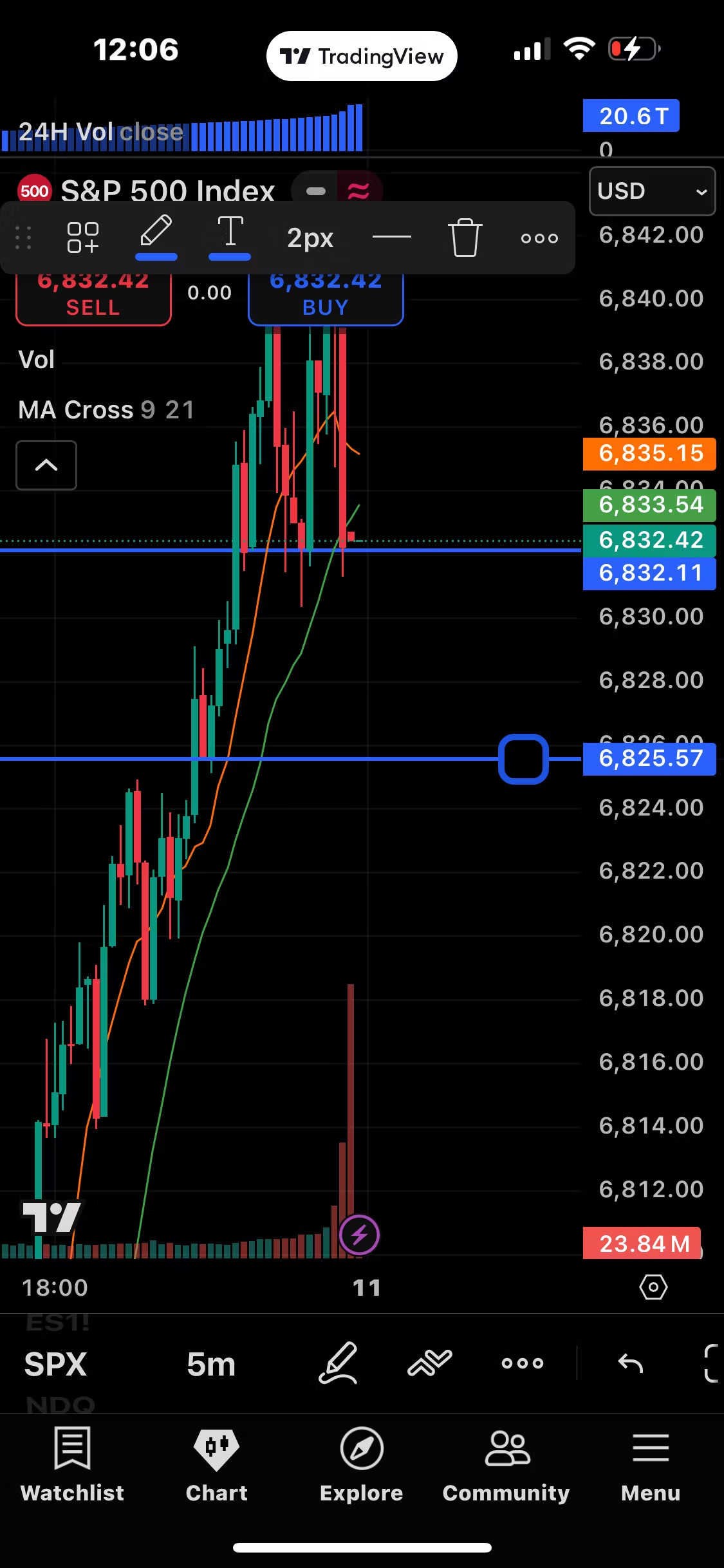
Technical Analysis Tools: Traders use specialized software to create price charts that visualize market trends over time. Common chart types include line, bar, and candlestick charts.
Indicators and Overlays:
Technical Indicators: Traders apply indicators (like moving averages, RSI, MACD) to charts to identify trends, momentum, and potential reversal points.
Overlays: These are additional graphical elements (like Bollinger Bands) that help interpret price movements.
Pattern Recognition:
Chart Patterns: Traders look for specific formations (like head and shoulders, triangles) that can signal potential future price movements.
Time Frames:
Multiple Time Frames: Traders analyze charts across different time frames (e.g., minute, hourly, daily) to gain insights into short-term and long-term trends.
Backtesting:
Historical Data Analysis: Traders backtest their strategies using historical chart data to evaluate their effectiveness before applying them in real-time trading.
Using these tools and techniques, traders can effectively chart the stock market and make informed trading decisions.