

What OSSI-pledged seed actually means (and why it matters for heirloom flowers)
Most seed you buy is legally locked — patented, trademarked, or licensed so you can't save and replant it without violating terms. The Open Source Seed Initiative (osseeds.org) flips that: growers pledge their seed to stay "forever free to use, free to save, free to exchange" — no patents, no restrictions, no gatekeeping.
That matters a lot for heirloom ornamentals. A huge amount of historical genetic diversity in flowers like poppies has been lost simply because a variety wasn't commercially convenient to keep in circulation. Heirloom collectors are often the last line of defense for regional strains that would otherwise disappear entirely.
A few things I've learned building a heirloom poppy collection:
• Regional landraces (seed lines tied to a specific growing region for generations) carry genetic traits — bloom color, drought tolerance, petal structure — that modern commercial hybrids have bred out for shelf-stability, not beauty or resilience.
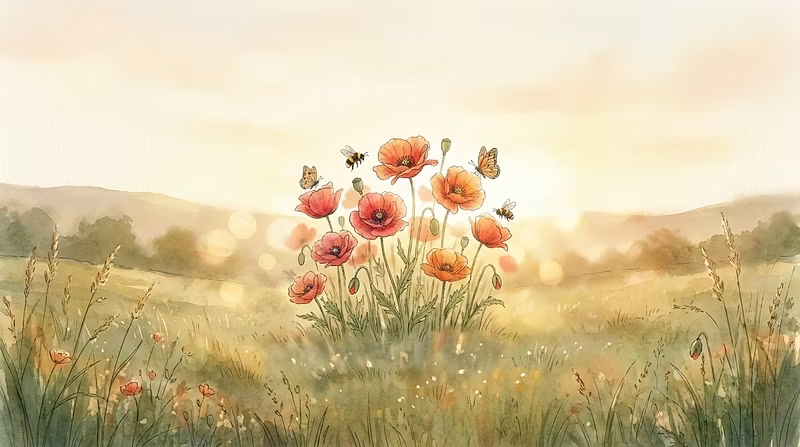
• Poppies are one of the best plants you can grow for pollinators. A single bloom can host multiple bee visits per hour during peak season — far more nectar/pollen accessibility than most modern ornamental hybrids bred for uniform petal count.
• Saving and re-sowing your own seed each year, rather than rebuying, is what actually keeps a heirloom line alive. If nobody replants it, it's gone.
We just relaunched our collection around this — OSSI-pledged seed, proceeds supporting 1% for the Planet and Bee Better Certified pollinator habitat work. Happy to answer questions if you're getting into heirloom or pollinator gardening.