Inbox Intake & Lead Qualifier Templates

Turn inbound inquiries into qualified leads with AI, fast. A ready-to-use digital template for small businesses that want to sort messages,...
1 joined
Profile picture
Marcus FenlonProfile picture@marcusfen101·May 16

The #1 reason small businesses lose leads (it's not your offer)

Most small businesses don't lose leads because their service is bad. They lose leads because nobody replied fast enough.


Here's what actually happens: a potential customer sends an inquiry through your website, DMs you on Instagram, fills out a contact form, or texts your business line. You see it... eventually. By the time you respond, they've already called your competitor. Or forgotten they reached out. Or lost interest.


The data backs this up. Responding within 5 minutes makes you 21x more likely to qualify a lead than responding after 30 minutes. Most small businesses take hours. Some take days.


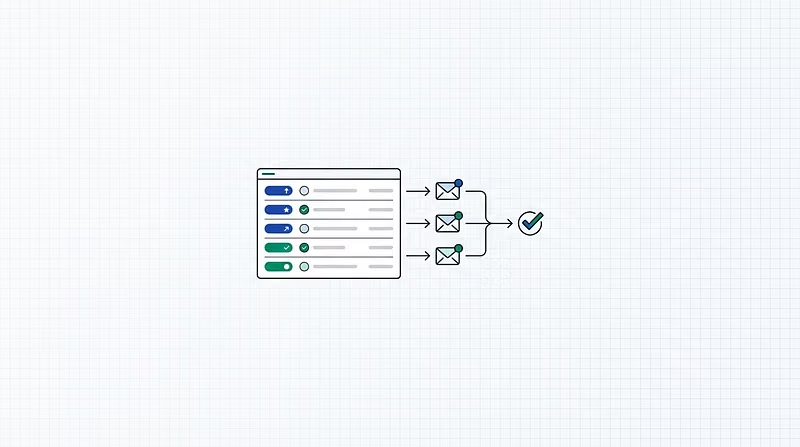
The fix isn't hiring a receptionist or a VA to sit in your inbox all day. The fix is building a simple triage system that:


  • Sorts incoming messages by type (new lead vs. existing customer vs. spam)

  • Tags priority levels so hot leads don't sit next to newsletter replies

  • Triggers fast, professional responses so nobody waits more than a few minutes to hear back

  • Qualifies leads automatically based on criteria you define (budget, location, service type, timeline)


You can build this with AI prompts and a basic workflow — no code, no expensive software, no new hires.


I put together a ready-to-use template that does exactly this. It includes sorting prompts, qualification criteria, reply templates, priority tags, and follow-up scripts — all editable for any service business.


If your inbox is where leads go to die, this is worth a look.

Profile picture
Marcus FenlonProfile picture@marcusfen101·May 3

The real reason most paid downloads fail (it's not the content)

Most educators who create a paid download — a template, a worksheet, a guide — spend weeks building it and then wonder why nobody buys.


The content isn't usually the problem. The problem is they never confirmed anyone would pay for it.


They saw engagement on a related post. They got a few DMs asking questions. They assumed that meant demand. Then they built the thing, listed it, and heard crickets.


Here's what actually separates ideas that sell from ideas that sit:


1. They target one audience segment, not "my audience." "People who want to learn marketing" is not a segment. "Freelance copywriters who want to package their process into a template they can sell" — that's a segment. The narrower the segment, the clearer the product.


2. They name a specific problem, not a topic. A topic is "social media strategy." A problem is "I post 5x/week and still can't get clients from Instagram." Products solve problems. Content covers topics.


3. They check for demand signals, not vanity metrics. Likes and saves don't predict purchases. What predicts purchases: people asking the same question repeatedly, people DMing you for help with a specific task, people searching for a solution and landing on your content.


4. They decide before they build. The biggest waste isn't a failed product — it's a product that took 40 hours to build and should have been killed in 20 minutes with the right questions.


I built a worksheet that walks through this exact process. Six sections. One idea. One audience segment. One clear decision at the end: build it, refine it, or park it.


If you've been sitting on a download idea and you're not sure whether it's worth making — this is the fastest way to find out.