

The interesting part wasn't the AI.
It was the five handoffs around it.
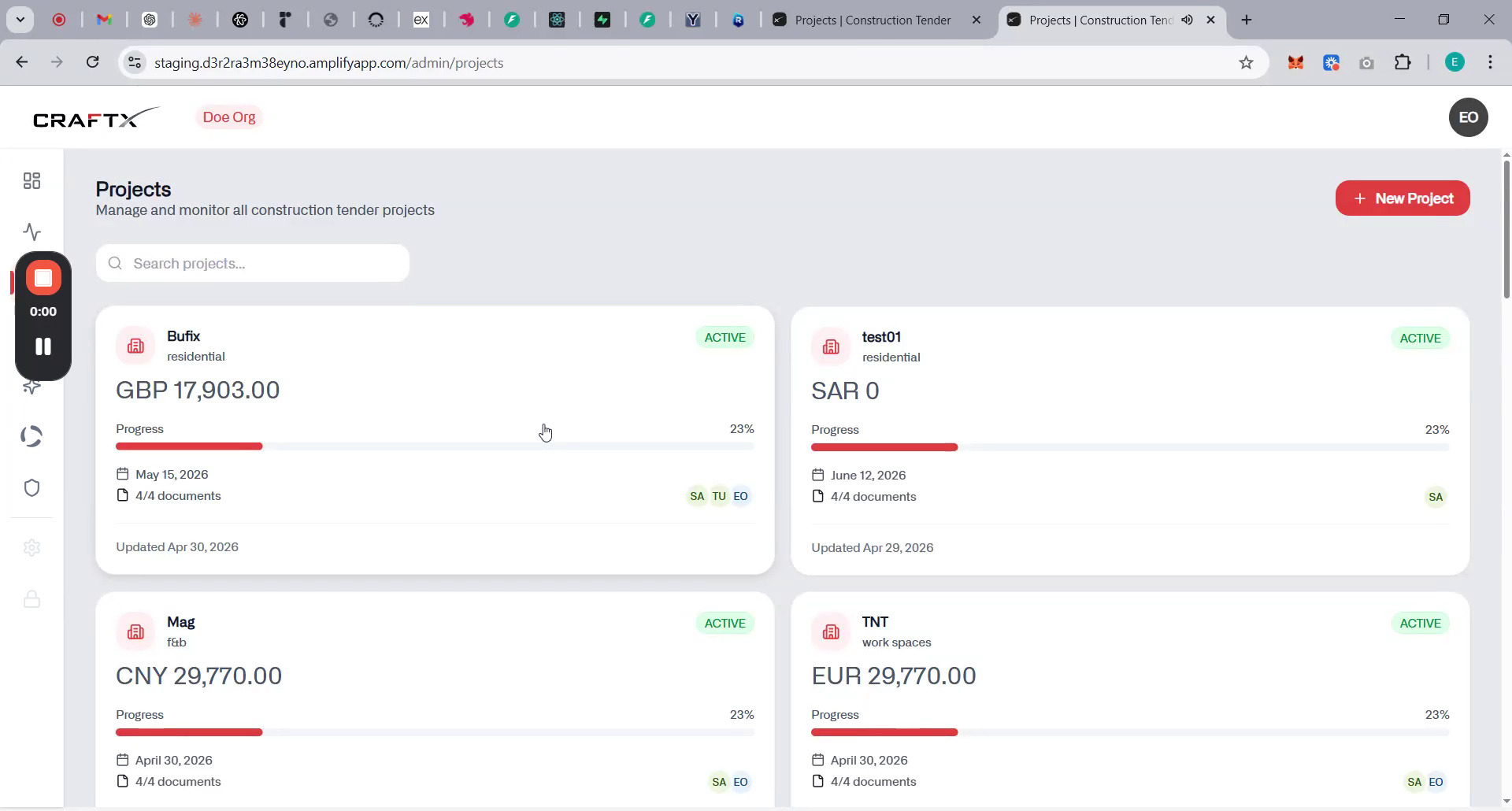
We worked on a construction workflow that moved through:
Drawing
→ Takeoff
→ Procurement
→ Quotation
Five stages.
Different people.
Different inputs.
Different handoffs.
The problem wasn't that any one stage was particularly complicated.
The problem was what happened between them.
Information had to move.
Context got lost.
People had to check things again.
And every handoff created another opportunity for delay.
So we didn't start by asking:
“Where can we add AI?”
We asked:
“Can we make this one workflow?”
We built a connected system across the five stages, with AI as part of the workflow rather than a chatbot sitting beside it.
We also added model orchestration and tracing so the team could monitor quality and cost in production.
That's a pattern we're seeing more often.
Companies don't necessarily need another AI feature.
They need the work around the AI to stop being fragmented.
And that's where the engineering gets interesting.
The model is one component.
The workflow is the product.
If your team is still moving important work between PDFs, spreadsheets, emails and disconnected systems, send us the workflow.
We'll help you identify where the real opportunity is.