
The Social Security Claiming Worksheet
Walk into the meeting with three calendars, not a claim-now video
Most books treat this as one decision. For a married couple it is three, and the money is in the other two.
When the higher earner files is really the survivor decision, because the larger benefit is the one that continues. When the lower earner files is a different question with a different answer. And what the household lives on in the gap years is the question nobody writes about at all.
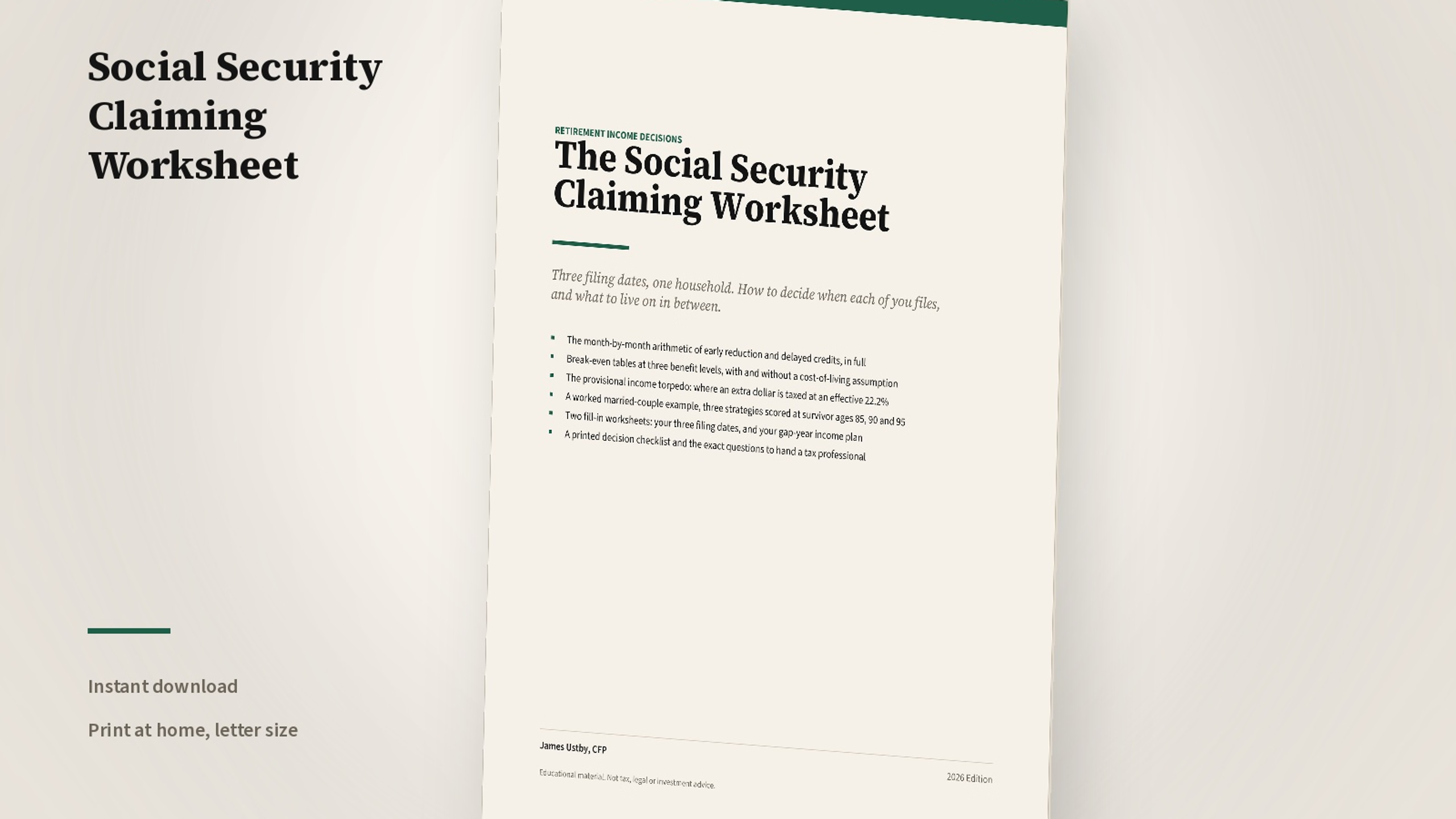
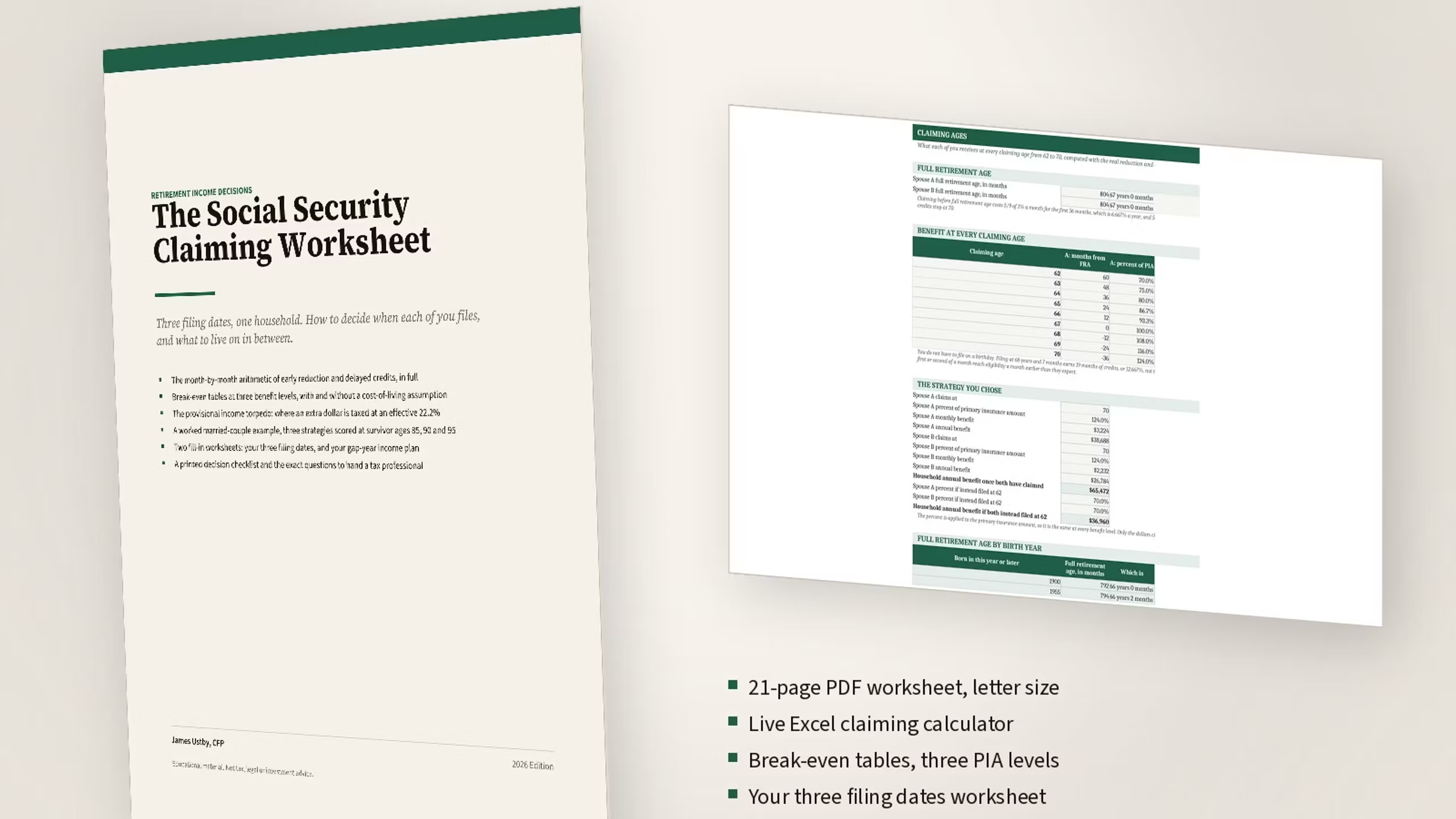
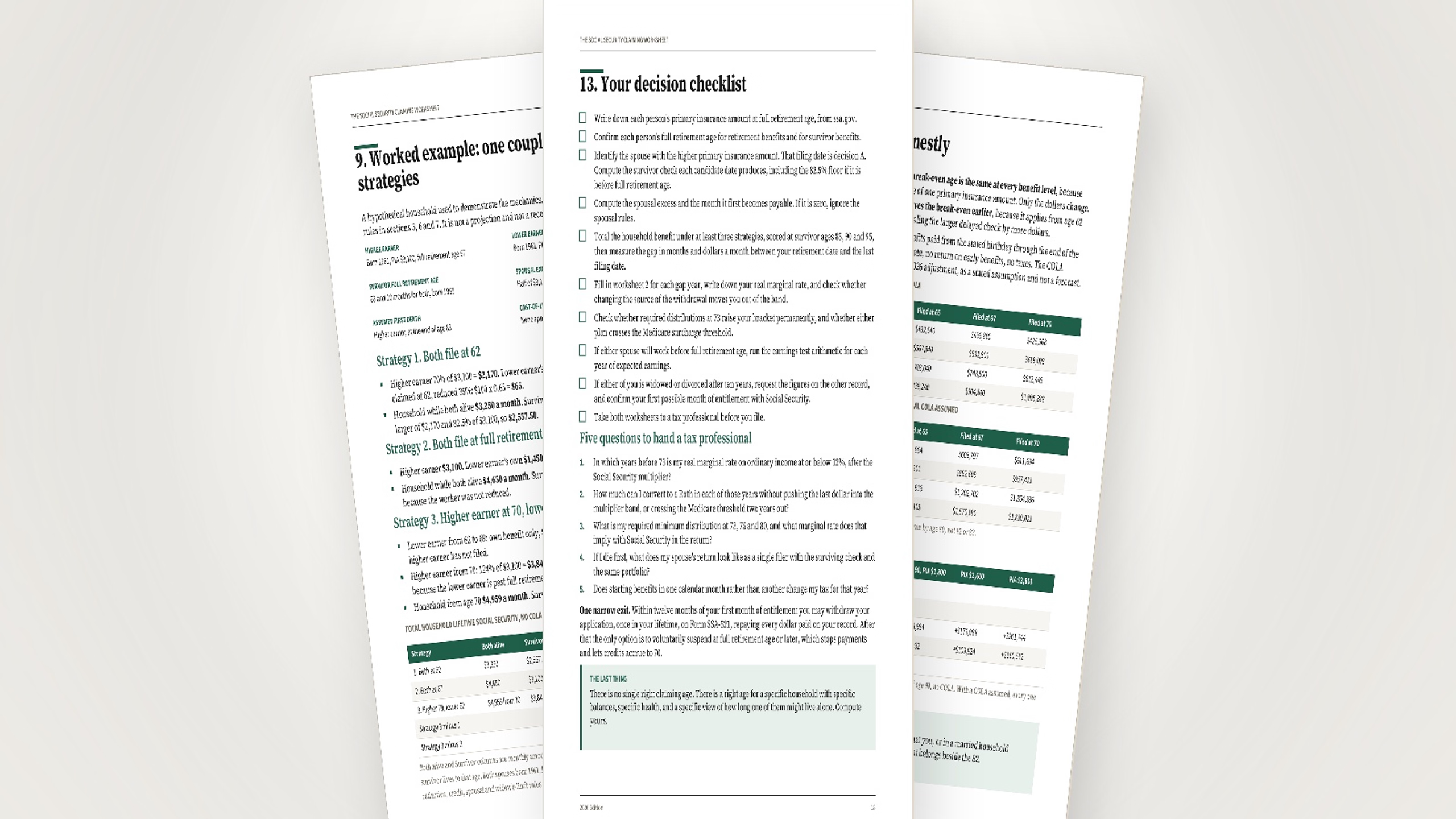
Inside, 21 pages: the reduction and delayed-credit arithmetic month by month, not as a slogan. Break-even solved to the month at three benefit levels, with and without a cost-of-living assumption, stated as an assumption. The tax interaction almost every book omits, where an ordinary dollar inside the phase-in band is taxed at an effective 22.2 percent while the bracket table says 12. The 82.5 percent widow’s limit and why survivor full retirement age is not the same as yours. The earnings test explained as a deferral, with the recomputation that gives the money back. A worked couple, three strategies, totals at survivor ages 85, 90 and 95. Two worksheets: your three filing dates, and your gap-year income plan. Eight situations where the standard answer is wrong.
Plus a live Excel calculator for both spouses, ages 62 through 70.
Every figure sourced to SSA, POMS, the CFR or the IRS. 2026 edition. Instant download. 30-day refund, no questions asked.
Educational material. Not tax, legal or investment advice.