

A shot of cachaça is more than a quick sip—it’s a little taste of Brazil. Smooth, bold, and full of character, cachaça brings Brazilian spirit straight to the glass. Sometimes, the best way to enjoy Brazil is one shot at a time. 🇧🇷🥃
巴传 巴西的隐藏风味: 传统饮品的精髓
 Sabores Ocultos del Brasil: El alma de las bebidas tradicionales
 Hidden Flavors of Brazil: The Soul of Traditional Drinks
 Verborgene Aromen Brasiliens: Die Seele traditioneller Getränke
 Hidden Flavors of Brazil : The Creative Recipes
 THE SCIENCE & ART OF CACHAÇA AGING Wood, Climate, and the Future of Spirit Maturation
 Posts just for CC members!
 Courses
巴西的隐藏风味: 传统饮品的精髓ST
Sabores Ocultos del Brasil: El alma de las bebidas tradicionalesHD
Hidden Flavors of Brazil: The Soul of Traditional DrinksVG
Verborgene Aromen Brasiliens: Die Seele traditioneller GetränkeHR
Hidden Flavors of Brazil : The Creative RecipesTM
THE SCIENCE & ART OF CACHAÇA AGING Wood, Climate, and the Future of Spirit MaturationPM
Posts just for CC members!C
CoursesCachaça Club
1 joined
R
Rodrigo BuenoCC @rodbueno·4d
@rodbueno·4dR
Rodrigo BuenoCC@rodbueno·Aug 21
@rodbueno·Aug 21Friday Is Calling!
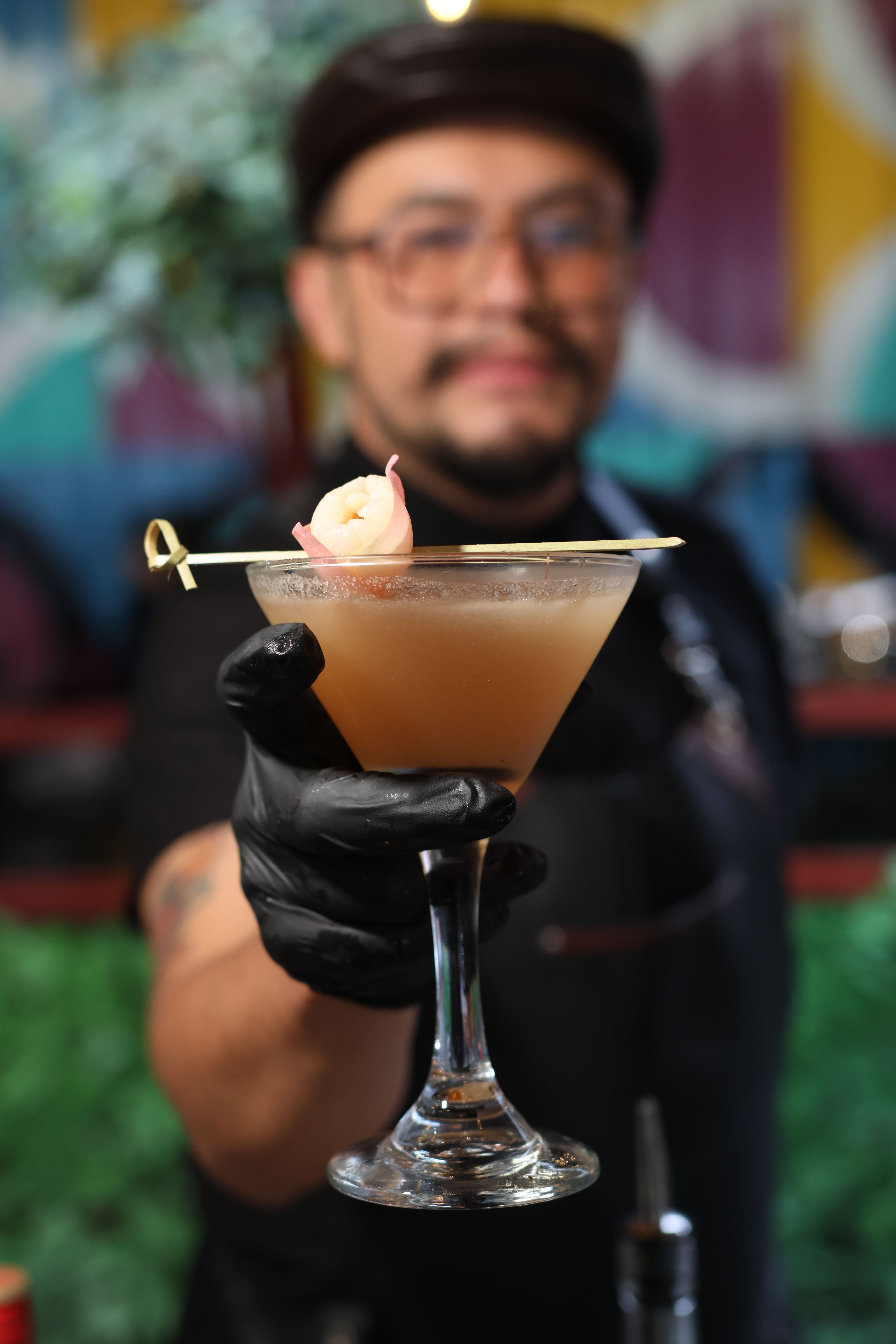
The week is officially over — time to put the spreadsheets away and bring out the shaker! 😎
Friday is for good drinks, good conversations, and trying something new behind the home bar.
So here’s your weekend challenge:
🥃 Pick a Brazilian spirit
🍋 Add something fresh
🍹 Shake, stir or mix
🎉 And most importantly… have fun!
No need to be a professional bartender. Sometimes the best cocktail is the one you create while experimenting.
What are you pouring tonight?
R
Rodrigo BuenoCC@rodbueno·Aug 20
@rodbueno·Aug 20Brazilian Beer Is Winning on the World Stage
Most people outside Brazil know the country for cachaça, Caipirinha and tropical cocktails.
But Brazil has another drinks story worth discovering: craft beer.
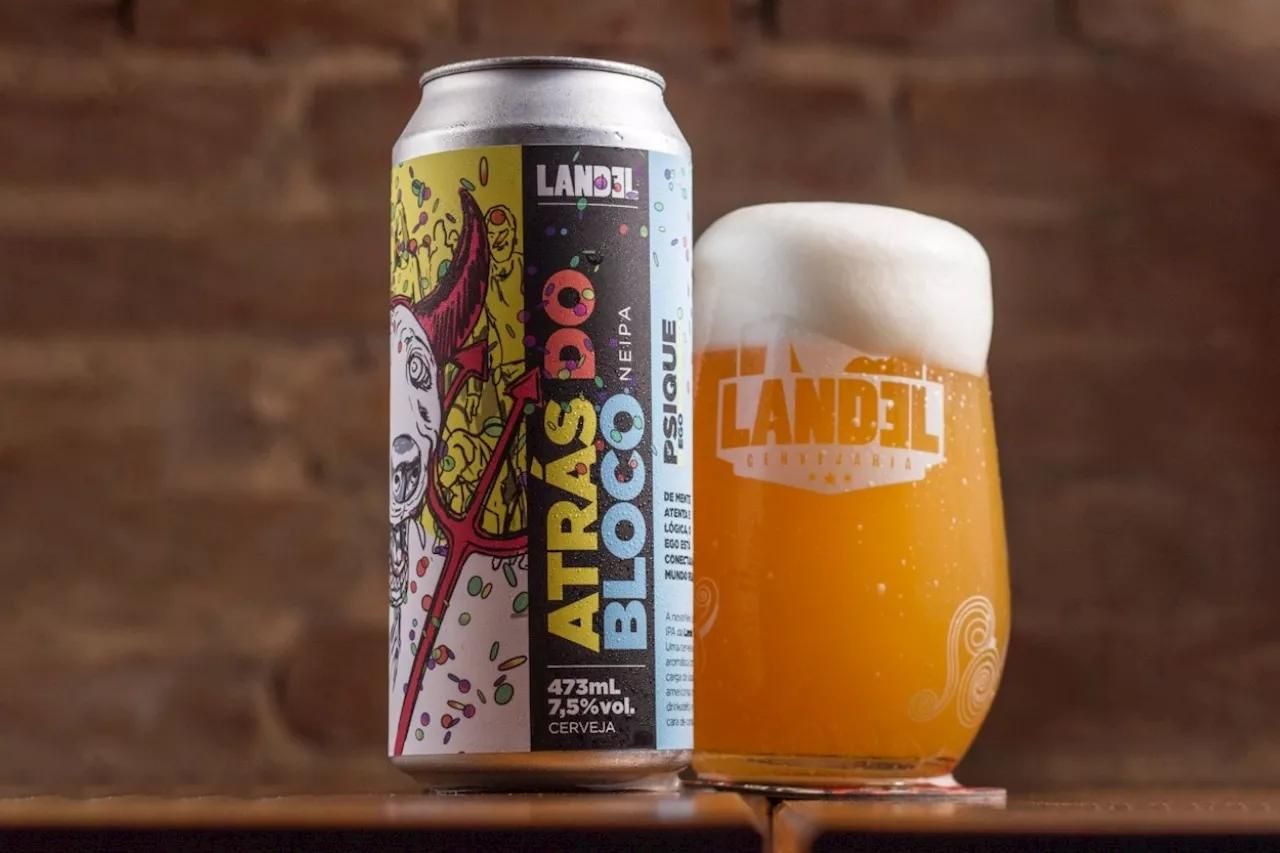
At the World Beer Awards 2026, Brazilian breweries took home seven world titles across several categories. And the results show something interesting about Brazil's beverage culture: local producers are increasingly creating products that can compete at the highest international level.
The Big Winner: Atrás do Bloco
The biggest Brazilian success came from Cervejaria Landel in Campinas, São Paulo.
Atrás do Bloco was named World's Best IPA 2026 and also won World's Best Milkshake IPA / New England IPA.
At 7.5% ABV and 30 IBU, it represents the modern, aromatic side of Brazilian craft brewing.
For members of a Cachaça Club, this is worth paying attention to.
Why?
Because the same idea we see in premium cachaça is happening in Brazilian beer: producers are moving beyond simply making a beverage and are developing distinctive products based on ingredients, techniques, experimentation and regional identity.
Brazil's Other World Champion IPAs
Brazil also won major titles with two other IPAs.
Jade, from Therezópolis Brewery in Rio de Janeiro state, was named World's Best English Style IPA.
Orange Kush, from Cervejaria Unika in Santa Catarina, won World's Best Speciality IPA.
Three very different IPA achievements — all coming from Brazilian breweries.
Coffee Dry Stout
Brazil also made an impression in the no- and low-alcohol category.
Coffee Dry Stout, from Sim! Cerveja Sem Álcool in Campinas, was named World's Best No & Low Alcohol Stout & Porter.
The combination of stout and coffee is particularly interesting in Brazil, a country with a huge coffee culture.
It's another example of how Brazilian producers can connect local ingredients and traditions with international beer styles.
Catharina Sour: Brazil's Own Beer Style
For me, one of the most important awards is the one given to Jane MF Sour, from Faroeste Beer in Itajaí, Santa Catarina.
It was named World's Best Catharina Sour.
Catharina Sour is particularly significant because it is a beer style developed in Brazil.
The style is generally tart, refreshing and fruit-forward, and has become an important part of Brazil's craft beer identity.
This is similar to what makes cachaça so interesting internationally.
Brazil isn't simply producing its own version of something created elsewhere.
It is creating something that can become part of the global drinks conversation.
Kaptain Lisa
The Kaptain Lisa, from Stannis Brewery in Jaraguá do Sul, Santa Catarina, was named World's Best Heritage Beer.
Its recognition demonstrates another side of Brazilian brewing: the connection between beer, history and traditional brewing techniques.
Why Should Cachaça Lovers Care?
Beer and cachaça may seem like completely different worlds.
But they share an important story.
Both are becoming increasingly sophisticated Brazilian categories with producers experimenting with:
Local ingredients
Different fermentation techniques
Aging and maturation
Regional identity
New interpretations of traditional styles
International competition
Cachaça already has something that Brazilian craft beer is increasingly developing: a strong sense of place.
From sugarcane and native woods to fruits, spices and regional traditions, Brazilian producers have an enormous palette to work with.
Beer is discovering the same potential.
And that's exciting.
The Bigger Brazilian Drinks Story
The international recognition of these beers doesn't diminish cachaça.
Quite the opposite.
It shows that Brazil has a much broader beverage culture than many people outside the country realize.
Cachaça is one part of the story.
Brazilian beer is another.
Coffee, tropical fruits, sugarcane, native ingredients and centuries of cultural influences give Brazilian producers an extraordinary foundation for creating distinctive drinks.
For members of the Cachaça Club, exploring Brazilian beer is another way to understand the country behind the spirit.
Have you tried Brazilian craft beer before?
R
Rodrigo BuenoCC@rodbueno·Aug 18
@rodbueno·Aug 18Created in Brazil in the 1940s, the iconic Copo Americano became a symbol of Brazilian bar culture. Beer, cachaça, coffee or cocktails—it does it all. Simple, durable and unmistakably Brazilian. 🇧🇷🍻

R
Rodrigo BuenoCC@rodbueno·Aug 17
@rodbueno·Aug 17When life gives you lemons, make lemonade.
R
Rodrigo BuenoCC@rodbueno·Aug 15
@rodbueno·Aug 15🇧🇷 Discover Brazil Beyond the Caipirinha 🍹
Ever wondered what else Brazilian cachaça can do?
At Cachaça Club, we explore Brazilian cocktails, regional ingredients, traditional drinks, recipes, bar culture, and the stories behind them.
From caju and jabuticaba to jambu, guaraná and amburana, there’s a whole world of Brazilian flavors waiting to be discovered.
🍹 Cocktail recipes
🥃 Brazilian spirits
🌿 Unexpected ingredients
🇧🇷 Bar culture & traditions
📚 Guides for curious drinkers
If you enjoy discovering drinks with a story behind them, come join us.
👉 Cachaça Club — a little piece of Brazil, one drink at a time. 🇧🇷🍹
____________________________________________________________________
This August, there's never been a better time to join the Cachaça Club.
For a limited time, use the coupon:
AUGUST PROMO
and receive 50% OFF your first monthly payment.
As a member, you'll get access to:
🍹 Exclusive cocktail recipes
🥃 Premium cachaça recommendations
📖 Brazilian spirits history & culture
🎥 Bartending tips and tutorials
🌎 A community of cachaça lovers
Don't miss this opportunity to explore Brazil's most iconic spirit for half the price.
Offer valid throughout August.
See you inside! 🇧🇷🥃
https://whop.com/joined/cachaca-club/products/cachaca-club-e3/
R
Rodrigo BuenoCC@rodbueno·Aug 12
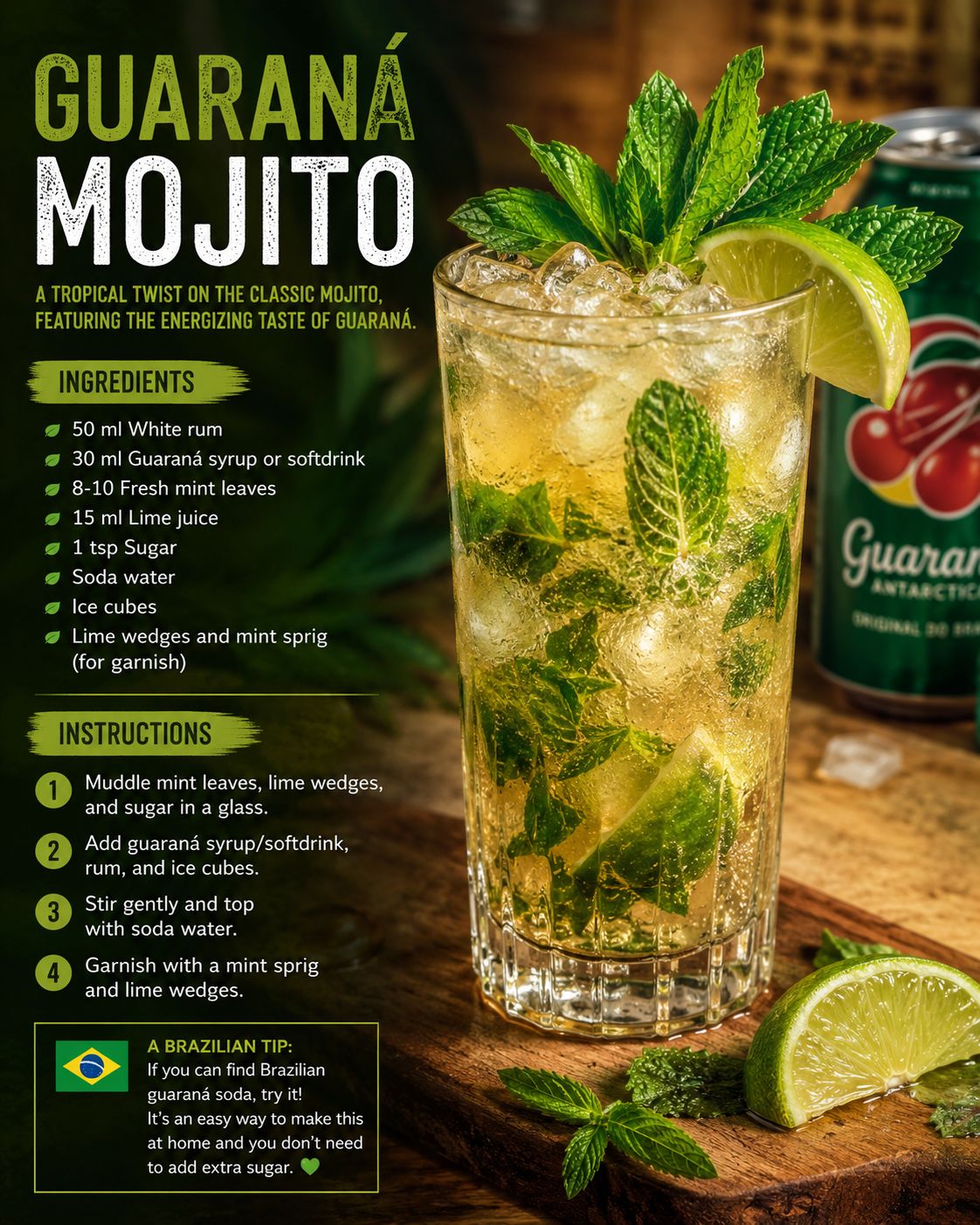
@rodbueno·Aug 12Would you drink it?
R
Rodrigo BuenoCC@rodbueno·Aug 8
@rodbueno·Aug 8🥃 What's Really Inside a Great Cachaça?
Most people judge a bottle of cachaça by its label, its age, or its price.
But that's only part of the story.
Brazilian regulations establish quality standards for a wide range of naturally occurring compounds that influence the spirit's aroma, flavor, balance, and safety—not just its alcohol content.
A few examples include:
• 🍌 Esters – responsible for fruity aromas like banana and pineapple.
• 🌾 Higher alcohols – add body and complexity when properly balanced.
• 🧪 Aldehydes – contribute to aroma but can become harsh in excess.
• 🛠️ Copper – essential during distillation, yet carefully monitored in the finished spirit.
• ☠️ Methanol – strictly limited under Brazilian regulations.
What surprised me most when I first studied cachaça production was that quality isn't about removing every compound—it's about achieving the right balance.
That's what gives authentic cachaça its unique personality.
If you're passionate about cachaça, cocktails, or Brazilian spirits, this is exactly the kind of content we explore every week.
Become a member and discover the science, history, and craftsmanship behind Brazil's national spirit. 🇧🇷🥃
🥃 Celebrate August with us!
We're welcoming new members to the Cachaça Club with a special offer:
🎉 50% OFF your first monthly payment
Use coupon:
AUGUST PROMO
Whether you're discovering cachaça for the first time or already love Brazilian cocktails.
https://whop.com/joined/cachaca-club/products/cachaca-club-e3/
R
Rodrigo BuenoCC@rodbueno·Aug 5
@rodbueno·Aug 5🇧🇷🍸 The right glass does more than look good—it changes aroma, temperature, and dilution. Brazilian cocktails deserve the right serve: 🥃 Caipirinha = Rocks • 🥤 Caipiroska = Highball • 🍸 Açaí Martini = Martini • ☕ Quentão = Mug. What's your favorite?
R
Rodrigo BuenoCC@rodbueno·Aug 1
@rodbueno·Aug 1Hidden Flavors of Brazil: The Soul of Traditional Drinks
Everyone knows the caipirinha. Almost no one knows jurubeba, catuaba, or the fermented drinks that Amazonian communities have made for generations.
Rodrigo Bueno spent fifteen years bartending across three continents before coming home to document what most drink guides skip: the beverages that live at the margins of recognition but sit at the center of Brazilian identity.
Inside, you'll find:
The real history of cachaça — from sugarcane plantations to the brands that built a national spirit
One hundred cachaças profiled by region, wood, and character
Traditional and lesser-known drinks: quentão, cajuína, tererê, and the offerings used in Candomblé and Umbanda
Brazil's craft beer boom, told through the breweries reinventing it with native ingredients
Nearly ninety cocktail recipes, from the classic caipirinha to inventions you won't find anywhere else
A glossary, curiosities, and a final list of thirty drinks even most Brazilians have never tried
This isn't a cocktail book you'll skim once. It's a way to taste a country.