Less than 11 remaining
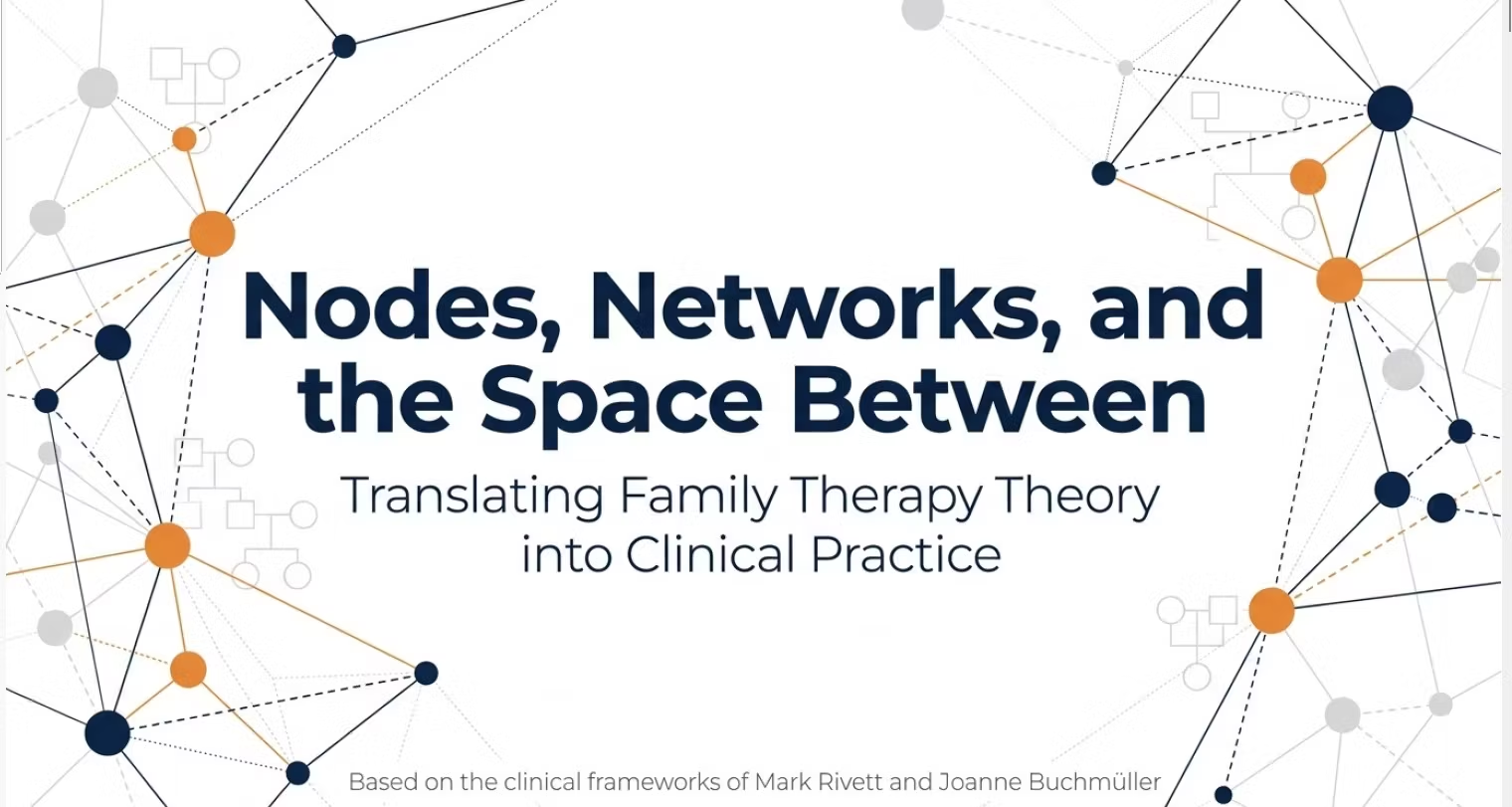
NODES, NETWORK AND THE SPACE BETWEEN
$24.99$19.99Save 20%
$19.99
TRANSLATING FAMILY THERAPY THEORY INTO CLINICAL PRACTICE
Translating family therapy theory into clinical practice involves turning abstract models into meaningful, real-life interventions. Therapists draw from established approaches such as systemic, structural, and cognitive-behavioral frameworks to understand family dynamics, communication patterns, and relational conflicts. In practice, this means assessing each family member’s role, identifying unhealthy patterns, and guiding families toward healthier interactions. Techniques like active listening, reframing, and conflict resolution are applied to create positive change. By adapting theory to each family’s unique context, therapists bridge the gap between knowledge and action, helping families build stronger, more supportive relationships.