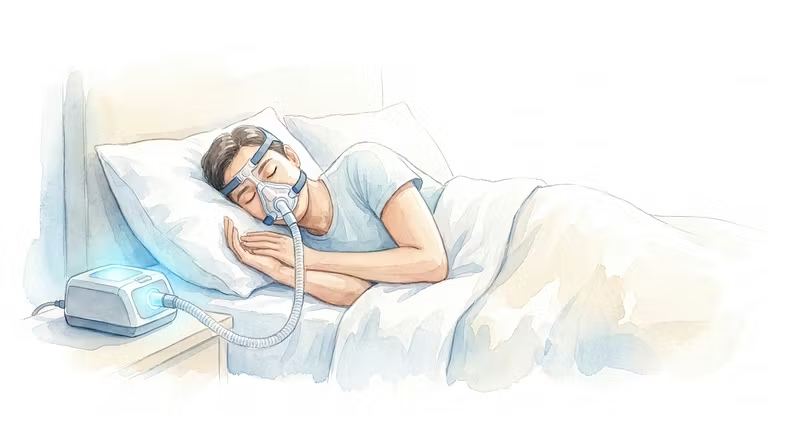


Why Most New CPAP Users Blame the Machine (And What to Check First)
I've talked to hundreds of new CPAP users. The pattern is always the same.
Night one: mask goes on, air starts flowing, something feels wrong. By night three, they're convinced the machine is broken, the pressure is wrong, or they just "can't do CPAP."
Here's the thing — in 80% of cases, the machine is fine. The problem is mask fit.
The three things that actually cause most first-week discomfort
1. Cushion seal gaps. Your mask cushion isn't sitting flush. Air leaks out around the nose bridge or chin. You tighten the straps to compensate, which creates pressure marks. Now you have two problems instead of one.
2. Strap tension. Most people overtighten. The mask should seal with gentle contact. If you're cranking straps down, the cushion deforms and creates new leak paths. Looser is usually better.
3. Sleep position breaking the seal. Side sleepers shift the mask against the pillow. The seal breaks. The machine compensates with more air. You wake up to a blast of cold air on your cheek at 3am. Sound familiar?
The fix isn't a new machine. It's a nightly check.
Before bed, check three things:
Is the cushion sitting flush without gaps?
Are the straps snug but not tight?
Do you have a plan for staying on your back, or a pillow arrangement for side-sleeping?
After each night, ask yourself: was tonight's problem fit, leaks, position, dryness, or just normal adjustment? Don't lump them together. Isolate one variable.
The first 7 nights decide everything
Research shows that CPAP adherence in the first week predicts long-term success. People who push through discomfort with a system stick with it. People who guess, swap settings randomly, or just suffer — quit.
That's why I built a step-by-step framework specifically for nights 1 through 7. It separates machine problems from mask problems, gives you a nightly checklist, and tells you exactly when to adjust vs. when to call your equipment provider.
If you're in your first week and waking up frustrated, you don't need a new machine. You need to know what to check first.