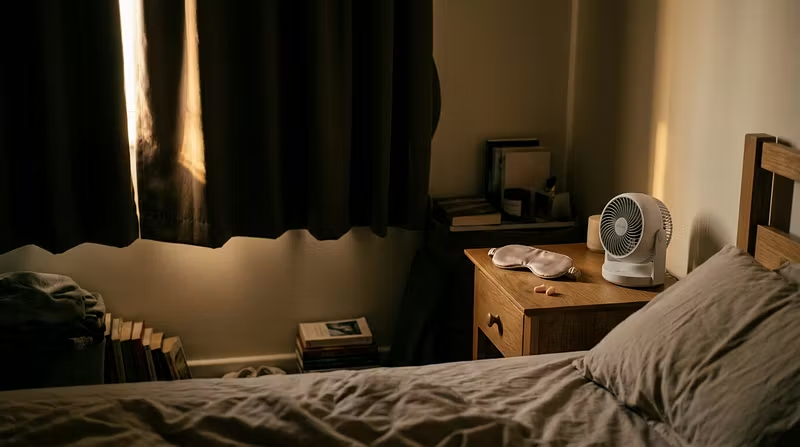


Learn The Sleep-When-You-Can Method. A flexible framework for protecting daytime sleep with anchors instead of a perfect routine.
It is a FREE documen for everyone.
And a premium ebook.
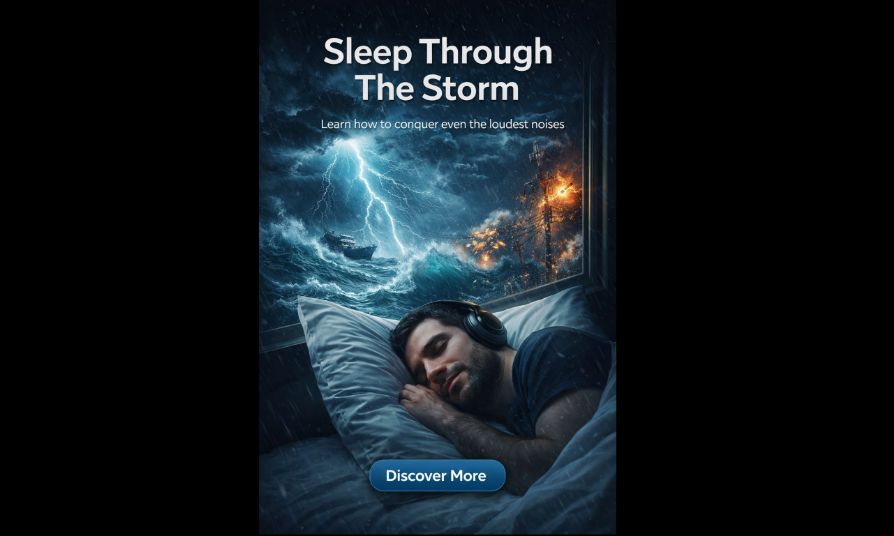

 @edland21·May 5
Learn The Sleep-When-You-Can Method. A flexible framework for protecting daytime sleep with anchors instead of a perfect routine.
It is a FREE documen for everyone.
And a premium ebook.
@edland21·May 4Do you stare at the ceiling every night for several hours?
Do you stretch for your phone when it starts to get difficult? If you do this, you should read my ebook. This can make a difference for you.
Link.
 @edland21·May 4
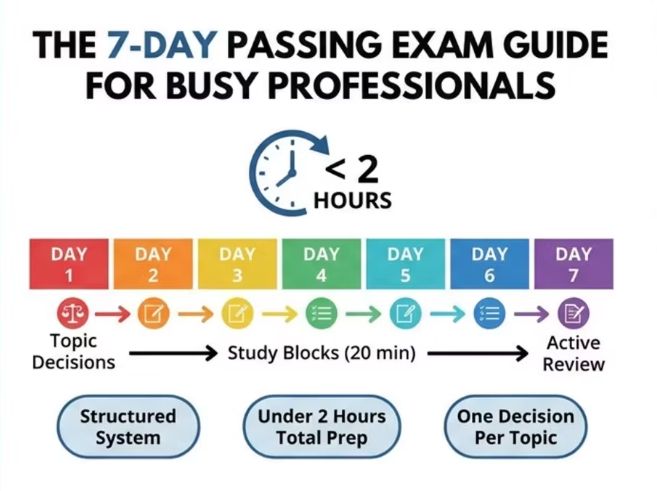
Are you stressing about exams this year?
If you are, then you should learn this method for studying. Just 7 days of study and you are ready for the exam. This is an easier and more effective way for studying.
Link.
 @edland21·May 4
Check out my website - Sleep Without Perfect Silence | Whop
 @edland21·May 4@edland21·May 4
If you are not comfortable buying the ebook now, there is a simplified and shorter version that is downloaded in the files. And if you change your mind, there is always an opportunity to buy the premium version.
@edland21·May 4I worked rotating nights for 6 years. Tried blackout curtains. Tried melatonin. Tried "going to bed at the same time every day" — which is hilarious when your schedule flips every two weeks.
The thing that actually worked wasn't any single product or supplement. It was controlling the first 90 minutes after I walked through the door.
Here's what I mean:
Most night-shift workers lose their sleep window before they even get to bed. You come home, check your phone, eat something heavy, open the blinds because it's morning and your body thinks it should be awake. By the time you lie down, your brain is fully activated and you're staring at the ceiling.
The fix isn't a better mattress. It's a better arrival sequence.
The 3-Part Sleep Protection Sequence:
1. Light control (first 5 minutes home)
Sunglasses on the drive home. Walk in, keep the house dim. No overhead lights. Your brain tracks light exposure to decide if it's time to sleep — don't let morning sun reset your clock right when you need it.
2. Temperature drop (minutes 5-20)
Cool shower or just splash cold water on your face and wrists. Your body needs to drop ~1°C to initiate sleep. Help it along instead of fighting it with hot food and a warm house.
3. The 60-minute wind-down (minutes 20-90)
No screens. No decisions. No "I'll just quickly check this." Have your clothes out, your room set up, your phone on Do Not Disturb. The less your brain has to decide, the faster it shuts down.
That's it. No perfect silence required. No perfect schedule required. Just protect the first 90 minutes.
I built an entire system around this — room audits, boundary scripts for families, gear decision matrices, pre-sleep checklists. It's called The Sleep-When-You-Can Method and it's available here if you want the full framework.
But even if you just nail the 90-minute arrival sequence, you'll notice a difference within a week.