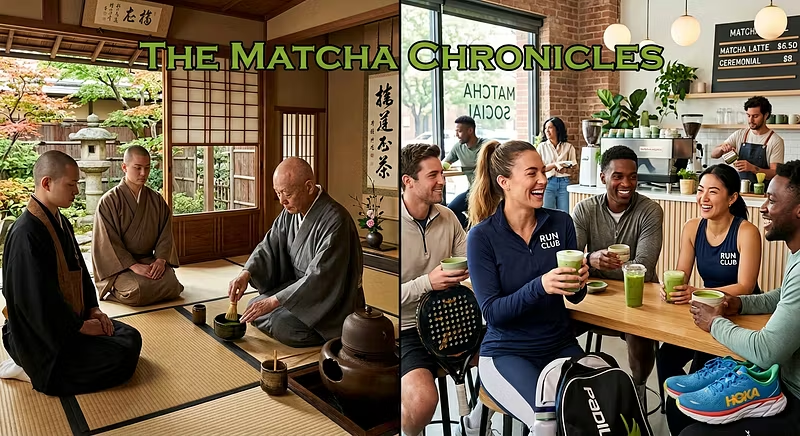


Matcha didn't start in Japan. Here's the real story.
Most people think matcha is Japanese. It's not — at least, not originally.
Matcha traces back to Tang Dynasty China (7th-10th century), where tea leaves were steamed, dried, and ground into powder for medicinal use. Buddhist monks brought this practice to Japan in the 12th century, and that's where the ritual we know today — the bamboo whisk, the chawan, the ceremony — was born.
But here's what's wild: China abandoned powdered tea centuries ago. They moved on to loose-leaf steeping. Japan kept the tradition alive, refined it, and turned it into an art form.
Today, the best matcha still comes from specific regions in Japan — Uji (Kyoto), Nishio (Aichi), and Kagoshima — where shade-growing techniques developed over centuries produce leaves with that intense umami flavor and vibrant green color.
The difference between $5 matcha and $30 matcha? It comes down to:
Shade duration — premium matcha is shaded 20-30 days before harvest
Leaf selection — only the youngest, topmost leaves (tencha)
Stone-grinding speed — slow grinding prevents heat damage to amino acids
This is just one chapter from The Matcha Chronicles — the definitive e-book covering the full history, the science, the sourcing secrets, and everything the wellness industry won't tell you.