Understanding Cat Allergies Causes, Symptoms, and Management
Understanding Cat Allergies Causes, Symptoms, and Management
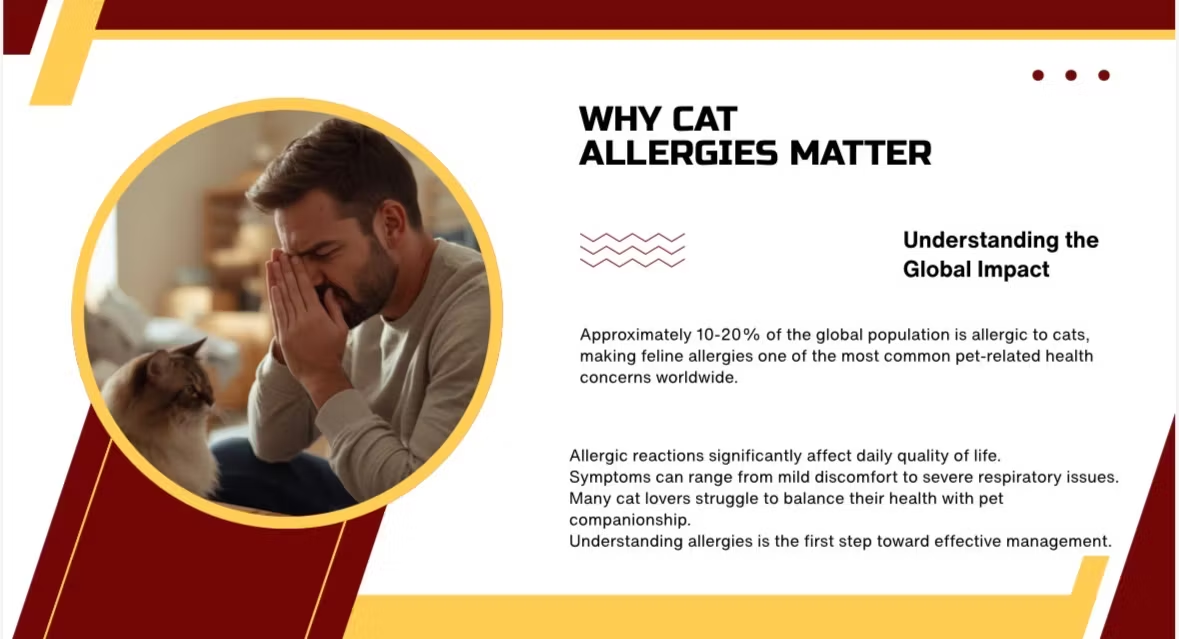
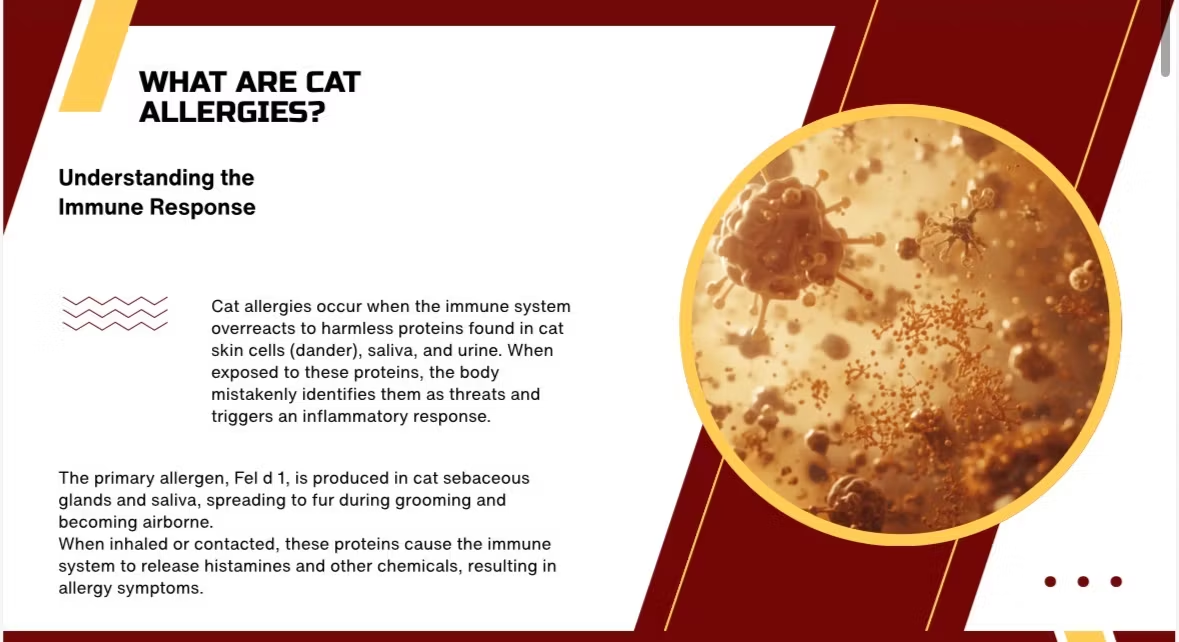
Cat allergies are a common condition that affects millions of people worldwide. Contrary to popular belief, the allergy is not caused by cat fur itself but by proteins found in a cat’s saliva, skin cells (dander), and urine. These allergens can easily spread through the air and cling to clothing, furniture, and carpets, making exposure difficult to avoid.
People with cat allergies may experience symptoms such as sneezing, nasal congestion, itchy or watery eyes, coughing, skin rashes, or even asthma attacks in severe cases. Symptoms can appear within minutes of exposure or develop gradually over time, depending on the individual’s sensitivity.
Managing cat allergies often involves reducing exposure to allergens while maintaining a clean living environment. Regular grooming of cats, using air purifiers, vacuuming frequently, and keeping cats out of bedrooms can help minimize allergic reactions. Over-the-counter antihistamines, nasal sprays, and allergy immunotherapy may also provide relief for those with persistent symptoms.
Understanding the causes and symptoms of cat allergies is the first step toward effective management, allowing allergy sufferers to live more comfortably while still enjoying the companionship of cats.