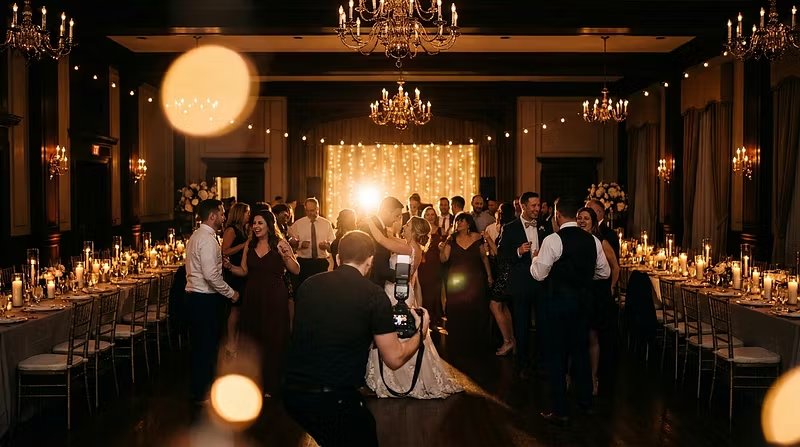


The 3 flash mistakes that ruin 90% of wedding reception photos
I've reviewed thousands of wedding reception images from beginner photographers, and the same three flash mistakes show up in almost every set.
Mistake 1: Ignoring ambient light entirely
Most beginners treat flash like a light switch — it's either on or off. They fire at full power and wonder why the background goes black or the couple looks like they're standing in a cave.
Flash exposure and ambient exposure are two separate problems. Your shutter speed controls how much ambient light (chandeliers, candles, string lights) registers in the frame. Your flash power controls how bright your subject is. When you set both independently, the reception actually looks like a reception — warm background, properly lit subjects.
Mistake 2: Bouncing flash without checking the ceiling
"Just bounce it off the ceiling" is the most common flash advice, and it works great — until it doesn't. White ceilings at 8-10 feet? Perfect. But dark wood ceilings eat your flash output. Thirty-foot ballroom ceilings send light into orbit. Colored ceilings add a tint to your subjects that no white balance slider can fully fix.
Before you bounce, look up. Check the color, height, and material. If the ceiling won't work, switch to a wall bounce, a modifier, or direct flash with intention. Having a go/no-go decision for bounce angle saves you from wasting half the reception troubleshooting bad light.
Mistake 3: Not protecting highlights before firing
The first dance under a spotlight. A white dress next to a metallic backdrop. A bride standing under recessed lighting. These are highlight traps, and they'll blow the dress or the face before you realize what happened.
The fix is simple: check for highlight risks before you shoot. Reflective surfaces, bright ambient sources, and white fabrics all push exposure hotter than your meter expects. Dial flash power down 1/3 to 2/3 stop in those situations, or increase your subject distance. It takes two seconds and saves the image.
If you want the full system — the complete decision flow for ambient balance, flash power, bounce choice, subject distance, and highlight safety at live weddings — that's exactly what The Wedding Flash Exposure Blueprint covers, chapter by chapter.