

Why "A is for Apple" is quietly capping your kid's vocabulary
I've been thinking a lot about why alphabet books haven't changed in decades. A is for Apple, B is for Ball, C is for Cat — every kid hears the same five words for every letter, in every book, from age 2 to age 7.
The problem: by age 5-6, kids can handle way more than "apple." Research on vocabulary acquisition shows the biggest gains in reading comprehension later on come from exposure to low-frequency words early — words kids don't hear every day. "Astronaut" does more for a 6-year-old's brain than "apple" ever will, because it's novel, it's specific, and it comes with a story attached (space! rockets! the moon!).
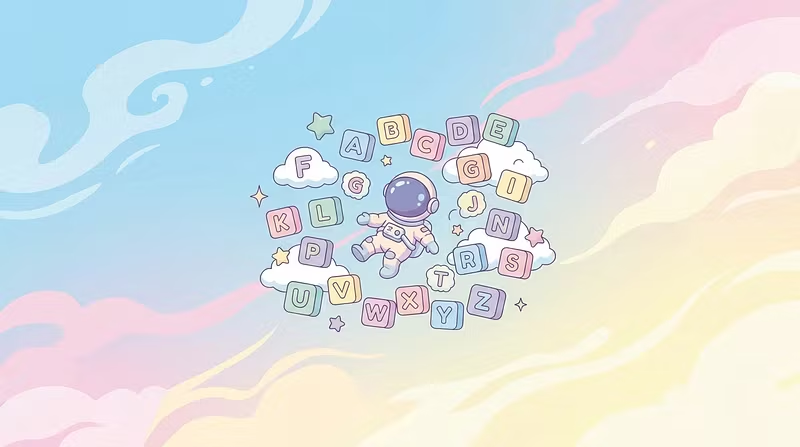
So I built Unleash around one rule: every letter gets a word most alphabet books would never use. A is for Astronaut. Not because it's cute — because it's a bigger word attached to a bigger idea, and kids that age are hungry for both.
Each monthly issue reimagines the whole alphabet around a theme (space, ocean, jungle, invention, etc.) so the vocabulary compounds instead of repeating. If you've got an early reader who's bored of "apple," this might be worth a look.