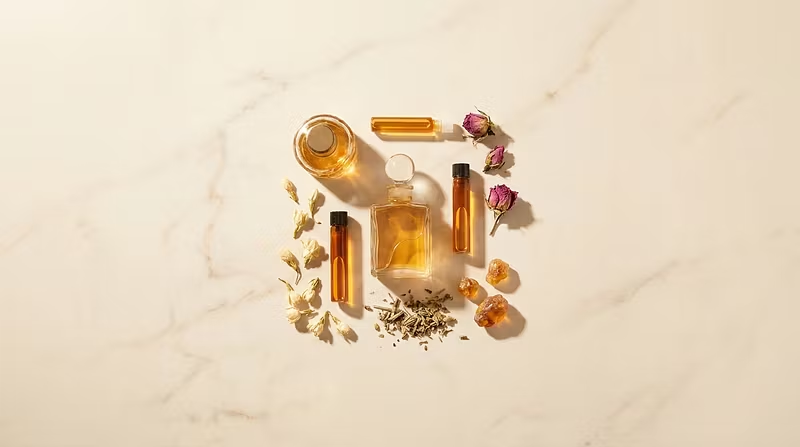


EDT, EDP, Parfum — the letters on the box actually matter (here's why)
Ever bought a fragrance, loved it in the store, and then it was gone in two hours once you got home? You probably grabbed an EDT without realizing it.
Those letters on the box — EDT, EDP, Parfum — aren't marketing fluff. They tell you the concentration of actual perfume oil mixed into the alcohol/water base, and that number changes everything about how a scent performs:
EDC (Eau de Cologne): ~2-4% oil. Light, blast of freshness, gone in an hour or two.
EDT (Eau de Toilette): ~5-15% oil. The most common. Noticeable but fades over 3-5 hours.
EDP (Eau de Parfum): ~15-20% oil. Richer, truer to the "real" scent, lasts 6-8+ hours.
Parfum/Extrait: 20-40% oil. Skin-close, dense, can last all day on very little product.
This is also why the same fragrance name can smell different depending on which version you buy — higher concentration means the heart and base notes show up faster and hit harder, while the top notes get less room to dominate.
The practical takeaway: if a fragrance "didn't last" on you, don't assume it's a bad fragrance or bad skin chemistry — check if you were even wearing a concentration built to last. And if you're testing before buying, always ask which concentration the sample is, because a beautiful EDP can turn into a forgettable EDC-strength knockoff if you're not paying attention.
We go deeper on this (plus how concentration interacts with the fragrance pyramid we covered earlier) in the "What Is Perfume, Actually?" lesson inside Perfume Appreciation for Beginners.
What's a fragrance you wrote off too fast — only to find out later you were just wearing the wrong concentration? 👇