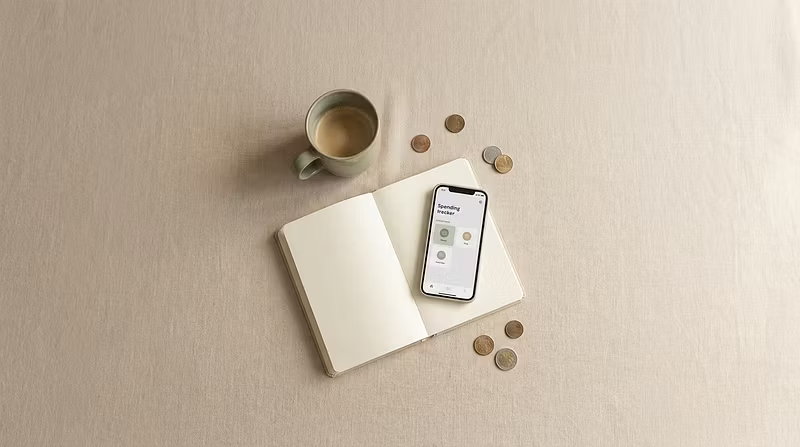


The $7 Coffee Isn't the Problem — Here's What Actually Drains Your Money
Every budgeting article tells you to stop buying coffee.
Here's the truth: your $7 latte isn't why you're overspending. It's the dozens of small, automatic purchases you don't even remember making that are quietly taking $200–$500 out of your account every month.
The Spending You Don't See
Pull up your bank app right now. Look at the last 7 days. Count every purchase that wasn't rent, utilities, or a fixed bill.
Most people find 15–25 transactions they barely recall. The gas station snacks. The Amazon order at midnight. The "quick Target run" that turned into $48. The extra items at the grocery store. The DoorDash on a Tuesday because cooking felt like too much.
None of these feel like overspending in the moment. That's exactly why they add up.
Why Traditional Budgets Don't Fix This
Traditional budgets fail because they focus on tracking every dollar after you spend it. But the problem isn't tracking — it's that spending happens on autopilot before you even think about it.
What actually works is interrupting the autopilot before the purchase — not analyzing it after.
A Simple Exercise You Can Do Right Now
Next time you're about to make an unplanned purchase, ask yourself one question:
"If I didn't buy this, would I notice in a week?"
If the answer is no — skip it. If the answer is yes — buy it without guilt.
This one question, used consistently, can redirect $100–$200/month without changing your lifestyle or feeling deprived.
The Bigger Picture
Overspending isn't a discipline problem. It's an awareness problem. When you see the pattern, you can change it — without spreadsheets, without restriction, and without giving up the things you actually enjoy.
That's the idea behind The Three-Gate Budget — a simple framework for tracking, pausing, and adjusting everyday spending so the small stuff never quietly takes over your month again.