
🤯 Your memory is a terrible tracker.
It saves every miss in HD. 💀
And deletes your wins.
That's why you FEEL inconsistent even when you're not.
📊 A tracker keeps the real score.
And the real score is usually better than you think.

 @noormojtaba·Jul 24
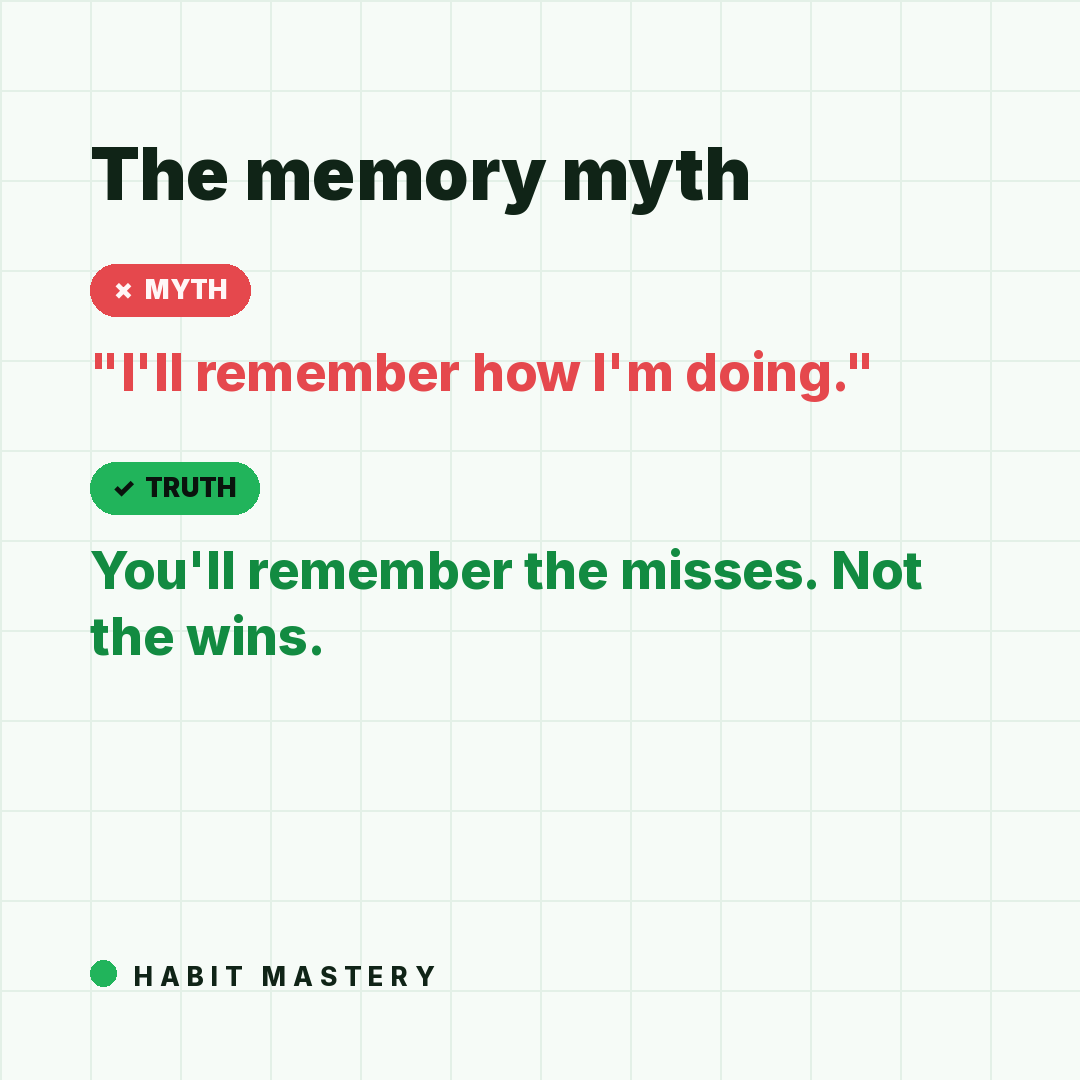
🤯 Your memory is a terrible tracker.
It saves every miss in HD. 💀
And deletes your wins.
That's why you FEEL inconsistent even when you're not.
📊 A tracker keeps the real score.
And the real score is usually better than you think.
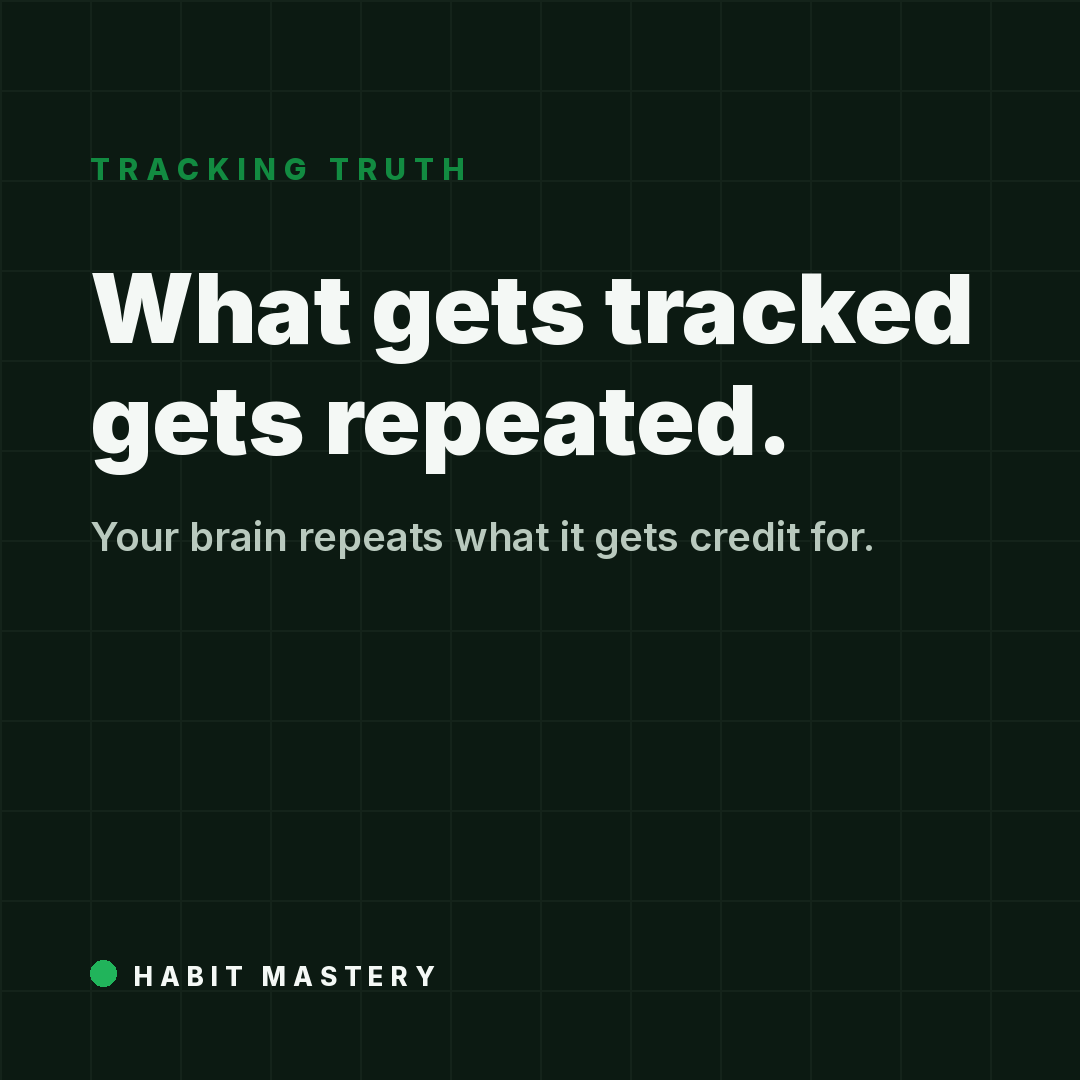
@noormojtaba·Jul 22🧠 Your brain loves credit.
Check a box → tiny win → brain wants more. ✅
That's not a trick. That's how habits form.
Untracked habits give zero credit.
So the brain lets them go. 👋
Track it. Repeat it.
 @noormojtaba·Jul 22
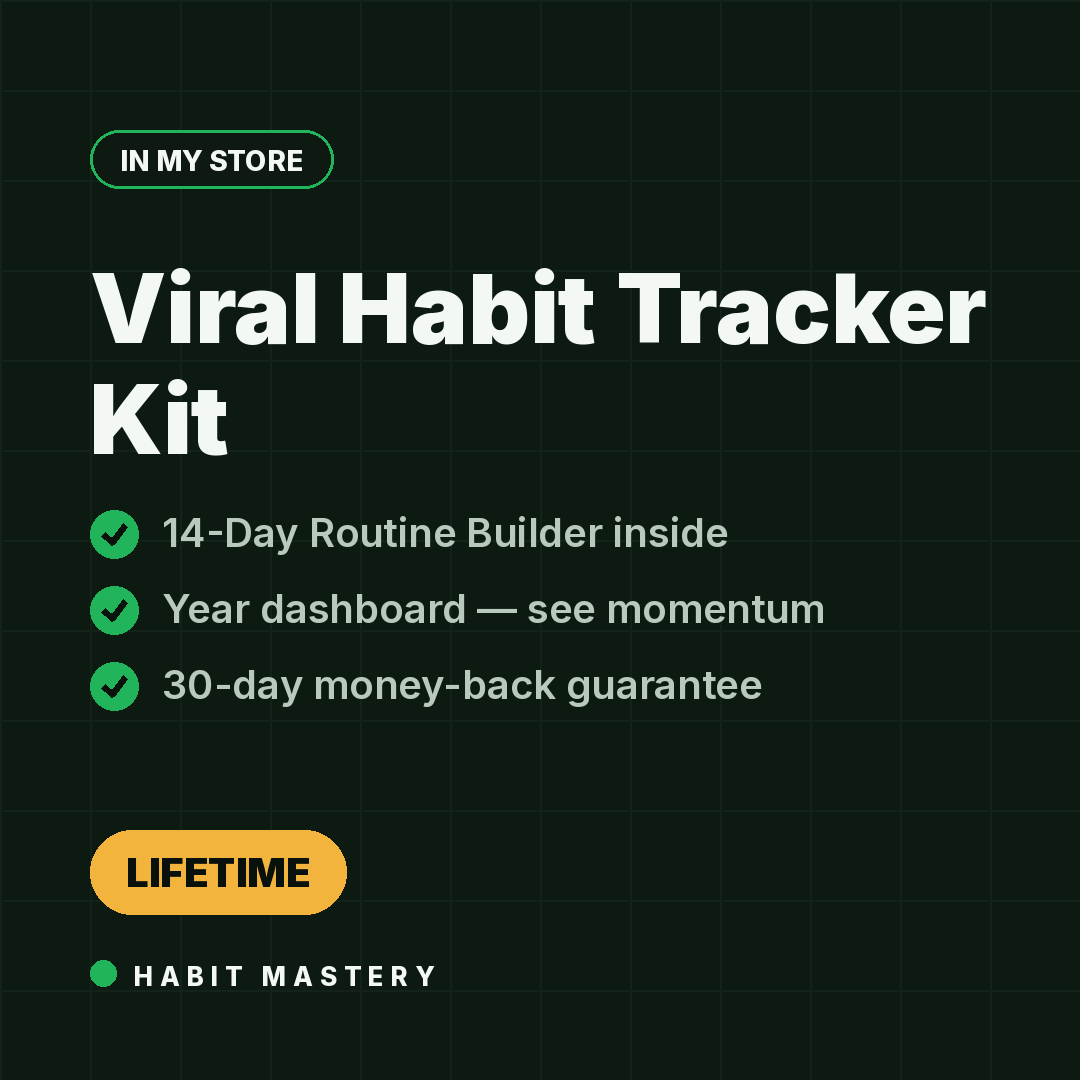
🗓️ Inside the Kit: a 14-Day Routine Builder.
Build your first repeatable routine in two weeks — day by day, not all at once.
Plus streaks, badges, dashboards, and a comeback system for the days life wins.
💚 30-day money-back guarantee. In my store.
 @noormojtaba·Jul 22
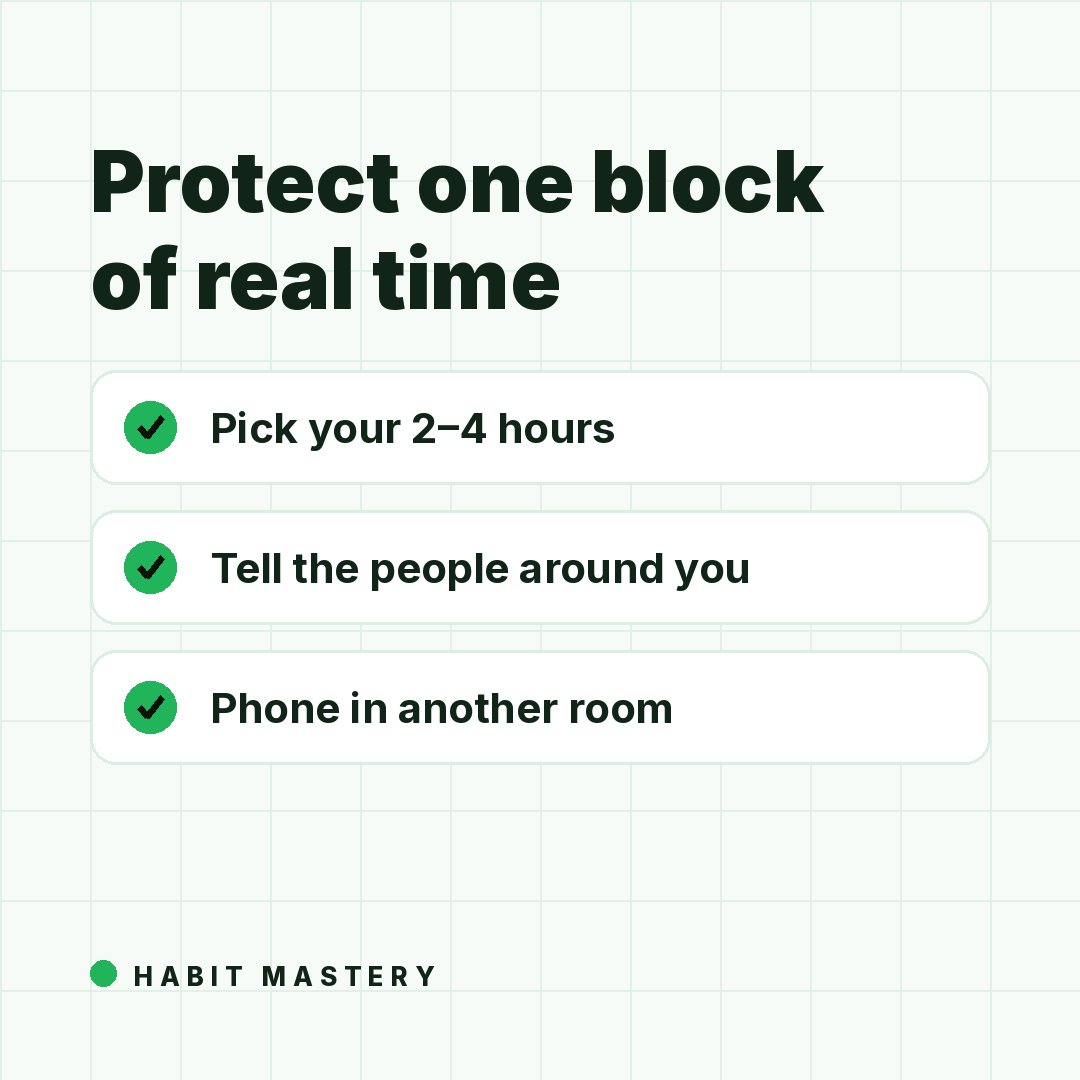
🔒 How to take back your time (tonight):
1️⃣ Pick a 2–4 hour block
2️⃣ Tell the people around you — "I'm off limits"
3️⃣ Phone in another room. Not face down. GONE. 📵
Protect the block and the habits take care of themselves.
 @noormojtaba·Jul 22
Why you keep restarting (and the exact system I use to stop)
I've restarted more habits than I can count.
New app, new notebook, new Monday. Two good weeks. One missed day. Gone.
For years I thought I was just an inconsistent person. Then I realized: I never lacked motivation on day 1. I lacked a plan for day 11 — the day I missed.
Consistency is not a personality trait. It's a system. Here's the exact one I use now. Steal all of it — this post is the whole thing, nothing held back.
The Never Miss Twice rule
Missing one day is normal. Missing two is the start of quitting. So the only hard rule in my system is: never miss twice in a row. You don't need a perfect streak. You need fast comebacks. When you plan for the miss instead of pretending it won't happen, one bad day stops turning into a lost month.
Give every habit three versions
Full, normal, minimum.
Full: 45-minute workout. Normal: 20 minutes. Minimum: 10 push-ups.
On a bad day you do the minimum and still check the box. That check matters more than the workout, because it protects your identity as someone who shows up. Most people don't quit because the habit is hard. They quit because their only version of it was the hard one.
Decide when and where — before the day starts
"I'll read more" fails. "I'll read 10 pages at 9pm on the couch" works. A habit without a time and place is a wish. Write it down: after X, at Y, I do Z.
Stack it on something you already do
The most reliable trigger is a habit you never miss. After I pour my morning coffee → I write my top 3 tasks. After I brush my teeth → I stretch for 2 minutes. You already have anchors. Use them.
A 10-minute weekly reset
Every Sunday: count the checks, find the habit that kept failing, and shrink it — drop to the minimum version or change the trigger. Never add new habits during a reset. Fix the ones that are leaking first.
Make your progress visible
This is the step almost nobody does, and it's the one that changed everything for me. If you can't see your progress, your brain assumes there is none — and quits. A streak you can look at. A row of checkmarks. A chart that fills up. That visible proof is what pulls you back tomorrow, and it's the entire reason I build my trackers the way I do.
That's the full system. Miss once, never twice. Three versions of every habit. A time and a place. Stack on an anchor. Reset weekly. Keep it visible.
I'm not naturally consistent — that's exactly why I care about systems. I built my first tracker for myself, put it on a template marketplace, and it ended up with 100+ customers and 40+ five-star reviews. Not because it was fancy. Because it made showing up visible.
If you want a simple starting point, I made a free 2-page template — the three-version setup with the Never Miss Twice comeback built in. It's at habitmasterysystem.com/comeback. No catch. It's the same starting point I give everyone.
Follow me here for practical systems on habits and follow-through, from someone who had to learn them the hard way. Nothing about willpower — willpower is the thing that already failed you.
— Noor
@noormojtaba·Jul 22Most people don't quit habits because they lack discipline — they quit because they lose sight of the pattern.
Here's the thing about streaks: your brain doesn't respond to "I did a good job today." It responds to "I'm on day 14 and I'm not about to be the reason it ends." Visible progress is what keeps you going after the motivation runs out — not the habit itself.
Two things that actually move the needle if you're trying to stick with something:
Track the minimum version, not the ideal version. If your habit is "workout for 45 minutes" and you only have 10, most trackers make you feel like you failed. Track "did I show up at all" instead — a 10 minute workout still extends the streak.
Never let one miss become two. The data is pretty clear: missing a day barely affects your long-term consistency. Missing two days in a row is what actually kills habits. If you slip, the only rule that matters is: don't miss twice.
I built a simple Google Sheet that does exactly this — logs your habits in about 20 seconds a day, auto-updates your streaks, badges, and progress bars so you see the pattern instead of one bad day, and has a built-in comeback prompt for when you slip. It's the Viral Habit Tracker Kit — $17 one-time, lifetime access, no app or login required, 30-day money-back guarantee.
@noormojtaba·Jul 22@noormojtaba·Jul 22⏳ You don't need a new morning routine.
You need ONE block of time that's 100% yours.
2, 3, 4 hours. Uninterrupted. 🔒
Phone in another room. People told. Door closed.
Your habits live or die inside that block.
 @noormojtaba·Jul 21
Why you keep restarting (and the exact system I use to stop)
I've restarted more habits than I can count.
New app, new notebook, new Monday. Two good weeks. One missed day. Gone.
For years I thought I was just an inconsistent person. Then I realized: I never lacked motivation on day 1. I lacked a plan for day 11 — the day I missed.
Consistency is not a personality trait. It's a system. Here's the exact one I use now. Steal all of it — this post is the whole thing, nothing held back.
1. The Never Miss Twice rule
Missing one day is normal. Missing two is the start of quitting. So the only hard rule in my system is: never miss twice in a row. You don't need a perfect streak. You need fast comebacks. When you plan for the miss instead of pretending it won't happen, one bad day stops turning into a lost month.
2. Give every habit three versions
Full, normal, minimum.
Full: 45-minute workout. Normal: 20 minutes. Minimum: 10 push-ups.
On a bad day you do the minimum and still check the box. That check matters more than the workout, because it protects your identity as someone who shows up. Most people don't quit because the habit is hard. They quit because their only version of it was the hard one.
3. Decide when and where — before the day starts
"I'll read more" fails. "I'll read 10 pages at 9pm on the couch" works. A habit without a time and place is a wish. Write it down: after X, at Y, I do Z.
4. Stack it on something you already do
The most reliable trigger is a habit you never miss. After I pour my morning coffee → I write my top 3 tasks. After I brush my teeth → I stretch for 2 minutes. You already have anchors. Use them.
5. A 10-minute weekly reset
Every Sunday: count the checks, find the habit that kept failing, and shrink it — drop to the minimum version or change the trigger. Never add new habits during a reset. Fix the ones that are leaking first.
6. Make your progress visible
This is the step almost nobody does, and it's the one that changed everything for me. If you can't see your progress, your brain assumes there is none — and quits. A streak you can look at. A row of checkmarks. A chart that fills up. That visible proof is what pulls you back tomorrow, and it's the entire reason I build my trackers the way I do.
That's the full system. Miss once, never twice. Three versions of every habit. A time and a place. Stack on an anchor. Reset weekly. Keep it visible.
I'm not naturally consistent — that's exactly why I care about systems. I built my first tracker for myself, put it on a template marketplace, and it ended up with 100+ customers and 40+ five-star reviews. Not because it was fancy. Because it made showing up visible.
If you want a simple starting point, I made a free 2-page template — the three-version setup with the Never Miss Twice comeback built in. It's at habitmasterysystem.com/comeback. No catch. It's the same starting point I give everyone.
Follow me here for practical systems on habits and follow-through, from someone who had to learn them the hard way. Nothing about willpower — willpower is the thing that already failed you.
— Noor
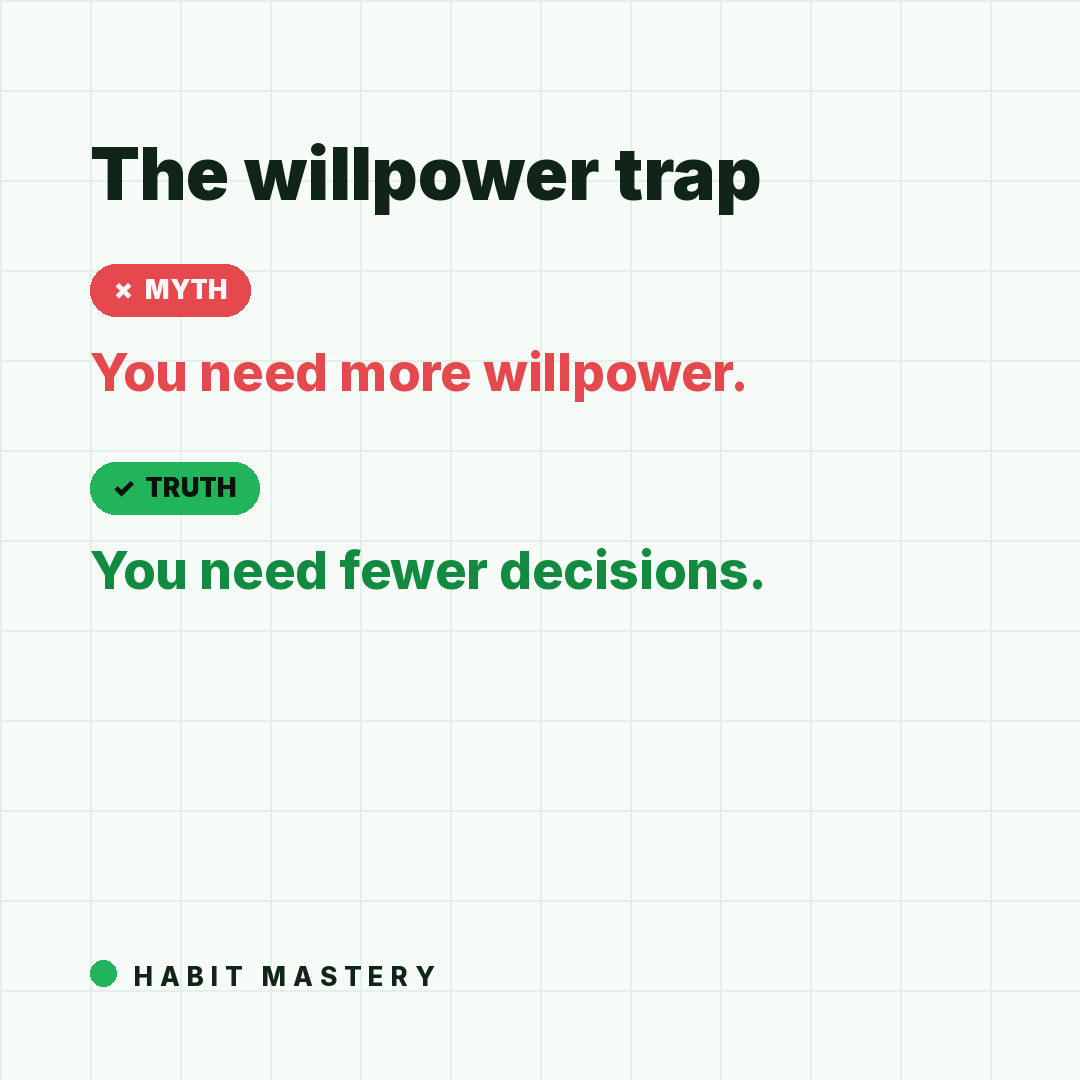
@noormojtaba·Jul 21🧠 Willpower is a battery. It drains. 🔋
Every decision drains it faster:
When? Where? How much? Do I feel like it?
⚙️ Decide ONCE:
Same time. Same place. Same minimum.
Zero decisions left = nothing to drain.