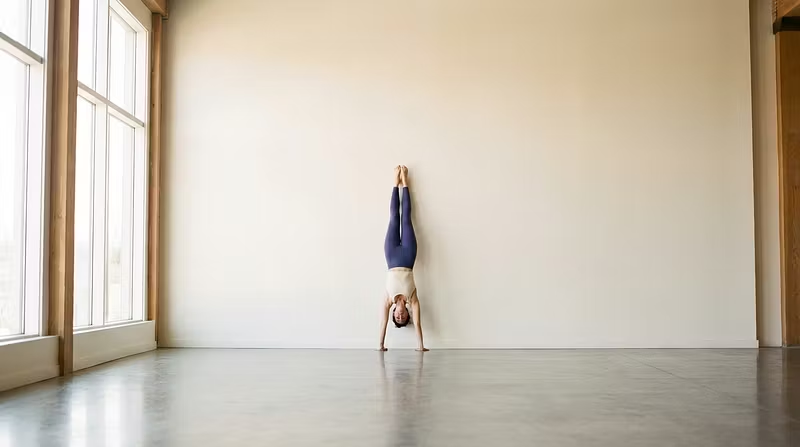
Inverted Path

Structured handstand progression for intermediate yogis — from wall-facing holds to confident kick-ups. Online coaching that builds real str...
Marilao, PH
•Created byProfile pictureartymakeupbf
1 joined
Profile picture
@artymakeupbfProfile pictureJun 14
Pinned post

Welcome to Inverted Path šŸ™ƒ


You just made the single best investment in your handstand journey.


Over the next several weeks you'll move through 6 progressive modules — from bulletproof wall-facing holds all the way to confident freestanding kick-ups. Every lesson builds on the last, so trust the sequence.


How This Program Works


  1. Go to the Course — "Wall to Freestanding: The Handstand Kick-Up Blueprint" is your main training hub. Lessons unlock sequentially so you never skip ahead of your readiness.

  2. Follow the checkpoints — Each module has clear benchmarks (e.g., a 60-second wall hold) before you advance. Respect them.

  3. Use the Community Chat — Ask questions, post your hold times, share wins. The cohort energy matters.


Ground Rules


  • Film yourself. You can't feel what your line looks like. Record, review, adjust.

  • Warm up every session. Wrists, shoulders, thoracic spine — non-negotiable.

  • Rest days are training days. Your CNS needs recovery to lock in motor patterns.


Let's get inverted.


— Coach

Profile picture
@artymakeupbfProfile pictureJun 14

The Wall-Facing Handstand Hold: Why It's the Real Foundation of Your Kick-Up


Most people try to kick up into a handstand before they can hold one. That's like trying to sprint before you can stand still. Here's the progression that actually works.


Why Wall-Facing Beats Belly-to-Wall


When you face the wall, your body is forced into the correct stacked alignment — wrists under shoulders, ribs drawn in, pelvis neutral. Belly-to-wall lets you arch, banana-back, and build patterns you'll spend months unlearning.


The 60-Second Benchmark


Before you even think about leaving the wall, you need a solid 60-second wall-facing hold with:


  • Active shoulder elevation (push the floor away)

  • Hollow body engagement (ribs knit, tailbone slightly tucked)

  • Fingers spread, weight balanced across the full palm

  • Controlled breathing — if you're holding your breath, you're not ready


If you can't hit 60 seconds with clean form, you have no business kicking up. I know that's direct, but a weak hold means a weak handstand. Full stop.


The Bridge to Kick-Ups: Toe Pulls


Once your hold is locked in, the next phase is toe pulls — peeling one foot, then both feet off the wall and finding a momentary float. This teaches you:


  • Where your balance point actually lives

  • How to engage your fingertips for micro-corrections

  • The confidence to leave the wall without panic


The Kick-Up Itself


The kick-up is the last skill, not the first. When your hold is strong and your toe pulls are consistent, the kick-up becomes a controlled placement, not a desperate launch.


Inside Inverted Path, I teach this exact progression across 6 modules and 15 structured lessons — from your first wall walk-up to a confident freestanding kick-up.


If you're an intermediate yogi ready to get serious about handstands, this is the roadmap. 🤸