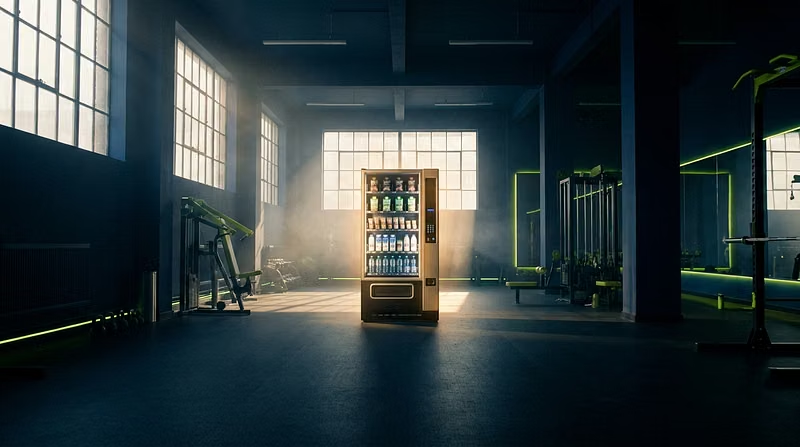


The economics of putting a vending machine in a gym (numbers inside)
I'm building MacroVend — smart vending machines stocked with protein shakes, milk, and water, placed inside gyms. A few things I learned scoping this out that might help anyone else eyeing vending or amenity-based side revenue:
The margin math is what sells it. A protein shake that costs ~$1.20-1.80 wholesale sells for $5-7 at the machine. Milk and water carry thinner margins but drive volume and foot traffic to the machine, which lifts shake sales too.
The real pitch isn't to the end customer — it's to the gym owner. Gym owners don't want to run a mini-store. They want an amenity their members love with zero operational lift. So the offer becomes: we install, stock, and maintain the machine; you collect the goodwill (and a cut, if structured that way); your members get convenience.
Prepaid credit beats cash/card-per-swipe. Members load a balance once via an app and tap a QR to redeem. It removes friction at the machine, cuts payment processing overhead per-transaction, and — important for retention — money loaded but unspent is float that keeps people coming back.
Placement location inside the gym matters more than machine count. Near the exit, post-workout, beats near the entrance every time. Test it before committing to a lease term.
If you're building an offline/physical business like this, structuring the online side (member app, prepaid balances, gym partner agreements, recurring billing) is honestly the easiest part — figuring out the unit economics and placement logistics is where the real work is.