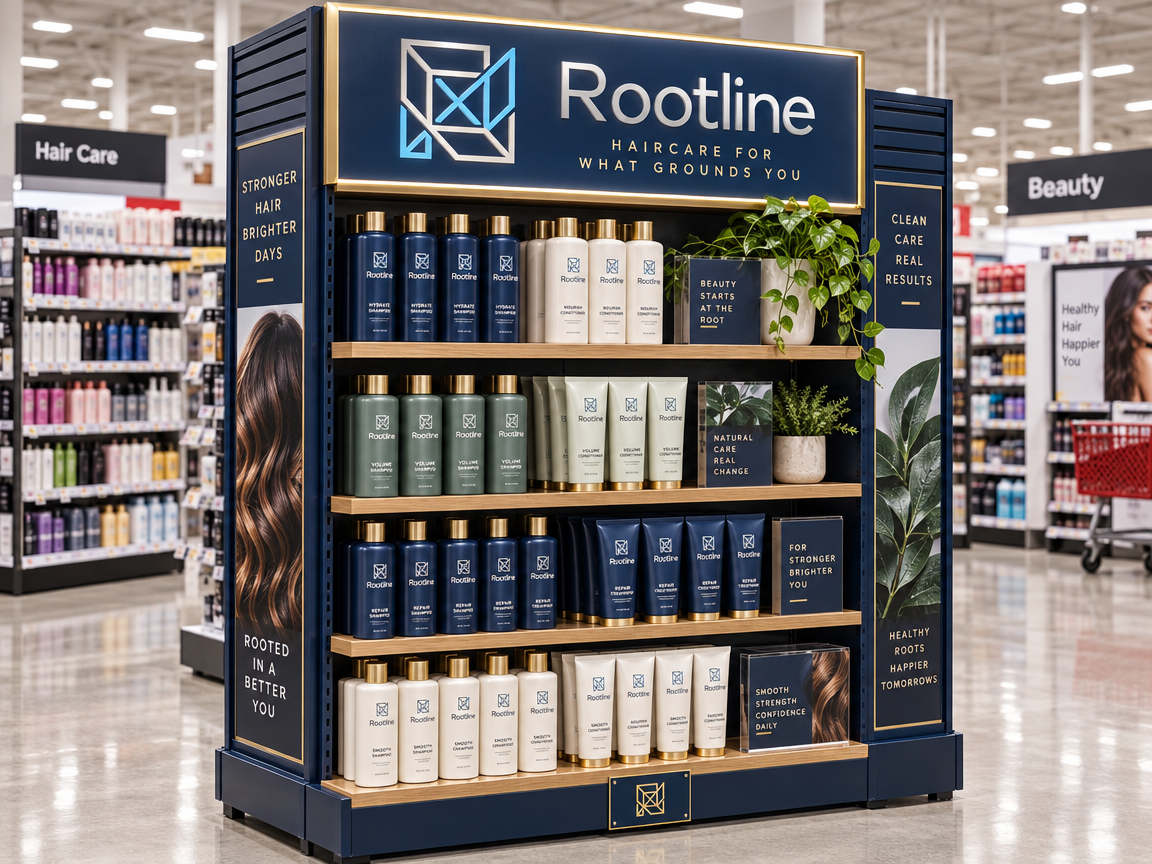
The $500 mistake most emerging CPG brands make before their first big-box pitch
Here's what nobody tells you before your first Target or Walmart meeting: your product can be perfect and you'll still get passed over if your display doesn't work in their aisle.
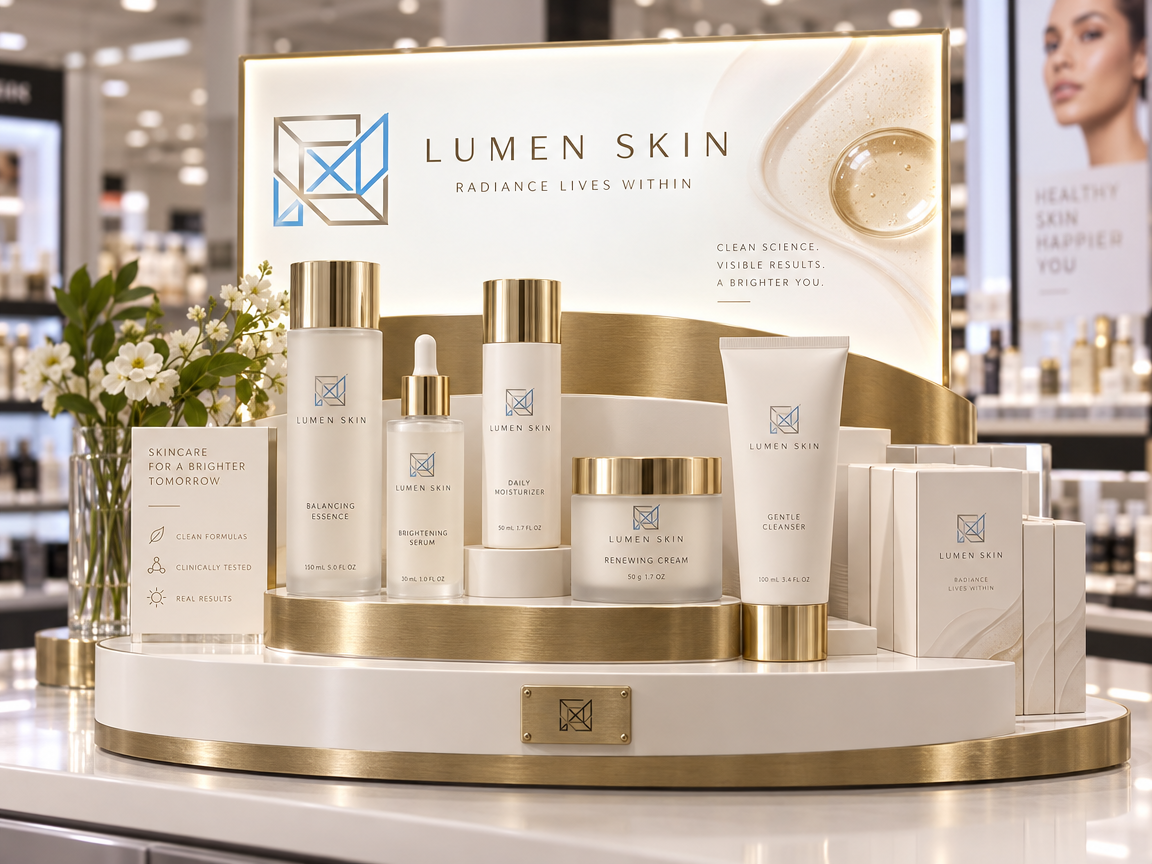
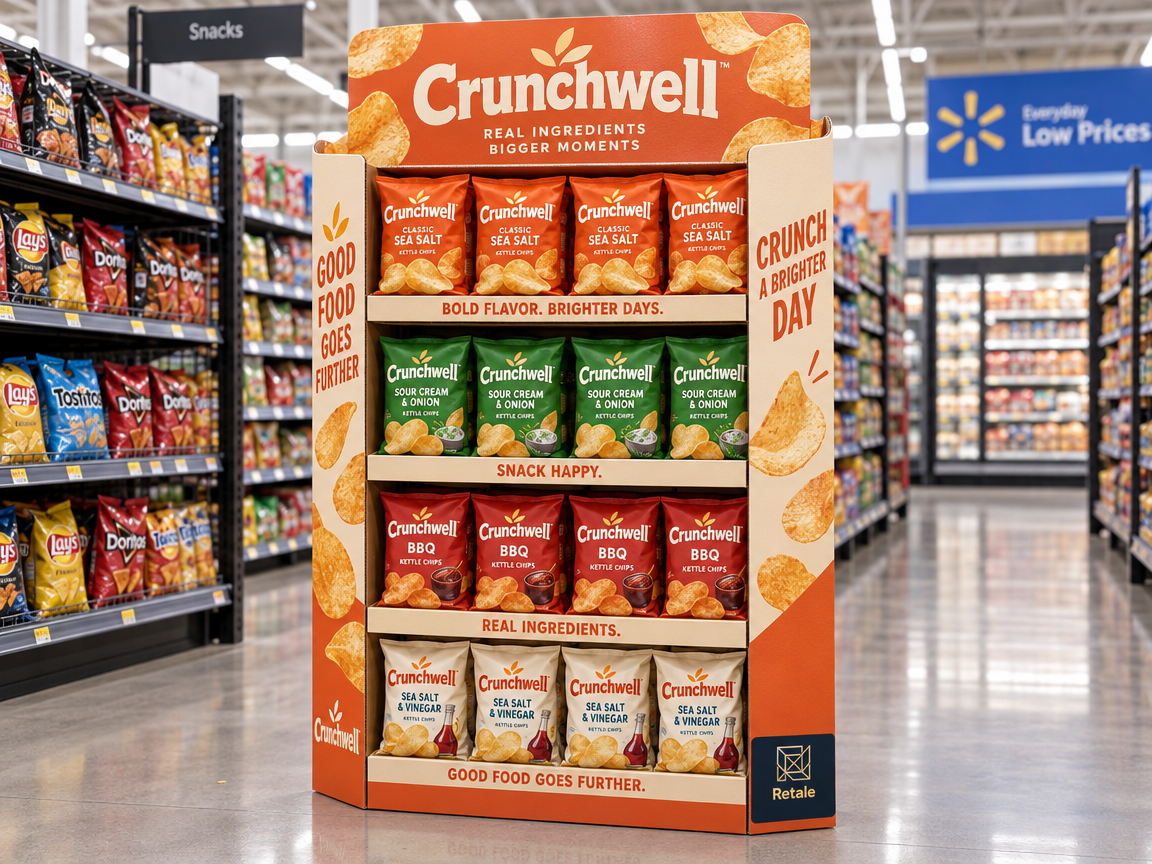
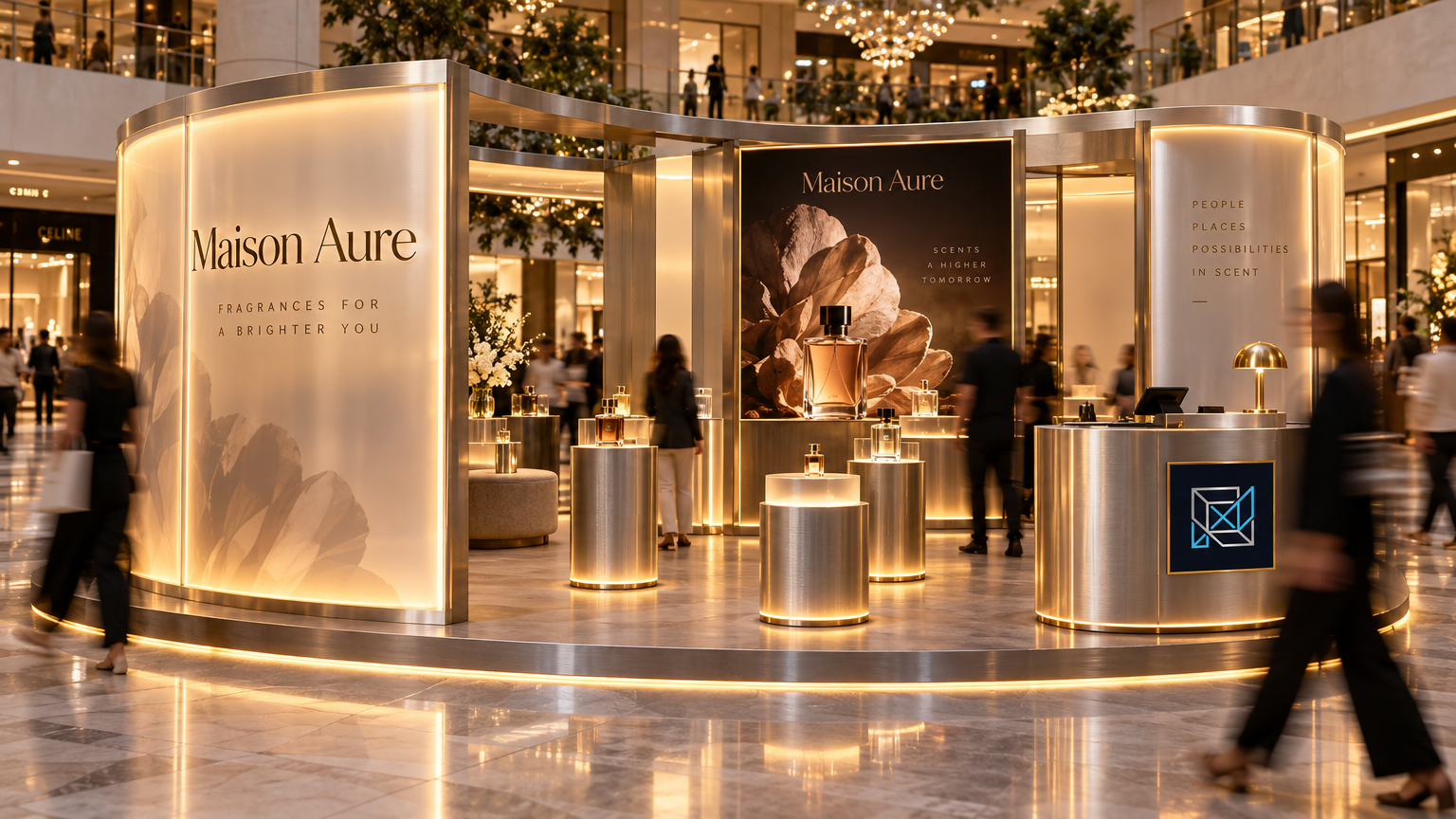
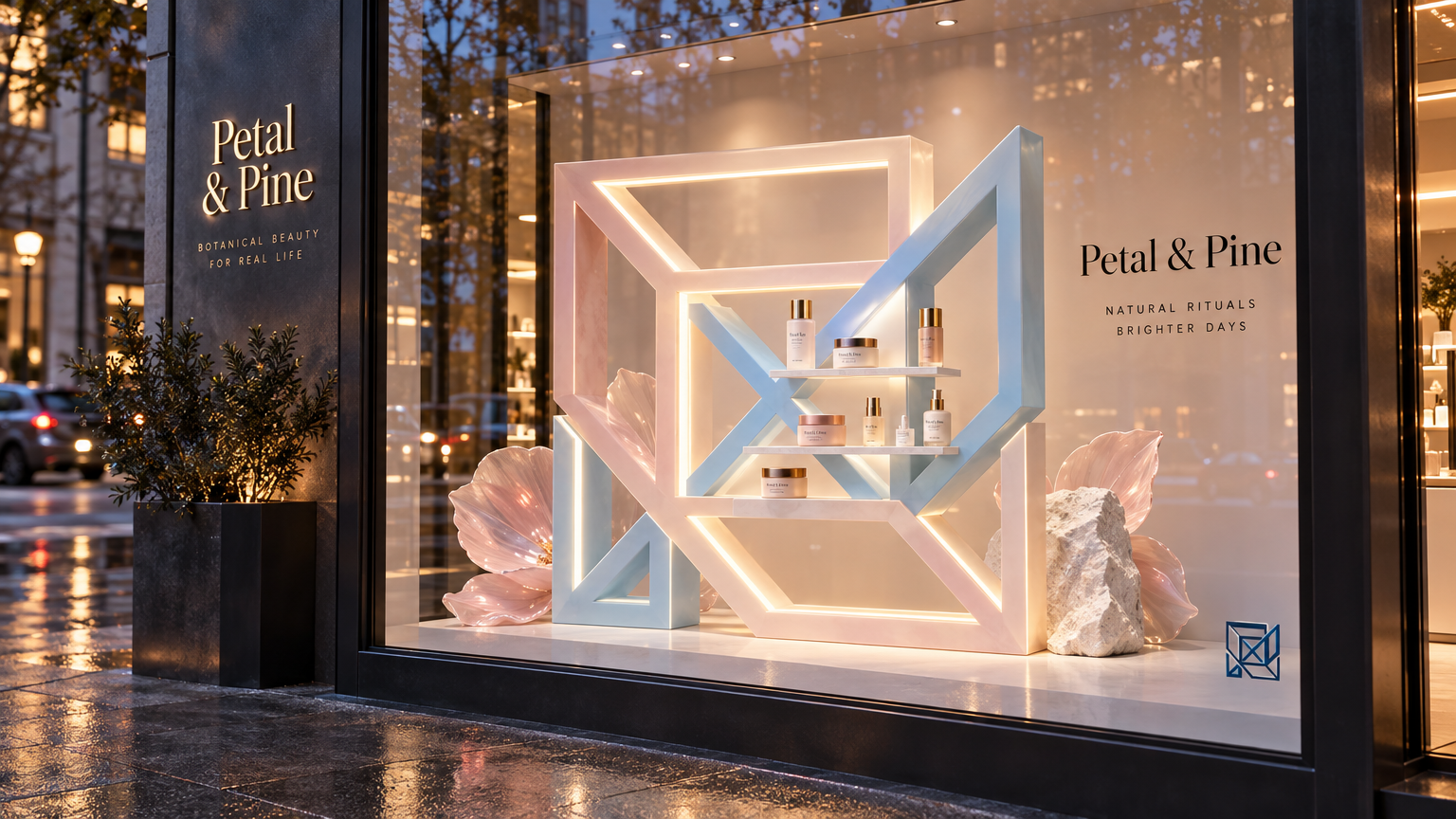
A few things I've learned building POP displays for emerging beauty and CPG brands:
1. Retailers don't care about your packaging — they care about your footprint. Buyers are optimizing for shelf inches and planogram fit. A gorgeous product in a display that doesn't slot into their existing fixture standards gets rejected before anyone reads the label.
2. Corrugate is not "cheap" — it's fast and testable. Everyone assumes injection-molded acrylic = premium. But most brands should validate with a corrugate display first, get real sell-through data, then invest in a durable version once the retailer commits to a reset.
3. Ask for the planogram before you design anything. If your rep can't get you the store's planogram or fixture specs, your display is a guess. Every dimension — height, depth, weight capacity — should come from that spec sheet, not your aesthetic preference.
4. Lead times kill more launches than budget does. Retailers set reset dates months in advance. A display that's "almost done" two weeks before a reset is functionally worthless. Build in buffer for tooling and a physical prototype review before mass production.
If you're heading into a retail pitch in the next few months, happy to look at what you've got and tell you where it'll likely get flagged. That's literally what we do at Retale.