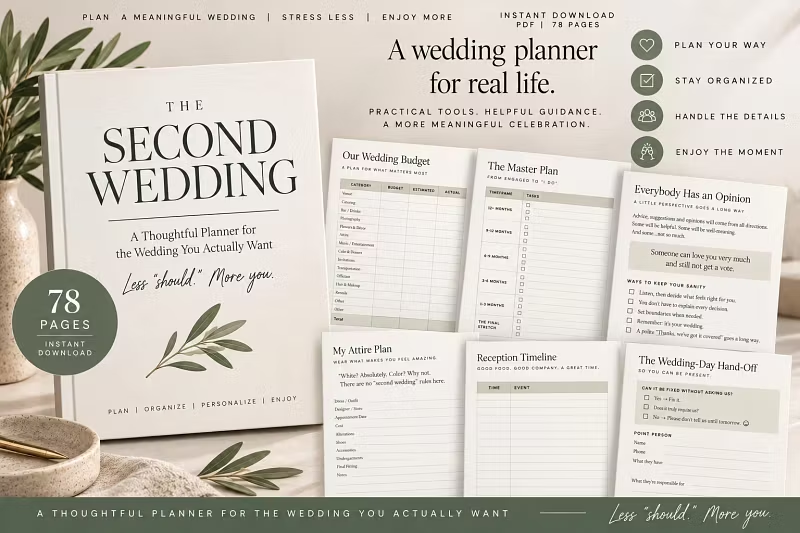


Tradition is an option. Not an assignment.
A second wedding does not need a new set of rules. It also does not need to apologize for the first one.
Most planners are written for a version of a wedding that assumes you have never done this, that every tradition is required, and that more pages of “should” will make the day better. They are not written for people who already know what they like, what they will skip, and where the money actually matters.
What tends to go wrong is not a missing napkin fold. It is decisions that never get made, vendors who never get compared, and a wedding day where the couple is still running the timeline.
A useful planner does three things:
Helps you decide what this wedding is — and what it is not.
Puts budget, vendors, guests, and the weekend in one place.
Hands the day off so the people getting married are not also the people managing it.
Spend where you’ll notice it. Save where you won’t. Everything else is optional.