Stitch & Shade Studio

Master the art of satin stitch portrait shading through structured 30-day accountability cohorts. Learn to transform embroidery hoops into s...
San Pablo, PH
Created byProfile pictureheadamorist67
1 joined
Profile picture
@headamorist67Profile pictureJun 12

Why Satin Stitch Portraits Look So Lifelike (And How to Learn the Technique)

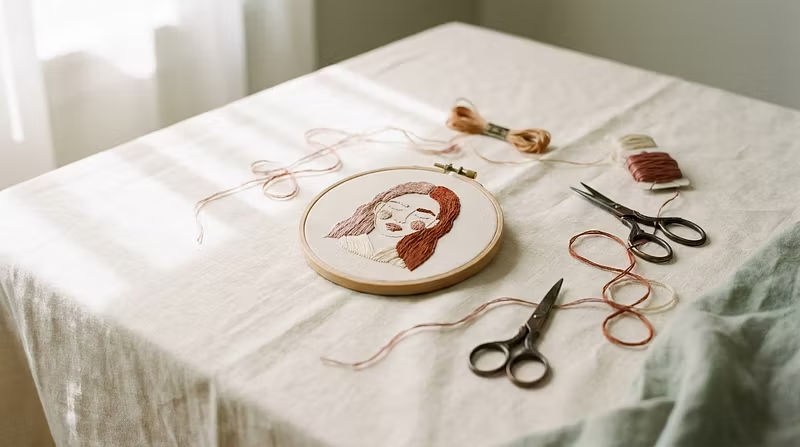
If you've ever seen an embroidered portrait that looks almost photographic — with smooth skin tones, realistic shadows, and hair that seems to flow — chances are it was done with satin stitch shading.


It's one of the most rewarding techniques in embroidery, but also one of the hardest to self-teach. Here's why:


The 3 Things Most Embroiderers Get Wrong


1. Stitch direction. Every area of a face has a natural grain — the way light and muscle structure flow. Stitch against it, and the portrait looks flat or distorted. Follow it, and the piece comes alive.


2. Value transitions. Jumping between thread colors too abruptly creates harsh lines instead of smooth gradients. The secret is understanding how to blend 4-6 values of the same hue using stitch density and overlap.


3. Starting with the face. Most people try to stitch a full portrait on day one. That's like painting the Mona Lisa before you've learned to mix colors. You need to build up: spheres → individual features → full composition.


What Proper Training Looks Like


A structured approach breaks portrait shading into progressive skills:


  • Week 1: Master directional stitching and shading on simple forms (spheres, cylinders)

  • Week 2: Isolate and stitch individual features — eyes, nose, lips — learning the unique stitch patterns for each

  • Week 3: Combine everything into a full portrait composition with proper value mapping

  • Week 4: Refine details like hair texture, fix common problems, and finish with professional presentation


The Accountability Factor


The biggest reason people fail at learning portrait shading isn't talent — it's consistency. Having a structured schedule with checkpoints and a community of peers practicing alongside you makes the difference between "I'll get to it eventually" and actually completing a portrait you're proud of.


If you're an intermediate embroiderer ready to level up, this is the skill that will set your work apart from everything else on Instagram, Etsy, or your local craft fair.


The next cohort is open now. 🪡

Profile picture
@headamorist67Profile pictureJun 12

Why Satin Stitch Portraits Look So Lifelike (And How to Learn the Technique)

If you've ever seen an embroidered portrait that looks almost photographic — with smooth skin tones, realistic shadows, and hair that seems to flow — chances are it was done with satin stitch shading.


It's one of the most rewarding techniques in embroidery, but also one of the hardest to self-teach. Here's why:


The 3 Things Most Embroiderers Get Wrong


1. Stitch direction. Every area of a face has a natural grain — the way light and muscle structure flow. Stitch against it, and the portrait looks flat or distorted. Follow it, and the piece comes alive.


2. Value transitions. Jumping between thread colors too abruptly creates harsh lines instead of smooth gradients. The secret is understanding how to blend 4-6 values of the same hue using stitch density and overlap.


3. Starting with the face. Most people try to stitch a full portrait on day one. That's like painting the Mona Lisa before you've learned to mix colors. You need to build up: spheres → individual features → full composition.


What Proper Training Looks Like


A structured approach breaks portrait shading into progressive skills:


  • Week 1: Master directional stitching and shading on simple forms (spheres, cylinders)

  • Week 2: Isolate and stitch individual features — eyes, nose, lips — learning the unique stitch patterns for each

  • Week 3: Combine everything into a full portrait composition with proper value mapping

  • Week 4: Refine details like hair texture, fix common problems, and finish with professional presentation


The Accountability Factor


The biggest reason people fail at learning portrait shading isn't talent — it's consistency. Having a structured schedule with checkpoints and a community of peers practicing alongside you makes the difference between "I'll get to it eventually" and actually completing a portrait you're proud of.


If you're an intermediate embroiderer ready to level up, this is the skill that will set your work apart from everything else on Instagram, Etsy, or your local craft fair.


The next cohort is open now. 🪡