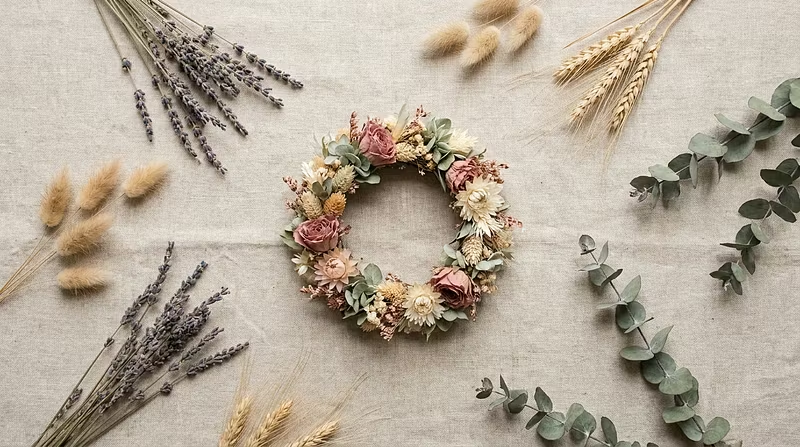


🎨 Pro Tip: The 60-30-10 Color Rule for Wreaths
{"type":"doc","content":[{"type":"paragraph","content":[{"type":"text","text":"One of the fastest ways to make your wreaths look professionally designed is the 60-30-10 rule:"}]},{"type":"bulletList","content":[{"type":"listItem","content":[{"type":"paragraph","content":[{"type":"text","marks":[{"type":"bold"}],"text":"60% dominant color"},{"type":"text","text":" — your base florals and foliage (e.g., bleached pampas, neutral bunny tails)"}]}]},{"type":"listItem","content":[{"type":"paragraph","content":[{"type":"text","marks":[{"type":"bold"}],"text":"30% secondary color"},{"type":"text","text":" — your accent blooms (e.g., dusty rose preserved roses, terracotta strawflowers)"}]}]},{"type":"listItem","content":[{"type":"paragraph","content":[{"type":"text","marks":[{"type":"bold"}],"text":"10% pop color"},{"type":"text","text":" — a single bold element that draws the eye (e.g., a deep burgundy peony, a gold-dipped leaf)"}]}]}]},{"type":"paragraph","content":[{"type":"text","text":"This ratio creates visual harmony every time. You'll learn the full palette system in Module 3 of the course — but start experimenting now. Drop your color combos in the chat! 👇"}]}]}