The cleaning industry is experiencing rapid growth, with cleaning services in high demand and the global market expected to reach 734 billion by 2032. Find out how you can get a slice of that pie with this guide.
Key takeaways
- Home cleaning businesses offer low startup costs and high flexibility, making them ideal for entrepreneurs seeking gradual, scalable growth.
- Choosing an LLC structure protects your business while simplifying management, reducing paperwork, and lowering taxes.
- Investing in quality equipment and eco-friendly supplies creates competitive advantages that attract modern, sustainability-conscious homeowners.
Cleaning is one of the oldest businesses in the world — and it’s still growing. The global cleaning services market was valued at $424 billion in 2024, is projected to reach $451 billion in 2025, and is expected to soar to $734 billion by 2032 (Fortune Business Insights).
That kind of growth makes cleaning one of the fastest-expanding home service industries today. And if you’re willing to roll up your sleeves, it’s a business that can be both lucrative and reliable.
In this guide, we’ll cover everything you need to know — from the benefits and challenges to the exact steps for starting your own cleaning business.
Why should I start a home cleaning business?
A cleaning business is an ever-growing industry. There is a high demand for the service and there are many job opportunities. So, starting a home cleaning business can be a rewarding and profitable venture for several reasons.
Let’s take a look at some good reasons of why you should start your own home cleaning business:
Growing demand
With the hustle and bustle of everyday life, many people simply do not have time to clean their homes. For this reason, cleaning companies have become increasingly popular. It's an industry that works with businesses and individual customers. You could be cleaning:
- Elderly people's homes
- Large houses and mansions
- Offices
- Restaurants
Low startup costs
A house cleaning business has relatively low start-up costs compared to other service-based businesses. Your biggest expenses will be on cleaning supplies and equipment. Sometimes your clients will provide basic cleaning equipment, such as brooms or mops, so it can be a relatively low cost business model to start.
As you grow, you might spend money on a company vehicle and more advanced cleaning gear, like vacuum cleaners, high-pressure washers, and more. It is a business that allows for gradual scaling as your profits increase.
Potential for growth
The beauty of the house cleaning industry is that there is always demand, everywhere in your country.
This means that what starts as a small business has great potential for growth. We are talking about having the opportunity to create a real brand within the market and open franchises in other parts of your city, in other cities, throughout the country and, who knows, abroad.
Flexibility
Among the service segments, house cleaning is perhaps the one that offers the greatest level of flexibility in terms of working time. Depending on the size of the house, or the level of cleaning, it’s possible to complete the service in just a few hours.
How to start a home cleaning business
Running a cleaning business may sound simple, but success starts with solid planning. From deciding which services you’ll offer to identifying your ideal clients, a little strategy upfront will make all the difference when it’s time to launch.
Here is a step-by-step guide to help you start a house cleaning business:
1. Define your target audience
The first thing to do when starting a house cleaning business is to define exactly who you will target your service to. And in the case of this specific segment, your target audience is defined in two groups: residential or commercial.
Providing services to residential clients—residential cleaning—is basically doing house cleaning. It is the most common type of service (since it is the general name of the business model). It is ideal if you are an individual service provider, although there is nothing stopping you from having a team as well.
Doing commercial cleaning, on the other hand, is, as the name suggests, focusing your work on offering cleaning services to business spaces such as offices, warehouses, or retail spaces. It’s more suitable for medium-sized cleaning companies, since this type of client usually has much larger spaces to clean.
Defining your target audience is important to establish where your business will operate. If your focus is cleaning houses, it’s best to locate your business in a residential area. You can conduct market research to identify areas in your city that fit your business profile and do not have strong competition. Simple things like Google Maps can help with this.
2. Choose the type of cleaning service your business will offer
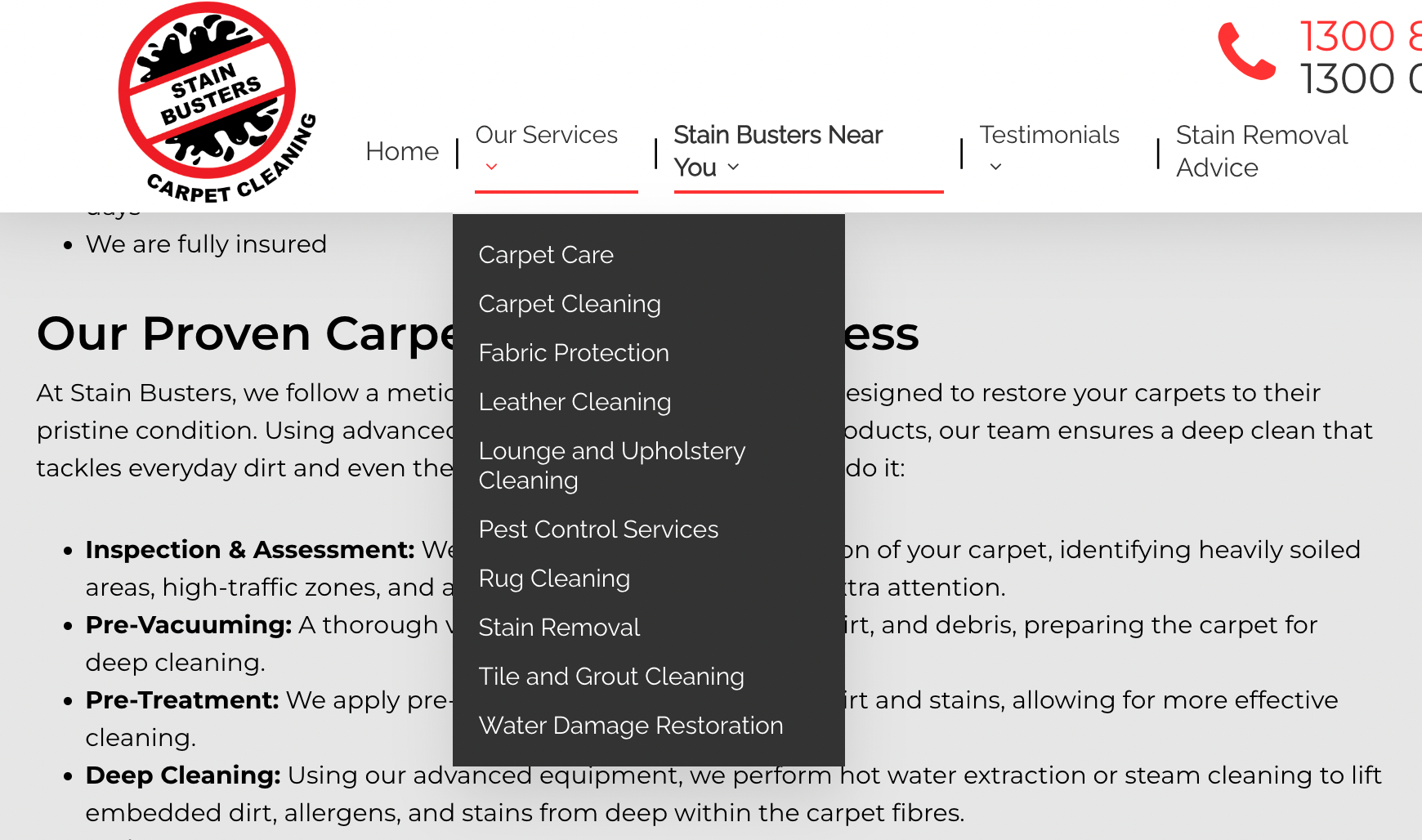
There are dozens of types of cleaning services that your company can offer, ranging from the cleaning tools used to different techniques.
A good tip is to have a wide variety and set special prices for each one, with options for promotions and even special cleaning packages. Of course, each type of cleaning requires a specialization that your company must meet efficiently and effectively.
Here are some common types of cleaning services a home cleaning business can offer:
Regular house cleaning
The most common type of service, involving routine tasks like:
- Vacuuming and mopping floors
- Dusting furniture and surfaces
- Cleaning bathrooms and kitchens
- Changing bed linens
- Emptying trash and recycling
Deep cleaning
A more thorough cleaning that goes beyond regular maintenance, including:
- Cleaning inside appliances (ovens, refrigerators, microwaves)
- Scrubbing grout and tile
- Washing windows and blinds
- Cleaning light fixtures and ceiling fans
- Organizing and decluttering spaces
Move-In/move-out cleaning
A deep clean specifically designed for preparing a home for new occupants or returning a rental property to its original condition.
Specialized cleaning
A service that focuses on specific areas that require special attention, either due to their size or difficulty in reaching them. Includes:
- Carpet and Upholstery Cleaning: Using specialized equipment to clean carpets and upholstery.
- Window Cleaning: Professional window cleaning for both interior and exterior windows.
- Pressure Washing: Cleaning outdoor surfaces like decks, patios, and driveways.
In addition to these house cleaning services, your business can also offer more specific, smaller-scale cleaning services, either as a special bonus or extra service. Examples include:
- Dishwashing
- Laundry services
- Eco-cleaning services: Cleaning with sustainable products and without harmful chemicals (very popular in homes with newborns, elderly people, or pets)
- Spring or seasonal cleaning: Cleaning snow from the roof and sidewalk in winter, or leaves during autumn for example.
3. Decide your business structure
Navigating the legal aspects of starting a business is essential to ensure compliance and protect your interests. First, decide on a business structure. If you’re opening a small cleaning business by yourself, you’re considered a sole proprietorship, which means you’re responsible for all legal aspects of your business.
But if you are starting a business with more people, then these individuals are legally considered your partners, and your business must be registered as a partnership.
For small and medium-sized businesses, the most beneficial structure is the so-called LLC (Limited Liability Company), which combines the characteristics of a partnership and a corporation. It is a structure that offers several benefits such as a simplified management structure, less paperwork, and fewer taxes.
Registration and other legal regulations may change depending on your region or country, but it is vital to ensure your brand operates within the law.
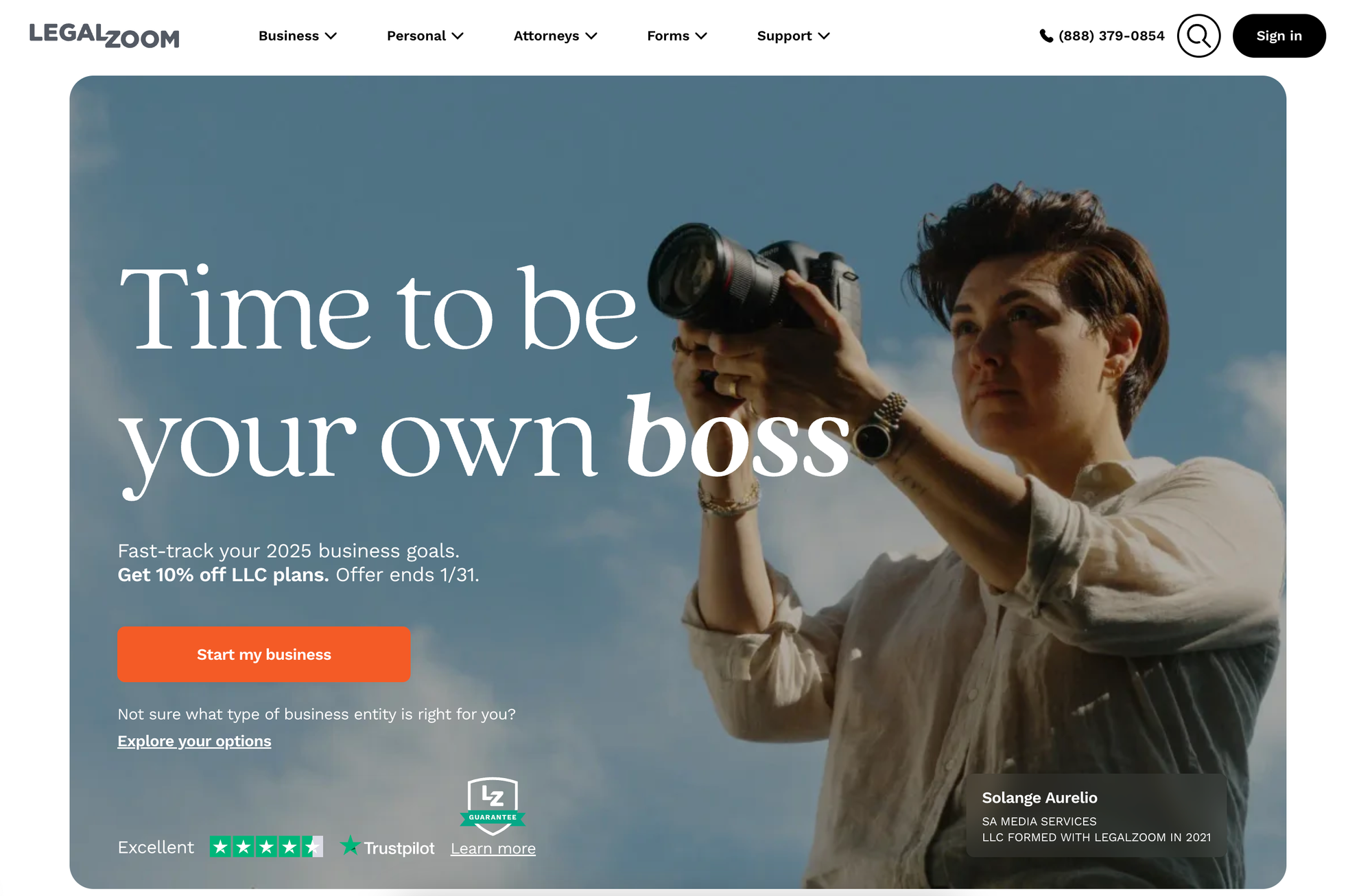
If you’re not sure where to start, a site like LegalZoom can help you figure everything out for a small fee!
4. Register your business name
Once you’ve chosen a structure, register your business name. Make sure it’s unique and reflects your services. Check with your local government for any licensing requirements specific to cleaning services. This might include health and safety permits.
Also, make sure that the name you choose for your business is not already in use by another company. Avoid copyrighted names, and the same goes for any visual assets, such as logos or design templates..
5. Take care of other legal setups
Among other legal requirements that your business needs, a business license is probably a must (depending on where you live). Fees for licensing your business may vary depending on your city's regulations, but it is a piece that cannot be missed if you want your business to be legitimate.
Insurance is another crucial element. Liability insurance protects you in case of accidents or damage to a client’s property. If you plan to hire employees, you’ll need workers' compensation insurance. Consider getting a cleaning insurance policy that includes
Consulting with a legal advisor or a small business association can provide clarity on the specifics of insurance policies.
6. Set up accounting systems
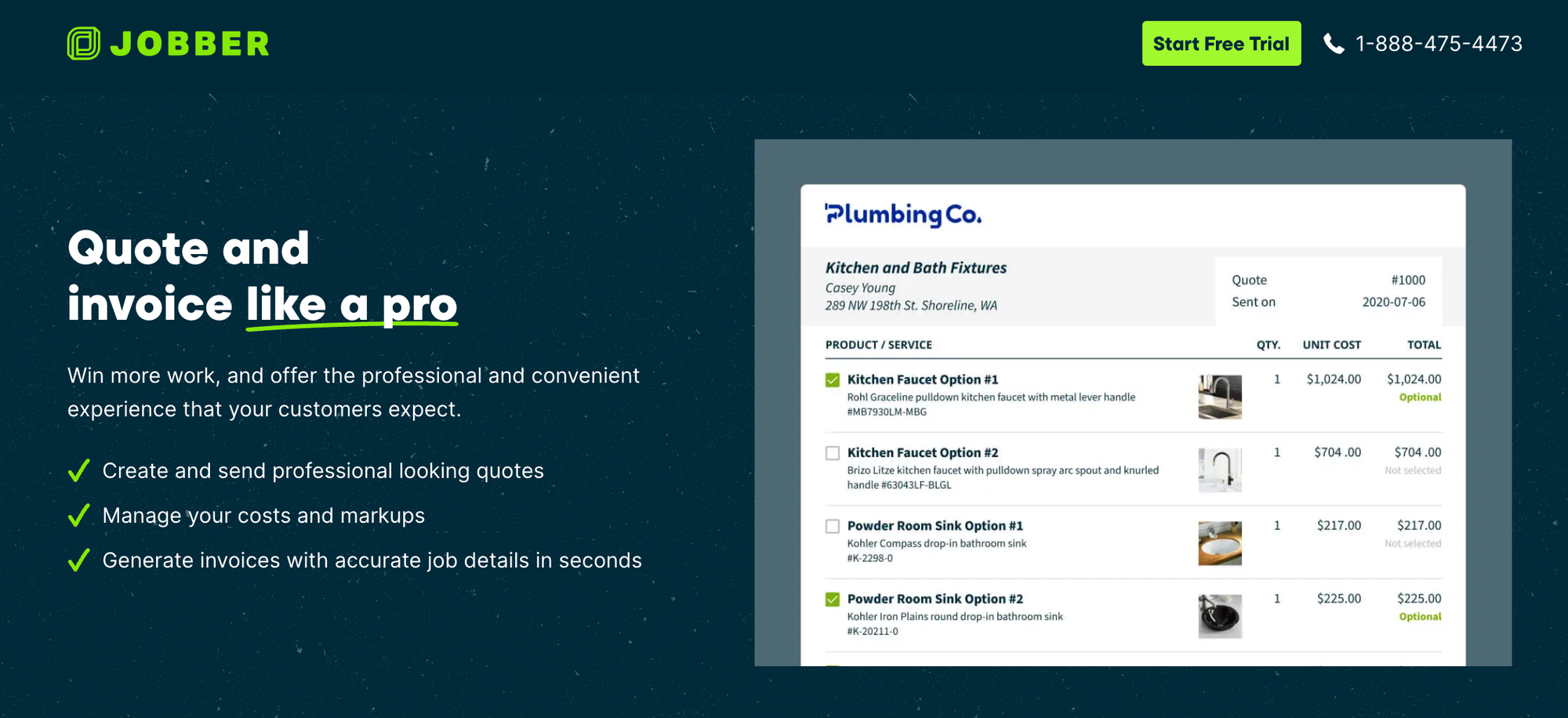
Managing your finances effectively is key to sustaining and growing your business. Start by opening a separate business bank account. This helps in keeping personal and business expenses distinct, making tax time easier and giving you a clear picture of your business’s financial health.
Implement an accounting system. You can use software like QuickBooks or hire an accountant to manage your books. Track every transaction, from income to expenses, and keep receipts for all business-related purchases. Regular financial reviews will help you understand your profitability and make informed decisions about pricing and expansion.
7. Buy cleaning supplies and equipment for your business
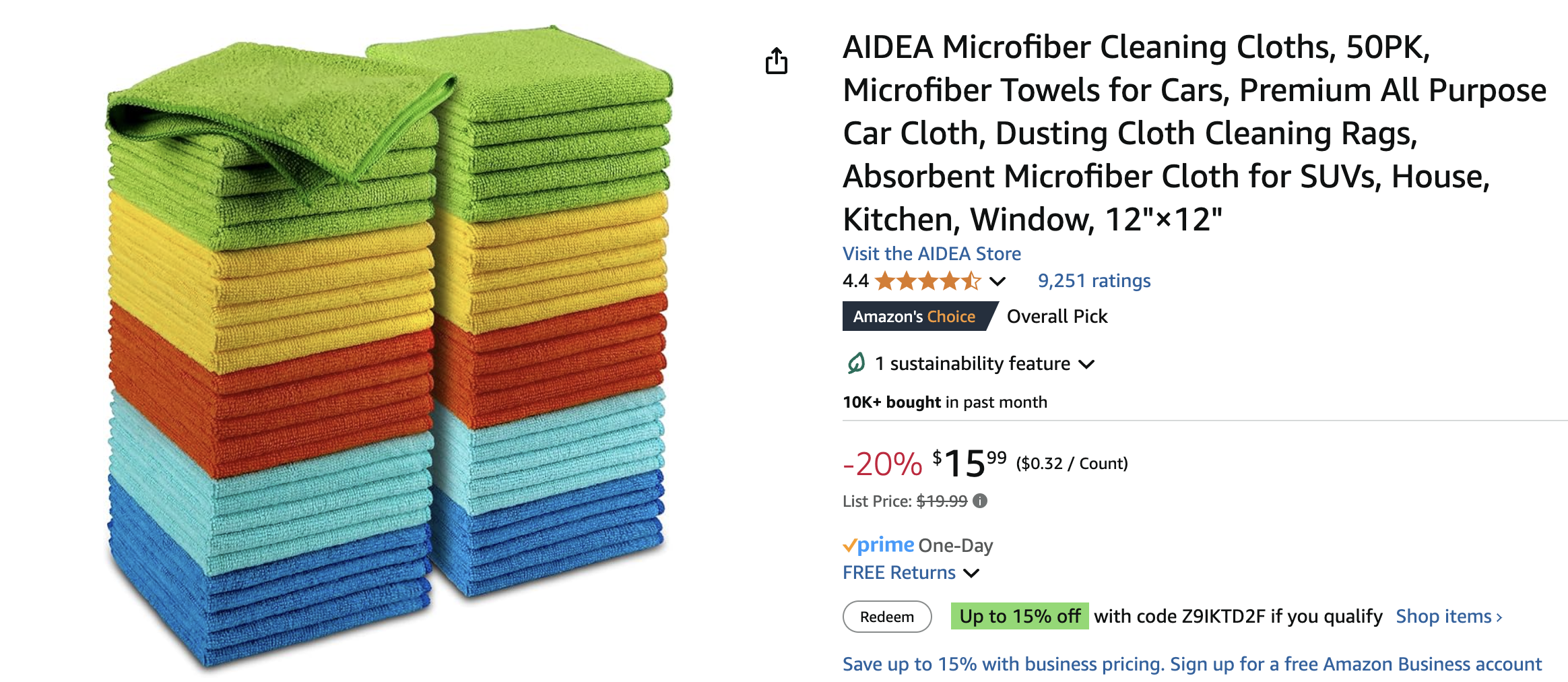
Once all legal and management issues are resolved, it's time to start investing in the tools of your trade.
The general tip here is to invest in quality over quantity. Durable, high-quality equipment, although more expensive, will last longer and perform better.
You can also offer a differentiator for your business and invest in eco-friendly options, such as biodegradable sponges and reusable microfiber cloths. Sustainability is a growing trend, and modern homeowners not only appreciate this but may favor companies that invest in sustainability.
Here are some of the basic cleaning products that your business will need on a daily basis:
- All-purpose cleaner
- Bathroom cleaner
- Glass cleaner
- Disinfectant spray
- Floor cleaner
- Carpet cleaner (if offering carpet cleaning)
And to use with the products, cleaning tools are needed, such as:
- Microfiber cloths (various sizes and colors)
- Sponges
- Scrub brushes (various sizes and types)
- Toilet brush
- Dusters (feather, microfiber)
- Mop and bucket
- Broom and dustpan
- Squeegee
To ensure that the cleaning work is optimized and safe (and that you’re less tired at the end of the day), buying good cleaning equipment is a good idea, such as:
- Vacuum cleaner: A reliable vacuum cleaner with attachments for different floor types and upholstery.
- Cleaning caddy or cart: To transport supplies, leaves, or anything else.
- Ladder: For reaching high areas.
- Rubber gloves: For hand protection.
- Protective gear: Safety glasses and a mask, especially for cleaning chemicals
- Steam cleaner: Can be helpful for deep cleaning and sanitizing.
- Carpet shampooer: If specializing in carpet cleaning.
- Pressure washer: For outdoor cleaning services.
8. Set the right pricing model for your services
Setting the right prices for your services requires a balance between competitiveness and profitability. One good pricing strategy is offering tiered service packages. A basic cleaning package might include dusting and vacuuming, while a premium package could add deep cleaning and window washing, for example.
You don't want your prices to be too high to drive away customers, nor too low to eat into your profits. So start by analyzing your costs, including supplies, travel, and labor—if you have employees consider their salary as well. Research what competitors are charging and consider the value you provide.
- Ecommerce pricing strategies used by the experts
- What is a premium pricing strategy? Everything you need to know about when and how to implement premium pricing
9. Develop a marketing strategy
Word of mouth can be a great way to attract customers organically, but no matter how good your business is, it will never reach its full potential without a good marketing strategy.
Invest in advertising materials such as magazine ads, business cards, or local flyers. Create accounts on social networks such as Instagram and Facebook. You can generate a lot of engagement on these platforms. Many service companies even invest in humorous shorts on sites such as YouTube, which is a great way to attract traffic, customers, and profits.
10. Hire and train staff if necessary
If you plan to expand your business and increase your staff (even if it’s just you working alone and getting help), you need to set up a training plan for new employees.
Whether they’re part of your team that will clean houses, or if they’re employees who will be working in other roles, such as customer service, make sure you give them all the support and training they need to ensure their work meets your company’s quality standards.
11. Monitor and scale your business
A good practice is to monitor key metrics such as customer acquisition, retention rates, and financial performance. You can use this type of info to make informed decisions, fix any operational issue with your services, and improve your brand much more efficiently.
As your business grows, consider expanding your services. This could involve offering additional cleaning options, or even branching into related services like home organization.
Starting a home cleaning business involves planning, dedication, and constant improvement. But if you try to offer the best service possible, always innovate, and dedicate yourself to improving, you can build a brand that, more than just a successful venture, can be a true respected family business for generations.
Launch and grow your cleaning business with Whop
Starting a business from scratch can feel overwhelming. Between taking bookings, handling payments, promoting your services, and building trust with customers, it’s hard to know where to begin.
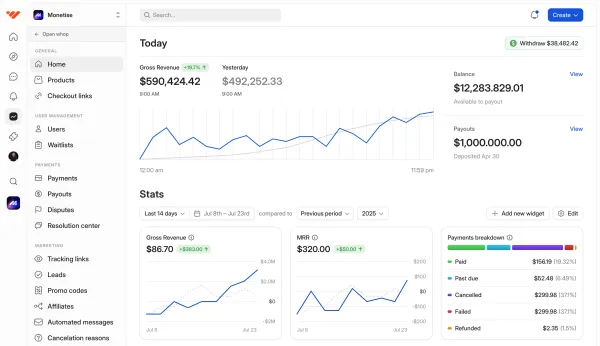
That’s where Whop comes in. With your own whop, you can run your cleaning business from a single hub — taking bookings, processing payments, sharing testimonials and before-and-after photos, and posting announcements to keep clients in the loop.
Whop is already home to thousands of entrepreneurs, and now it can be home to your business too. Create your whop, showcase your services, and start growing your cleaning brand today.
How to start a home cleaning business FAQs
The frequently asked questions about how to start a home cleaning business.
Do I need formal training to offer cleaning services?
No, you don’t need any formal training to provide cleaning services. However, certain cleaning equipment and more advanced procedures do require some prior experience for safety reasons, like window cleaning services for tall buildings, for example.
How much does it cost to start a home cleaning business?
Startup costs are relatively low compared to other businesses. Basic supplies and equipment may cost a few hundred dollars, while licensing, insurance, and marketing can bring total startup expenses to around $2,000–$5,000. Costs rise if you invest in a vehicle, premium equipment, or hire staff right away.
Do I need a license or insurance for a cleaning business?
Yes, most locations require at least a general business license. Liability insurance is also highly recommended to protect you in case of accidental damage or injury on the job. Some states or cities may have additional regulations, so always check local requirements before starting.
How do I find clients for my cleaning business?
Start local — word-of-mouth, flyers, and social media groups can help you land your first clients. Listing your services on platforms like Whop makes it easy to showcase testimonials, share before-and-after photos, and manage bookings and payments all in one place. As you grow, referrals and repeat customers will become your biggest source of income.