Discover the strangest products people actually buy online, from AI companions and cursed PNG packs to hyper-niche guides and digital spells.
Key takeaways
- Micro-niche digital products succeed by offering personalized meaning, connection, and amusement to specific audiences willing to pay for feeling seen.
- The stranger and more specific your digital product idea, the more likely it resonates with a devoted audience ready to buy.
- Creators monetizing absurdity—from AI companions to cursed PNGs to hyper-specific guides—are building profitable micro-businesses on platforms like Etsy and Gumroad.
Angela spends seventy bucks a year on her AI boyfriend - a pixelated version of her soon-to-be-ex. Unlike her husband, this digital fantasy doesn’t demand emotional labor, and instead dishes out reassurance, companionship, and a strangely effective buffer against heartbreak. In her Harper’s Bazaar essay, she admits this online purchase picks up the emotional burden she once carried.
And she’s not the only one.
According to Market Clarity (2025), more than 100 million people around the world use personified AI companion apps. The internet has quietly become a marketplace for the surreal - a place where you can buy comfort, identity, distraction, meaning… or at least something that feels like it.
It’s not just AI boyfriends. People are paying for digital shrines, cursed PNG packs, micro-niche guides and even hyper-specific playlists. Products no one technically needs, but millions pay for.
Weirdness is a currency. And business is very, very good.
The rise of micro-niche digital products
For the first decade of the internet, digital products were, for lack of a better term - normal. Ebooks. Online courses. Lightroom presets. Templates. Things your grandma could understand, and your mom could use.
Then something changed. Thanks to TikTok’s algorithmic domination and Gen Z’s commitment to irony as a lifestyle, digital products started shifting shape. They got weirder, more specific, more unserious - and yet at the same time, more profitable.
Today, the internet is full of micro-niche products that are at the same time art, meme, therapy prop, and 'why did I just spend $7 on that?'
But guess what?
They sell.
Here are eight of the strangest categories thriving online right now:
8 of the strangest products you can buy online
1. AI boyfriends & emotional support characters
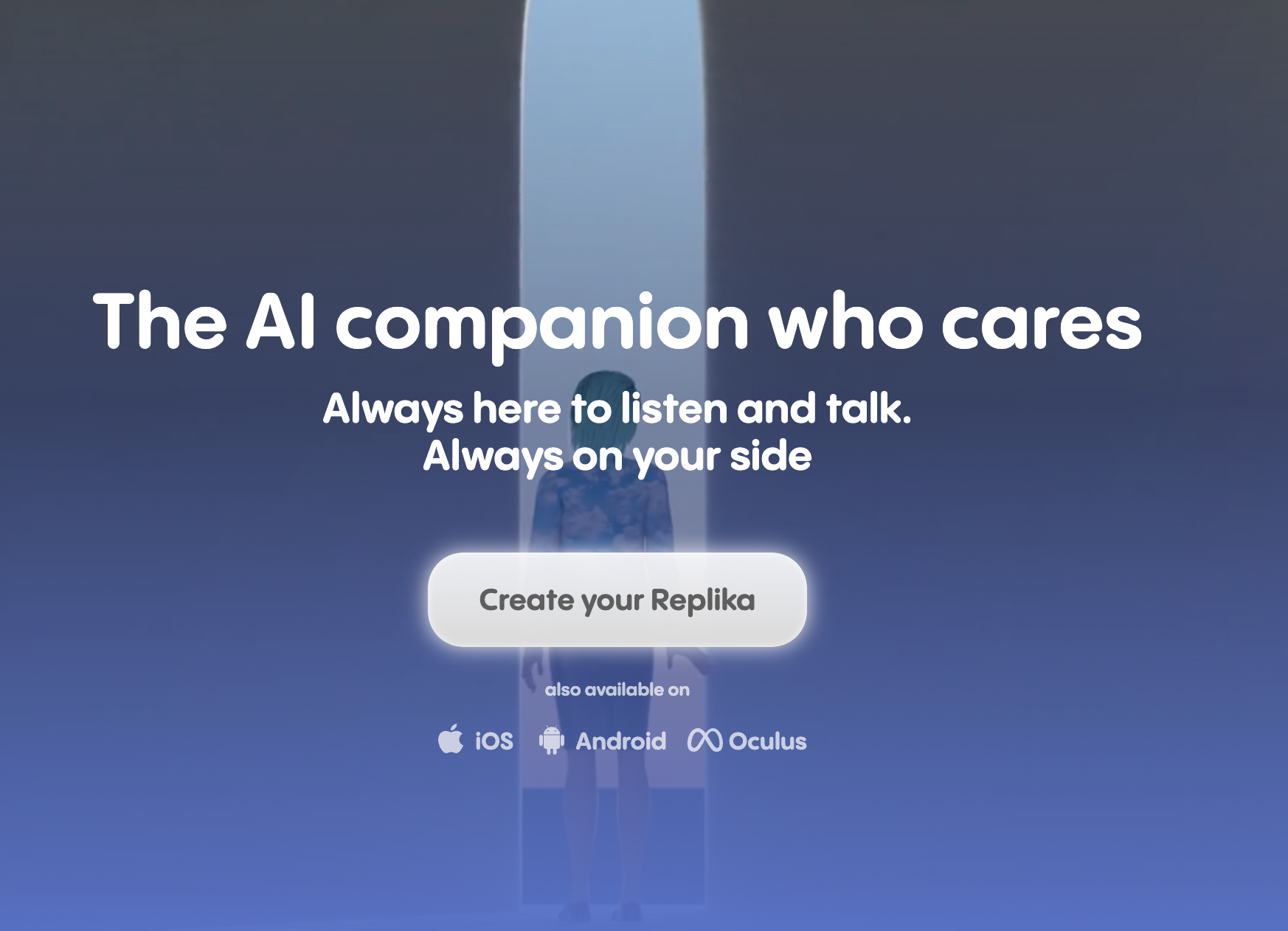
People like Angela are buying companionship online with AI products. Apps like Replika charge around $69.99 USD per year for a premium romance subscription, and millions are signing up.
There are roughly 337 active, revenue-generating companion apps worldwide, and the top apps alone have been downloaded more than 220 million times. As we live more solitary lives online, disconnected from the real world, people are hungry for connection and a friend (or lover) who never judges - even if they aren't real.
The AI companion market is already worth $28.2 billion, and is projected to grow at a 30.8% CAGR through 2030.
2. Digital shrines & altars
Yes, they’re a thing now. People are literally building tiny, sacred spaces on their screens: Notion pages, Pinterest boards, or VR 'temples' dedicated to their favorite fictional characters, memories, or spiritual practices.
For the buyers, these digital spaces are as real as the physical ones. As one Redditor put it, "Just because it’s not made of physical stuff doesn’t mean it’s not worship.”
So now, creators are turning these into micro-businesses. Projects like Digital Altar’s New Gods: The Ancestral Mosaic let users own vivid AI-powered shrines as NFTs.
Digital altar and shrine elements are selling at anywhere from $3-$35 each.
3. Cursed PNG packs & meme GIF bundles
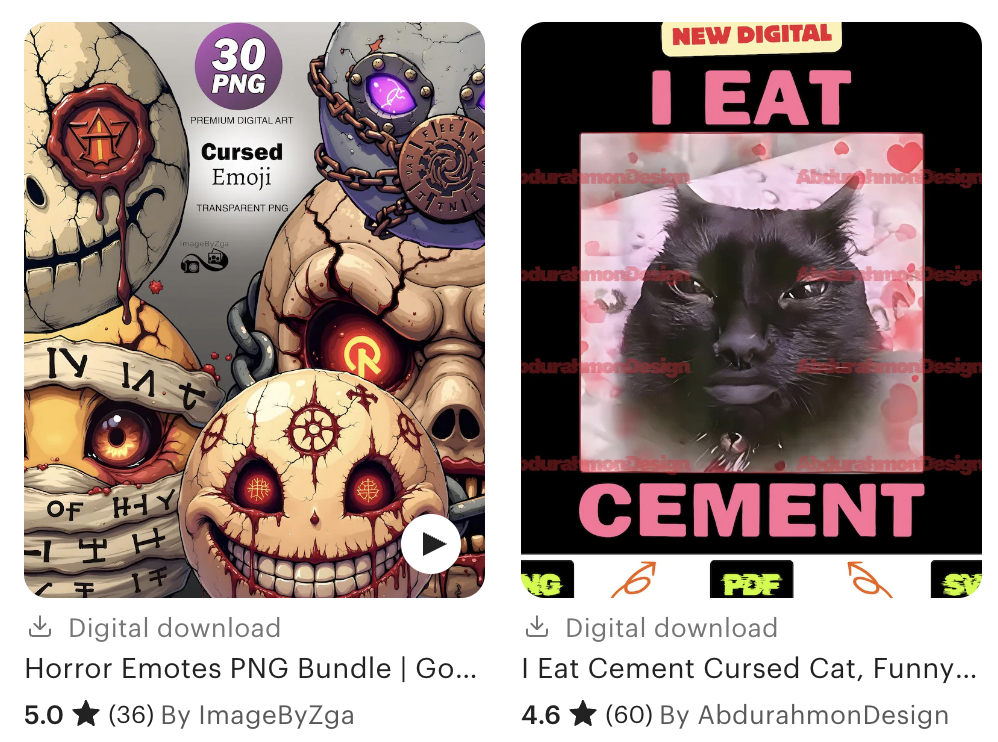
Strap in guys, we are getting weirder. People are buying packs of cursed PNGs and meme GIFs - aka chaotic or ugly images meant purely to troll or make things look delightfully off.
It's the same meta as AI slop - these products are deliberately designed to feel 'wrong' in exactly the right way.
Why does this exist? Because meme culture has mutated into an asset class. The larger NFT collectibles market - which includes everything from avatars to games to meme snapshots - is expected to hit $77.3 billion by 2030. Meanwhile, the AI GIF generator market (the tech that helps create these weird meme assets) is already worth $583 million (2024)
Platforms like MemesMarket let meme artists mint their content as NFTs, giving collectors a reason to pay for files that are purposely chaotic or sarcastic. And outside of the blockchain, people sell curated meme packs as downloadable bundles to use in videos and online chatrooms.
4. Hyper‑niche guides & templates
These are not your typical productivity guides. I'm talking about tiny PDFs and digital guides like 'How to Survive a 3‑Day Weekend Alone', pixel-art chore organizers, or mood trackers for very specific emotional states. Some are aesthetic, some are practical, and some just for a laugh. But all feel deeply personal, and are easy impulse-buys at 2am.
Case and point: check out thing tiny digital zine called 'How to survive a cringe memory'. It sells for $10.
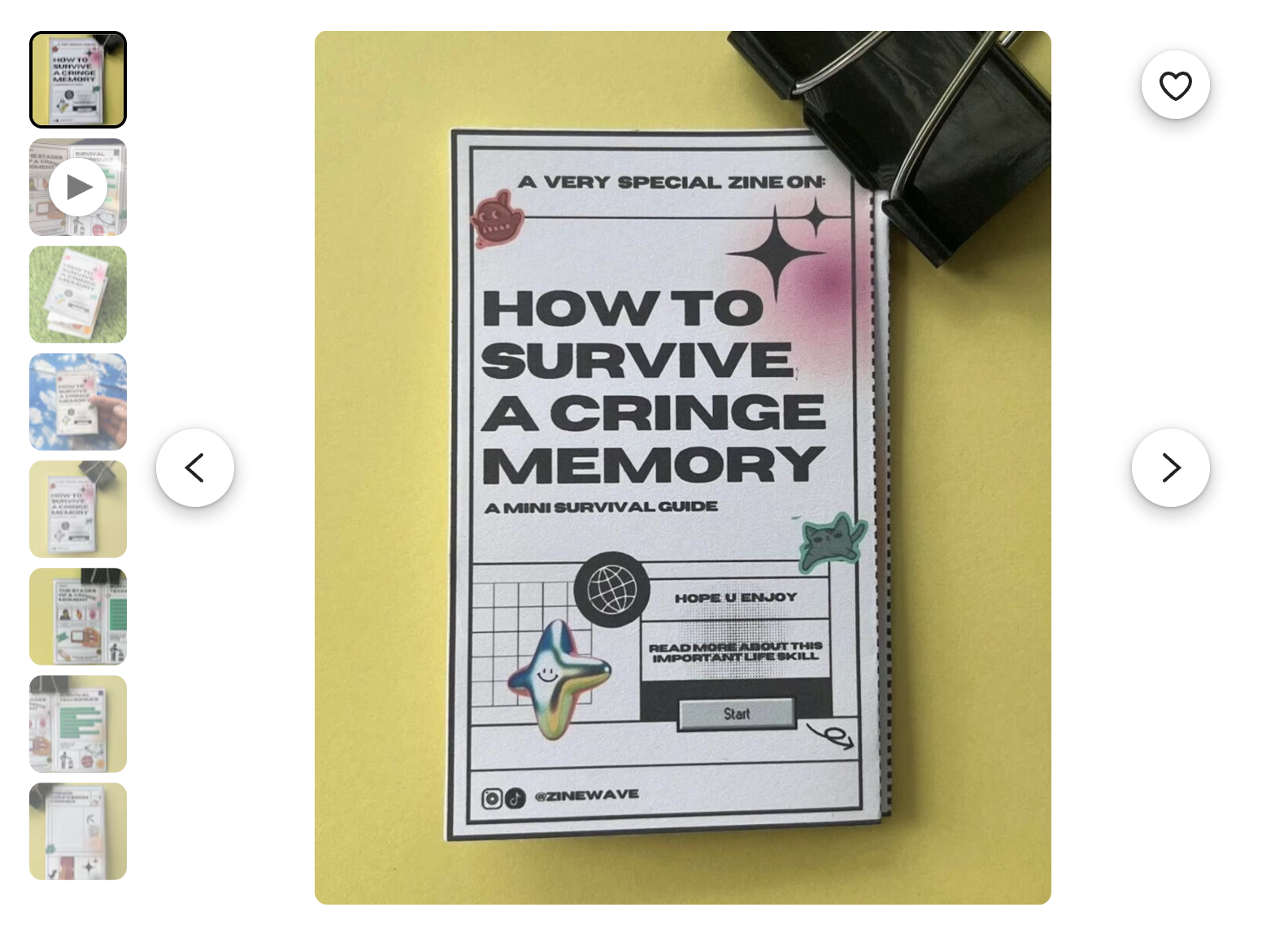
The same creator also sells a mini-guide titled 'How to argue with a toddler'.
Creators are turning this obsession with the ultra-specific into micro-businesses. Etsy and Gumroad are full of these guides, sold for as little as $5 to $20 each, and some digital planners and Notion templates pull in $10,000 - $20,000 per month for top sellers.
Buyers love them because they’re customizable, visually appealing, and give a sense of ownership over their daily routines - plus, they’re shareable enough to flex online.
5. Micro‑merch bundles
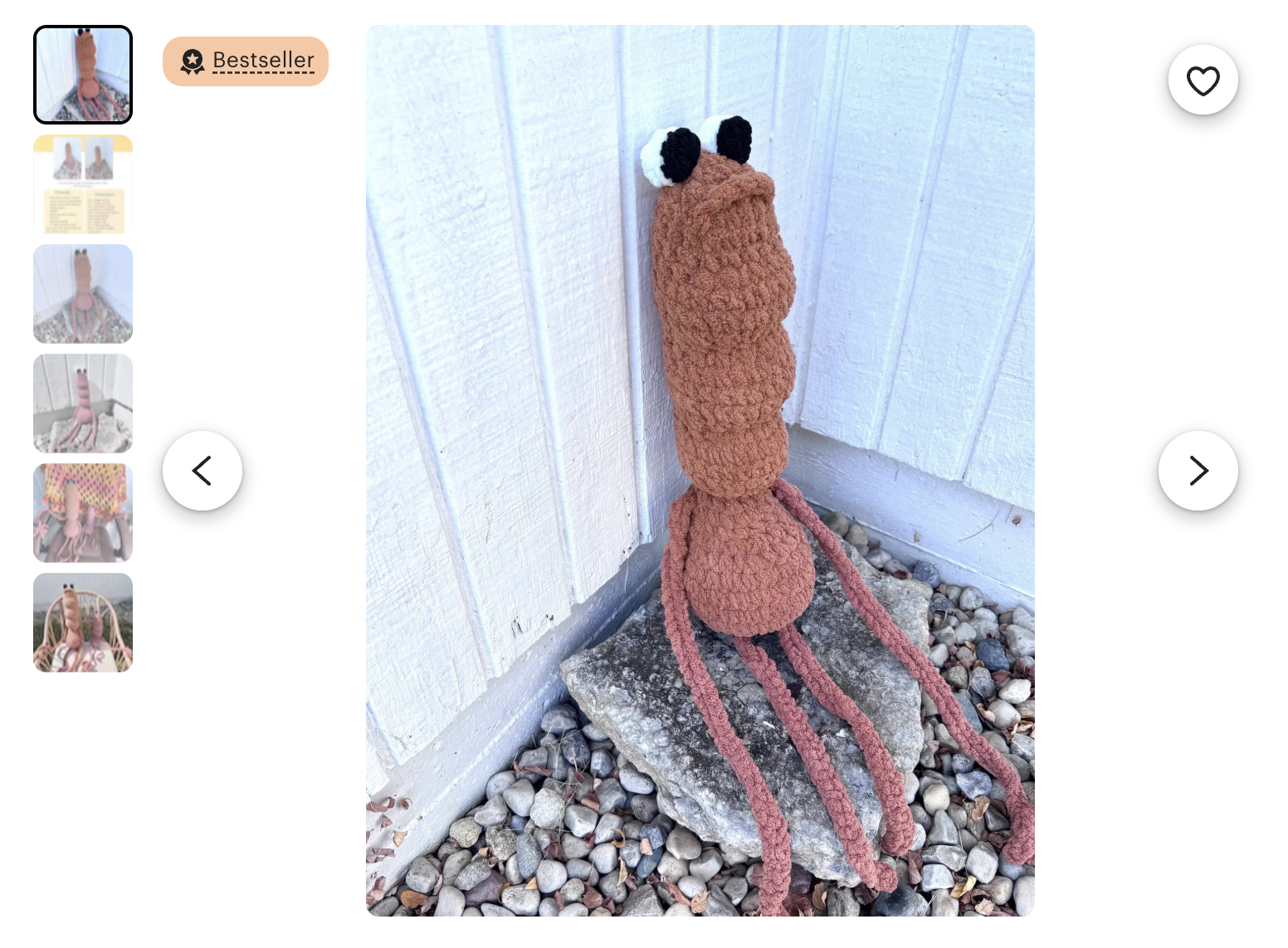
Here, the absurdity gets practical, with downloadable digital items that fans can collect, print, or craft into something they can hold. People are buying crochet templates for internet characters - like Marcus the Worm (above) - as well as digital sticker packs.
Sellers can make hundreds of sales per month - this Marcus the Worm crochet pattern has made the creator over $700 so far, and accounts for only 10% of her sales.
Buyers love DIY merch assets because they’re low‑commitment, customizable, and shareable, so they can flex their fandoms and aesthetics at a low cost.
6. Oddly specific playlists & audio mood kits
Now, you can’t exactly download a playlist the way you’d buy a PDF. Spotify doesn’t work like that. But that hasn’t stopped people from monetizing feelings.
Instead of selling the playlist itself, creators now sell playlist curation - hyper-specific, feelings-heavy audio experiences built for oddly precise emotional states.
This could be a 'playlist for your situationship recovery arc', or 'songs for when you’re walking home from the train and feeling unnecessarily cinematic' - or, like the playlist above, 'it's 1am in your hometown parking lot'.
While you could just use one of the millions of existing Spotify playlists, buyers are looking for something more personal. So, they pay for custom commissions or 'audio mood kits'. Buyers pay anywhere from $8 to $65 for someone with better taste (or better levels of delusion) to curate the exact emotional arc they’re currently going through.
7. Fortune-telling, digital tarot, spells & hexes
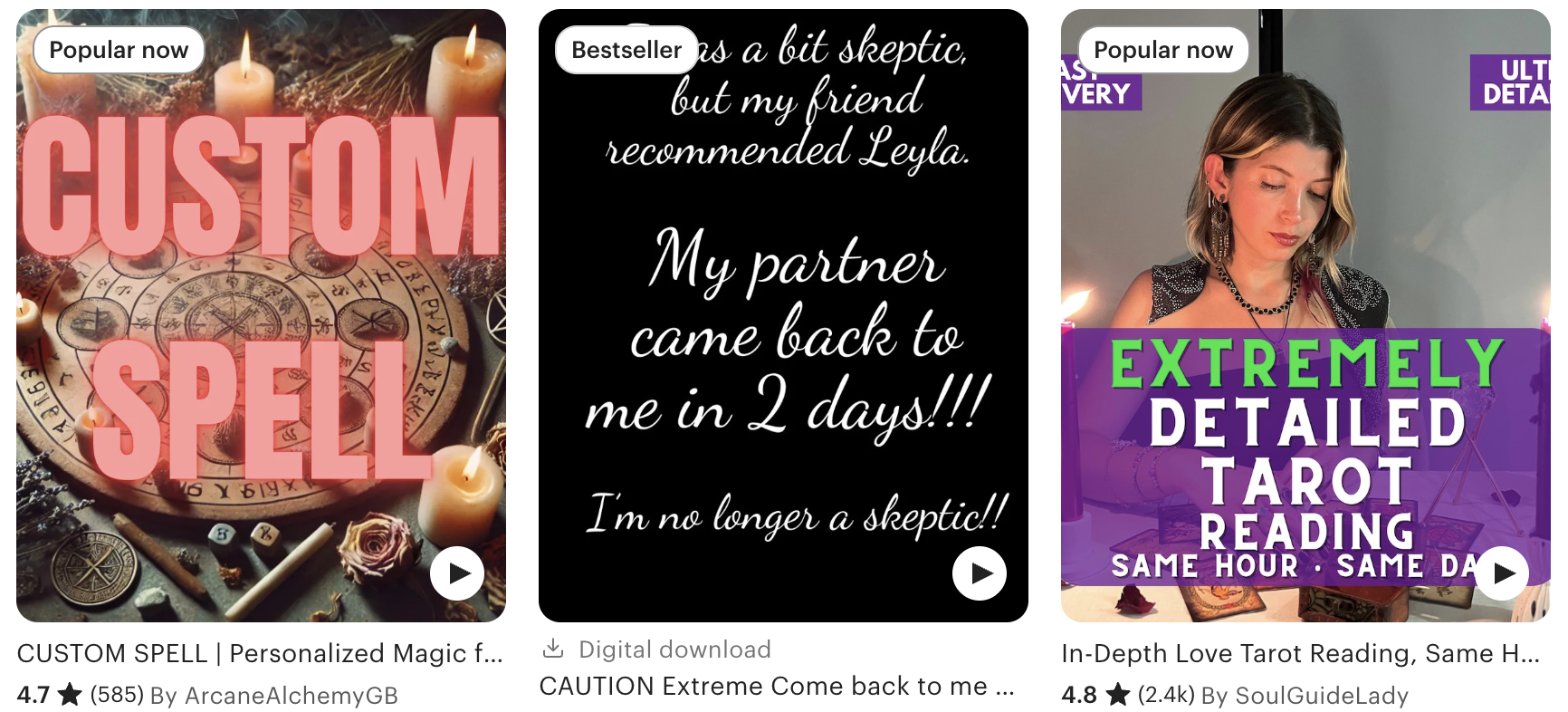
Digital divination has quietly become its own micro-economy. People pay for personalized tarot readings, astrology PDFs, and even spells delivered instantly as downloadable files or PDFs.
These micro-products are part of a much bigger spiritual-tech boom: the global spiritual goods and services market (tarot, readings, rituals, crystals) was valued at around $178.9 billion in 2024, with projections rising to $255.5 billion by 2033.
The online psychic reading segment, which includes digital tarot and astrology services, is estimated at $2.48 billion in 2024, growing toward US$5.0 billion by 2035. And, the 'digital tarot cards' sub‑segment alone could be worth around US$1.3 billion, growing steadily by 7.2% CAGR through 2028.
Sellers on digital platforms offer tarot decks, astrology PDFs, custom spells, and hex packs, usually priced between $5 and $250, depending on the level of customization.
8. IRL trolling services
Not all weird internet purchases live online, some of them show up on your (or rather, your enemy's) doorstep. There’s an entire mini‑industry built around sending a confusing message to people who’ve annoyed you, hurt you, or simply breathed wrong on a Tuesday.
Take glitter‑bomb services, for instance. Companies like ShipYourEnemiesGlitter went viral for mailing envelopes that explode when opened, so the receiver will still be finding glitter in their carpet three years later. They became so popular that the original site sold for over US$85,000 on Flippa.
Then there are the novelty prank delivery services, like PoopSenders (real, unfortunately) which ships anonymous animal poop for $19.95. And multiple Etsy sellers ship 'mystery revenge boxes' filled with obnoxious, squeaky, or repetitive items meant to irritate someone to no end.
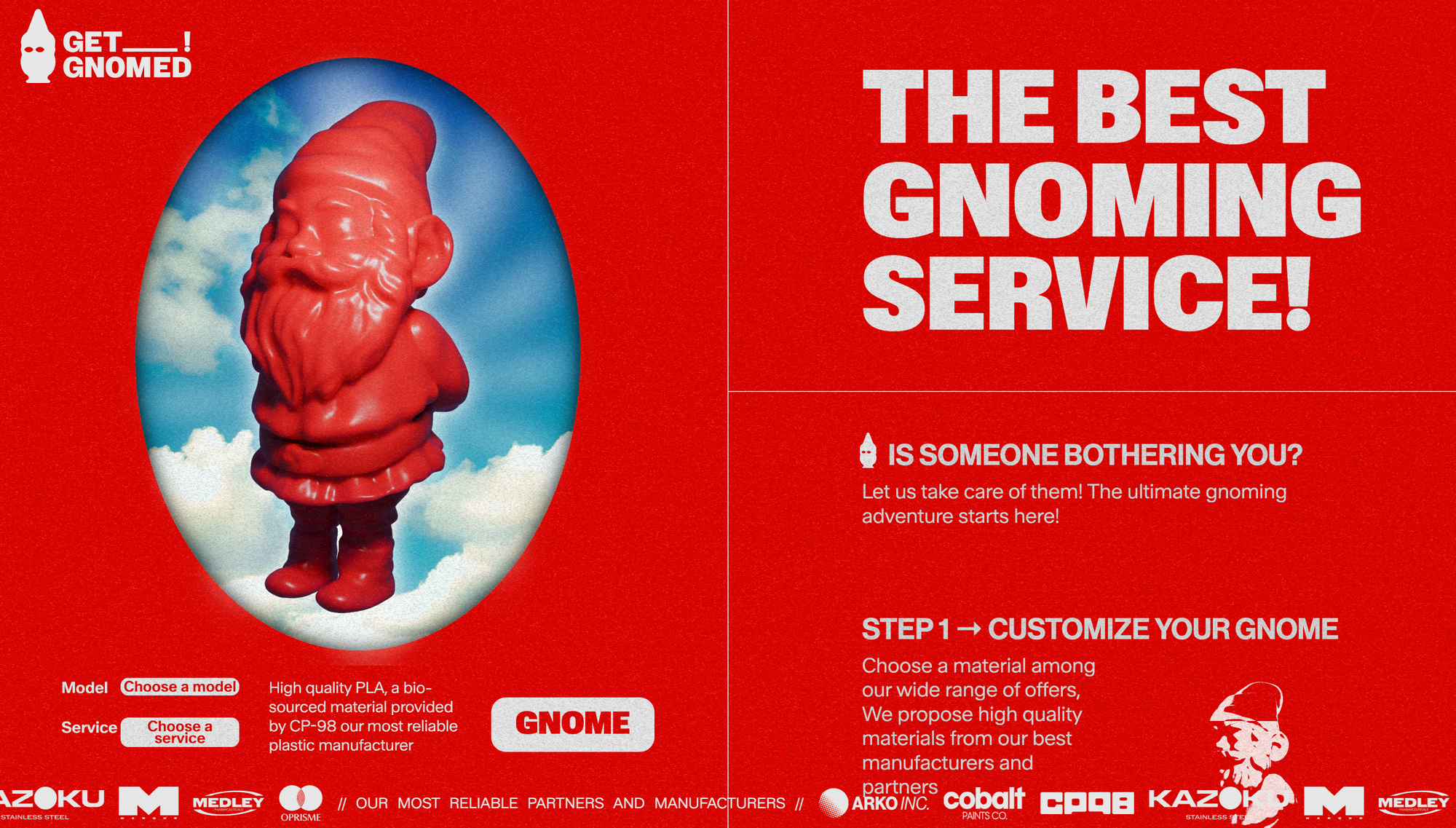
And if you go a layer deeper - into the slightly darker corners of the internet - you’ll find services like 'gnoming', where you can pay a stranger to place dozens of garden gnomes across someone’s lawn overnight.
Why people pay for the absurd
It's easy to shrug and call these products 'silly' or 'pointless.' But that would miss the point entirely. These products exist because we want the absurd, the hyper-specific, and the ironic. They make people feel seen, connected, or entertained in hyper-specific ways.
People buy to join a joke, show off their taste, or claim ownership over digital rituals - whether that’s a downloadable tarot deck, an AI companion, or a custom sticker pack.
Basically, these products succeed because they give people meaning, amusement, or companionship that feels personal, even if the world at large wouldn’t understand.
And the creators who understand that are the ones who are cashing in.
However weird your idea, monetize it with Whop
The internet has proven one thing: if people want it, they’ll pay for it. Whether your idea is strange, hyper-specific, or completely vanilla, there’s an audience waiting.
Whop hosts everything from niche offerings like Labubu collector-club access and Fortnite-map mentoring, to more traditional products like ebooks and online coaching.
You can set up your online store on Whop and start selling with $0 upfront, giving your idea - weird or not - a chance to find its audience, completely risk-free.