Click here to read our detailed rundown of the top 18 alternatives tailored for creators. Compare features, fees, and find the best fit for your content strategy.
Key takeaways
- Patreon lacks discoverability features, making alternatives essential for creators still growing their audience.
- Different platforms suit different needs: subscription models, one-time donations, crowdfunding, or full e-commerce solutions.
- Many alternatives offer lower fees, flexible payment options, and features Patreon lacks like tipping and digital product sales.
If you've got an online audience or community of any sort, chances are you've heard of Patreon. It's one of the trailblazers when it comes to direct engagement between content creators and their followers, so you shouldn't be surprised to know that there are now plenty of Patreon alternatives on the market.
So, whether you're a Patreon user that's looking for a change or a creator seeking the best way to engage with your community, this guide is for you! We'll look into some of the reasons you should be considering alternatives to Patreon, eighteen contenders for the throne, and even the best options for Youtubers and Podcasters—so read on!
What is Patreon?
Patreon is a website often categorized as a membership platform. It lets content creators bring in an additional stream of revenue by providing various sorts of exclusive content in exchange for a membership or subscription fee.
The sort of content that creators may offer can differ widely, ranging from exclusive or additional content, increased access to the creator or their Discord community, live streams, Q&As, physical merchandise, and much more.
Patreon is also different from traditional crowdfunding sites in that it’s set up for recurring funding. Named after the concept of patronage, meaning support of the arts through financial donations, Patreon is meant for creative projects rather than personal use but has few limits and even allows creators to designate projects as not safe for work (NSFW).
Patreon offers different pricing tiers that take different donation percentages, and creators have to weigh up whether the advanced features of higher tiers are worth the cut that they pay the platform. All tiers also use a third-party payment processor, which can also incur additional fees.
The need for alternatives
Patreon is probably the best known membership platform or subscription site out there, but that’s not to say that it’s perfect for you as a content creator. In fact, there are a lot of reasons why Patreon might actually be the wrong choice for you and may even be holding you back.
For one thing, Patreon won’t add much if you’re still looking to grow your audience. Established names can drop onto any platform and magic up a following with a simple announcement on socials, but discoverability is a key feature that’s missing on Patreon. Some of the top alternatives allow visitors to discover you, thereby aiding you in growing your audience and revenue.
Patreon is also extremely rigid in several of its practices. The site only features the subscription model, which, while effective, locks you out of getting those one-off donations or tips that some people are more comfortable giving.
On top of that, Patreon has also courted controversy for censorship, banning certain influencers as well as an NGO account. Whether Patreon’s actions and content policies are justified or not, many other platforms tend to be more open to content as long as it’s legal and of a certain standard of quality.
Top 18 Patreon alternatives
In order to choose a Patreon alternative, it’s a good idea to compare some of the platform’s features against Patreon. It’s also good to look at fees that either charges, along with a comparison of user interfaces. The sorts of pricing models offered may also be a key differentiator, with consideration paid toward whether you’re looking for tips, monthly subscription fees, or one-time lump sums.
🥇 1. Whop.com

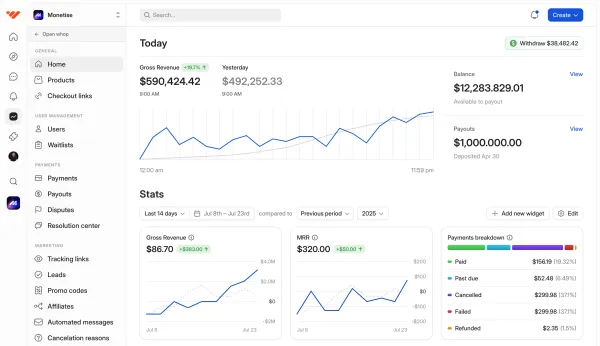
Whop is a one-stop-shop for all sorts of digital products, including downloadable software, courses, Discord communities, web apps, and exclusive content. It’s a marketplace with fantastic discoverability and allows content creators to get their name out fast.
Content is manually approved to ensure quality, and the platform offers membership options to allow you to deliver content tailored to your tiered audiences. Whop has well over 2,000 active sellers with close to 2 million memberships and counting, and over $113 million paid out to creators.
Whether you’re a musician, writer, freelancer, influencer, course creator, educator or simply looking to crowdfund, Whop.com is very likely to be a compelling option for you.
Whop.com pros and cons
- Sell any sort of digital product including web apps, software, or community access
- Flat fees so you don’t pay out a large amount of your revenues
- Diverse payment options including Google Pay and Apple Pay
- “Dispute Fighter” tool for easier payment dispute resolution
- Easy integration into your own website
2. Ko-fi
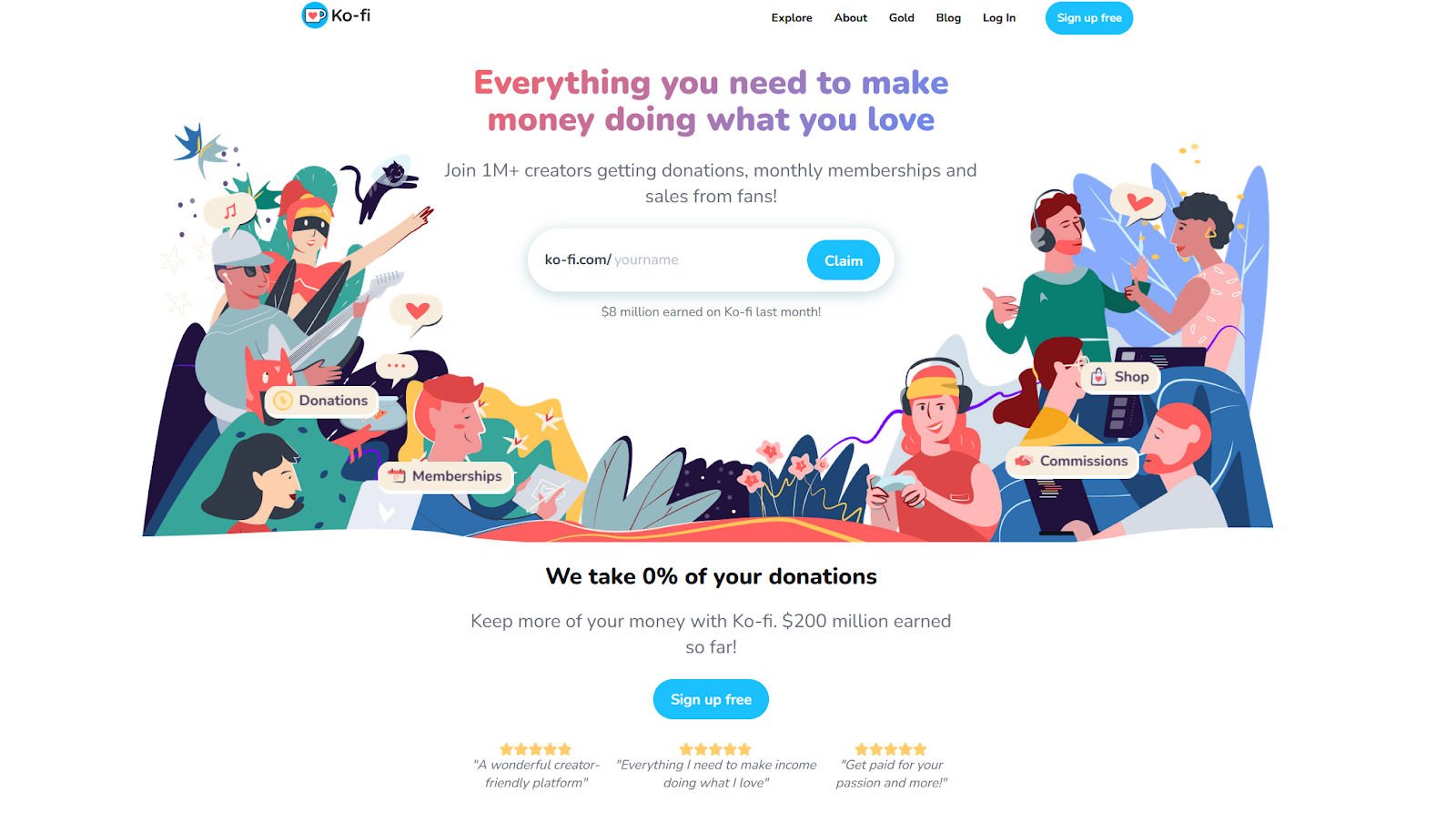
Ko-fi has been around for a decade, which is a testament to its simplicity and robustness as a membership and tipping platform. As a content creator, you can create a portfolio to show off your work and allow people who enjoy it to donate a small amount, pay for subscriptions, and even commission you to create a custom or bespoke piece of content.
Just like many other similar platforms, Ko-fi offers content creators different usage plans. Ko-fi Gold will give you access to tools like analytics and ad-free pages which can be crucial for taking your earnings to the next level. This service is paid for, but Ko-fi is otherwise free to use, with premium features offered either for a low price or a percentage of revenue earned.
Ko-fi pros and cons
- Can accept one-time payments, donations, and commissions
- Offers marketplace for digital downloads as well as physical products
- Mechanisms for content discovery
- Free if not purchasing Gold status
- No membership tiers or gated content
3. Podia
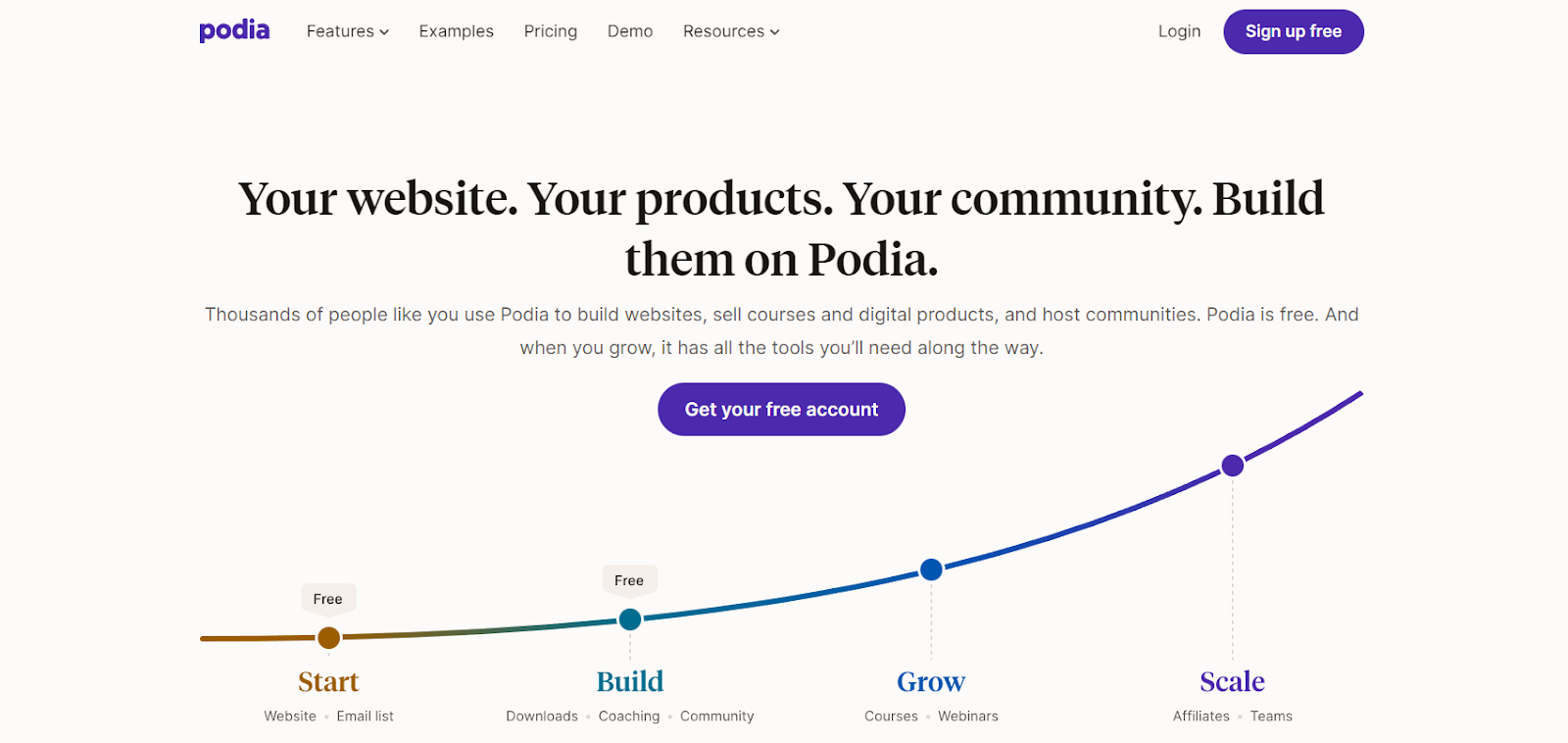
Podia is a Patreon alternative with a more robust set of features, marketing itself as an all-in-one solution where creators can sell all sorts of digital products from digital downloads to webinars and courses. It has plenty of marketing features that creators desire, but all of those bells and whistles can make it slightly harder to use than simpler platforms of its type.
Podia is high on this list because it offers creators the chance to take full control of their community and memberships, along with complete customization of plan tiers and reward structure.
Podia pros and cons
- No transaction fees levied on creators
- Unlimited access to product categories or audience
- Gives creators total control
- Complicated to use
- Expensive monthly subscriptions
4. Kickstarter
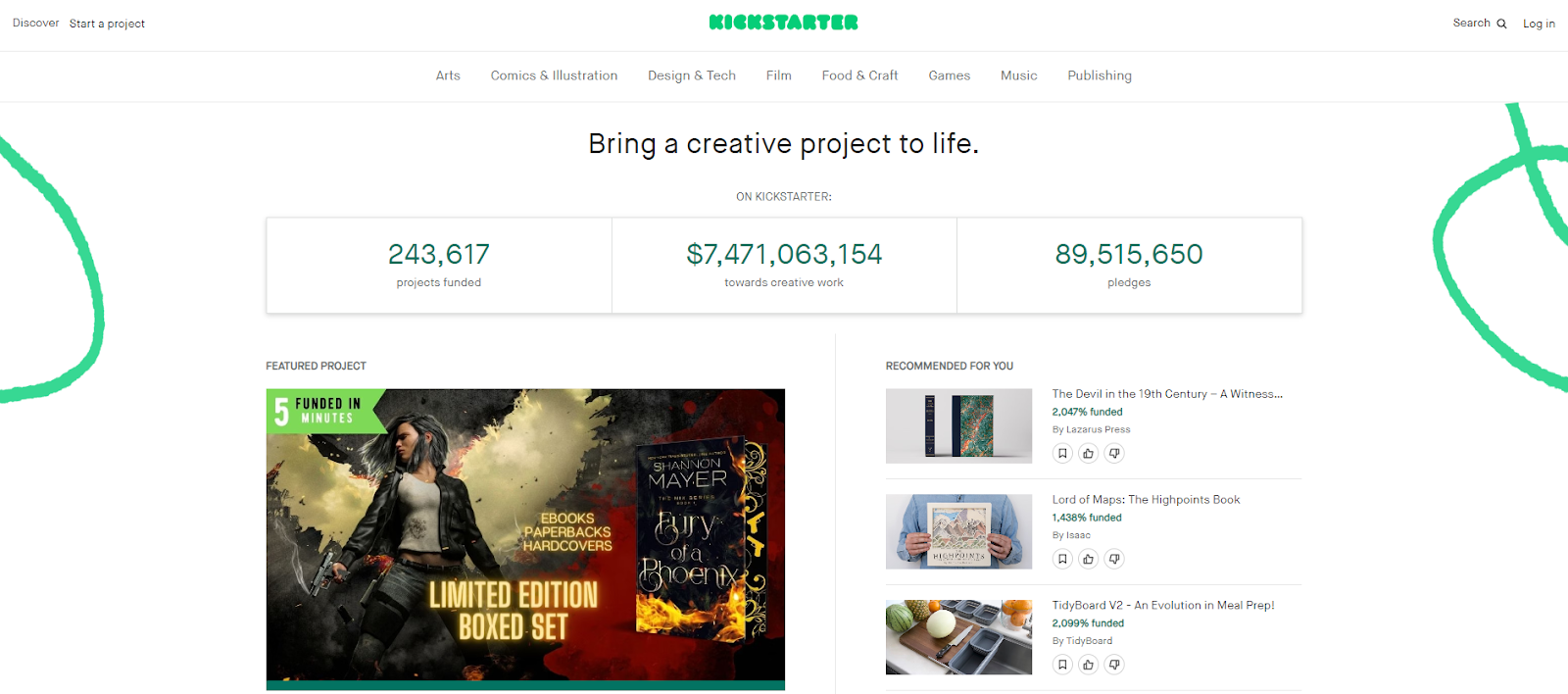
Not a traditional Patreon alternative given that it’s famous for being a crowdfunding platform, Kickstarter is actually quite useful for a lot of creators looking for donations in bigger chunks.
At the end of the day both models provide consumers with some sort of product in exchange for money, so Kickstarter is an established and trusted way to get creative work into the hands of your community.
However, Kickstarter relies on funding goals, which means that you may not earn anything if your campaign doesn’t get funded. The other side of the same coin is the fact that you don’t have to waste the effort if you don’t see any funding flowing in!
It’s also worth noting that projects are screened in a far more exhaustive manner than on platforms like Patreon, so there’s a risk that your products don’t get approval for listing in the first place.
Kickstarter pros and cons
- Well established, trusted platform
- Effective promotional options and tools
- Easy to set up
- Raise funding for project before commencing work
- No options for recurring revenue
- Audience may not be able or willing to pay larger lump sums
5. Indiegogo

Often mentioned in the same breath as Kickstarter, Indiegogo is also great for single projects. However, you have more ways to collect revenue, such as the option to choose a continuing campaign. It also allows you to configure your campaign to keep what funding you raise even if you don’t hit your goal.
IndieGoGo pros and cons
- Powerful and well-supported marketplace
- Earn revenue even without completing funding goals
6. Buy Me a Coffee
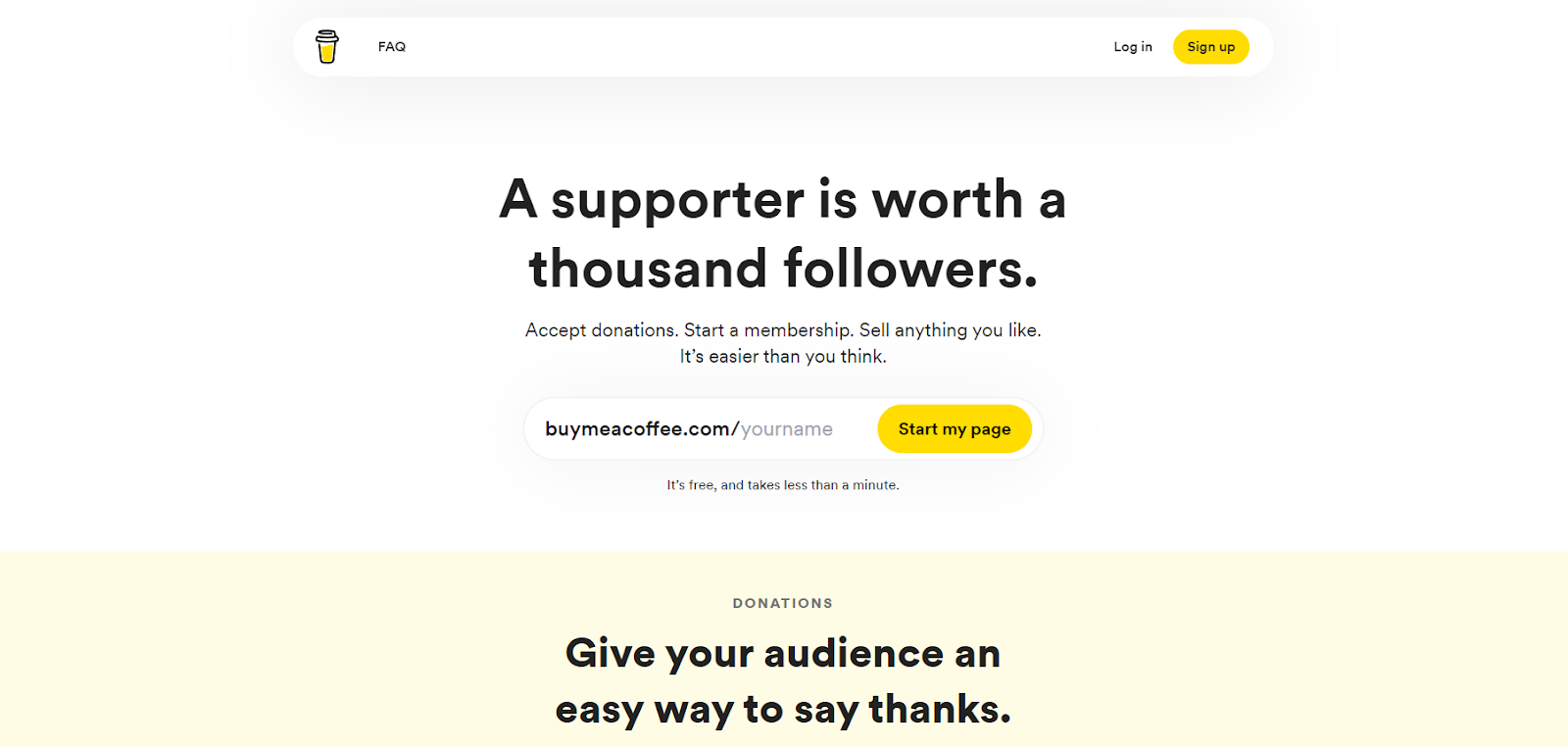
Buy Me a Coffee takes simplicity to the next level, doing only a few things as a Patreon alternative but doing them right. It allows you to accept one-time donations and manage memberships, but crucially removes the demand for regular, active creation of content.
This can make Buy Me a Coffee a great platform if you want to take the occasional break, providing a stress-free, low-commitment way to keep in touch with your community. The way it works is also extremely simple, giving you a custom page on a subdomain that your audience can visit and donate or subscribe to. Importantly, they also don’t need to make an account on the site—they can donate as guests in just one click.
Buy Me a Coffee pros and cons
- Doesn’t require as much commitment as other platforms
- Can accept one time or recurring payments
- No need for audience to create account
- Limited features and no analytics
7. Gumroad
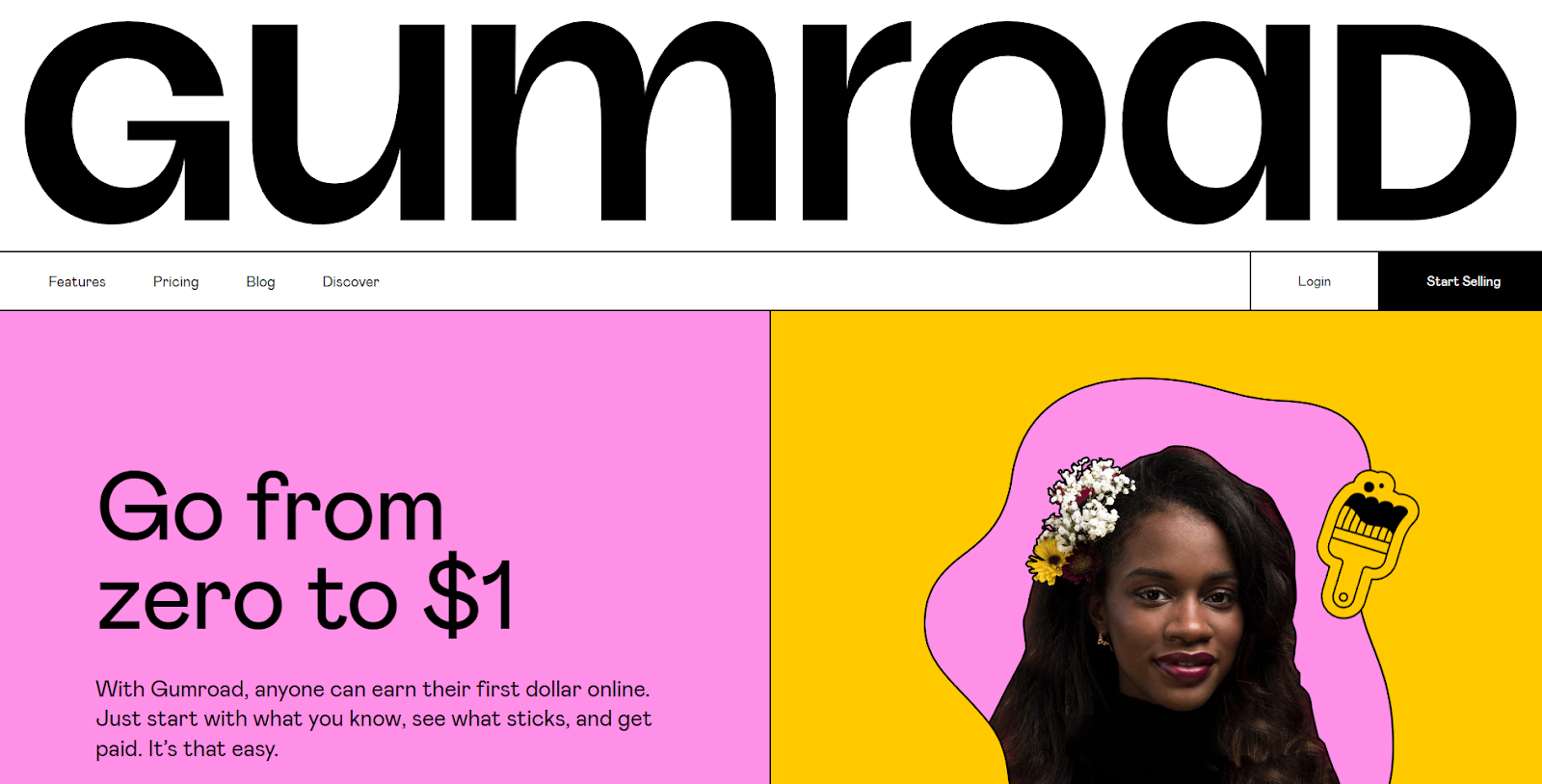
Gumroad is an extremely simple e-commerce platform for creators. It’s become increasingly popular in recent times and allows creators to sell practically anything. This open-mindedness is carried out through the platform, and while an influx of AI-created content has started to muddy the waters a bit, odds are Gumroad will continue to thrive as a flexible creator-friendly platform.
Gumroad pros and cons
- Easy to get started and simple to use
- Free to get started with
- Various payment options including recurring payment plans
- No restrictions on what you can sell
- Has been criticized for inadequate customer support
8. SubscribeStar
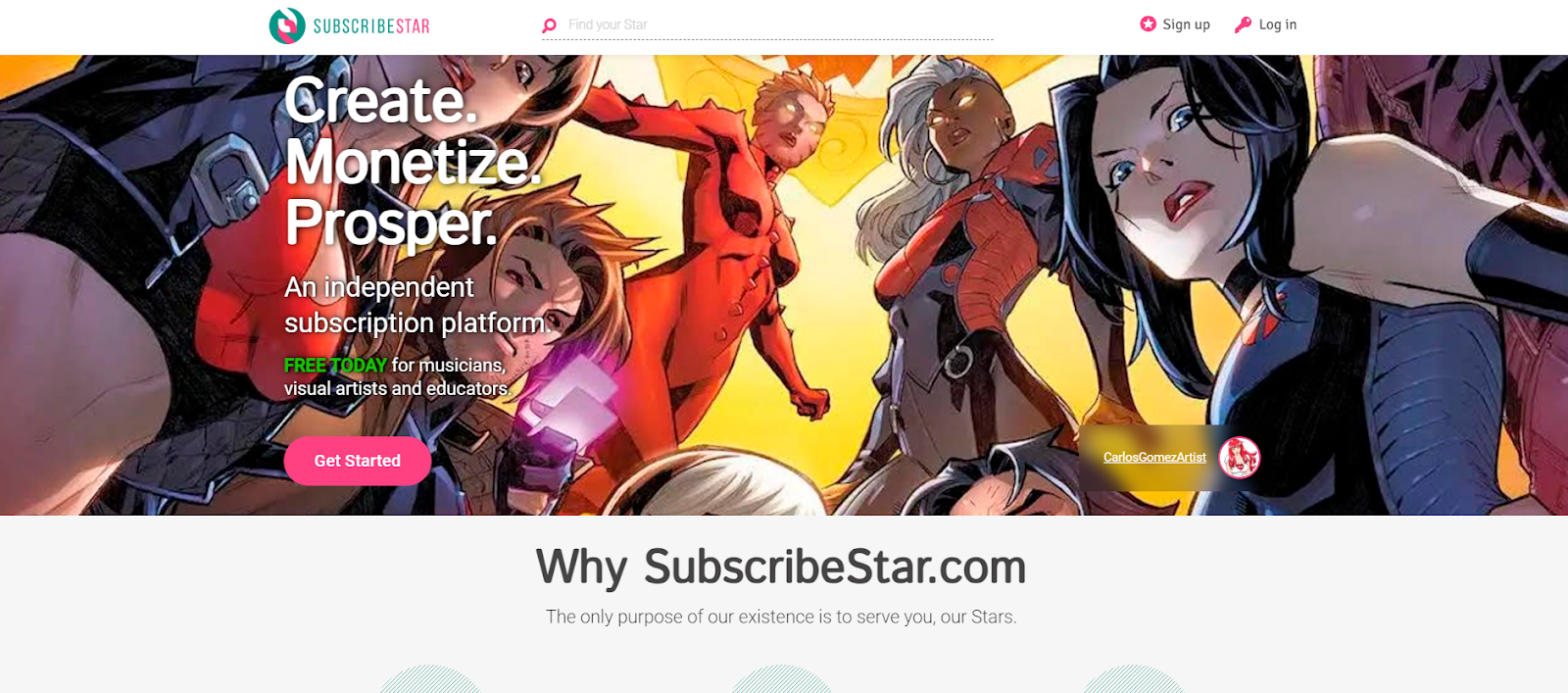
As its name suggests, SubscribeStar is well-suited to creators looking to develop subscription-based revenue streams, and tends to cater toward artists. It also doesn’t impose any limits on the content you sell, and offers creators a robust set of analytics tools to work with.
SubscribeStar pros and cons
- Any content (provided that it is legal) is allowed
- Plenty of analytics tools and data
- Limited payment provider integration
- Has been criticized for payment withdrawal process
9. GroupApp
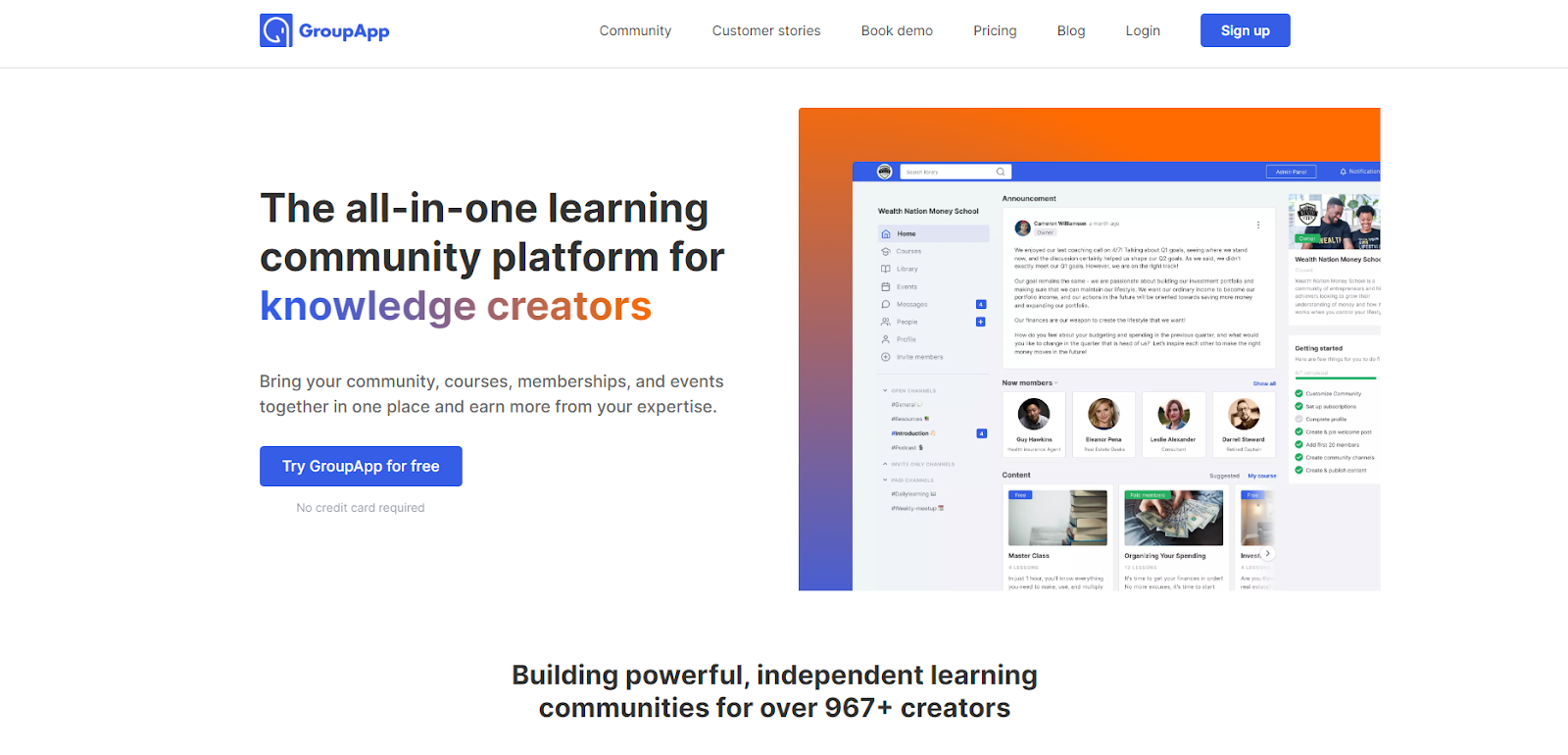
GroupApp allows creators and brands alike to create independent online communities. Focused on memberships and community-building, GroupApp eliminates the reliance on third-party communication and community platforms such as Discord with its own suite. It’s an especially good platform for selling courses, featuring its own course-building tool.
GroupApp pros and cons
- Build and manage community from within the platform itself
- Course builder to create and sell courses easily
- Memberships and tiered options
- Limited availability of payment processors
10. Hyax
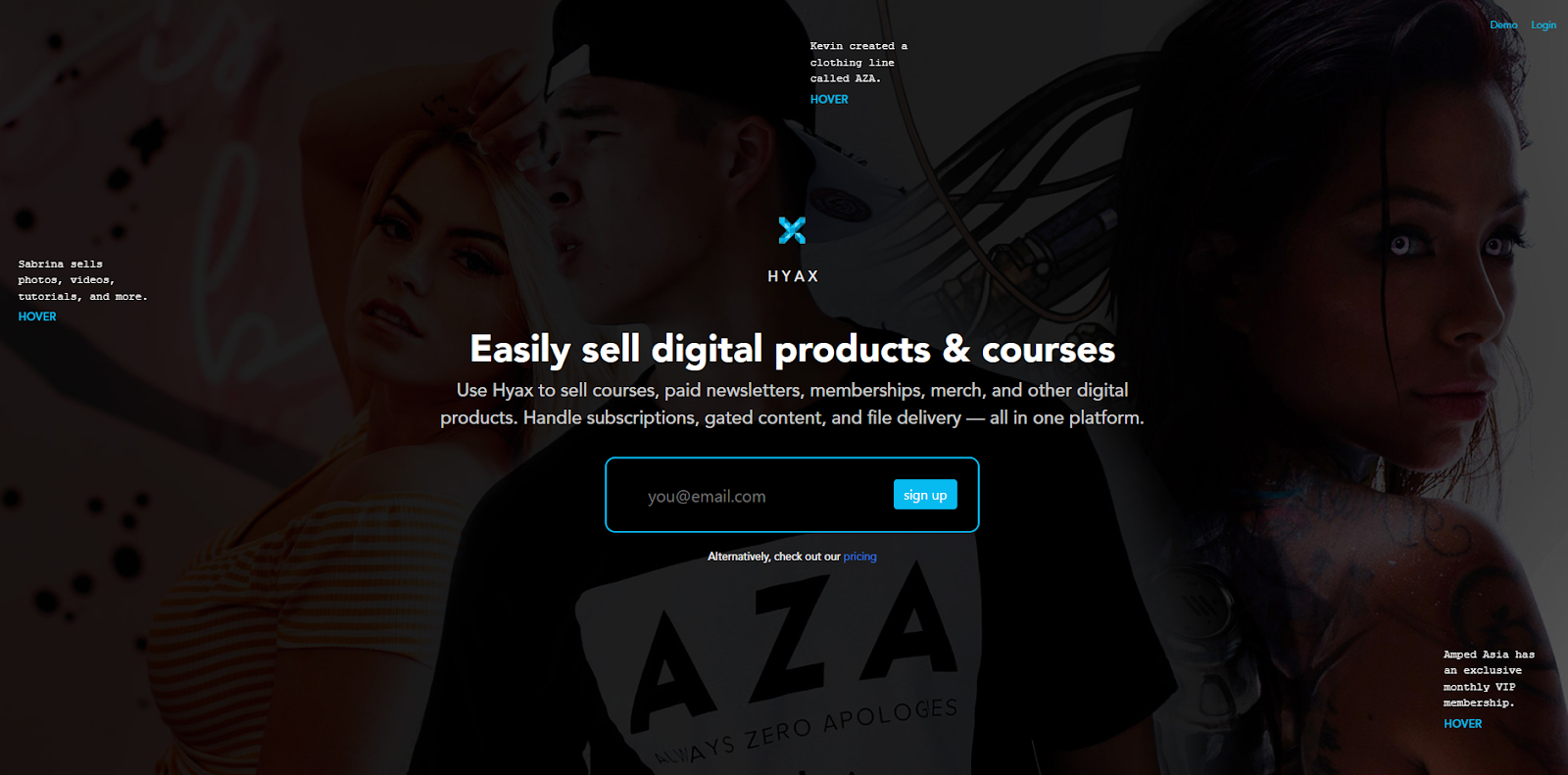
Hyax is a website-building tool meant to be a Patreon alternative where you can create your own membership site and design a custom landing page for yourself. Thanks to this highly customizable setup, Hyax lets you promote and sell your own products while also letting you manage memberships and build your community on the platform itself.
Hyax pros and cons
- Build subscription site just the way you want it
- Lots of ways to customize the user experience
- A/B tests, post-purchase funnels and easy offer configuration
- Affiliate marketing and referrals
- Not free to use
- Limited number of payment providers
11. Memberful

Memberful is a membership platform that's particularly popular with creators who want to integrate subscriptions directly into their existing WordPress site or custom website. While it's owned by Patreon, it operates independently and offers a different feature set focused on giving creators more control and customization options.
Memberful handles all the technical aspects of memberships, including payment processing, member management, and content restriction, while letting you maintain your own brand and website. It's especially appealing to creators who already have an established web presence and don't want to send their audience to a third-party platform.
Memberful pros and cons
- Seamless WordPress integration and custom website support
- Full control over branding and user experience
- No transaction fees on higher-tier plans
- Robust API for custom integrations
- Monthly fees can be higher than some alternatives
- Requires some technical knowledge for advanced customization
12. Substack

Substack has exploded in popularity among writers, journalists, and newsletter creators looking to monetize their content. It's an all-in-one platform that combines email newsletters with a simple website, making it incredibly easy to build a paid subscriber base around your written content.
What sets Substack apart is its simplicity and focus on long-form written content. Writers can offer free newsletters to build an audience, then convert readers to paid subscribers for premium content. The platform has become home to some of the most successful independent journalists and writers, with many earning six-figure incomes.
Substack pros and cons
- Extremely simple to set up and use
- Built-in email delivery and subscriber management
- Strong discovery features help grow your audience
- Free to start, only pays when you earn
- Takes 10% of subscription revenue
- Limited to newsletter/blog format
- Less customization than some alternatives
13. Ghost
Ghost is a powerful open-source publishing platform that's become increasingly popular with professional publishers and creators who want complete ownership of their content and audience. Unlike many alternatives, Ghost gives you full control over your data, design, and member relationships while including built-in membership and subscription features.
Ghost is ideal for creators who are serious about building an independent media business. It offers everything from newsletters to memberships to digital products, all while letting you own your platform. You can either use Ghost's managed hosting or self-host it on your own server for maximum control.
Ghost pros and cons
- Complete ownership of your content and subscriber data
- Built-in SEO optimization and newsletter tools
- Native membership and subscription features
- Open-source with active development community
- Steeper learning curve than simpler platforms
- Requires monthly hosting fees or technical knowledge for self-hosting
14. Memberspace
Memberspace takes a unique approach by allowing you to add membership functionality to any existing website, regardless of how it was built. Whether you're using Squarespace, Wix, Webflow, or a custom-built site, Memberspace can integrate membership features without requiring a complete platform migration.
This makes Memberspace perfect for creators who have already invested time and resources into building a website and simply want to add paid memberships or content gating. The setup is straightforward, and you can have memberships running on your existing site in just a few hours.
Memberspace pros and cons
- Works with any website platform
- No need to migrate existing content or redesign
- Flexible membership tiers and content restrictions
- Good customer support
- Monthly subscription required regardless of earnings
- Limited built-in marketing tools
15. Mighty Networks

Mighty Networks is a comprehensive community platform that goes beyond simple memberships to create engaging online communities. It's particularly popular with coaches, educators, and creators who want to combine courses, events, and community discussions all in one place.
What makes Mighty Networks stand out is its focus on community engagement and interaction. Members don't just consume content—they participate in discussions, attend live events, and connect with each other. This creates a more vibrant, engaged community that can lead to higher retention rates and member satisfaction.
Mighty Networks pros and cons
- All-in-one community, courses, and events platform
- Strong focus on member engagement and interaction
- Mobile apps for iOS and Android
- Built-in course creation tools
- Higher monthly fees than some alternatives
- Can be overwhelming with so many features
16. Teachable
Teachable is primarily known as a course creation platform, but it also supports memberships, coaching, and digital downloads. It's become one of the most popular platforms for educators and experts looking to monetize their knowledge through online courses and ongoing memberships.
The platform excels at helping you create professional-looking courses with video lessons, quizzes, and certificates. You can also offer coaching packages and membership subscriptions alongside your courses, making it a versatile option for knowledge-based creators.
Teachable pros and cons
- Powerful course creation tools with multimedia support
- Can combine courses, memberships, and coaching
- Built-in payment processing and student management
- Customizable course pages and branding
- Transaction fees on lower-tier plans
- Primarily focused on courses rather than general content
17. Circle
Circle is a modern community platform that's rapidly gaining popularity among creators who want to build engaged communities around their content. It combines discussion forums, courses, live streams, and chat features into one cohesive platform with a sleek, user-friendly interface.
Circle is designed for creators who understand that community is just as valuable as content. The platform makes it easy to foster discussions, host events, and create courses while keeping everything in one place. It's particularly popular with creators transitioning away from Facebook Groups or looking for a more professional alternative to Discord.
Circle pros and cons
- Modern, intuitive interface that members love
- Combines community, courses, and events seamlessly
- Strong engagement features and moderation tools
- Mobile app for on-the-go access
- Pricing can be steep for larger communities
- Relatively newer platform compared to some alternatives
18. Locals
Locals positions itself as a creator-first platform with minimal content restrictions, making it popular with creators who have faced censorship concerns on other platforms. It offers a straightforward membership model where creators can share content, host live streams, and build communities without worrying about arbitrary content policies.
The platform has gained traction among podcasters, political commentators, and independent journalists who value free speech and want a reliable platform for their content. Locals takes a simple approach to memberships, focusing on the core features creators need without unnecessary complexity.
Locals pros and cons
- Minimal content restrictions (as long as content is legal)
- Simple, focused feature set
- Built-in live streaming and community features
- Transparent policies and creator-friendly approach
- Less mainstream recognition than some alternatives
- Smaller built-in audience for discovery
Best Patreon alternatives for YouTubers
YouTubers create content catering to a lot of niches, and their content offerings can be diverse in many ways. So, to identify what platforms would work best for them, it's important to narrow down what YouTubers need from a membership platform.
- Membership tiers: Since YouTubers can have such a vast range of content, a tiered membership structure is extremely useful to have. A YouTuber covering tabletop roleplaying, for instance, could have livestreams and Q&As at a lower tier, but create their own campaign materials or bespoke characters at higher tiers.
- Exclusive content: Incentivizing their audience to sign up for membership is a big thing for YouTubers, because who doesn't want more of what you love?
- Direct engagement: Sign up to watch any popular YouTuber's live stream, and you may be shocked at the amount of tips and donations flowing in. Fans put a high price on direct engagement with creators, even if it's just acknowledgement and mentioning their handle.
- Payment options: Many YouTubers have diverse audiences, and payment options should reflect that whether it's the availability of different subscription periods or multiple payment processors.
🥇 1. Whop

As the top alternative to Patreon, it ought to come as no surprise that Whop.com is a fantastic option for dedicated YouTubers when it comes to managing memberships and subscriptions.
Whop has everything in place for a YouTuber to sell exclusive content easily, and can help you to grow your audience at the same time. It's a simple to use but powerful marketplace that you can get started with in minutes.
2. Ko-fi
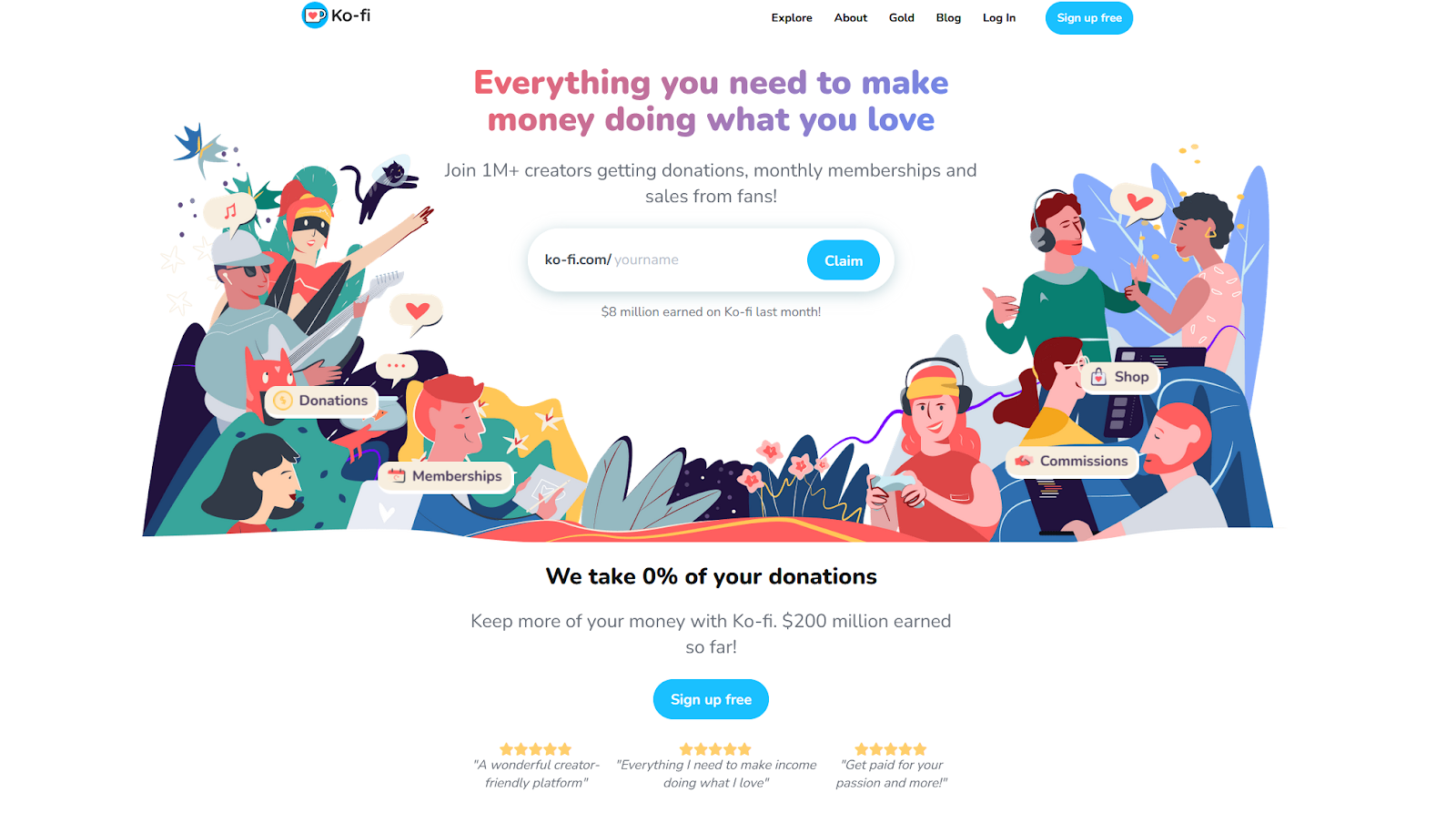
As another of our top picks for best Patreon alternatives it's hard to ignore Ko-fi. Its Gold tier caters specifically to creators and makes posting member-only video extremely easy. It's a platform that takes minimal getting used to, and does the essential things right.
3. YouTube channel memberships
If you're a YouTuber, you're already aware that you can get into the YouTube Partner Program if you hit 1,000 subscribers and 4,000 hours of watch time. This is a big step because it allows you to monetize your content, and it also allows you to offer channel memberships.
YouTube Channel Memberships work in a very similar way to most membership platforms, with the advantage that your audience doesn't have to leave the YouTube platform. On the down side, YouTube takes a rather considerable 30% cut of your earnings. They do use this to cover transaction costs, but it's still steep.
Best Patreon alternatives for podcasters
Just as with YouTubers, figuring out the best Patreon alternatives for podcasters starts with figuring out exactly what they need from the service. Let’s take a look:
- Exclusive episodes: Podcasters can use paid membership platforms to offer premium, ad-free, or bonus podcast episodes to listeners considering signing up. Again, fans are often happy to pay for more content from their favorite creators.
- Private feeds: A good Patreon alternative for podcasters should allow them to deliver private RSS feeds to members, ensuring access to exclusive content.
- Community engagement: Podcasting is similar to hit radio shows of old in that they often spur plenty of engagement from the community if there’s an avenue for it.
- Analytics: These are important to any sort of creator trying to fine-tune content for their audience, but it’s especially true for podcasters.
1. Whop
Podcasters would be well served checking out Whop.com in order to manage their subscriptions and sell exclusive content thanks to its ease of use and wide reach. Whop.com makes community growth and audience engagement simple and can be navigated in just a few clicks!
2. Supercast
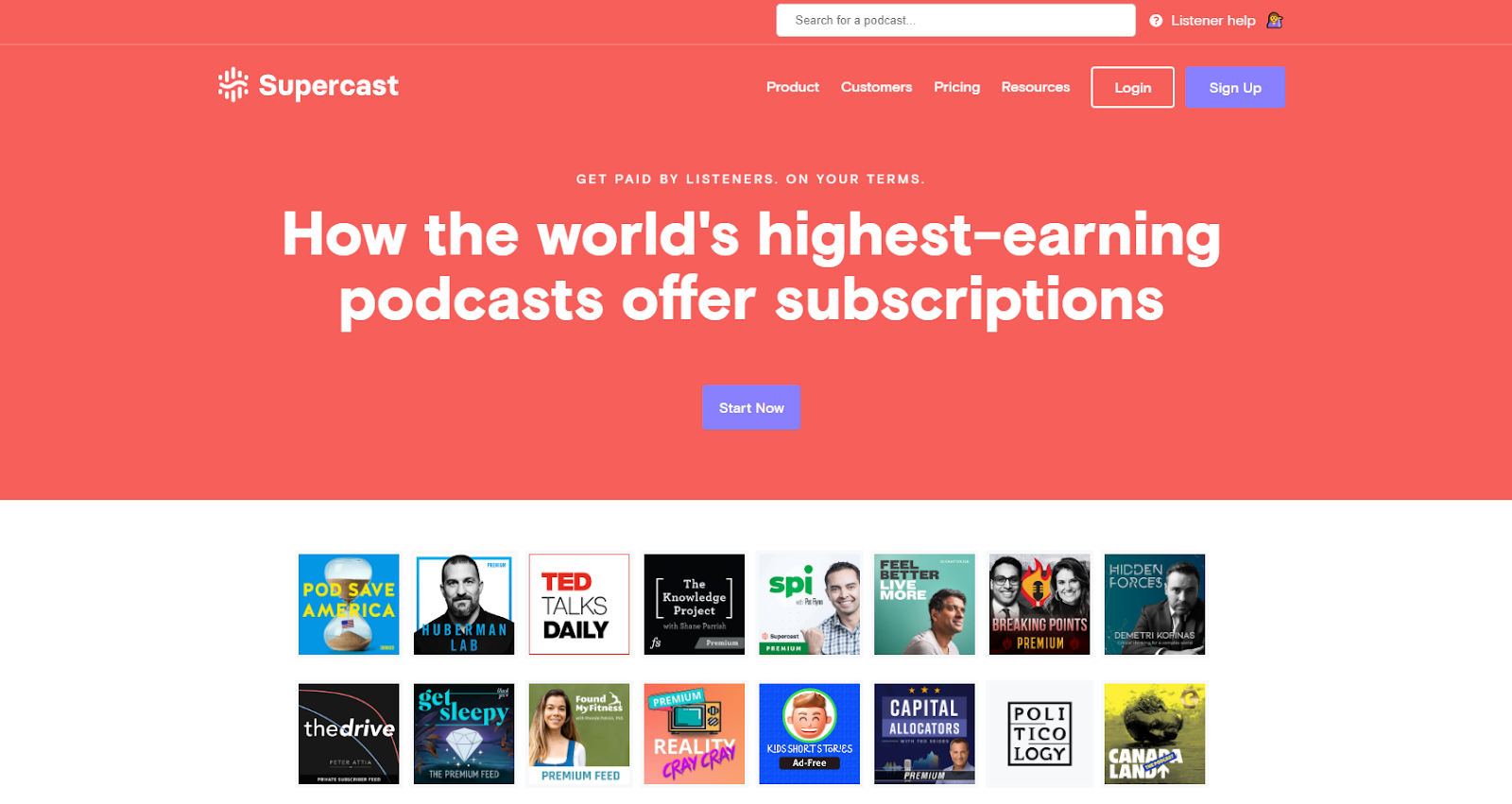
A podcast subscription platform that’s taking the podcasting world by storm, Supercast has created millions in revenue for popular podcasters in membership fees. One of its main advantages is the way it delivers content to listeners across multiple platforms, and it even has built-in AMA tools!
3. Spotify for podcasters
Anchor was an extremely popular podcasting app that took care of production as well as distribution along with membership services, and it was purchased by tech giant Spotify. The platform is now known as Spotify for Podcasters, and it offers a great Patreon alternative for podcast fans.
Key takeaways
Patreon is a compelling solution for content creators to manage their subscriptions and monetize audiences, but it has its flaws. Inability to cater to donations, recent controversies, and inflexible policies could make it a good idea for you to seek alternatives to Patreon.
Luckily, there are plenty of great options out there for you no matter whether you’re a YouTuber, podcaster, influencer, or educator. Whether you’re looking for simplicity or analytics, customization or payment flexibility, the right Patreon alternative for you is just around the corner.
👉 To check out Whop and see what makes it such a good choice, visit Whop.com and get started today!