Gen Alpha influencers are setting trends, building audiences, and creating viral content on the daily. Creators who understand how to collaborate with or learn from them can grow their own reach and revenue faster.
Key takeaways
- Gen Alpha creators are reshaping influencer marketing through family-managed accounts, collaborative content, and authentic kid-led storytelling.
- Brands successfully reach Gen Alpha by meeting them in their digital playgrounds like Roblox, YouTube, and creator collectives.
- Partnering with young influencers works best when campaigns feel genuine and let kids' personalities drive the content naturally.
Gen Alpha might still be in school, but they’re already learning to shape internet culture.
From mini vloggers and toy reviewers to tween beauty accounts and prank channels, this generation knows content intuitively, and it shows.
Brands are teaming up with Gen Alpha kids left, right and centre to promote products, connect with younger audiences, and pivot their marketing strategies.
Here's how you can use them to boost your content, reach, and revenue.
Who (and what) is a Gen Alpha influencer?
Gen Alpha were born 2010-2024 – so the oldest kids in this generation are currently 15.
There’s a reason why these kids understand content so well – they were born into it.
I’m Gen Z, and some of my earliest memories are playing around with clunky dial-up internet or my dad’s bulky old laptop.
Even this gave Gen Z kids an edge over millennials when it came to technology. But Gen A? They were practically born with iPads in their hands.
This is the first generation to watch (and learn) from their parents scrolling TikTok videos, see their siblings spending hours gaming online (not on consoles), or have their teachers playing YouTube videos in class instead of old VHS tapes.
An understanding of content and online culture is embedded in their brains from a young age.
Oh, and they can monetize it, too: Teens 12-15 years old earn $561 on average every year online.
The rise of YouTube kids
YouTube was Gen Alpha’s first digital playground, launching many of the big kidfluencers we know today.
Channels like Ryan’s World proved that even primary schoolers can build million-dollar brands from unboxing toys and sharing everyday adventures.
And now he’s getting his own movie deal. Like, an in-theatres movie deal:
Look, YouTube, especially kid creators – and their families – faced their share of scrutiny over screen time and content safety. And I get that.
But it’s also opened the door for young creators to learn production, storytelling, and even entrepreneurship early on.
For a lot of Gen A kids, YouTube isn’t about entertainment. It’s about creativity, and their first lesson in how to turn that into income.
Gen A vs Gen Z: how this new era of kids is different
Gen Z grew up with the internet, but Gen Alpha is growing up inside it.
While Gen Z learned social media as teens, Gen Alpha learned it before they could spell algorithm, you know?
These kids are more visual, more platform-fluid, and have shorter attention spans but sharper instincts for what works online.
Gen Z creators built their followings on authenticity and aesthetics, but Gen Alpha’s content feels faster, funnier, and often more interactive: think brainrot trends, crazy edits, and short-form chaos.
They don’t just consume internet culture; they alter it in real time.
Another big shift? Family involvement.
Many Gen Alpha creators have parent-managed accounts, brand deals, and content schedules before they hit high school.
It’s a new kind of creator economy, one where the whole family is part of the channel.
Gen A content houses and collectives
Gen Z had the Hype House (cue flashbacks) and the FaZe Clan; Gen Alpha is forming their own creator houses and collectives.
Take The Sweet Sisterhood, a group bringing together nine of the biggest kid creators from the Garza Crew and Mighty McClures, to Scarlett and Tiania, and they’re all between the ages of 8 and 12.
Their joint YouTube channel hit 250,000 subscribers within days of launching.
Unlike the drama-filled houses of older influencers, The Sweet Sisterhood aims for something different: family-managed, female-led content that’s collaborative and kid-safe.
The moms behind the project say it’s about connection, confidence, and showing young girls that social media can be fun and empowering when done right.
Brands, listen up: Gen A creators aren’t just mimicking what came before; they’re reimagining influencer culture through collaboration, positivity, and strong parental oversight.
7 Gen A influencer campaigns proving the kids are alright
These 7 campaigns worked with Gen Alpha kidfluencers to boost awareness, drive sales, and tap into younger audiences – all in their own creative ways:
1. Universal Pictures x Taylen Biggs
Taylen started her career before she could even walk properly, appearing in a Kardashian kids’ collection at just 18 months old, which is pretty wild.
By age three, she was walking the runway for Sherri Hill at New York Fashion Week. Now 12, Taylen has become one of Gen Alpha’s most influential creators, landing on the TIME100 Creators list and interviewing A-listers on red carpets for major films like Universal Pictures’ releases.
But Taylen doesn’t stand out just because of her red carpet interviews or early modeling gigs – it’s how naturally she navigates the internet as a kid.
She knows how to create content that’s fun, engaging, and relatable, all while juggling school and a growing public profile. For anyone watching, it’s obvious she’s not performing.
2. Walmart x Ryan’s World (Ryan Kaji)
Ryan Kaji is one of the originals. By six, he was already a global phenomenon with a Walmart toy line, slime, and merch flying off shelves worldwide.
Now 13, he’s still a massive presence on YouTube, continuing to create content that kids actually love to watch. Kids comment about their own toys, post fan art, and share experiments inspired by Ryan’s videos.
The campaign worked because it wasn’t just a product push; it felt like joining Ryan’s everyday adventures.
Even at 13, Ryan’s content combines play, experimentation, and genuine reactions, and the Walmart line gives fans a way to engage offline too, whether by buying merch or recreating his fun experiments at home.
3. Claire’s Accessories x ‘The Collab’
Claire’s ‘The Collab’ brings Gen Alpha and younger Gen Z creators together to shape content, campaigns, and activations.
Six-year-old Ayla and other young creators get to contribute ideas, represent their peers, and help drive brand storytelling in ways that feel natural for their age.
The final campaigns felt authentic, and kids watching could see accessories being worn and styled by people their own age.
It wasn’t about marketing to adults; it was about connecting with kids in a way that was real.
4. Garza Crew x Printful
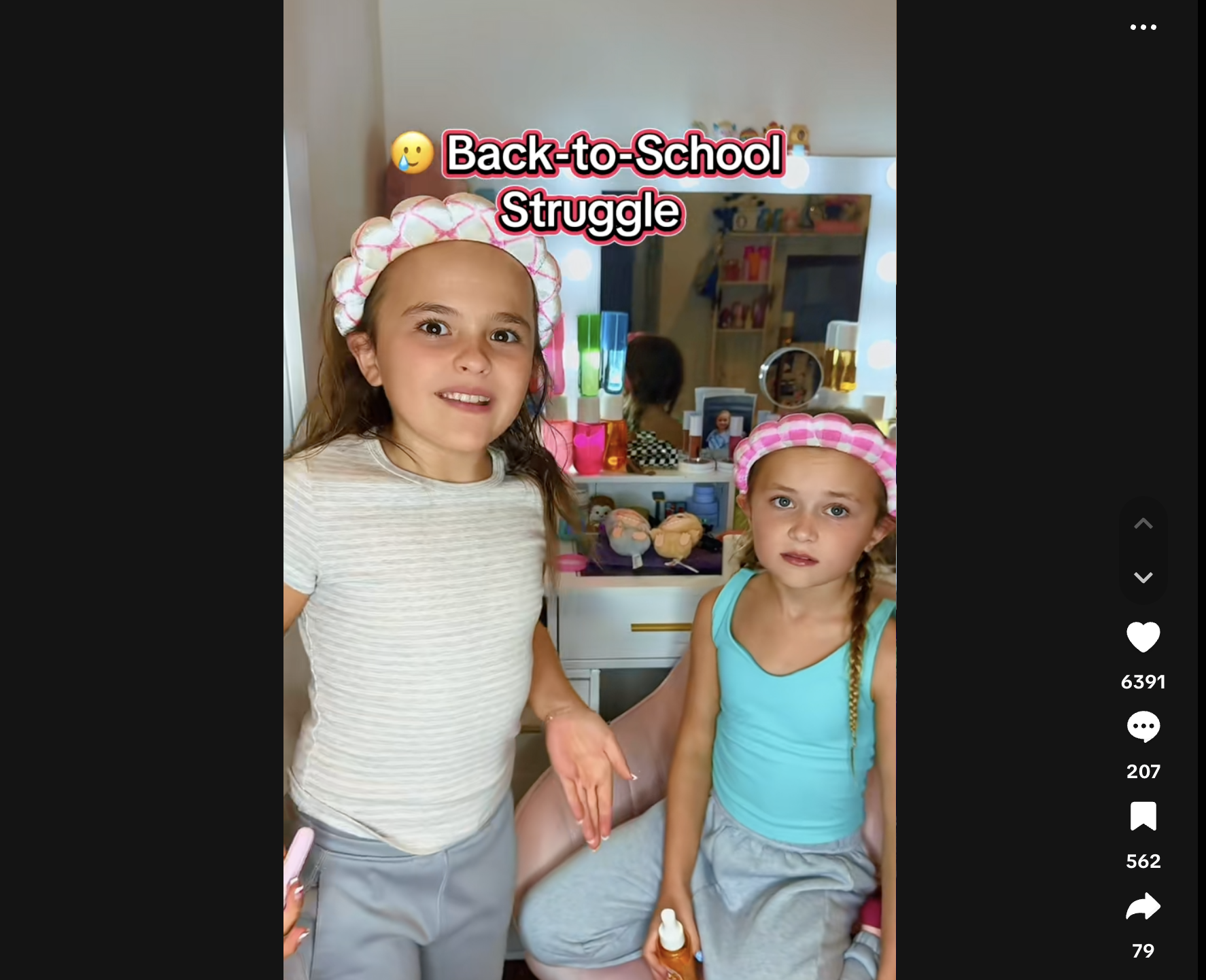
Twins Koti and Haven Garza, aka the Garza Crew, are known for their playful fashion videos, skincare routines, and fit checks.
For their Printful campaign, they helped design their own merch, filmed short skits showing off the products, and shared their favorite looks on TikTok and YouTube. Fans quickly started commenting on what designs they wanted next, posting pictures with their merch, and tagging friends.
The campaign felt like a community project, with the twins’ personalities and humor shaping the content.
By juggling videos, merch, and fan interaction, Koti and Haven showed how even young creators can run multi-part campaigns that are entertaining and interactive. It’s kind of insane.
5. Evelyn GRWM x Rare Beauty
Evelyn is only 14, but she gained her following through GRWM videos that show her skincare routine, experimenting with makeup, and sharing personal style tips.
BTW: Gen A teens earn almost $14 an hour through online hustles – that’s nearly 2x the USA’s minimum wage.
Rare Beauty (yes, Selena’s brand) worked with her to create content for tweens that felt authentic: Evelyn chooses what to show, mixes in her own humor, and gives honest reactions to products.
Fans love watching because it feels like hanging out with a friend: she’s relatable, unpolished, and just fun to watch.
And she engages her audience: comments fill with questions about techniques or product recommendations, and viewers often share screenshots of their own looks inspired by her videos.
The partnership worked because it highlights a teen perspective: one minute she’s trying a lip gloss, the next she’s joking about getting ready for school.
Tween girls don’t want to watch 25-year-olds trying beauty products anymore; they want to see themselves.
6. Coco Pink Princess x Gentle Monster
Coco Pink Princess started gaining attention at eight for her unique, playful style – so much attention that Gentle Monster asked her to front their first kids’ collection.
The campaign is full of personality: it’s not just a catalog, it’s Coco experimenting, laughing, and showing off the collection in ways that make kids want to try it (or beg their parents for it) too.
Behind-the-scenes content showing Coco picking accessories or joking with the camera made the content feel alive and approachable.
It represented Gentle Monster’s products through a genuinely kid-led lens.
7. Shein x Taytum & Oakley
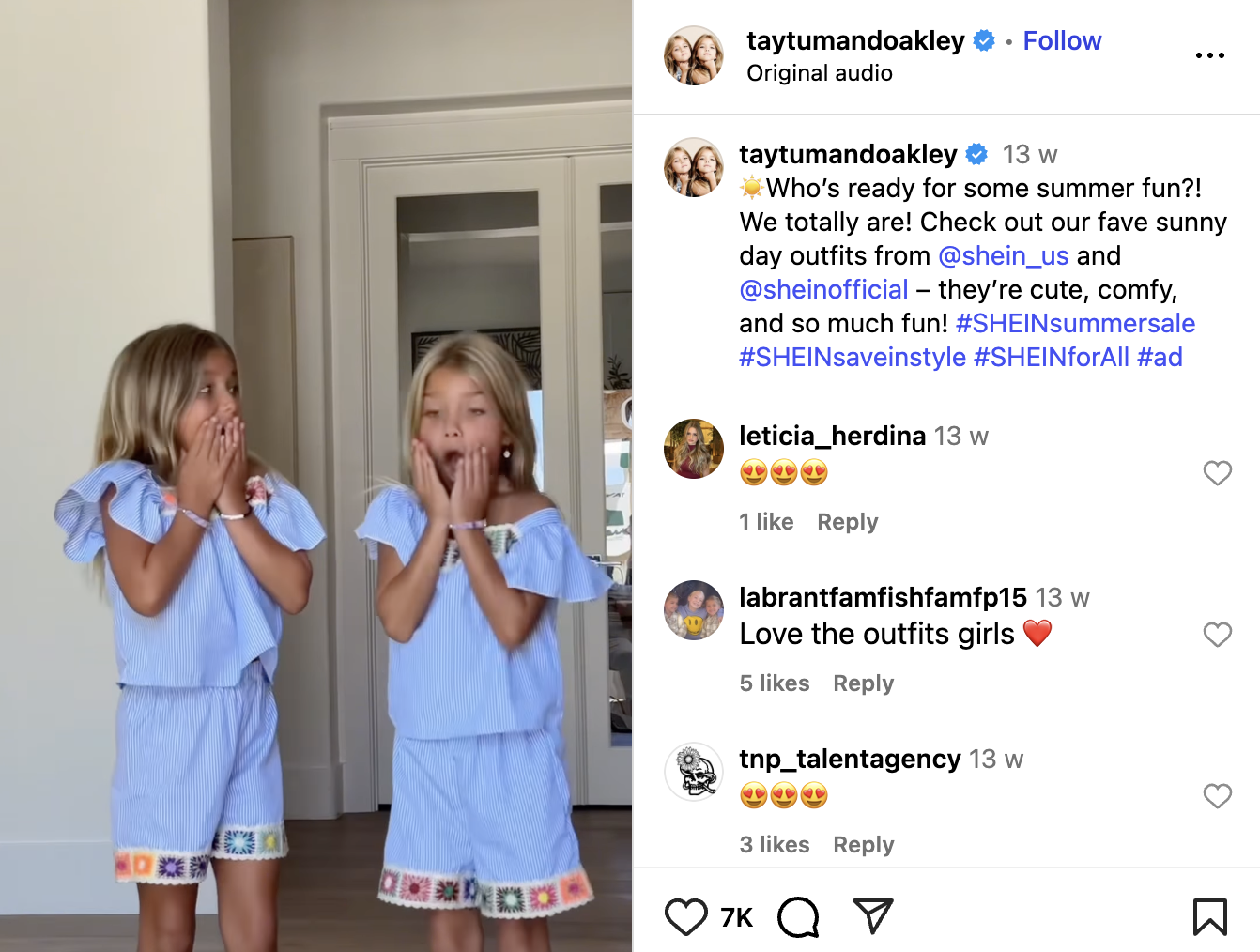
Nine-year-old twins Taytum and Oakley worked with Shein to show off the brand’s kids’ collections. Instead of static photos, the twins filmed skits, playful outfit montages, and little styling challenges that felt authentic to their personalities.
The family-managed setup meant the twins could be creative safely, while Shein got energetic, kid-led content that felt real rather than staged.
Watching their posts, you get a sense of everyday playfulness (the twins trying on bright dresses, laughing at mismatched socks, or showing off accessories they picked themselves), making the campaign feel lively, fun, and in the hands of the creators.
For Shein, this was a super easy way to go from marketing to Gen-Z and millennials solely, to capturing an emerging customer base before they’re even old enough to make their own purchases.
Virtual worlds and Gen Alpha: where play meets marketing
Gen Alpha doesn’t wait until they’re teens to make their mark; they’re influencing what’s cool, what’s trending, and even what gets bought, all before hitting middle school.
Brands know this, and they’re meeting these kids where they play: inside the digital worlds they live in every day.
Because these kids hold power.
They know what’s cool half the time before their older siblings do. And their chronic attachment to online content means they genuinely view the world – and therefore, marketing – differently from their predecessors.
Nikeland (Nike)
Nikeland was a virtual world on Roblox where players could compete in mini-games – all while wearing Nike gear. Smart, huh?
The experience was designed to get kids moving in real life, with sports superpowers that could be activated by shaking their mobile devices.
It wasn't a static campaign; it was a persistent, evolving world that continued to roll out updates around brand initiatives and key sports moments.
It’s had over 34.9 million visits since its creation, becoming one of the more successful spaces in the metaverse, cementing Nike's position as the coolest sneaker brand for millions of kids.
Vans World
Vans World is a virtual skatepark on Roblox where kids can shred ramps, hit sandy beaches, and try crazy skate tricks without ever leaving their bedroom.
Players can deck out their avatars with Vans shoes, hoodies, and custom skateboards (smooth), then show off their moves in mini-challenges or compete with friends.
Vans World 2.0 even dropped The Mixxa shoe digitally, letting kids unlock gear, test tricks, and post clips of their favorite combos online.
The world feels like its own little playground. One minute you’re grinding a half-pipe, the next you’re hanging with friends in the virtual skate park, swapping gear and ideas.
It’s less about profit and more about playing, exploring, and sharing, which is how Gen Alpha interacts online.
But damn, it sure helped Vans sell some shoes.
Gucci Town
Yep, even the designer brands are targeting Gen A.
Gucci Town on Roblox is like stepping into a virtual Milan street where kids can wander, hang out with friends, and play around with fashion they couldn’t normally access.
Players can try on digital Gucci fits, mix and match outfits, and show off their looks in mini-games or just while exploring the streets.
There are pop-up challenges, surprises from collabs with artists and influencers, and even spots to snap screenshots with friends’ avatars.
By making Gucci fun and digital-first, the brand hooks Gen Alpha early, builds hype, and makes style part of everyday play.
The best bit, though? These kids do the promotion themselves, posting, tagging, and bragging online, turning Gucci Town into a brand that spreads itself.
Turn creativity and content into cash with Whop
Gen Alpha might be the youngest generation online, but their instincts for storytelling, creativity, and digital entrepreneurship are real.
What starts as filming Roblox clips or makeup tutorials can grow into full-scale brands, and Whop makes that next step easy.
These guys aren’t waiting for adulthood to become entrepreneurs — they’re already learning how to turn their creativity into income streams.
Thousands of young creators are moving from UGC and partnerships into running their own digital products, courses, and communities.
That’s where Whop comes in — giving the next wave of creators (and their parents) everything they need to launch, sell, and grow online.
Join Whop and build, sell, and scale your content into a career.
FAQs: working with Gen Alpha influencers
What age is considered Gen Alpha?
Kids born 2010–2024. Right now, that’s roughly ages 1 to 15, so the oldest are early teens and the youngest are toddlers.
Can brands legally work with kids under 13?
Yes, but there are strict rules. Platforms like TikTok and Instagram have age restrictions, so campaigns usually go through parents or guardians.
How do you disclose partnerships involving minors?
Like any sponsored content, posts must be clearly labeled, and parents usually manage the accounts to ensure transparency.
Who signs Gen A creator contracts?
Parents or legal guardians sign, since kids under 18 can’t enter binding agreements themselves.
What’s the best platform to reach Gen Alpha?
Roblox, TikTok, YouTube, and Fortnite are hotspots, but basically anywhere kids play, share, and explore digitally.
Are Gen Alpha influencers profitable for brands?
Yes. Even if the kids can’t buy themselves, Gen Alpha creators influence parents, siblings, and peers and generate massive social buzz.
What are the ethical concerns (privacy, labor, education)?
There are a few concerns to take into account when working with children and ensuring ethics are maintained:
- Restricted hours: Kids can’t work unlimited hours.
- Permits: Parents often need to get official permissions, including work permits and consent forms.
- Earnings protection: Money usually goes into a trust account, with parents managing distribution.
- Platform rules: TikTok, YouTube, and Roblox have age limits and parental controls that brands must follow.