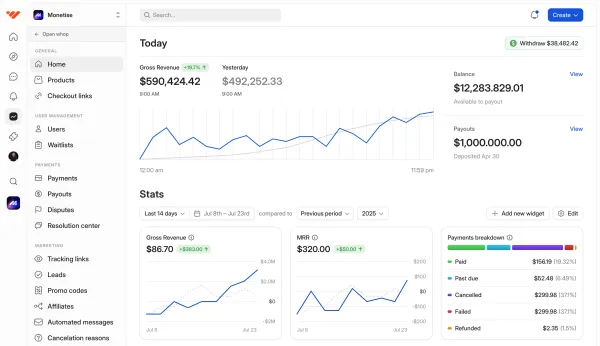
What do skateparks, NFTs, and Whop have in common? Keep reading - it’ll make sense soon.
Key takeaways
- Niche businesses succeed by serving small, passionate communities deeply rather than chasing mass audiences.
- Sustainable niche businesses stack multiple revenue streams like coaching, merch, events, and community memberships.
- Find your niche by identifying what people already ask you for help with and removing friction for that community.
Saturdays aren’t for sleeping in on the Sunshine Coast, they’re for skateboarding.
So are Mondays. And Thursdays. And pretty much every day in between.
Everywhere you look, the parks are packed (and there are over 20 of them). Over the past year, I’ve noticed just how many skate schools and coaches there are - all running classes, building crews, and, importantly, making bank.
It got me thinking: how can so many small, almost identical businesses all thrive side by side?
What I found is that these schools aren’t just teaching kids how to ollie, they’re running niche businesses. And they might just hold the secret to the future of small business itself.
(You see where this is going now?)
What is a niche in business, really?
In business, a niche means focusing on one specific group of people and solving their exact problem.
You’re not trying to reach the masses. You’re trying to be irreplaceable to a few.
That’s what most small business owners miss. They go broad, thinking more people = more sales. But in 2025, the opposite is true. Consumer attention is fractured (thanks to TikTok), trust must be earned (thanks to AI), and loyalty lives inside niches.
Consider these three scenarios:
- Sneakerheads lining up at 6 a.m. for a limited-edition drop.
- Gamers buying merch to rep their virtual worlds IRL.
- Spirituality enthusiasts tracking moon cycles in $40 manifestation journals.
All of these are three totally different worlds, but all following the same pattern: consumers finding identity inside of their niche.
That’s exactly what the skate schools are doing. They don’t market to “kids who like sports.” There's no room for scooter riders or BMXers here. They build for skaters. They’ve built a culture with coaching, stickers, tees, and contests - and turned it into income.
If you’re a business owner, that’s your blueprint. You don’t need a massive audience, just a clear identity and a community that actually cares.
The niche skate school economy
Let’s do the math.
SC Skate Academy: 20 weekly lessons at $35–45 per lesson, six kids max, four instructors. Add in merch, stickers, and a community hub - a skate shed that’s also rented out for private sessions.
Chiggy’s Skateboarding: $30 group lessons (with bigger class sizes), $100 private sessions, 40+ group classes a week, plus school programs and a strong brand presence. Their Coolum warehouse is basically a local landmark.
Fastplant Skateboarding: a women-owned business charging $25–75 a session, now travelling nationally thanks to the inclusive online community they’ve built around confidence and skating.
Now, I’m no mathematician, but that’s around $18K–$20K flowing through just three of the skate schools every week.
And that’s just the group lessons. Add in the merch and private coaching, and you've got a whole lot more money. (Siri, play Tony Hawk Pro Skater 2 soundtrack).
It’s clear that a small niche = a big business opportunity.
Why niche businesses work (and how they build community)
Let’s take a look at exactly why niche businesses work. I’ll stick with the skate school example for now, but you can apply this same idea to any niche business.
They create a strong identity
Each skate school has carved out its own micro-niche within skate culture. Step into any skatepark with a young child and the parent will ask ‘who do they train with?’. It’s the new ‘what primary school do they go to?’.
I asked one parent, Alicia, why she pays to send her daughter to not one but three different skate schools. She explains that these classes, while being part of the same niche, offer a different experience. By attending all of them, her daughter gets more experience and exposure.
I think there's space for all of these businesses to coexist and to thrive together because they all offer something unique.
We do SC Skate Academy, which is indoors in a shed. The coach there is absolutely amazing. The group is focused on supporting each other and learning skills. And then we also have done Chiggy's, which is outdoors in a skate park. Much more of a fast-paced environment. Bigger group, offering something completely different.
- Alicia
The skate schools capitalize on this with t-shirts for their crew, and stickers that cover every inch of decks, helmets, and skateparks, making sure that their business is seen everywhere.
They stack income streams
Think back to what I said earlier - it’s not just group coaching. Private lessons, local and overseas events, facility hire, merch - all of this generates income.
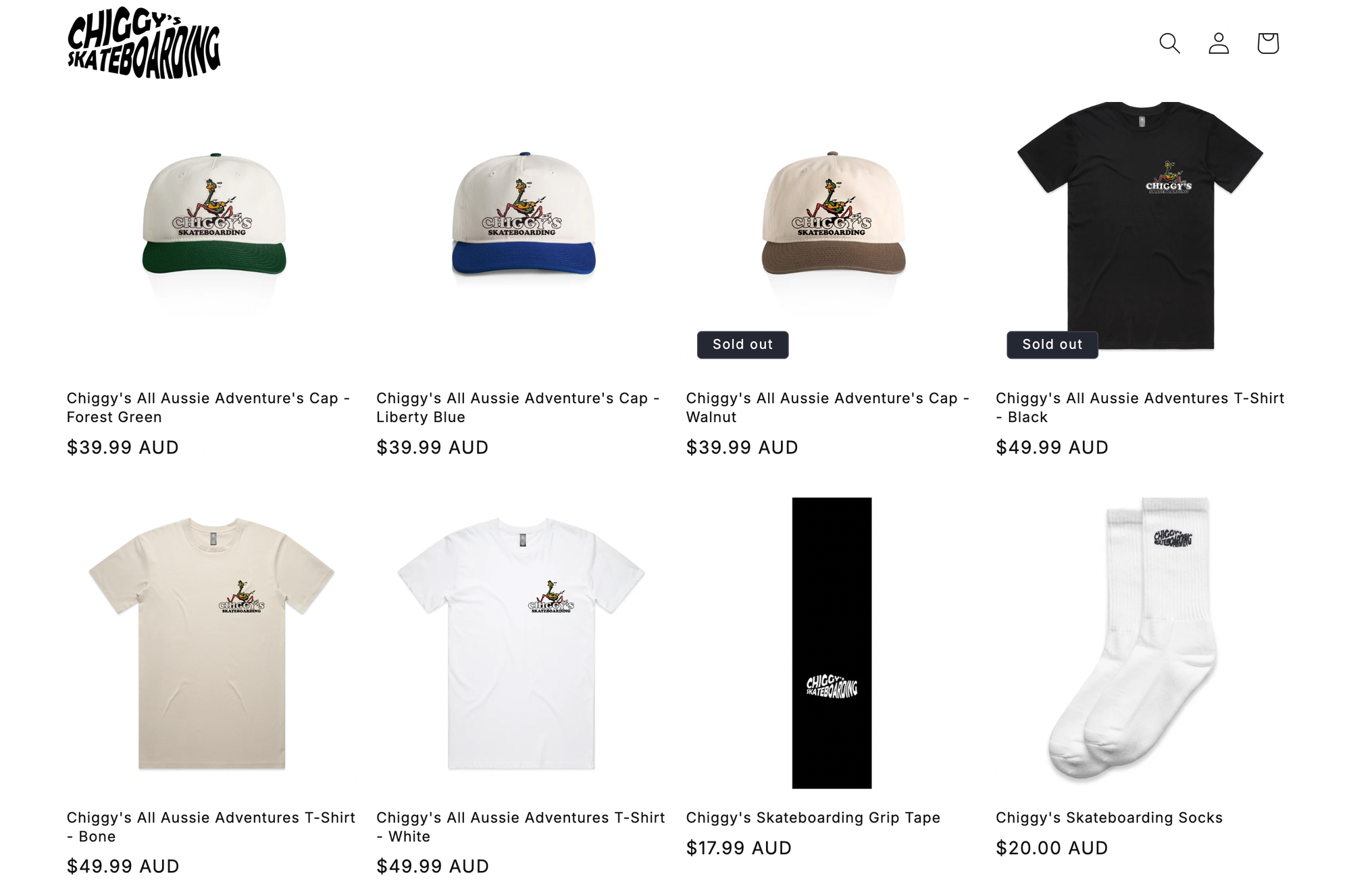
The best niche businesses build multiple revenue streams rather than relying on one.
Passion first, profit second
Niche business founders don’t usually set out to start “a business.” They start with passion, and the business follows. That’s what makes niche models sustainable.
Let's look at a different brand for a sec - Glossier. Now a huge, billion-dollar business, Glossier started out as Into the Gloss - a blog by Emily Weiss, where she interviewed women about their beauty routines.
Community came first, monetization second.
They create loyalty through shared obsession
Niche businesses work because they serve small groups deeply. They give the customer everything they could possibly want and need. You need a new skateboard? Here’s a discount code for the local store. Forgot your helmet? They’ve got you covered. That sweet skate comp? They’re sponsoring it.
If it’s related to the niche it’s serving, the business delivers it.
That’s true for offline and online business models. And on Whop, it’s happening every day.
The next wave of niche businesses lives online
What struck me most about these skate schools is how they feel like communities first, businesses second.
And that same energy - grassroots, loyal, self-sustaining - has started moving online.
In 2022, we saw skate culture itself go digital through NFT projects and Web3 communities. Projects like Fvckrender’s Fvck Park used NFT sales to fund a real skatepark. The plan? Use Web3 profits to build a physical space for skaters in Vancouver.
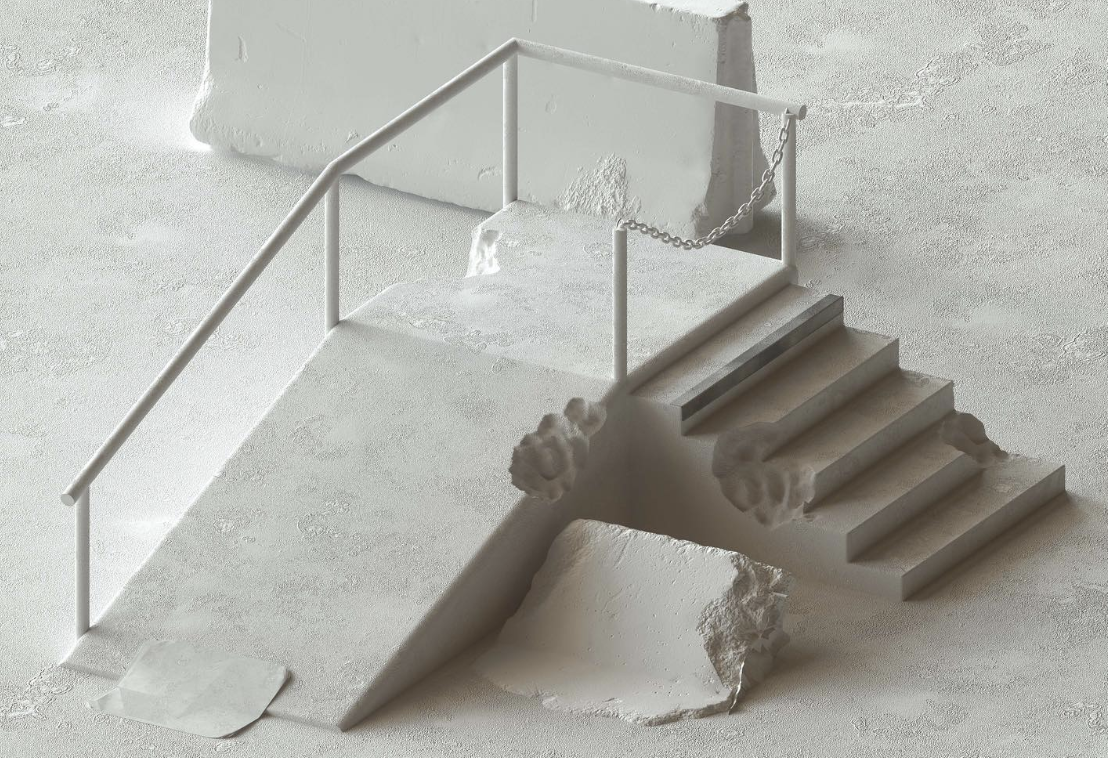
The community was global. Even I bought a Fvck Park NFT - and I live nowhere near Vancouver, and haven’t stepped on a skateboard in twenty years.
This tells us that even in the online world, people rally around shared passions. Whether it’s in-person or online, these projects show the same truth: niche communities build worlds.
And that’s exactly what’s happening on Whop too.
Niche communities on Whop
Let’s take a look at how niche communities are thriving on Whop (I told you this would all make sense soon. Thanks for sticking with me).
Pop Mart Labubu Wonderland
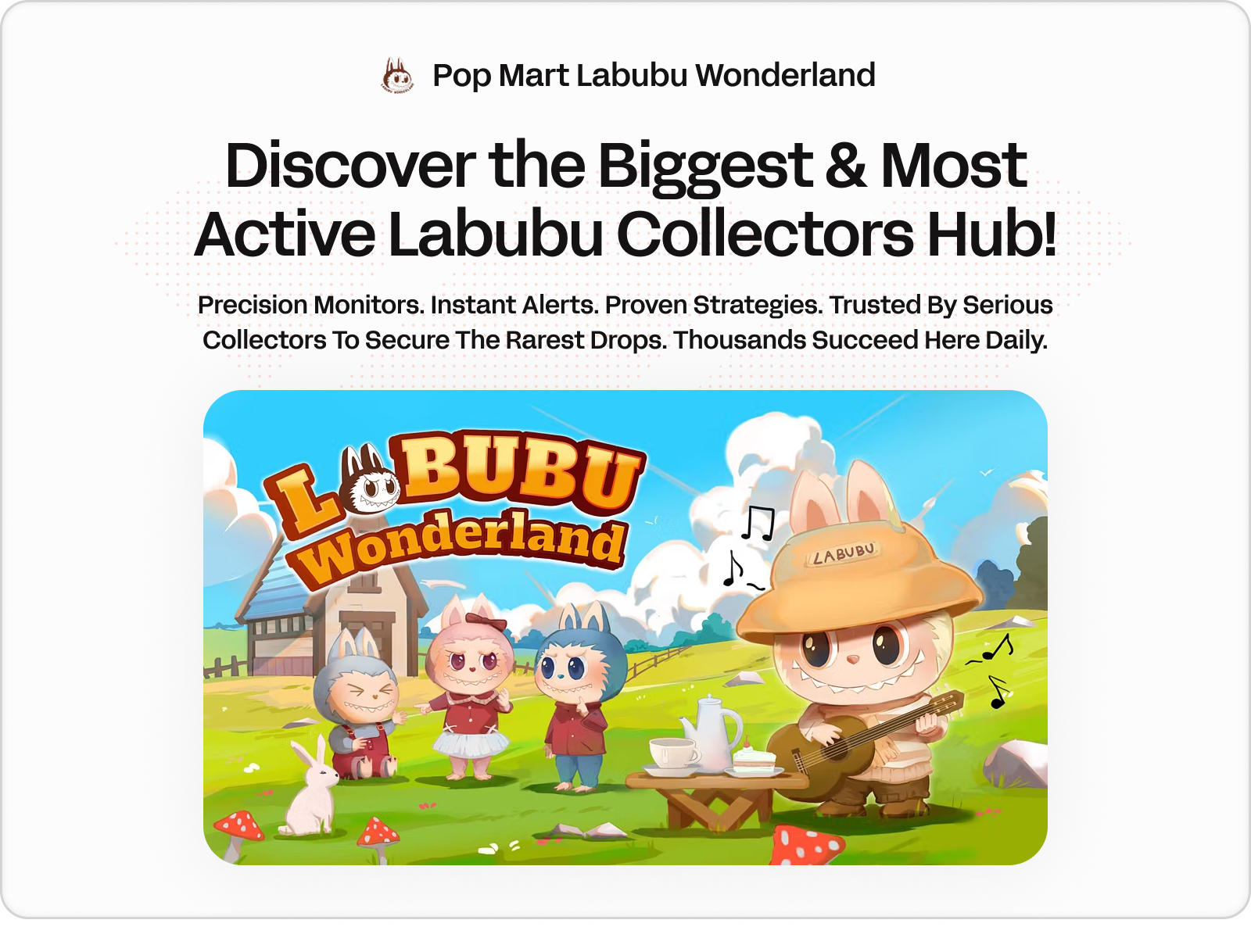
This is exactly what it sounds like. A hub for 580+ collectors obsessed with Labubu drops. With real-time alerts, buying guides, and shared wins, the community turns Labubu collecting into a communal sport (and trust me, trying to hunt down one of these creepy-looking dolls really should be an elite sport).
Built by a lifelong collector, it’s both a passion project and a thriving business.
PokeNotify Trainer Pass
Yes, Pokémon is still relevant in 2025. This global Pokémon TCG community helps fans secure rare cards with instant restock alerts and consignment tools.
This is a great niche business model example - one passionate collector had a problem, and solved it not just for himself but the whole community of competitive players worldwide.
Kendra G WOMEN ONLY Community
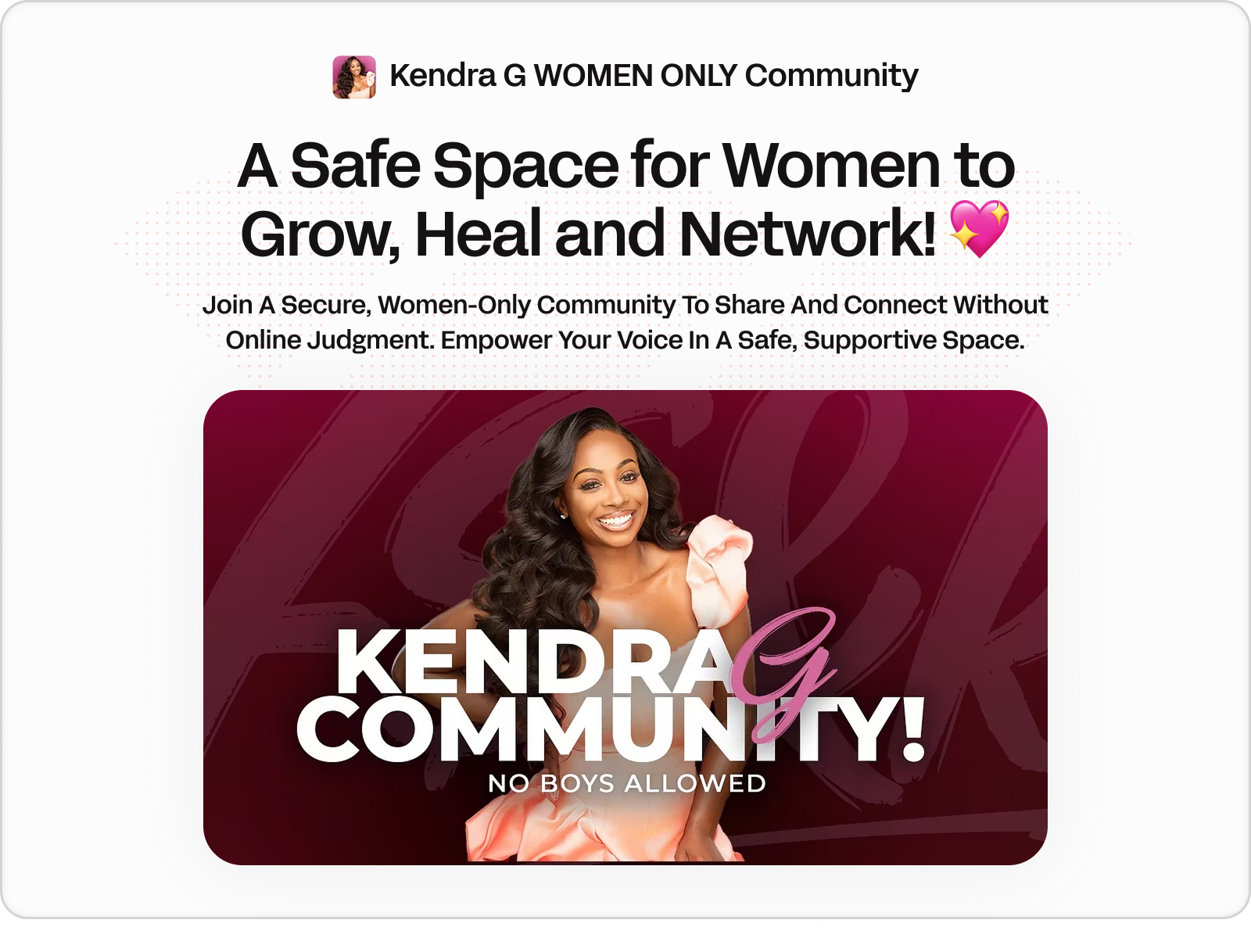
In the words of Becca Moore: this one's for the girls, NOT the guys. Kendra G Community is a private membership empowering women through mindset, connection, and accountability. From “Mommy Squad” to “Single Season,” Kendra G proves that when you serve a specific audience deeply, growth happens naturally.
These are modern versions of niche businesses - focused communities that live online, with or without a physical counterpart.
How to find your own niche (and build around it)
It's clear that micro-niche businesses can bring in the big bucks. So what’s your version of the skate school?
You don’t need anything physical to start a niche business. You just need to notice what already has your attention, and what already has other people’s.
That’s the sweet spot.
Start here:
1. What do people already come to you for help with?
Maybe you’re the friend everyone asks for budget advice. Perhaps you have a growing audience. Or, maybe you're a rainman when it comes to finding under-priced items and flipping for profit.
Whatever it is - if you’re good at it and know that other people want to learn your skills too, that’s your niche.
2. What small community are you already part of?
Maybe it’s a whop, a parenting group, a fandom, a local book club, or a hobby that’s starting to take over your weekends. You don’t have to build an audience from scratch, you can grow from the inside of one that already exists.
3. How could you make their lives easier, faster, or more fun?
Every great niche business starts by removing friction. Can you make it easier to connect? To learn? To buy? To improve? That’s your product.
The best small business ideas don’t come from brainstorming sessions. They come from what you already know, love, and want to do more of. You notice something, you care about it deeply, and then you realize: other people do too.
If you’re ready to turn that shared obsession into something real, Whop is the place to start. It’s built for builders - the ones turning tight-knit interests into thriving businesses, online or off.
Whatever your niche, launch your business with Whop
Every week when I see the same group of parents, kids, and stickers at the skatepark, I’m reminded that the best businesses don’t try to serve everyone, they just serve their people really well.
And whether it’s kids learning to skate or Labubu collectors chasing rare drops, small communities are becoming the backbone of modern entrepreneurship.
The future of business is niche, personal, and community-driven, and that’s exactly what makes it powerful.
Launch your niche business for free with Whop today.