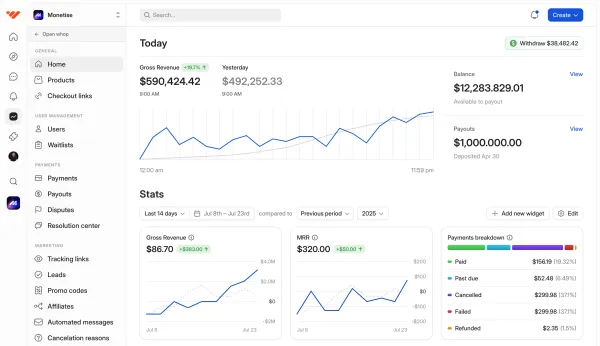
The best way to sell pictures online in 2026 is with Whop — a platform built for creators to sell digital art, photos, and designs effortlessly. Explore 10+ more options in this guide.
Key takeaways
- Zero-fee platforms like Whop let photographers keep more profits while building a brand and storefront.
- Stock photo sites offer passive income through royalties, but require volume and consistent uploads to generate meaningful earnings.
- Specializing in a specific photography niche helps build stronger audiences and makes your work more recognizable to buyers.
The best way to sell pictures online in 2026 is with Whop, a creator-first platform where photographers and designers can turn their work into income without paying monthly fees.
Whop makes it easy to upload your photos or illustrations, set your price, and start earning passive income, all while keeping full control of your storefront. You can even expand beyond photos and sell other digital offers like courses, presets, or design bundles.
Of course, Whop isn’t the only option. Whether you’re a hobbyist, freelancer, or full-time creative, there are plenty of other places to sell your work — from stock photo sites and digital marketplaces to print-on-demand stores.
Below, we’ll break down the best ways to sell pictures online, how much you can earn, and which platforms are best for your goals.
Best way to sell pictures online

The best way to sell pictures online is to use a platform that helps you actually make money, not just showcase your work.
Whether you’re a photographer, illustrator, or digital artist, the right platform will handle payments, hosting, and exposure so you can focus on creating.
Let's break down the top ways to sell your photos and designs online — starting with the marketplaces that make it easiest to get paid.
Sell on marketplaces
The easiest way to sell pictures online is through digital marketplaces. They give you built-in traffic, simple tools, and instant ways to get paid for your work.
Here are the best platforms to sell your photos and designs — starting with Whop, built for creators who want to monetize fast.
Whop

Whop is the best platform for photographers and visual creators who want to sell their work and build a brand at the same time. It’s more than just a marketplace — it’s a full storefront where you can sell photos, offer exclusive access to your portfolio, or even bundle your images with tutorials, presets, or memberships.
You can launch in minutes, track every sale in real time, and grow your audience through Whop’s built-in marketplace and community tools.
Pros of Whop:
- No monthly fees/fixed costs
- Intuitive navigation
- Integrated apps for ease of setup
- Option to add memberships, courses, or bundles
Best for: Photographers and artists who want to monetize their work and build an audience under one roof
Etsy
Known for selling vintage and handmade products, Etsy is a very popular marketplace that has also become widely used by digital artists, graphic designers, and photographers to sell pictures, illustrations, printables, and other types of digital material.
Pros of Etsy:
- Large audience
- Easy to set up
- Caters to handmade and digital products
Cons of Etsy:
- Highly competitive due to its massive user base
Best for: Artists selling digital downloads, handmade prints, or custom illustrations
Creative Market
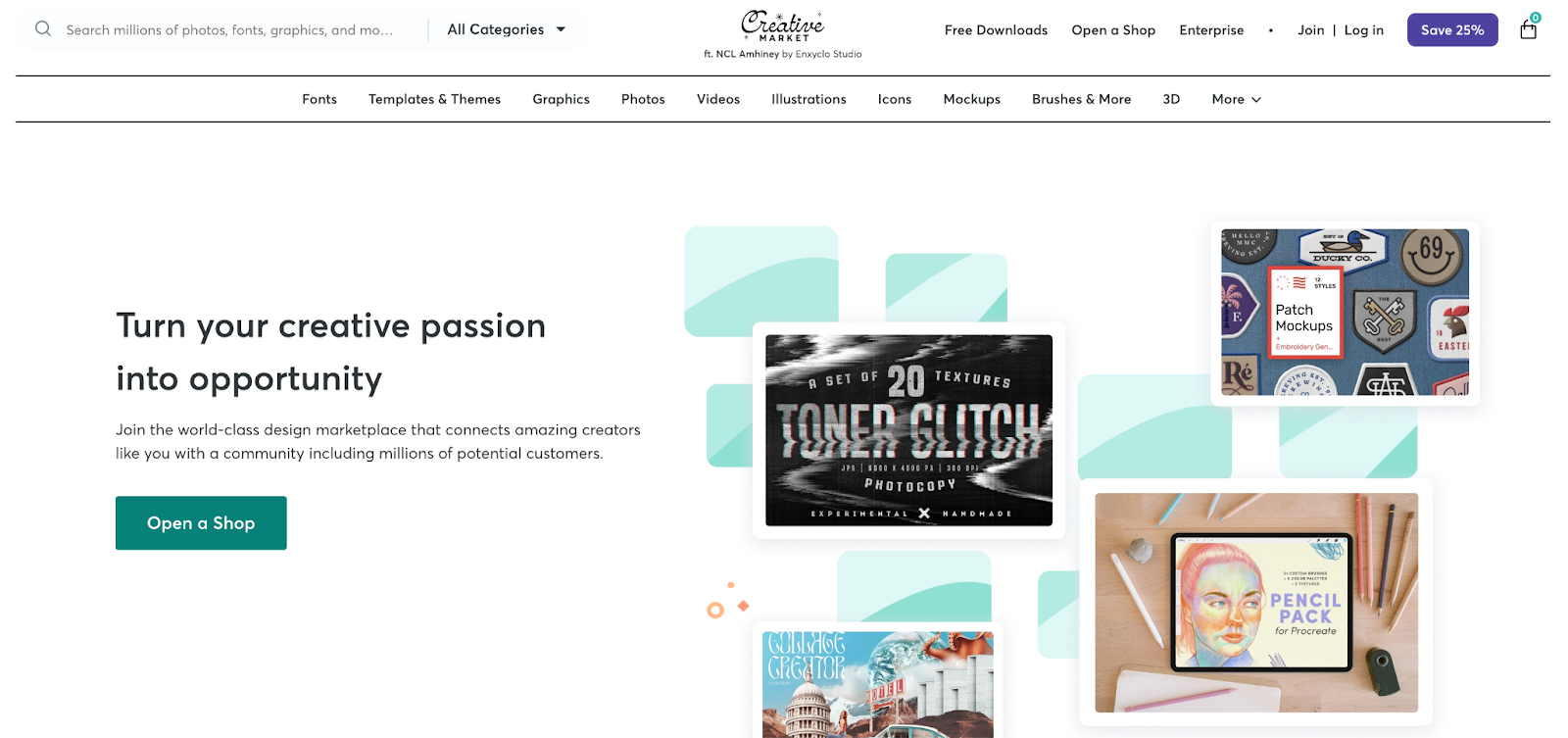
Creative Market is a marketplace entirely focused on selling assets. From fonts, icons, and mockups to illustrations, videos, and pictures, of course. The platform allows you to open a storefront with several customization and pricing options. It favors the sale of photographs in bundles, but the platform's main focus is graphic illustrations, so it may be better suited for designers.
Pros of Creative Market:
- Focused on assets, such as photographs and illustrations
- More control over pricing
Cons of Creative Market:
- Being a platform focused on a single niche, the competition can be high
Best for: Artists creating illustrations, fonts, or design tools; photographers selling themed photo bundles
Publish on stock photo and illustration websites
The easiest way to earn passive income from your photos is by uploading them to stock image sites. Each time someone downloads or licenses your work, you earn a royalty, making it a simple, hands-off way to monetize your photography.
Here are some of the top stock photo platforms where your pictures can start earning for you.
Shutterstock
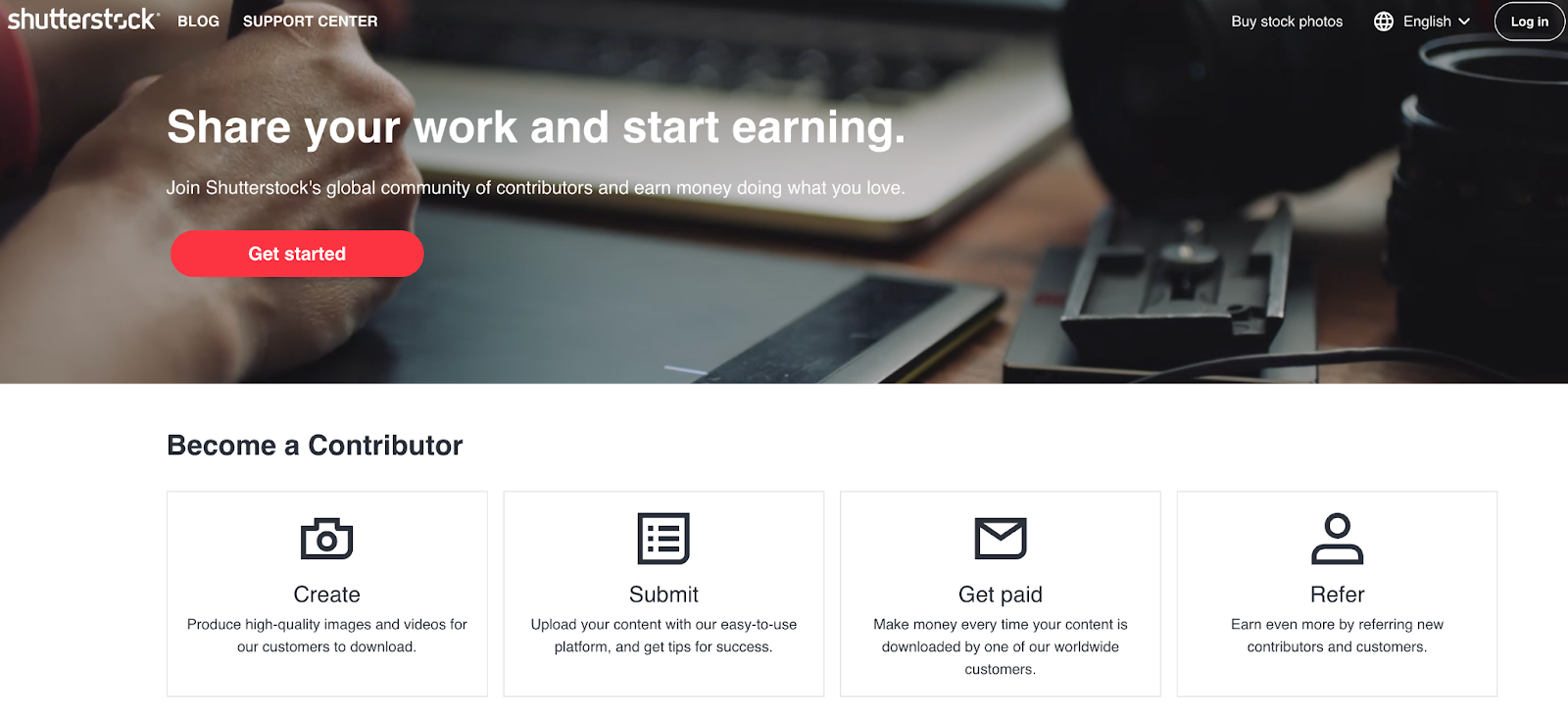
One of the most popular stock websites on the market, Shutterstock contains everything from stock photos, vectors, and illustrations to videos, motion graphics, and even music. Shutterstock pays royalties based on the number of downloads your photos receive, so keeping a strong portfolio and updating your offerings with new pictures is essential.
Pros of Shutterstock:
- Shutterstock is one of the largest websites for stock photos, meaning it has a massive user base that can easily find your pictures and earn you income
- You receive recurring royalties each time one of your pictures is downloaded
Cons of Shutterstock:
- Competition is massive
- There are thousands of pictures and illustrations on the platform, so it may take some time before you see some profits
Best for: Professional photographers and illustrators creating versatile, in-demand content
Adobe Stock
Part of Adobe Inc., Adobe Stock offers millions of high-quality images. It’s a marketplace integrated with Creative Cloud, which makes it easier for designers and photographers who already use Adobe tools, like Photoshoot or Illustrator, to publish their work on the platform.
Adobe Stock is known for offering higher royalties than other platforms; however, the website is very strict about the quality of images and illustrations. Less experienced professionals may find it difficult to sell on this platform.
Pros of Adobe Stock:
- Offers higher royalty rates than some competitors
- As a well-known marketplace, it has an established user base that facilitates conversions
Cons of Adobe Stock:
- Requires high-quality, professional-grade work to stand out; less experienced creatives may not have high conversion rates
Best for: Experienced and skilled creatives already using Adobe tools and looking to monetize their work
iStock
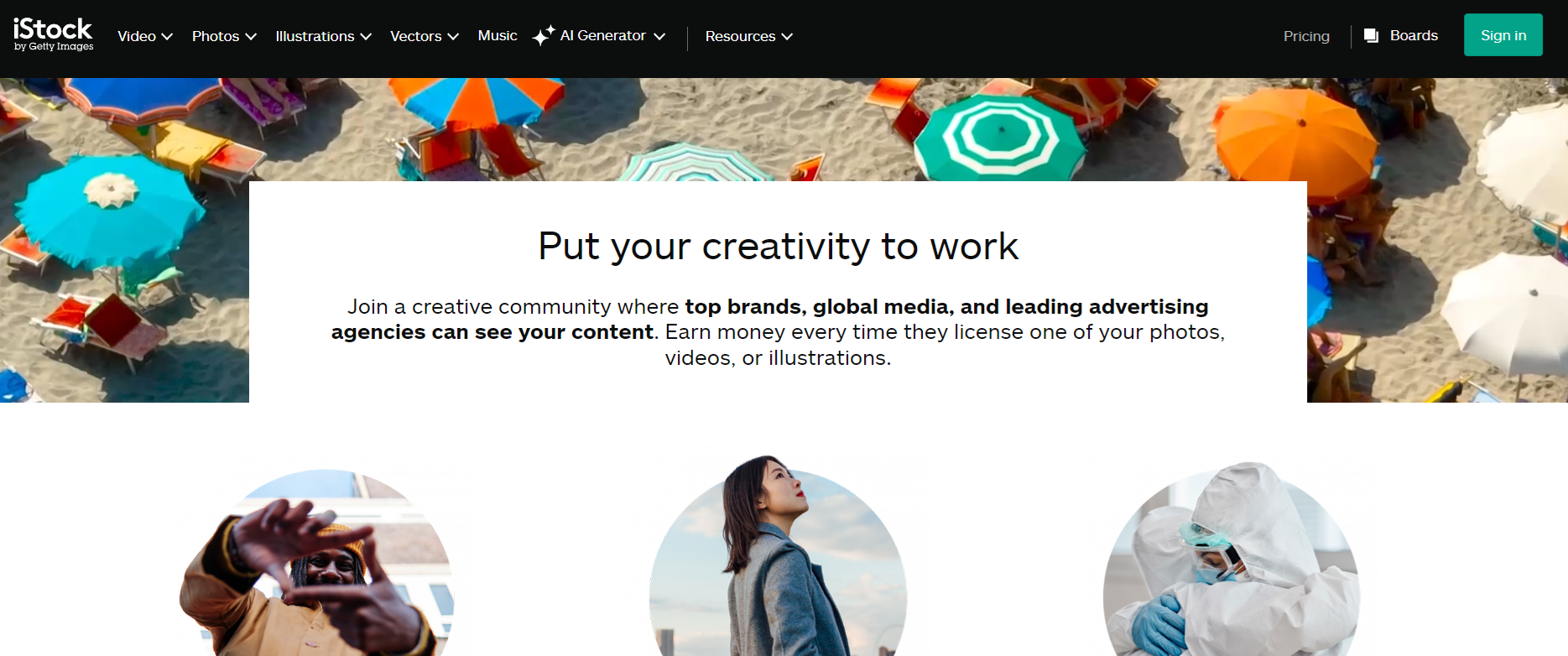
iStock is an international micro stock photography provider. Considered a true pioneer in the crowd-sourced stock industry, it became the original source for user-generated stock photos, illustrations, and video clips. It’s a platform that focuses on image licensing, allowing large companies to license your pictures for commercial use.
Pros of iStock:
- Wide reach through Getty Images; excellent for commercial buyers
Cons of iStock:
- Offers lower royalties for contributors compared to larger platforms such as Shutterstock and Adobe Stock
Best for: Photographers aiming to license content to businesses and media outlets
Use print-on-demand platforms
Print-on-demand platforms let you upload your pictures and illustrations and sell them as prints, phone cases, clothing, and more. These platforms usually handle production, shipping, and customer service, allowing you to focus on creating.
Let's take a look at some of the best print-on-demand websites:
Redbubble
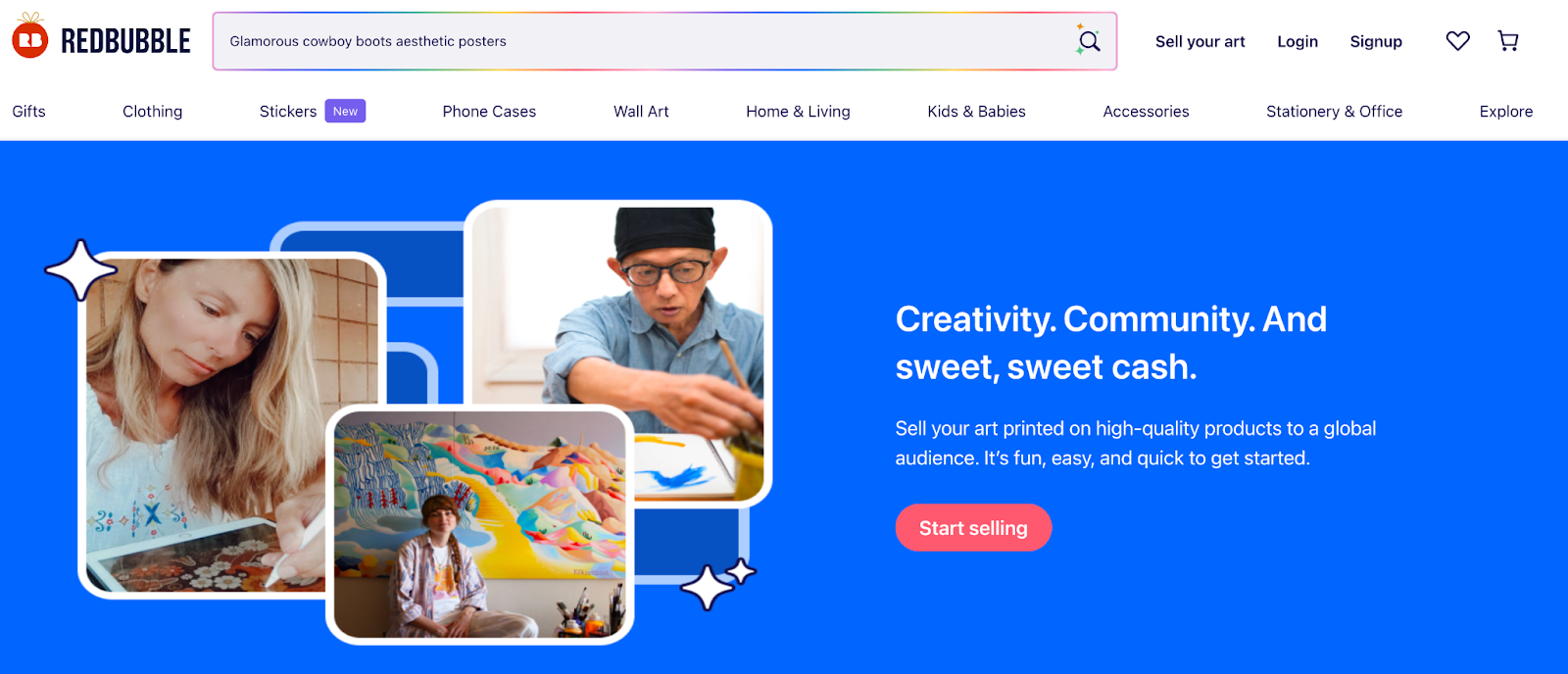
Redbubble is a popular marketplace for independent artists and graphic designers to sell their illustrations. These designs are then used to make over 70 different types of products such as t-shirts, mugs, and phone cases. If your illustration is used, you earn commissions, as simple as that.
Pros of Redbubble:
- Easy to use, handles production and shipping, global audience
- Well-known in the print-on-demand industry with a solid user base
Cons of Redbubble:
- Offers low profit margins
Best for: Graphic designers or artists looking to digitally sell artwork with minimal effort
Society6
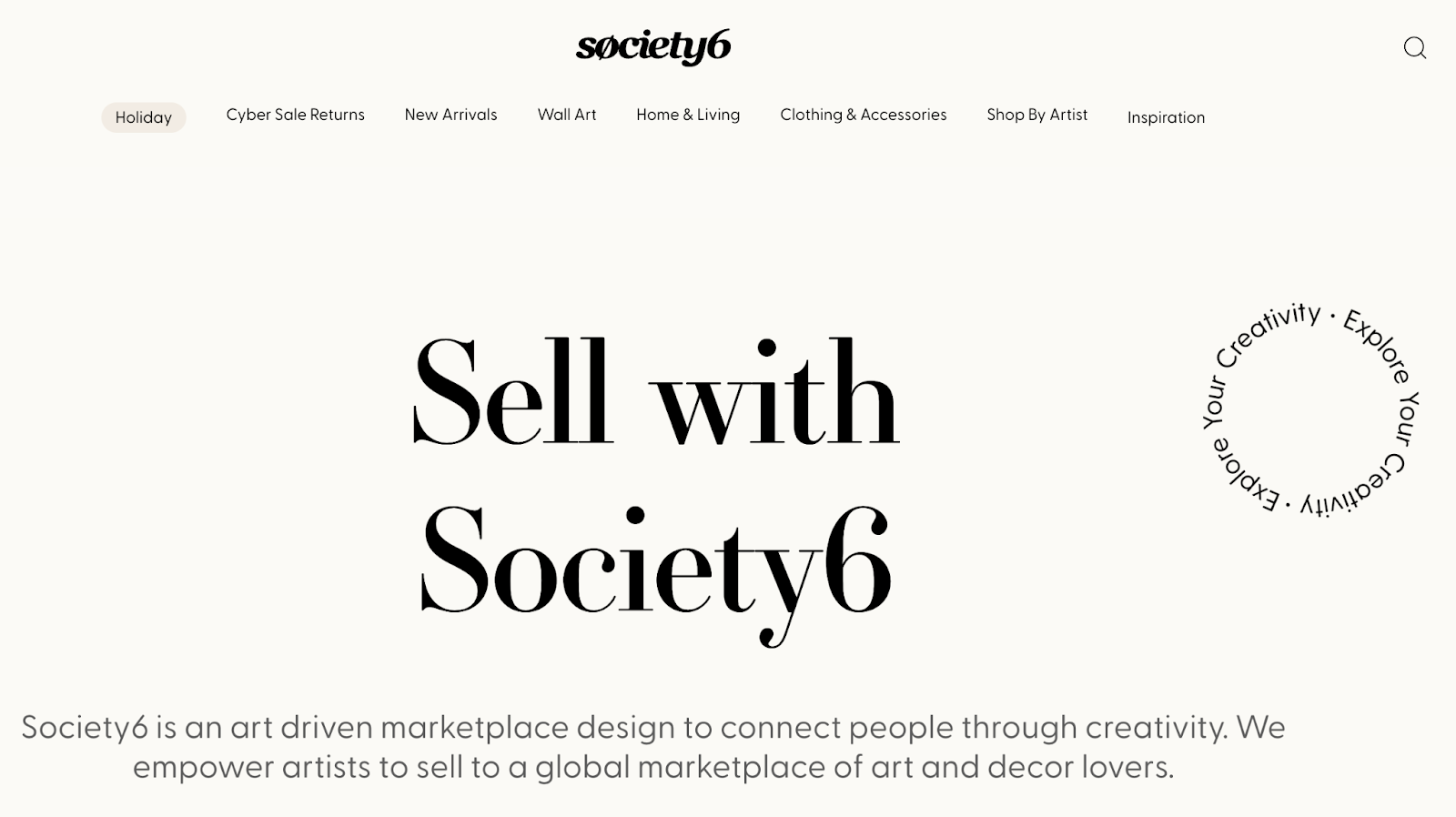
Society6 is a more curated print-on-demand platform specializing in home décor, wall art, and furniture. It’s an aesthetics-centric marketplace with a target audience that values creative illustrations and pictures for printing, making it ideal for photographers, designers, and artists with sophisticated, artistic-driven styles in their works.
Pros of Society6:
- Straightforward platform; you upload and if your picture or illustration is sold, you receive a commission
- More artistically conscious target audience that constantly seeks new and creative designs
Cons of Society6:
- As this is a marketplace for a more artistic niche, "common" products may not perform well
- Smaller user base than more popular print-on-demand platforms such as Redbubble
Best for: Photographers, designers, and artists who want their work featured on elegant, premium products
Create your own website
The best way to fully own your photography business is to sell through your own website. It gives you complete control over pricing, branding, and how your work is presented. When customers buy directly from you, they see you as the artist behind every piece, helping you build trust and long-term recognition.
This route works best for photographers who already have an audience or want to grow a personal brand. You can still use marketplaces and stock sites to drive traffic back to your site, where you keep more of your profits.
Just remember: running your own site means handling SEO, payments, and site performance yourself. Using a builder like Squarespace or Wix can make setup easier, but you’ll still need to attract consistent traffic to see results.
Use social media marketplaces
Social media is one of the fastest ways to get your photos in front of buyers. Platforms like Instagram, Facebook, and Pinterest now include built-in shopping tools, letting you sell directly through posts or link to your storefront.
Because these platforms are visual-first, they’re perfect for photographers and designers showcasing their work. Post samples, behind-the-scenes shots, and exclusive offers, then link followers to your store or website.
It’s not as hands-off as stock photo sites, but it’s a great way to build visibility, connect with your audience, and turn followers into paying customers.
Tips for selling pictures online
Want to stand out and actually make money selling photos online? Here are a few key strategies that separate successful photographers from the rest:
1. Find your niche
Don’t try to sell to everyone. Whether it’s travel, fashion, or abstract art — specialize. Clear niches build stronger audiences and make your work more recognizable.
2. Build a clean portfolio
Your portfolio is your storefront. Keep it updated, highlight your best work, and link directly to where people can buy.
3. Stay active and engaged
Post consistently, share behind-the-scenes shots, and talk to your audience. Engagement builds trust, and trust leads to sales.
4. Keep learning
Photography trends and tools change fast. Keep improving your craft, study top creators, and stay on top of what’s working in the market.
Sell your pictures online with Whop
Whop isn’t just a platform, it’s a place where creators build real businesses. You can upload your photos, track your earnings in real time, and get paid without worrying about fees or complicated setup.
Beyond sales, Whop connects you with a community of entrepreneurs and creators who are already making money online. You’ll find courses, tools, and communities that teach you how to scale your brand, grow your audience, and create multiple income streams, from selling art to launching memberships or affiliate offers.
Everything you need to start and grow your photography business is already here. All that’s left is to take the first step.
Best way to sell pictures online FAQs
Frequently asked questions about the best way to sell pictures online.
How much money can I make selling pictures online?
Earnings vary based on platform, pricing, and demand for your work. Stock platforms often pay small royalties but rely on volume, while exclusive art or limited prints can generate higher profits per sale.
Why should you sell your pictures online?
Because your creativity can earn for you, even while you sleep. Whether you’re a hobbyist or a seasoned photographer, it’s one of the easiest ways to turn your passion into profit.
Here’s why it’s worth doing:
1. You can monetize your skills
If you already love creating, why not get paid for it? Selling your photos online lets you earn from your creativity — whether that’s through stock images, digital downloads, or physical prints.
2. Your work reaches the world
Digital platforms make your art instantly global. No shipping, no inventory — just uploads that can be seen (and bought) anywhere. It’s also a great way to build a portfolio, grow your reputation, and even attract brand partnerships.
3. There’s a market for every niche
Nature photography, lifestyle shots, abstract design — whatever your style, there’s an audience and platform that fits it. Selling online gives you full control over how and where you share your work.
4. You can earn passive income
Once your photos are uploaded, they can sell again and again. Stock photo sites, digital marketplaces, and print-on-demand platforms all let you generate income without constant effort — just keep adding fresh content to stay visible.