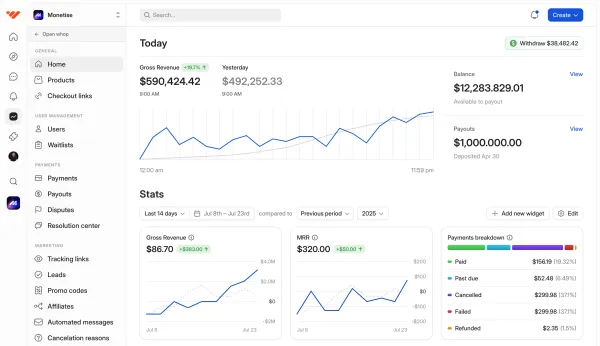
From chaos to cash: see how women are turning memes, humor, and raw honesty into six-figure side hustles. Learn how to build your own online community and monetize your content with Whop.
Key takeaways
- Women are building six-figure incomes by turning relatable chaos and dark humor into meme-based personal brands.
- Successful meme creators monetize through paid communities, merchandise, brand partnerships, and tiered memberships.
- Authentic vulnerability and emotional honesty create stronger audience loyalty than polished influencer content.
Came to meme, stayed for the bag.
Across Instagram, X, TikTok and Discord, I’ve noticed a trend:
Women are turning sh*tposting into six-figure side hustles. And they’re doing it with unmatched style, sarcasm, and self-awareness.
It might have been for the plot to begin with. But now, these girls have turned memes into money, building personal brands along the way and stacking income streams.
They’re building upon what makes women tick: a natural drive for community, sisterhood, and belonging.
It’s the side hustle you were never supposed to take seriously, making significant cash.
The meme-girl economy explained
It started with the group chat.
Y'know, the one where everyone’s posting screenshots of unhinged DMs, red flags, and emotional breakdowns – and one friend says, “Hey, you should post that.”
What used to be “too personal” for public consumption has become the foundation of a new kind of creator economy.
It’s the kind of cringe-to-be-free mentality that’s rising in recent years in internet spaces.
Meme girls aren’t here to curate perfectly aspirational lives; they narrate the mess in real time.
And that honesty has built something better than followers: community.
When someone memes your exact intrusive thought, it’s not just relatable, it’s a bonding signal.
And where there’s a bond, there’s value.
Memeing: It's different from influencing
These women have flipped the old influencer model on its head.
They’re not chasing brand deals with polished curation; they’re creating brands out of themselves and their mess.
They sell digital access, create merch, partner with huge-name brands, and land affiliate deals non-stop.
And because of their chosen niche, they’re able to promote products, services, and companies that actually align with their audience and don’t feel like a desperate flog.
They move audiences from the feed to paid, premium spaces, turning engagement into income.
These women are birthing a new internet subculture where emotional labor, humor, and hustle collide.
And I’m here for it.
7 women behind the internet’s funniest (and most profitable) meme pages
These girls aren’t just posting for laughs. They’ve built cult-like communities that engage, share, and spend.
From hyper-specific humor to emotionally aware content, each of these women has turned what started as “just a meme page” into a distinct digital identity and income stream.
1. @manicpixiememequeen
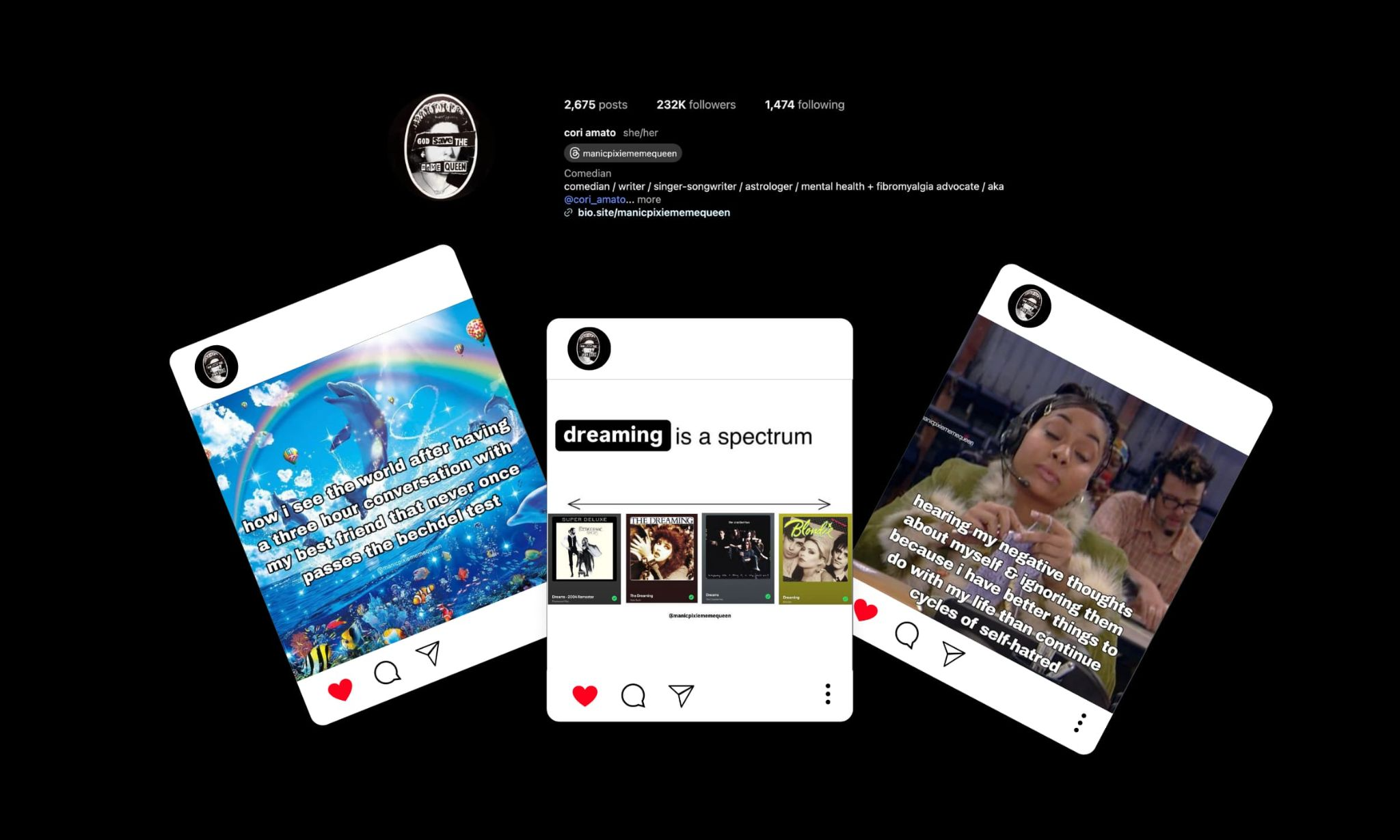
The internet’s patron saint of chaotic girlhood, Cori Amato Hartwig (a.k.a Manic Pixie Meme Queen), blends dark humor, pop culture, and self-deprecating wit into memes that feel ripped straight from your group chat.
There’s a reason this page feels like a conversation with your funniest, most unhinged friend.
Her feed mixes dark humour, absurdity, and raw self-awareness in a way that makes people feel seen, maybe even seen too much – and that’s addictive.
It’s feminine chaos, but intellectual. Sardonic, but sincere. She’s not just making jokes; she’s building a mirror to the collective female psyche.
It’s that honesty and rawness that keep followers hooked, sharing, and coming back for more.
Why her niche works
She’s nailed the art of emotional irony, creating memes that say what everyone’s thinking but would never actually say themselves.
Her blend of self-deprecation and sincerity hits that sweet spot between funny and uncomfortably real, creating a sense of intimacy with followers.
How she monetizes
Cori’s built multiple income streams around her online persona, which is the key.
She sells her own merch through Redbubble, accepts community tips via Venmo, and drives traffic to her personal site and blog, where she can host sponsored content or affiliate links.
2. @sighswoon
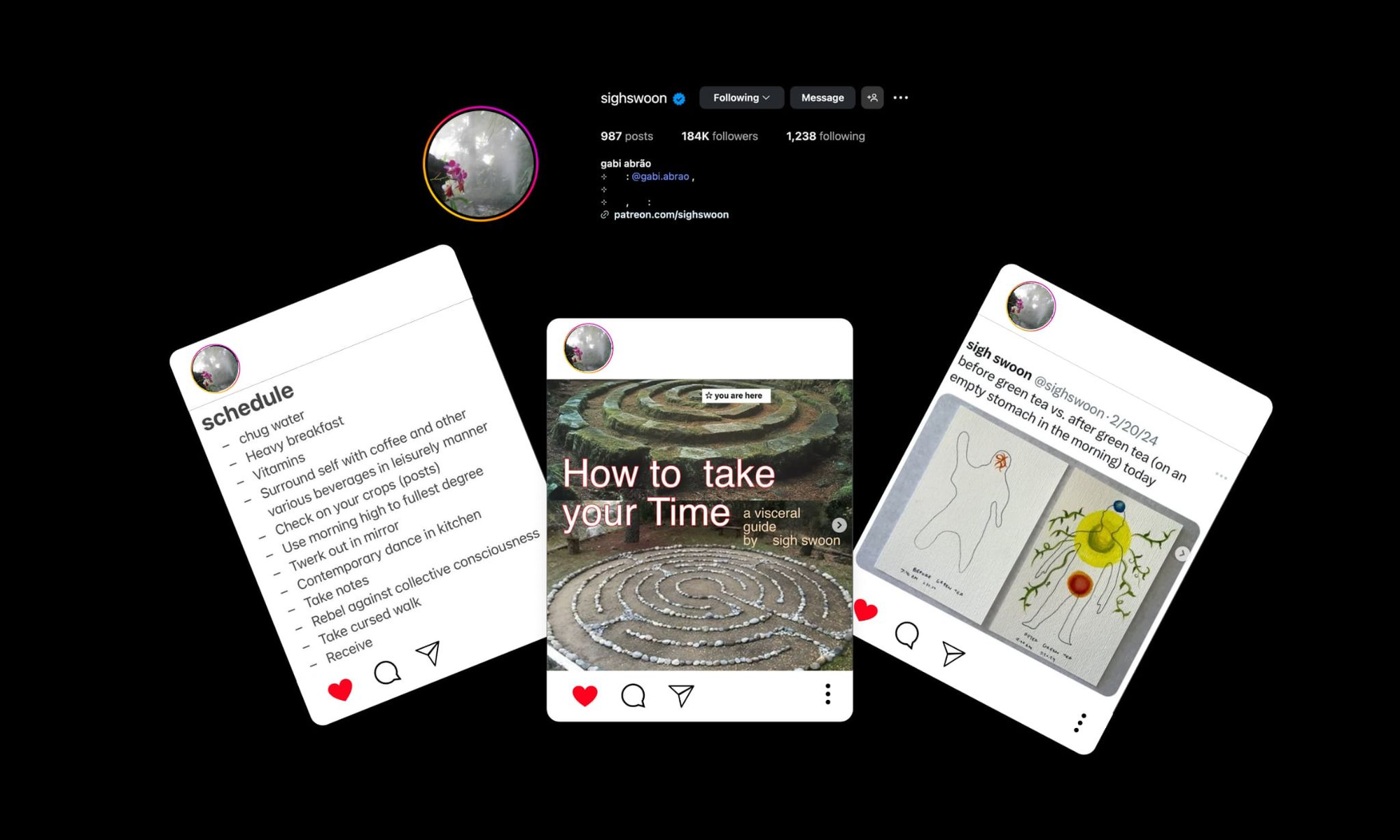
Romantic, existential, and a little bit cursed, Gabi Abrão (@sighswoon) has built a following off memes that feel like soft poetry disguised as screenshots.
Her content lives somewhere between heartbreak and high-brow art, a safe space that resonates deeply with her audience of chronically online romantics.
It’s not just meme content; it’s moodboard culture distilled into bite-sized, shareable snippets.
The account’s following is fiercely loyal because it’s built on recognition: a “she gets it” energy.
Why her niche works
Sighswoon’s content sits at the crossroads of vulnerability and aesthetic curation.
It’s melancholy that also looks good on the feed – soft, stylised, and shareable. It’s content that’s personal but polished, giving her audience permission to be dramatic, emotional, and authentic.
How she monetizes
Gabi monetizes primarily through exclusive paid content. She has over 3,400 members who pay for access to 300+ exclusive posts and behind-the-scenes content.
She offers tiered memberships (starting at $3.33/month) so that casual supporters and devoted fans alike can join. Through her paywall, she turns sensitive, emotional, and poetic content into recurring revenue, and you can do it too, here on Whop.
3. @traumabcdiscordboys
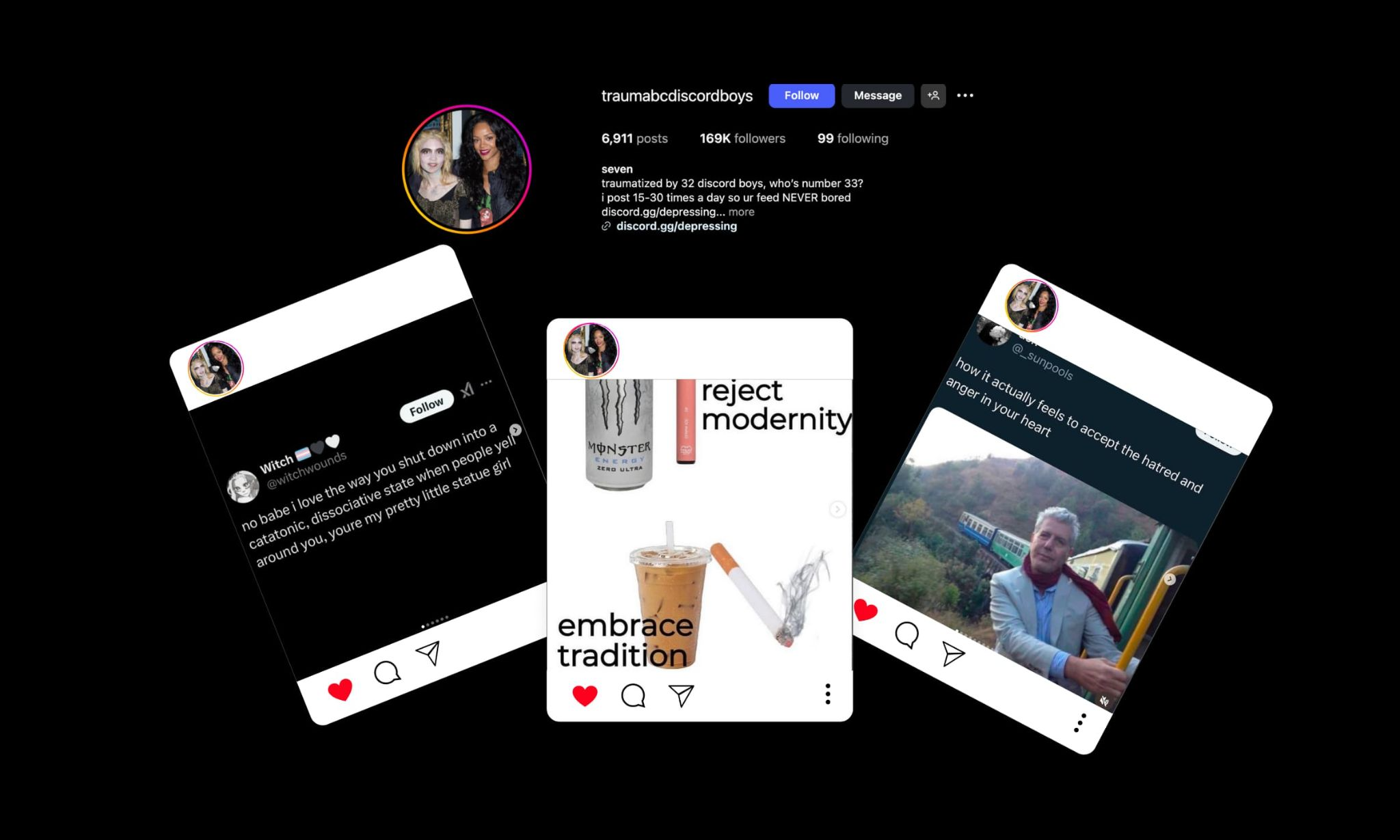
This page sits at the exact intersection of trauma humour, internet stimulation, and dating app exhaustion. Triple threat, really.
@traumabcdiscordboys (known as Seven) weaponises irony to dissect how we talk about mental health, masculinity, and relationships online. The humour is sharp, messy, and hyper-referential (you know, the kind of content that usually thrives in private group chats).
Her audience isn’t just laughing; they’re connecting over shared experiences of mental health, toxic relationships, and the chaos of growing up chronically online. It’s Gen Z satire with heart, and that’s what keeps people hooked.
Why her niche works
A brand on decoding modern dating and mental-health culture through humour that’s painfully accurate – it’s a niche that thrives on recognition.
Her blend of dark humour, irony, and internet slang makes the content culturally relevant and relatable.
How she monetizes
While her Discord server is free to join, Seven monetizes through audience donations, brand collaborations, affiliate links, and paid partnerships.
The Discord functions as a funnel, building intimacy and credibility that she can later channel into sponsored content, merch drops, or digital campaigns.
It’s a smart long-game: instead of charging for access, she creates a high-trust audience that brands want to tap into, letting her profit from relatability without ever breaking the fourth wall.
4. @swipes4daddy
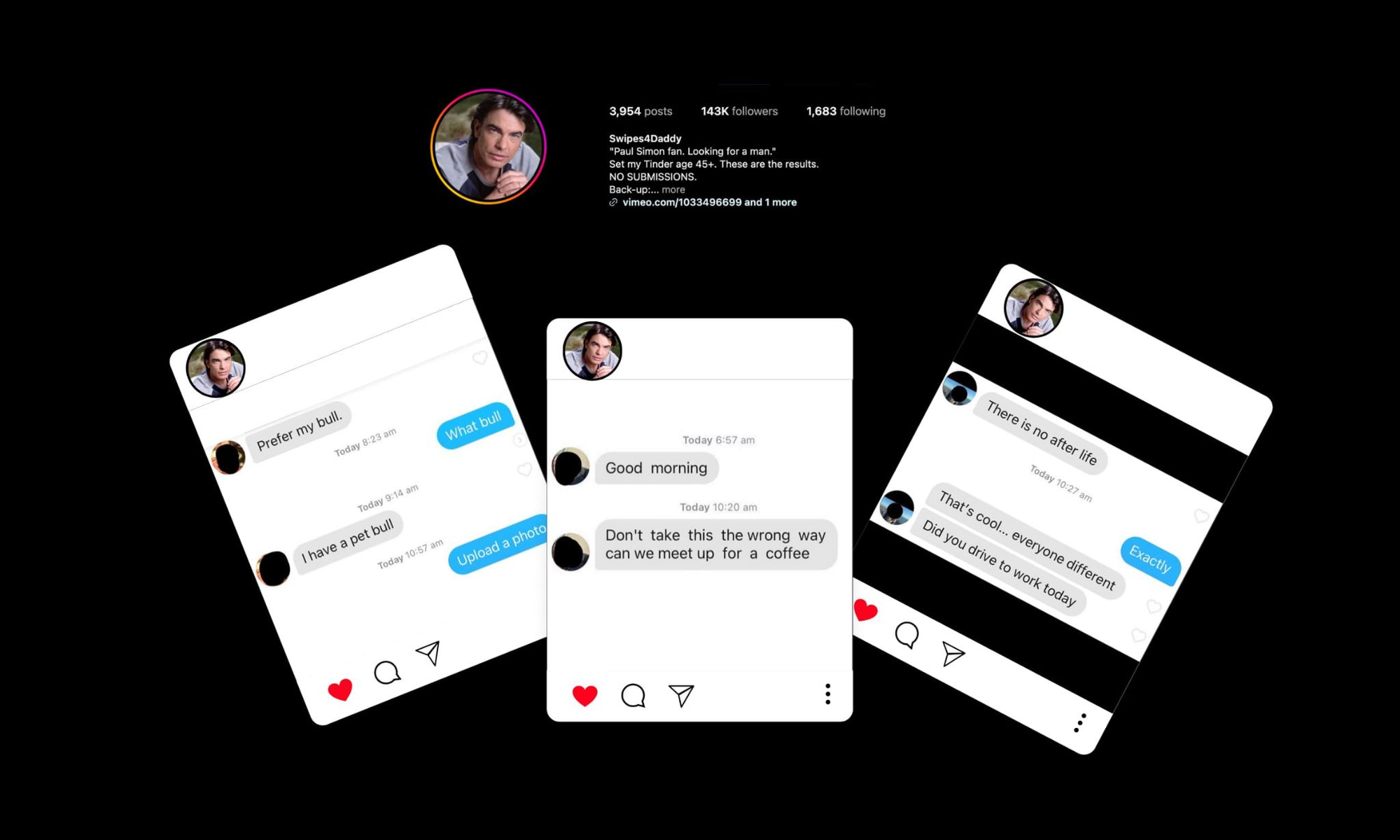
A veteran of the meme space, frankly. Few creators have captured the absurd horror of dating apps quite like @swipes4daddy, run by Erika Gajda.
This is meme therapy for anyone who’s ever been ghosted, gaslit, or sent a “wyd” text against their better judgment. Her content is a little raunchy, hugely entertaining, and still somehow self-aware, turning cringe moments into community.
Behind the jokes about hinge prompts and hookup culture is a real conversation about what it means to date in a hyper-digital, post-irony age. Followers come for the laughs, stay for the community trauma-bonding.
Why her niche works
Erika captures the universal experience of dating in 2025: awkward, performative, a little nihilistic. And then she turns it into communal comedy.
Her humour isn’t aspirational; it’s confessional, which makes every meme feel like a shared secret between friends. For every interaction she shares, a resounding chorus of women relates in the comments. It’s cathartic.
How she monetizes
While Erika’s revenue streams are a little more discreet, she likely makes a big chunk from creator earnings, as well as through her paid newsletter.
Her Instagram content remains free to consume, but the newsletter offers exclusive memes, commentary, and curated content behind a subscription paywall.
This strategy lets her turn her engaged audience into paying supporters, creating a predictable revenue stream. Slay.
5. @electrasoul444
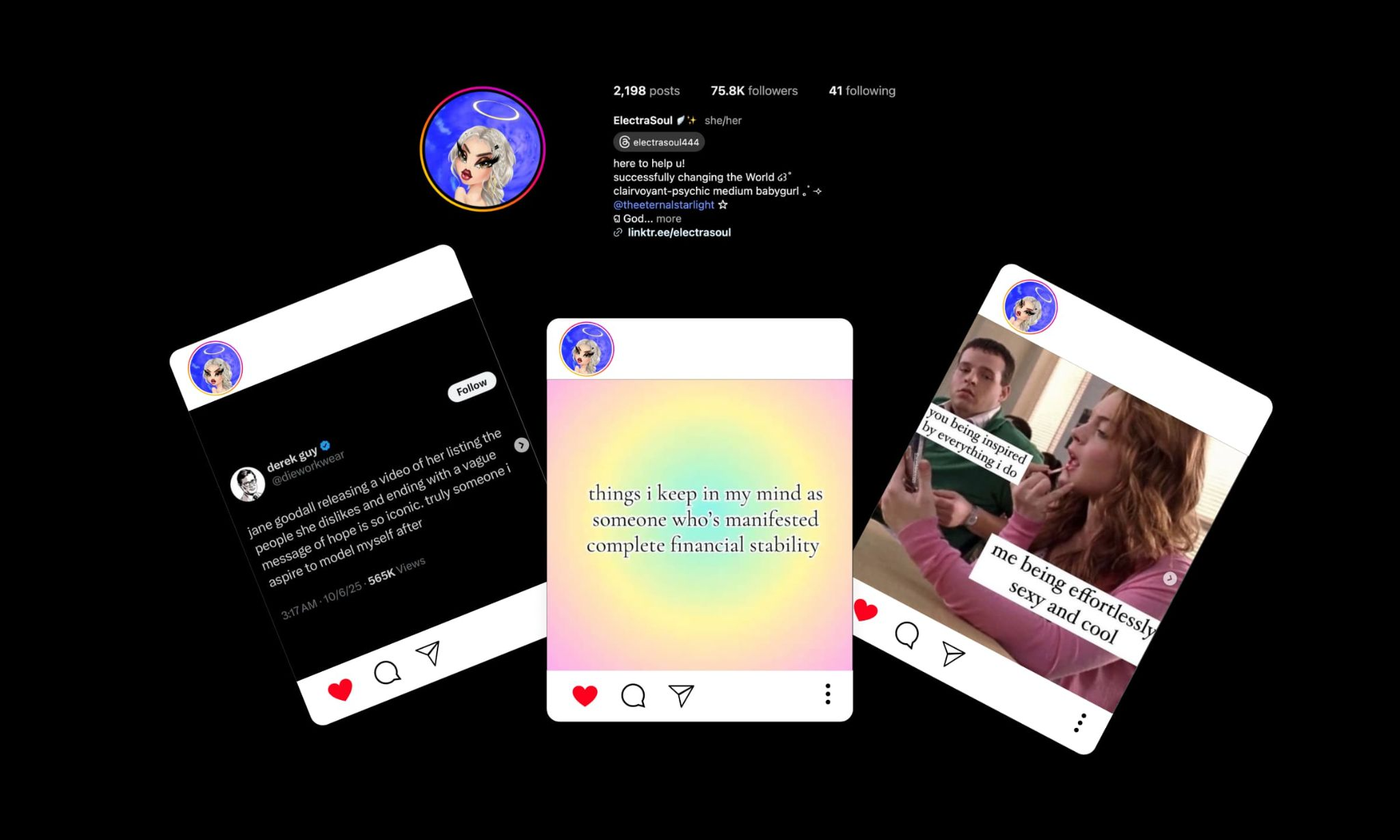
Spiritual awakening meets meme magic. @electrasoul444 (real name unknown) fuses astrology, self-healing, and divine feminine energy with a tongue-in-cheek theme throughout.
Her posts speak to women who are chronically online and chronically self-aware. Like, those who oscillate between tarot cards and crying to Lana Del Rey.
Yes, I’m referring to myself. Whatever.
It’s this mix of spirituality and satire that gives her memes their power (and puts money in her pocket). It’s encouragement, emotional validation, and select humour. Her comment sections often read like group journaling sessions.
Why her niche works
She merges two of the internet’s biggest cultural threads, spirituality and self-awareness.
The page is a hybrid space where followers can learn about shadow work and laugh at memes about emotional breakdowns at the same time. Her audience connects because she turns healing into humour.
How she monetizes
@electrasoul444 monetizes in many ways, all relative to her niche of spirituality. Her content acts as a funnel into her store that offers apparel, readings, and spiritual coaching and services.
She also earns through social media creator earnings, as well as audience donations and tips through Venmo and Cash App.
6. @becccamooore
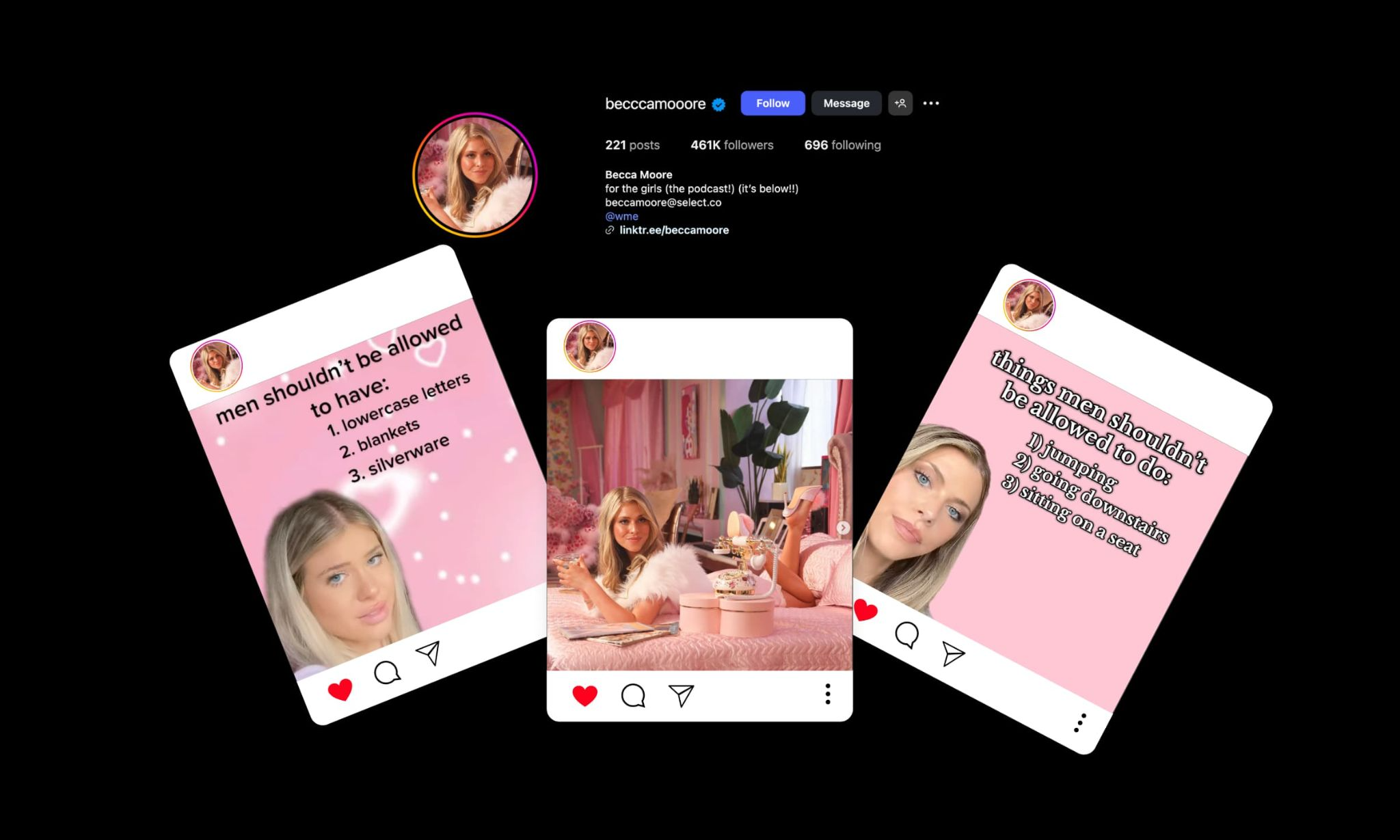
Becca’s content feels like a diary: raw, honest, maybe a little over-sharing – but in the best way.
She mixes storytimes, bad date recaps, and emotional chaos with lifestyle content and aesthetics: fashion, beauty, and everyday musings.
Her honesty on heartbreak, public identity, and romantic messes gives her content weight, because her audience isn’t following just for laughs; they’re following for vindication.
Becca hosts the podcast For The Girls, creates highly shareable short-form videos, frequently references relationship and life struggles, and brings humor into what many creators keep hidden.
This means her audience always feels like part of the conversation.
Why her niche works
Becca’s superpower is storytelling. She turns personal chaos into content, making her audience feel both seen and entertained.
Her posts nail that “influencer-but-make-it-unfiltered” take that Gen Z loves. It’s funny, emotionally messy, and human.
The parasocial connection is kind of the point; she’s not performing perfection, she’s narrating her own growth in real time and building a club for girls to connect. Plus, she’s really f*cking funny.
How she monetizes
Becca has built a multi-layered monetization strategy around her meme brand. It’s pretty high-level stuff.
She does product collaborations, such as her Red Paisley swim collection with JMP The Label, which provides direct sales revenue.
Then, her podcast, For The Girls, generates income through sponsorships, brand deals, and ad placements.
Becca also lands multiple brand partnerships, including with Jack Daniel’s and Jersey Mike’s, creating even more paid opportunities tied to her audience’s interests. Call her Becca Mogul, idk.
7. @real_housewives_of_clapton
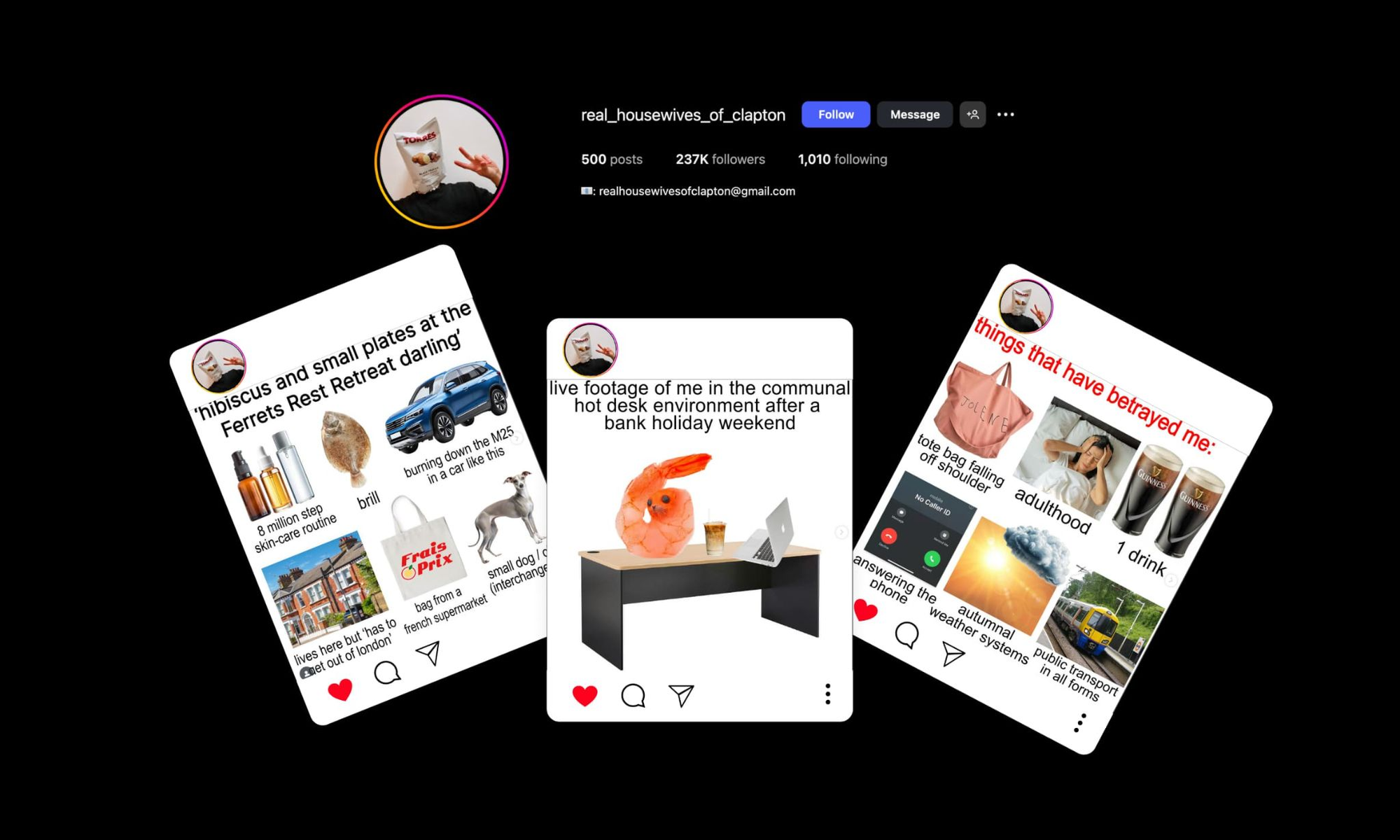
Real Housewives of Clapton is a satire meme page rooted in East London culture, delivering parodies of urban life: exaggerated gentrification, small-plates dining, and status symbols.
While the memes are basic in design, the tone is sharp, lovingly mocking, and very observant.
Plus, the anonymity adds to the mystique – she’s become a cultural commentator disguised as a meme account.
In an interview with The New Yorker, she mentioned starting the account in January 2023 "as a bit of a joke". She also expressed a desire to keep her identity private to avoid being recognized unfavorably in local coffee shops.
It’s all a bit Bridgerton, actually, but in 2025.
RHOC interacts with her community by reflecting shared culture and lifestyle in her memes.
She does local pop-ups (including a meme gallery with Lime Micromobility), merch collections, product partnerships (a line of pizzas with Yard Sale Pizza), and brand collaborations (with Bumble and Tony’s Chocoloney, to name a couple).Her audience buys in because the content feels hyper-local – but also universally relatable?
Why her niche works
Simple, it’s hyper-local satire with global appeal. Her memes land doubly, which is really clever. Yeah, they’re rooted in a specific culture (East London’s gentrified cool-girl ecosystem), but the themes (status, irony, self-awareness) are universal.
I live in Australia, and I see people liking memes about Pilates girls in SoHo – because, well, it’s not all that different from Melbourne. And probably not all different from NY.
The account gives local followers the thrill of being “in on the joke,” turning cultural commentary into community, which she then extends into IRL events and brand activations. Insane work, really.
How she monetizes
She’s transformed satirical commentary on East London culture into a profitable venture through various monetization strategies.
Her brand collaborates with local businesses, big-name brands, and everything in between.
Plus, she offers a range of merchandise, including T-shirts and candles, available for purchase on her website.
Why meme pages are a winning business idea for women
Here’s the thing: these ladies aren’t grinding out complex products, coding apps, or building physical businesses from scratch.
What they’re doing comes naturally. They’re funny. They’re raw. They’re poetic, spiritual, or absurd — and they share it online.
That’s literally it.
Their “product” is themselves. Every meme, screenshot, or caption is something they already think, feel, or joke about.
Do you see what I mean? They didn’t need to learn or invent a new skill; they needed the courage to post their personalities where people could see.
“I put a good 1-3 hours a day into looking for memes; however, this is also time I'm looking at memes. Whenever I'm on Instagram, I find a few good ones I like and post throughout the day. I still enjoy doing it very much.”
— Redditor u/distorted.memes.v1, Instagram meme account owner
Because the internet rewards authenticity. And once you’ve built a brand people trust, it’s easy to monetize.
People pay to be part of communities where they feel seen, validated, or entertained. That’s why Substack subscriptions, Patreon memberships, merch drops, and brand deals follow naturally.
These girls aren’t hustling for content ideas; they’re monetizing what’s already a part of their daily lives.
Low-effort, low barriers, high profit
Memeing as a business works because it’s low-barrier, high-return, and literally endlessly scalable.
Your funny texts, late-night rants, group-chat screenshots, or spiritual musings can become an engaged audience, and eventually, income.
The only skill required is showing up consistently, owning your voice, and letting the internet do the rest.
TLDR: you don’t need a studio, a team, or a million-dollar idea.
You need authenticity, courage, and a sense of humour. If you have that? The rest follows.
How to turn followers into cash flow
If these queens have taught me anything, it’s this: followers aren’t just numbers, they’re a business. If you know your sh*t, that is.
The key is creating multiple avenues for your audience to engage (and pay up).
"Once my page hit 10K+ followers, I started making real money.
At first, it was small, but after studying how big meme pages monetize, my earnings skyrocketed."
— Anthony Lam, contributing writer at Medium
Here’s how you can do it, with Whop as your central hub:
Communities
Audiences wanna feel seen, connected, and part of something exclusive.
Private communities give them that.
With Whop, you can charge for membership, create tiers, and even offer perks like exclusive Q&A sessions, group chats, or behind-the-scenes access.
Your memes, insights, or niche content become the glue that keeps people coming back and paying.
Newsletters
A loyal audience is happy to pay for content they can’t get anywhere else, and that’s what Gabi Abrão (@sighswoon) has nailed with her earning strategy.sigh
Newsletters don’t need to be boring: think weekly meme drops, personal essays, or curated poems from your Notes app.
Whop allows you to set up subscription newsletters effortlessly, turning casual followers into paying fans.
Live streaming
From interactive storytime sessions to group therapy sessions with the girlies, live streams are a direct line to your fans.
Whop lets you monetize live events through ticketed access or VIP tiers, giving your audience a way to participate in real-time while generating income.
Engagement = cash.
Exclusive paid content
Exclusive content is a no-brainer.
More outlandish memes, essays, behind-the-scenes videos, or mini-courses (whatever your niche is) can live behind a paywall.
Think about how @electrasoul444 uses her meme page as a funnel to offer paywalled spiritual readings and services – you can do it too.
Whop makes it easy to charge per post, bundle content, or create ongoing subscription models, letting your most dedicated fans support you directly.
Merch
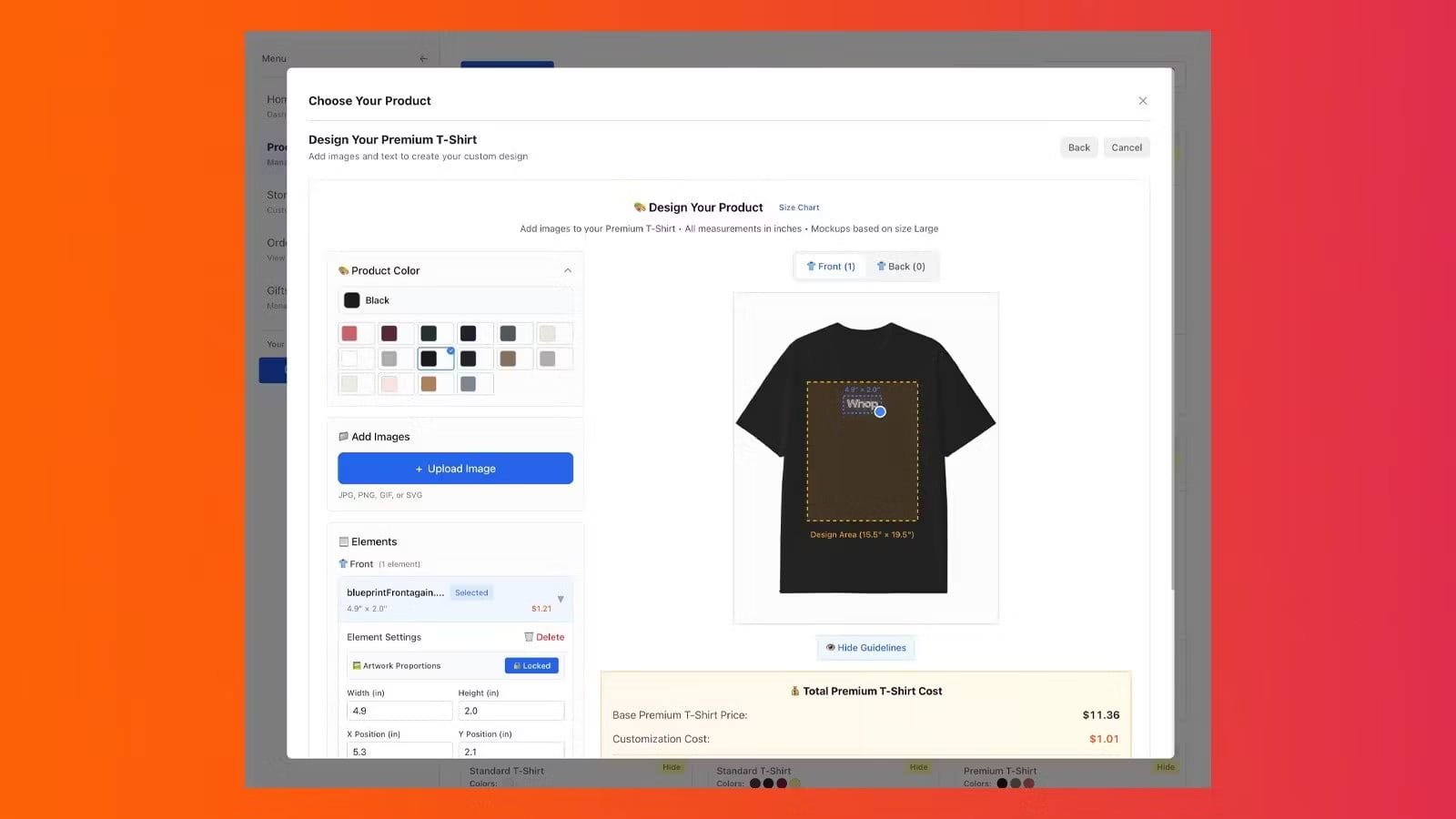
Memes aren’t just entertainment; they’re a brand. And they’re not only wearable, but sought-after.
Look at the brand O-Mighty – its entire aesthetic is built on girliepop internet culture:
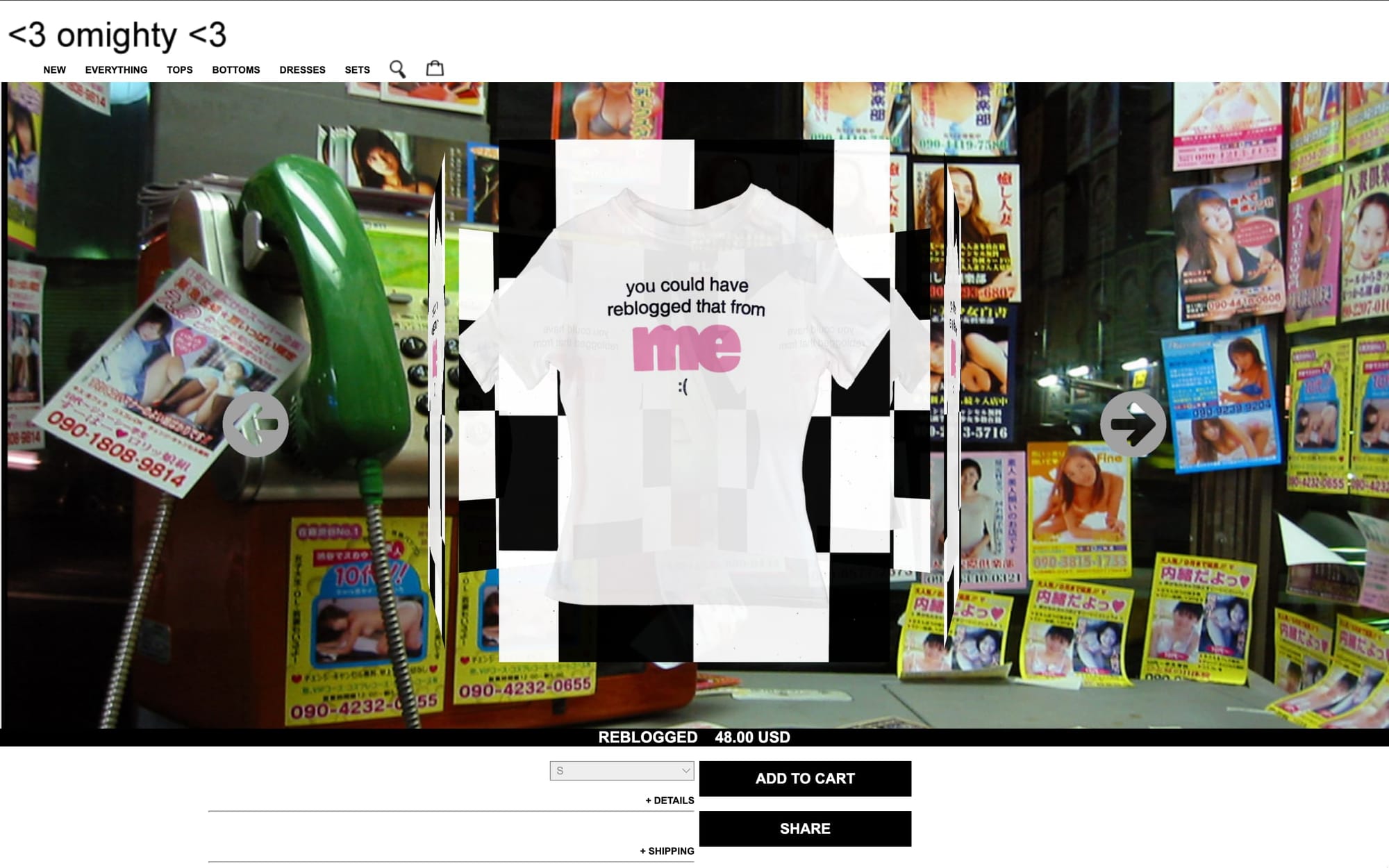
T-shirts, mugs, stickers, or digital goods translate your humor into tangible products, and Whop can centralize your store and audience, so your merch drops reach the people who already love what you do.
Fans buy the joke, wear the joke, and spread it (free marketing) while putting money in your pocket.
Show up, post, and get paid with Whop
Ladies, my point here has been simple: making money online doesn’t have to be complicated.
You don’t need a million-dollar idea, an info product, or a SaaS tool. You just need to show up, be yourself, and post what comes naturally.
These women are monetizing heartbreak, poetry, and spirituality – and you can too.
With the right tools, your followers can become your community, your newsletter subscribers, your live stream audience, your merch buyers, and your recurring revenue.
Whop lets you turn your authentic online presence into multiple streams of income, without overcomplicating things.
So stop overthinking. Just post your truth, your memes, your chaos. The internet is ready to pay you for being you. And with Whop, getting paid has never been easier.