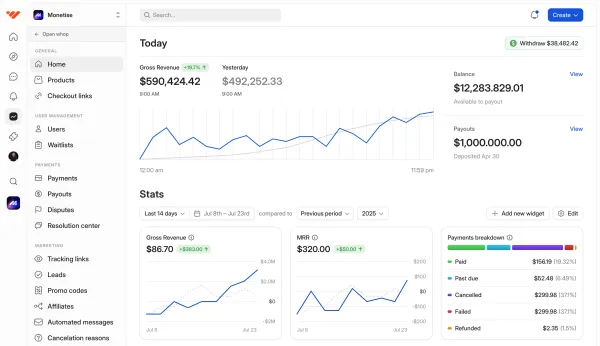
Online coaching is a way to teach, guide, and support clients through video calls, courses, and communities. It isn't therapy or counselling. Learn what online coaching is (and isn’t), and how you can build a business that lasts.
Key takeaways
- Online coaching helps clients achieve goals through awareness, action, and accountability rather than simply giving advice.
- Anyone with achieved skills others want to learn can start coaching without certifications or years of experience.
- Niche specialization allows coaches to build trust, charge premium rates, and attract the right clients.
Everyone seems to be a coach these days – but what does that actually mean?
Business coaches, life coaches, fitness coaches, confidence coaches – hell, there’s even a breakup coach somewhere in the ether who will tell you why your last date was a mistake.
It’s enough to make you wonder: is coaching just another buzzword, or is there an actual method behind the madness?
By the end of this guide, you’ll know exactly what coaching is, how it works, the different formats you can run (1:1 calls, group sessions, online courses, community coaching), the niches that are hot right now, and how to actually start a coaching business online.
Let’s get it.
What is online coaching? (Minus the buzzwords)
Online coaching is about helping someone reach their goals through structure, accountability, and mindset shifts.
It’s a partnership, not a lecture. It’s about helping people figure out how instead of just telling them what.
It's nothing like handing out advice on a sticky note or pretending to know it all on Zoom.
And no – coaching isn’t therapy, it isn’t consulting, and it isn’t mentoring (we’ll break down the differences later).
"The best product you can sell digitally is some sort of coaching or membership offer.
Make it surrounding something you're really passionate about or knowledgeable in."
- Diego Monroy from Whop
Like Diego says, if you’ve achieved something others want to learn (building a side hustle, hitting a fitness goal, leveling up in your career, or even mastering a niche hobby), you can coach it.
People will pay for guidance, accountability, and a framework that actually works.
And here’s the kicker: coaching doesn’t require decades of experience, a fancy certificate, or an Instagram following of thousands.
How online coaching works: The method behind the offer
Here’s a simple framework that almost every coach uses, no matter the niche:
- Awareness: Before you can make meaningful changes, you need to see your patterns. A coach helps clients understand their current behaviors, mindsets, and obstacles. This isn’t about judgment, it’s about clarity.
- Action: Once patterns are clear, it’s time to experiment. Coaches guide clients in testing new strategies, creating routines, and developing skills that will move the needle on their goals.
- Accountability: This is where the magic happens. Knowing that someone is checking in, reviewing progress, and giving structured feedback is a game-changer.
Coaches don’t tell clients exactly what to do; they help them figure out how to do it better.
Plus, online formats actually make it easier to track progress, automate reminders, and offer clients resources on demand.
Zoom calls, pre-recorded video programs, community-based coaching, or subscription-based guidance, the same principles apply.
Pro tip: Your online coaching doesn’t need to be perfect at launch. Start with clarity, actionable guidance, and accountability. Then, iterate as you grow. Clients will stick around because results matter far more than bells and whistles.
The main coaching niches (and how their offerings differ)
Coaching isn’t one-size-fits-all. Each niche attracts different clients, addresses unique challenges, and requires tailored approaches. Here’s a breakdown:
1. Life coaching
Life coaches don’t hand you a map and leave you to it; they help you draw the map yourself. From overcoming procrastination to discovering what you really want in life, life coaching is all about clarity and momentum.
"I found life coaching through experimentation! There were a couple I was interested in, so I started working with some clients in each area to see which niche I gravitated towards."
– u/DesignYourPath0 - founder of Thriving Coach Academy
- Who it’s for: People feeling stuck, overwhelmed, or ready for a major life change.
- What it helps with: Goal-setting, habit formation, work-life balance, confidence, and mindset shifts.
2. Business coaching
Business coaches often mix mentoring and structured guidance to help you avoid costly mistakes and accelerate growth. Think of them as your accountability partner for turning ideas into profits.
- Who it’s for: Entrepreneurs, startup founders, and managers looking to scale, pivot, or optimize their operations.
- What it helps with: Strategy, leadership, sales, marketing, and operational efficiency.
3. Fitness coaching
Online fitness coaching is booming because you can combine 1:1 calls, pre-recorded videos, and community challenges, perfect for digital-first fitness enthusiasts.
- Who it’s for: Anyone wanting to improve physical health, build strength, or achieve a specific fitness goal.
- What it helps with: Workout routines, nutrition guidance, weight management, and lifestyle accountability.
4. Mindset coaching
These coaches focus heavily on psychology and actionable exercises to rewire thinking patterns – ideal for people who want tangible mindset shifts.
- Who it’s for: Professionals, creatives, or anyone struggling with self-doubt or fear of failure.
- What it helps with: Confidence building, overcoming limiting beliefs, stress management, and mental resilience.
5. Career coaching
Career coaches combine insight with accountability to turn professional ambitions into actionable steps.
- Who it’s for: Job seekers, career switchers, and employees looking to level up.
- What it helps with: Resume optimization, interview prep, networking strategies, and career progression plans.
6. Relationship coaching
Relationship coaching goes beyond “just talk.” Coaches often provide structured exercises, like active listening drills, conflict resolution, and journaling prompts to help clients reflect on patterns and behaviors.
- Who it’s for: Singles, couples, or anyone wanting better interpersonal connections.
- What it helps with: Communication skills, conflict resolution, dating strategies, and emotional intelligence.
7. Health/nutrition coaching
Health and nutrition coaching is highly structured. Coaches often start by assessing a client’s current habits, dietary preferences, and fitness level. They then create a personalized plan, which may include meal templates, grocery guides, and nutrient tracking spreadsheets.
- Who it’s for: Individuals looking to optimize diet, manage health conditions, or adopt sustainable wellness habits.
- What it helps with: Meal planning, habit tracking, supplementation guidance, and lifestyle adjustments.
8. Niche coaching examples
Not vibing the above niches? Even highly specialized skills can be monetized with the right coaching approach.
“Clients pay more when they trust your expertise. When you own a niche, you can charge what you are worth.”
- Brett Malinowski, Head of Marketing at Whop
A freelance illustrator could offer portfolio reviews, technique tutorials, and live critique sessions, while a gamer could run strategy workshops, replay analyses, and practice challenges.
The key is structuring these sessions with clear learning objectives, resources, and follow-ups that help clients see tangible progress.
Here are some more niche examples:
- Sleep coaching: For people struggling with insomnia or irregular sleep patterns.
- Productivity coaching: Helps clients manage time, focus, and priorities.
- Spiritual coaching: Guides clients in meditation, mindfulness, or finding purpose.
Coaching vs. mentoring vs. consulting vs. therapy
Coaching, mentoring, consulting, and therapy are often lumped together, but they serve very different purposes.
While each approach does involve guidance and support, the methods, outcomes, and boundaries differ significantly.
Unlike therapy, coaching does not involve diagnosing or treating mental health conditions and is not regulated by medical licensing boards.
Here’s a quick overview of how each offer differs:
| Role | Main focus | How they help clients | Example |
|
Coach |
Goal achievement & accountability |
Guides clients to find solutions |
Life coach helping someone hit health goals |
|
Mentor |
Career/skill development |
Shares personal experience & advice |
Senior developer mentoring a junior engineer |
|
Consultant |
Problem-solving & expertise |
Provides solutions & recommendations |
Marketing consultant improving ad performance |
|
Therapist |
Mental health & wellbeing |
Treats psychological conditions |
Licensed therapist helping manage anxiety |
Why coaching works: The science and psychology
Coaching is a huge business (expected to reach a value of $11.7 billion by 2032), so it obviously works.
But how?
Well, coaching taps into behavioral psychology to produce results. Here’s how:
- Accountability: Knowing someone is checking in increases follow-through.
- Self-efficacy: Small wins build confidence and reinforce new behaviors.
- Goal setting: Breaking large goals into manageable steps increases success rates.
- Habit formation: Coaches create triggers, routines, and rewards that encourage lasting change.
- Social support: Peer communities and group coaching amplify motivation.
Think about it this way: it’s easier to stop doom-scrolling when someone’s checking in on your screen time or nudging you toward a productive habit.
Anybody can become an online coach (yes, even you)
Forget the myth that you need decades of experience or any kind of certification.
You don’t.
Skill-based coaching is all about teaching what you’ve already achieved:
- A fitness enthusiast who’s lost 20kg
- An ex-corporate pro who mastered time management
- A student who aced exams consistently
- A creative freelancer with a profitable workflow
- A gamer who’s built a community around strategy
If you’ve done it and others want to learn it, you can coach it. It really is that simple.
“The fastest way to get started is to actually just create your offer and immediately start marketing.
Do not spend months making a course or building a perfect website. Just get your offer in the wild, start posting on social media, and start taking sales calls.”
- Brett Malinowski, Head of Marketing at Whop
Whop makes it easy: turn your skills into a coaching business in under an hour. Setup, payments, content delivery, and community management – all in one platform.
How to launch a coaching offer in 7 steps
Starting a coaching business doesn’t need to be complicated – in fact, simplicity is your friend.
Here’s a step-by-step approach to get you up and running quickly (and why Whop makes the ultimate coaching platform).
| Step | What to do | Whop advantage |
| Pick a niche |
Identify what you're best at or what you've achieved that others would pay to learn. Narrow focus makes your offer irresistible. |
Create multiple products within the same account, so you can test niches without extra hassle. |
| Define your audience |
Get specific: Who needs your help? What struggles are they facing? How can you make their life better? |
Whop analytics help you refine your messaging and focus your marketing. |
| Set up your Whop coaching page |
Add a clear profile picture, bio, and explain your value proposition. Include social proof if possible. |
Templates, built-in media galleries, and a customizable storefront - no coding required. |
| Create your offer (packages, pricing) |
Decide between 1:1 calls, group sessions, subscription programs, or community access. Price according to value, not just hours. |
Options for recurring payments, single-payment options, free trials, promos, and discounts. |
| Promote it on socials |
Use Instagram, LinkedIn, TikTok, or YouTube to show snippets of value, share client wins, or post educational content. |
Direct links from your Whop page make it easy for followers to convert without leaving the platform. |
| Deliver sessions and grow a community |
Host calls, run challenges, or create a private community. Follow up regularly and gather feedback. |
Whop integrates communities, chat, and content delivery into one central hub, no need for multiple apps. |
| Keep it simple, stupid |
Focus on solving a real problem. Avoid overcomplicating packages or platforms. |
We're your payment processor and MoR, so you stay focused on coaching rather than admin. |
Check out this in-depth, step-by-step guide to building your coaching offer on Whop for more details.
Top coaching myths (and why they’re wrong)
The world of coaching is full of misconceptions that can discourage potential coaches before they even get started. Let’s break down some of the most common myths and why they’re completely off base.
Myth 1: You need to be certified
While certification can add credibility, it is not a requirement to start coaching. Results, experience, and the ability to help clients achieve their goals matter far more than a piece of paper.
Anyone who has mastered a skill or achieved something others want to learn can provide valuable coaching.
Myth 2: Coaching is just giving advice
Real coaching is not about telling clients what to do, it’s about guiding them to figure it out for themselves.
A good coach helps clients set structured goals, provides accountability, and encourages mindset shifts.
On Whop, you can deliver coaching through 1:1 calls, group sessions, or community interactions, all designed to facilitate growth rather than hand out instructions.
Myth 3: You can’t make real money coaching online
Online coaching can be highly profitable when approached strategically.
Whop supports subscriptions, one-time payments, and tiered offerings, making it simple to monetize your services.
You don’t need a huge audience to start earning – consistent, high-value coaching can generate a reliable income stream.
Myth 4: The market is too saturated
The market is not too saturated – it's only growing.
It’s easy to feel intimidated by the number of coaches online. However, niche specialization and authenticity always find an audience.
Whether you focus on career transitions, fitness routines, productivity hacks, or any other skill, there’s a group of people willing to pay for guidance.
Myth 5: Coaching is a scam
Coaching is a structured, results-driven service that helps people achieve specific goals, whether that’s improving productivity, advancing their careers, or mastering a skill.
Real coaches provide measurable value through accountability, tailored guidance, and actionable strategies.
“When you are coaching people, you are helping people go from point A, which is their current situation, to point B, which is their desired situation.”
- Iman Gadzhi, Whop Co-Owner
That’s why it’s a multi-billion dollar industry, just sayin’.
3 Whop coaches with niche, profitable offers:
Need a little more inspiration?
I found three coaches who’ve created profitable coaching offers on Whop across different niches:
Elite Winners Circle
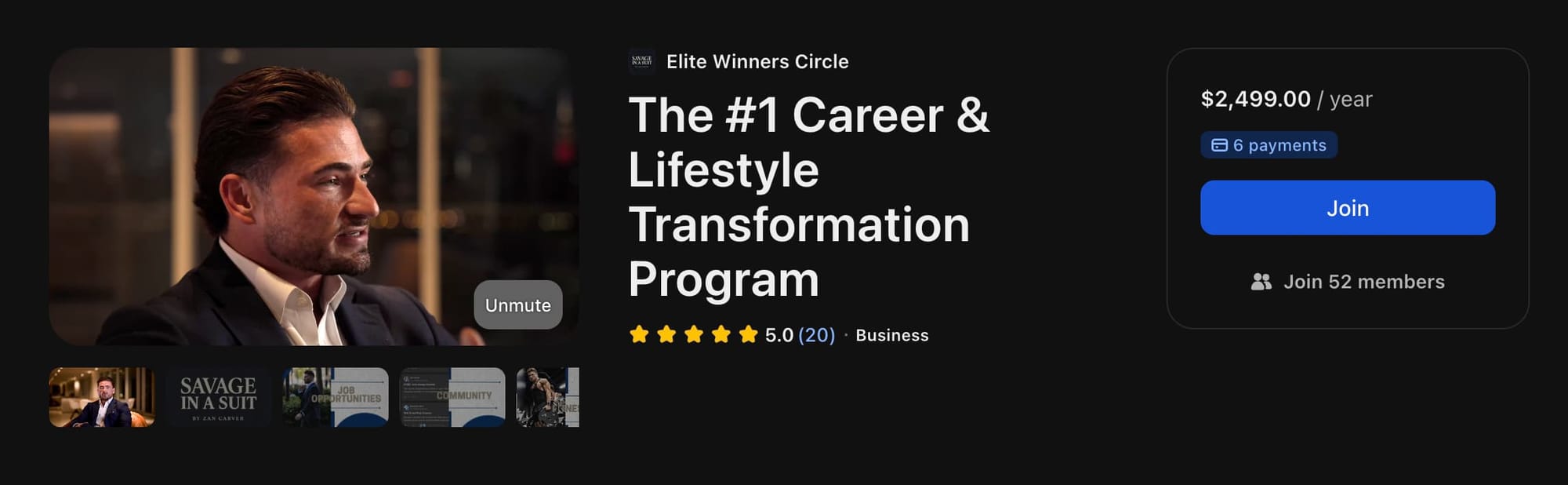
Founded by Zan Carver, Elite Winners Circle is a tight-knit community for ambitious people who want to level up across every area – we’re talking career, mindset, fitness, and lifestyle.
Members get access to live masterminds, 1:1 coaching, and introductions to high-performing networks that actually open doors.
What makes it stand out is the energy – it’s not corporate personal development (boring), it’s raw, practical, and community-driven.
Members hype each other up, share wins, and hold one another accountable to stay on track. It’s like having your own circle of overachievers pushing you to do better every day.
- Why the offer works: Zan has mastered the hybrid model, mixing mindset, confidence, and real-world connections into one offer. It’s aspirational, but still accessible.
3-Day Acquisitions Bootcamp
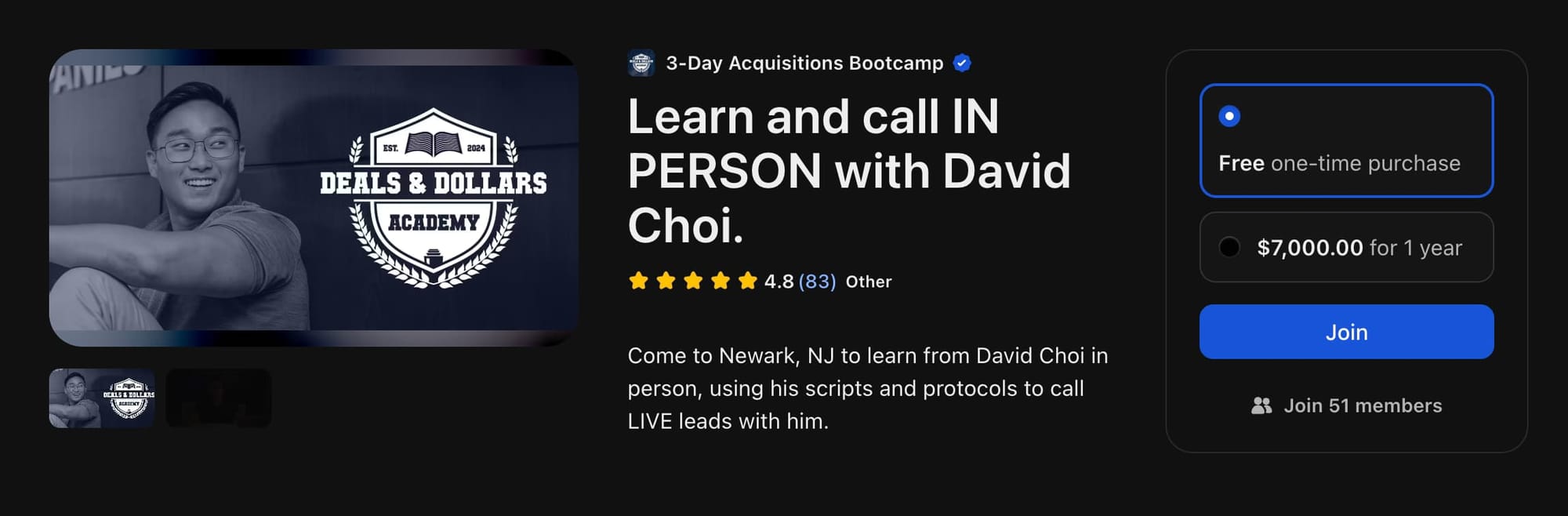
David Choi is a real estate investor with over $60 million under management.
His in-person bootcamp isn’t a lecture; it’s three days of calling live leads, learning sales systems, and closing deals side-by-side with him.
Students say the experience changed how they think about business. Many walked away with stronger sales skills, new connections, and a clearer plan for scaling their operations.
- Why the offer works: It’s direct and practical. There’s no BS, just hands-on group coaching from someone who’s actively doing what he teaches.
Disciplined ZEN Mentorship
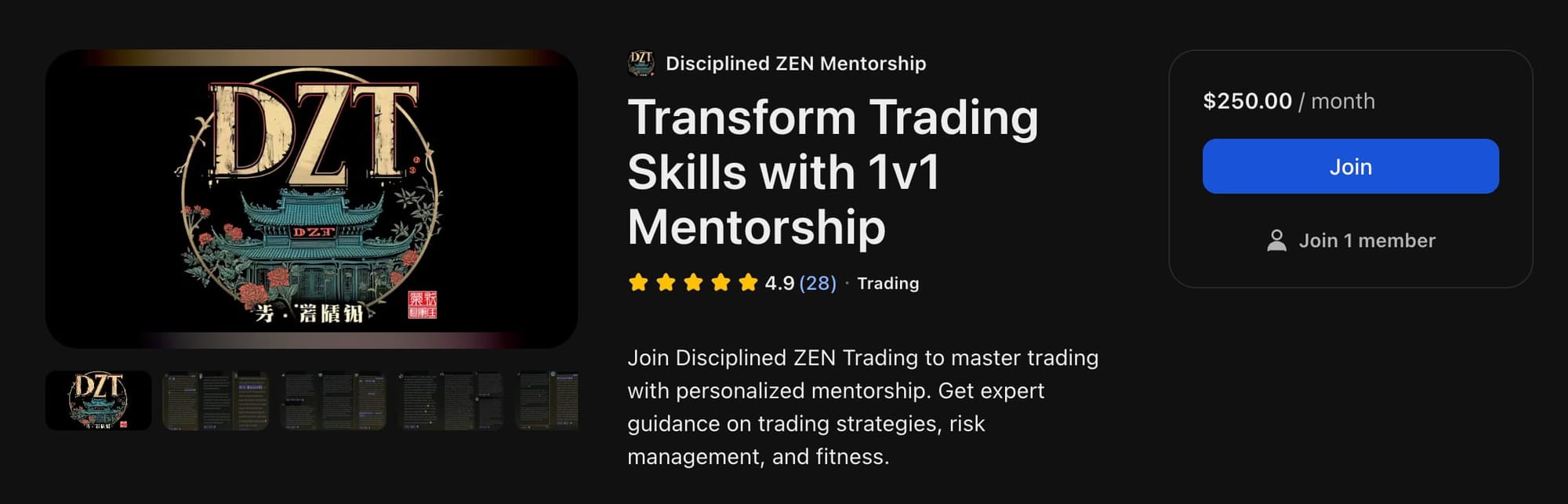
Trading isn’t just knowing numbers on a screen – it’s also mindset, patience, and self-control.
Disciplined ZEN Mentorship blends trading education with personal development, giving members 1:1 coaching, live group trading sessions, and even fitness guidance to keep both body and mind sharp.
Members say it’s helped them master not only risk management and strategy, but the psychological side of trading (the part that separates consistent traders from impulsive ones).
- Why the offer works: Ryan isn’t just teaching charts, he’s building traders who think clearly and act deliberately. Pair that with a seamless setup for memberships, calls, and community access, and it’s a quick ride from signup to first win.
Build, coach, and profit with Whop
Online coaching isn’t about having all the answers – it’s about helping people find theirs.
The best coaches don’t preach; they guide. Building trust, creating structure, and helping people take consistent action when motivation fades.
That’s what makes coaching such a powerful offer (and why it’s only getting bigger).
If you’ve built a business, mastered a skill, or just learned how to do something better than most? You’ve got something worth teaching.
With Whop, you can launch, sell, and scale your entire coaching setup in one place – from 1:1 calls to group sessions, private content, courses, and communities.
No third-party apps. No tech headaches. Just clean systems, automated payments, and full control over your brand.
Launch your coaching offer on Whop within the hour, for free.