Turn ideas into income with digital products. Discover how to create, price, and market products for maximum profit.
Key takeaways
- Creating an MVP lets you test your digital product with real users and refine it based on feedback before full launch.
- AI products like prompt packs are beginner-friendly, easy to create, and among the hottest-selling digital products right now.
- Success depends on choosing the right niche, understanding your audience's problems, and selecting a platform with low fees and strong tools.
Selling digital products is one of the simplest ways to start your own business.
Low costs, high demand, and epic profit potential – it’s a smart move for creators, entrepreneurs, and really just anyone who wants to make money online.
I’m talking about offers like ebooks, online courses, templates, AI tools, apps, and communities – digital products generate more than $2.5 trillion every year, and the market is still growing (fast).
Trust me, you don’t need a big budget to get started. Just a little time, effort, and the right tools.
In this guide, we’ll show you how to sell digital products like a pro, from finding your audience to choosing the best platform to grow your sales.
What are digital products?
Digital products are simply anything you can buy and use online or on a device.
You’re probably thinking of ebooks, PDFs, and templates – and you’d be right! But digital products also include things like subscription app access to paid Discord communities and exclusive creator content.
Music files, stock photos, graphics? Those are all digital products, too.
The best part? You don’t need to worry about shipping or manufacturing. Once it’s made, people with internet and a device can access it, and you can sell it again and again.
And the digital product market is only going to keep growing. Recent reports suggest the market will be worth around $416 billion by 2030 – so you haven’t missed the boat.
How much money can I make selling digital products?
Your earning potential depends on what you sell, how you price it, and how you market it – but there’s no limit to how much you can earn.
Some people make a little extra income, while others turn digital products into full-time businesses.
A huge factor in how well your products sell? The platform you choose to use.
To put it into perspective: sellers on Whop have sold over $1.5 billion worth of digital products so far.
When you choose the right niche and put in the work? The opportunity is huge.
Create and sell digital products: 10 simple steps
Shipping your first digital product doesn’t have to be complicated – it’s actually easy if you know what you’re doing.
Follow these steps to go from idea to launch and start making sales online:
1. Pick your niche
The first step to selling digital products is choosing a clear niche.
This is what helps you stand out in the crowded online marketplace. Your niche could be ebooks, online courses, templates, memberships, or digital art, whatever.
If your background is fitness, an ebook on bodyweight fitness could be a great niche.
2. Do market research
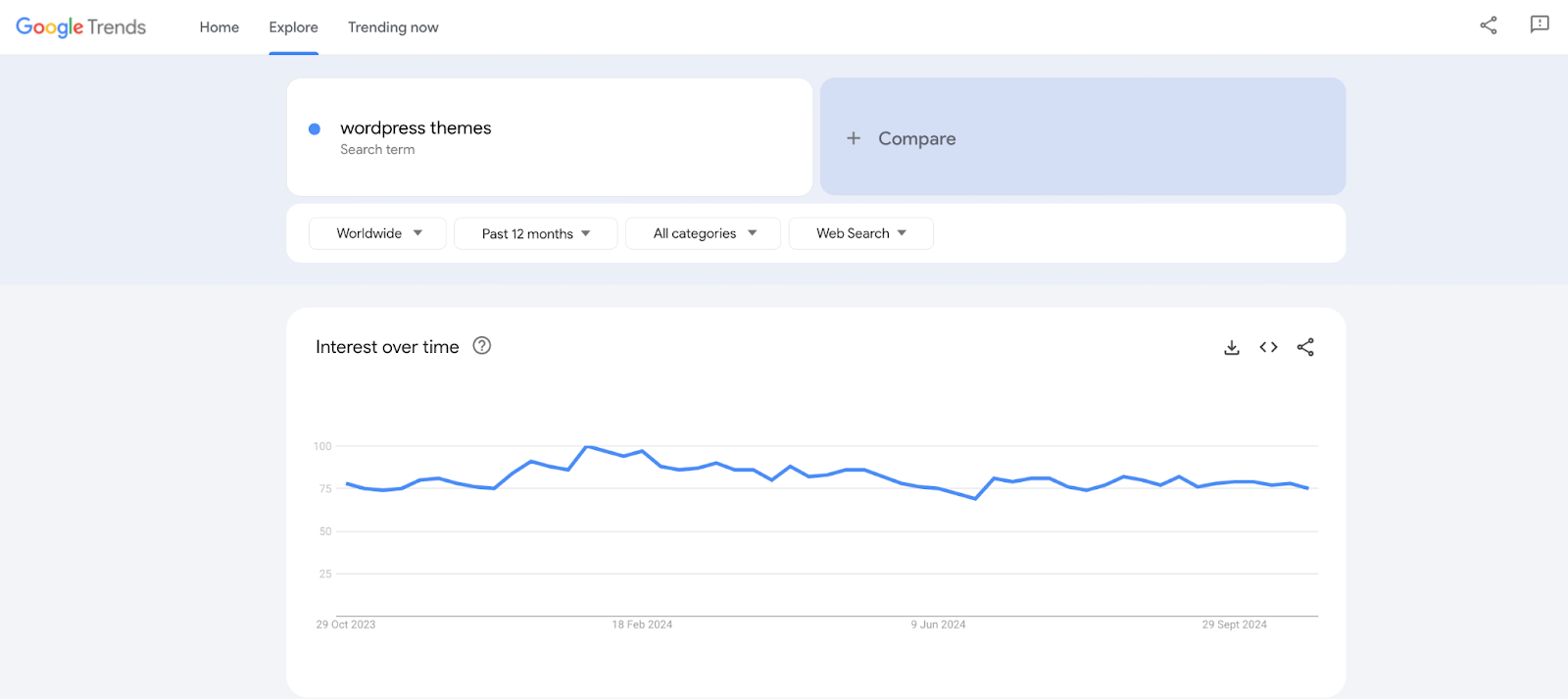
Before you invest time into creating something, check the demand.
Use tools like Google Trends, keyword planners, and social media to see what people are searching for. This will show if your digital product idea has buyers or if the market is too small.
You can also check marketplaces (like the Whop Discover page) and forums on places like Reddit and LinkedIn, where online entrepreneurs discuss ideas and what's trending.
Is there a demand for your product? Is there already a huge competitor, or is there a gap in the market? Or is this idea too specific and unlikely to be bought?
Keep polishing your idea until you feel confident.
3. Understand your audience
Truth bomb: the most successful creators don’t sell to everyone.
You might be surprised, but having a clearly defined target audience makes all the difference, as you waste less time yelling into the void.
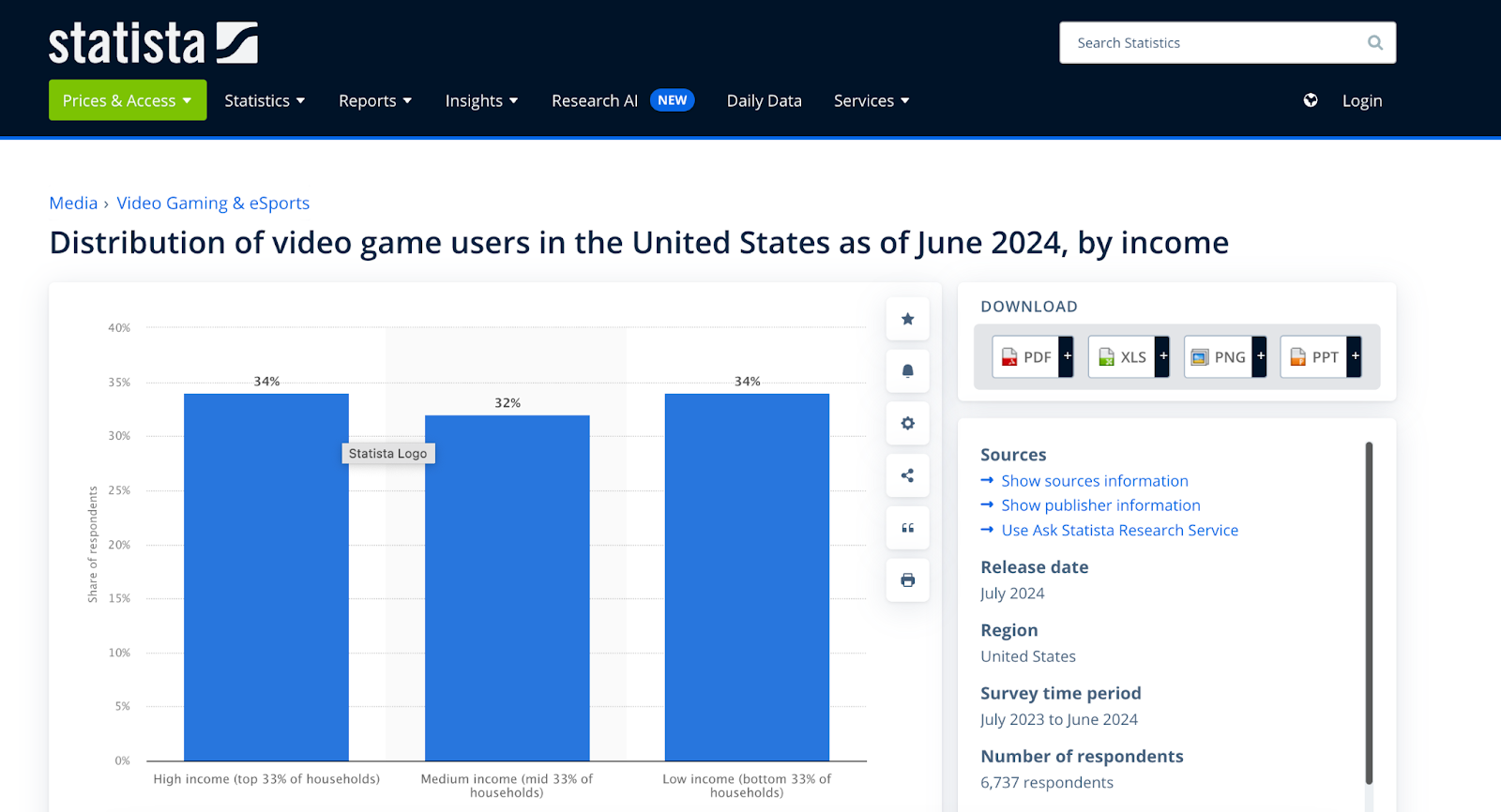
Figure out your ideal customer: age, location, income level, and interests.
Ask yourself: What problem does my digital product solve?
The clearer your audience, the easier it is to market and sell.
4. Create a business plan
Don't freak out – you only need a simple business plan to start.
Trust me, it helps you stay focused. Include your goals, pricing strategy, marketing ideas, and how you’ll stand out from competitors.
If you want to grow beyond a side hustle, this roadmap will guide your next steps.
5. Create a test product (MVP)
An MVP is a minimally viable product – basically, the first final version of your product.
Don’t overcomplicate it, just start small with a test version and share it with a few people (friends, early followers, or online communities) to get feedback before you launch to the public.
Ask for feedback like:
- Does the product provide a solution successfully?
- Does it offer good value for money?
- Were there any problems that arose?
- Could anything be improved?
6. Refine your product
Use that feedback to polish your product. Fix bugs, add features, or improve design.
Positive reviews from testers can even be used as testimonials when you launch.
7. Choose the best platform to sell digital products
Pay attention here, because the platform you pick can kinda make or break your success.
You wanna look out for things like sloppy or missing integrations, high fees, and low user bases.
Whop curves those issues: on one platform, you can host your products, manage payments, build a community, and offer subscriptions or memberships.
We're now fully independent with payments, which means lower fees for sellers and more ways to get paid globally, including crypto.
Other options for sales platforms include Etsy, which introduced digital products a few years back, and Shopify, which allows the sale of digital products through third-party apps.
There are also platforms like Teachable, which let you sell courses and memberships – but are limited to only those types of digital products.
8. Create a product page that sells
Your product page is your online storefront, and it matters.
Use eye-catching visuals and a strong description, and include a clear offer headline and value proposition.
Explain what your buyer gets, why it’s worth the price, and how it solves their problem.
Listing on Whop means you can apply for the Whop Discover page and maximise the amount of eyes on your product, too.
9. Set up pricing, payments, and marketing
Set a price based on competitor research, your costs, and the value you deliver. S
Start with a competitive or entry-level price and adjust over time as you learn what your audience is willing to pay.
10. Launch, track, continue
It's go time.
On launch day, promote everywhere: social media, email lists, and online communities.
After launch, track sales, reviews, and customer feedback. Look at what worked and what didn’t so you can improve your next product release.
Look at:
- Organic traffic vs. paid traffic share
- Customer reviews and testimonials
- Click-through rates
- Bounce rates
Focus on continual marketing to make passive income, too.
Work on your SEO (ranking for terms like best way to sell digital products), use social media promotion, start email marketing, and consider affiliate partnerships to drive sales even further.
All Whop sellers can allow buyers to become affiliates, promoting your products and receiving 30% of the revenue we generate from your sales.
The best types of digital products to sell, and where
Once you’ve chosen your product, the next step is knowing how to sell it effectively and where your audience is most likely to find it.
Here’s a look at some popular digital product types and where to sell them:
AI digital products
I need to kick things off by talking about AI digital products.
Not only are they so easy to make, but they’re actually one of the hottest sellers right now.
AI digital products include prompts, generative art, chatbots, or automation tools.
We asked an AI creator for his take on the easiest products, and he said prompt packs are probably the easiest option for beginners:
There are free apps that can create AI prompts for you, and even help you sell them.
All of these products are scalable and can be created quickly. You might need some knowledge of AI tools, but you can learn that simply.
Tip: Check out Whop Discover for communities, products, and offers that can teach you to build with AI.
How to create AI digital products:
Use AI platforms like ChatGPT, MidJourney, Lovable, Bolt, and Runway to generate art, prompts, or tools.
Package them into usable formats and organize them for your audience.
- How to sell: Offer simple AI-generated assets that solve everyday problems, and market online in forums and on social platforms.
- Where to sell: Whop (subscriptions or bundles), then Gumroad, Etsy, or AI-specific marketplaces like PromptBase.
Ebooks and audiobooks
Ebooks can be read on tablets, phones, and Kindles, replacing the need for a physical paper release.
And get this: by 2029, the ebook market is expected to generate $15.7 billion.
If you're a writer, you can launch a product without worrying about physical publishers and distribution costs. Instead, just publish digitally to pre-existing ebook marketplaces, with hungry readers.
How to create an ebook:
Once you’ve settled on your genre and topic, creating an ebook is easier than you might think.
You can write and format it using tools like Apple Pages, Canva, Google Docs, or Kindle Create.
If you have the budget, consider hiring a proofreader – or at least get friends or family to read it before launch.
For an audiobook version, you can record it yourself, too. You’ll just need a quality microphone, a pop filter, and a quiet space.
Then, edit the audio to remove mistakes and pauses using software like Adobe Audition, Logic Pro X, or Riverside.
- How to sell: Publish your books somewhere your audience is likely to buy, and promote where they hang out.
- Where to sell: Whop (host your ebook or audiobook and build a community), then Amazon, Kobo, Scribd, Barnes & Noble Nook, or your own website.
Online courses and webinars

Online courses let creators teach skills or knowledge to a global audience.
It's another big earner too: e-learning has a projected market value of $325 billion.
Courses are ideal for experts, educators, or anyone who enjoys teaching. They require effort to create videos, slides, and exercises, but once done, they can generate passive income.
How to create online courses:
Start by gathering your learning materials (guides, lessons, video walkthroughs, and tutorials), and remember to include motivation and encouragement for your students.
Next, decide on the course format: a mini-course uses short-form content and can be completed in a few hours, while a multi-course often includes quizzes, exercises, and additional resources.
Masterclasses can take weeks or even months, guiding learners from beginner to expert level with extensive videos, materials, and sometimes a community element for interaction and feedback.
With Whop's Courses app, it's easy to build multimedia courses with a no-code builder. You can also add apps to chat with students and host 1:1 video calls.
- How to sell: Upload course materials, videos, and resources to a platform with free previews.
- Where to sell: Whop (manage payments, host courses, and build a student community), then Udemy, Teachable, Kajabi, or your own website.
Digital art

Digital art includes illustrations, NFTs, and graphics.
The digital art market, including digital painting, accounts for over a third of art revenue online. Pretty cool, right?
Artists, designers, and hobbyists can all cash in, especially if they tap into a niche or fandom, according to digital artist Karina Egle:
Fan art helps you get seen by existing audiences, and maybe even the subject themselves.
How to create digital art?
Creating digital art primarily requires the use of digital art software, such as Adobe Photoshop, Procreate, or Corel Painter. There are also free alternatives, like Krita and GIMP.
Depending on the style of your work, you’ll also need to choose between drawing with a mouse, a tablet stylus, or scanning real illustrations that are then converted to digital files.
- How to sell: Offer prints, downloads, or NFTs.
- Where to sell: Whop (sell art, offer subscriptions, and interact with your audience), then Etsy, ArtStation, Fiverr, OpenSea, or subscription platforms.
Video content
In 2024, the US generated around $43 billion from online video. The potential is enormous, as creating video content or becoming a YouTuber can give you the chance to make a living via various income streams.
How to create video content:
First, grab a decent mic, camera, and some solid lighting. Edit yourself with tools like Premiere Pro, CapCut, or DaVinci Resolve (or pay someone to make your raw content pop).
Pick a niche you know, like gaming, beauty hacks, or tutorials. The key? Make content fun, helpful, or exciting – basically, something people want to stick around for.
- How to sell: Create videos for tutorials, entertainment, or education and monetize via ads or memberships.
- Where to sell: Whop (sell on-demand video behind paywalls and offer subscriptions), then YouTube, Vimeo, Twitch, Patreon, or subscription platforms.
Subscription-based products
Technically, subscriptions could apply to any of the listed products here, but they’re such a good way to monetize that they deserve their own place.
Subscriptions give users recurring access to content, tools, or communities, from premium tutorials to exclusive memberships.
This method suits creators who can consistently deliver value and want a predictable income.
Sure, setup requires planning – but subscriptions offer long-term revenue.
How to create subscription products:
Firstly, decide on your product niche (ebooks, courses, exclusive content, apps, whatever).
Then, choose tiered monthly or yearly access, create content or perks for each level, and schedule regular updates to keep members engaged.
- How to sell: Offer memberships, premium content, or recurring digital products.
- Where to sell: Whop (manage recurring subscriptions and communities), then Patreon, Substack, Kajabi, or membership platforms.
Templates
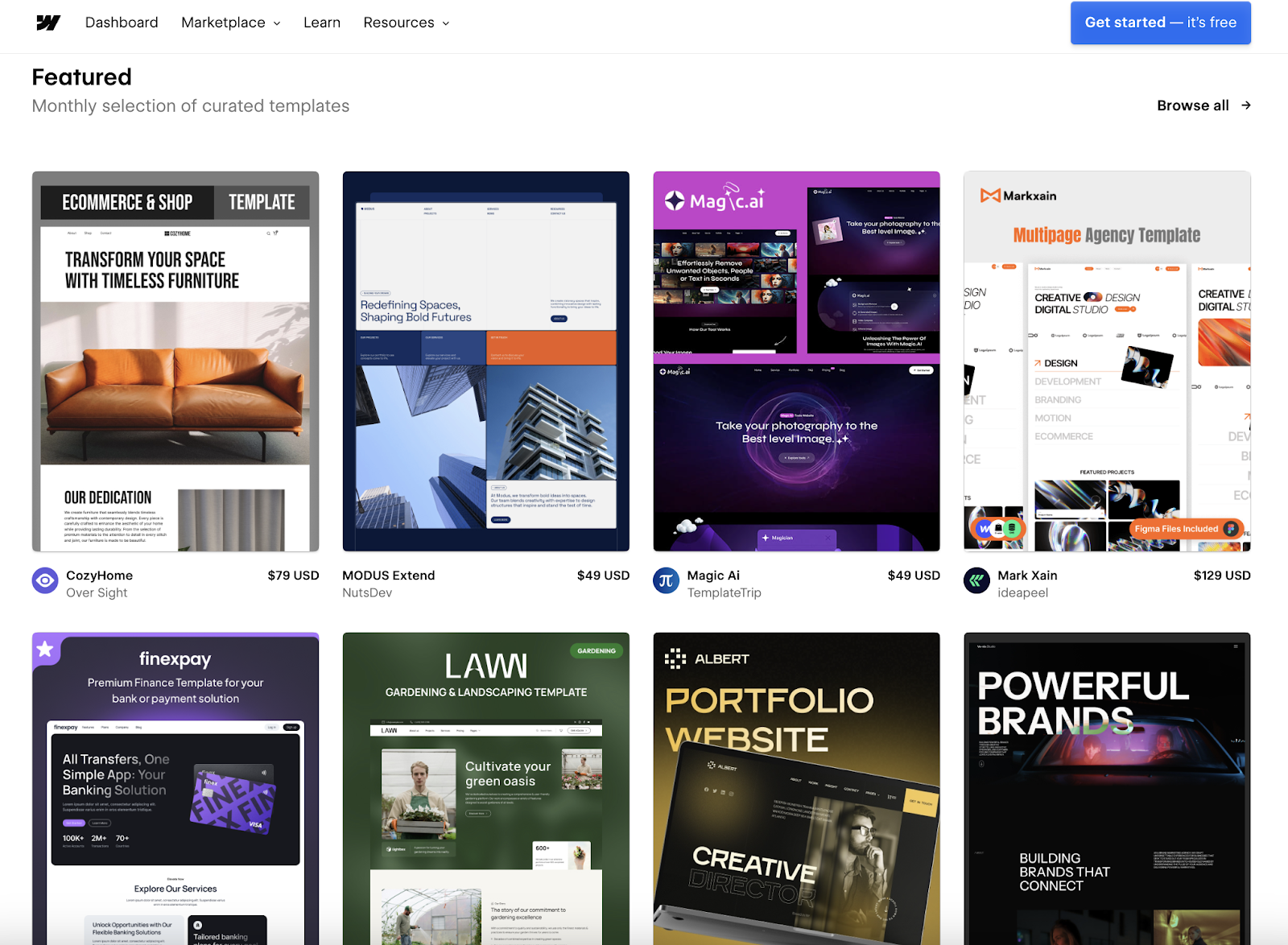
Templates save users time and improve productivity, from resumes and wedding invitations to social media graphics and website themes.
They’re perfect for designers, office pros, or creative entrepreneurs. Templates are generally easy to create and can generate passive income with minimal upkeep.
How to create templates:
Pick a niche, design polished templates in Canva, Figma, or Illustrator, and export them in standard formats like PDF, PSD, or editable files.
Tip: Templates are quick and easy to make, so bundle multiple templates to provide extra value.
- How to sell: Offer downloadable templates for resumes, social media, or websites.
- Where to sell: Whop (bundle products or subscriptions behind paywalls), then Etsy, Creative Market, Shopify, or your own website.
Software and apps
Software, apps, and plugins solve real problems for users, and the global software market is projected to reach nearly $700 billion annually.
This is an ideal product for developers or tech creators – but even if you're not, you can still use LLMs to make apps without knowing code.
Software requires skill and testing, but can produce recurring revenue with low ongoing effort.
How to create software and apps?
Develop your product using your preferred programming language, framework, or a no-code builder like Lovable AI.
Launch a beta version, test for bugs, and plan regular updates for your users.
- How to sell: Launch fully tested software or plugins with updates and support.
- Where to sell: Whop (build Whop Apps and choose from three ways to monetize), Apple App Store, Google Play, Flippa, or other software marketplaces.
Games and gamified apps and tools
According to Statista, the global gaming market is projected to reach US$522.46bn in revenue by the end of this year.
Games, mods, skins, and digital add-ons tap into huge, passionate communities.
Sure, building full-on games is complex, but smaller assets are easier to create and can sell fast.
By creating a game, gaming app, skin, cheat, or related feature, you can market it to a community interested in a specific gaming niche, genre, or theme.
How to create a digital gaming product:
Choose between making a full game or smaller add-ons like DLCs, skins, or mods.
Use engines like Unity or Unreal, design assets with graphics tools, and test thoroughly before release.
- How to sell: Release complete games, DLCs, or digital packs.
- Where to sell: Whop (sell add-ons, bundles, or memberships), then Steam, Epic Games Store, Itch.io, Microsoft Store, or your own site.
Photography and stock media
High-quality photography remains in demand for marketing, media, and online content, despite what AI can do.
Platforms pay anywhere from a few cents to thousands per image. Photography suits anyone with an eye for visuals, decent equipment, and basic editing skills.
How to sell photography online:
If you have a talent for photography, you can monetize your work by uploading your images to photography platforms. Consumers will then pay a fee to use your photograph in their work.
So shoot clear, well-lit images in your chosen niche, then edit with Lightroom, Photoshop, or Capture One. Organize your files and include proper licensing info.
- How to sell: Upload high-quality images with clear licensing terms.
- Where to sell: Whop (offer bundles or subscriptions), then Shutterstock, Adobe Stock, Alamy, iStock, or Canva.
Creating and selling digital products: The TL;DR
Okay, okay, that was a lot.
Let’s recap how you can launch your first digital product:
- Start by picking a clear niche and validating it with market research. You want to make sure there’s an audience ready to pay.
- Use this research to understand your customers so your product solves their exact problem.
- Plan your product, build a test version, and refine it based on feedback.
- Consider a waitlist or crowdfunding to generate early interest and support.
- Choose the right sales platform and set a price that balances value and profit.
- Market your product strategically (think SEO, social media, email, and affiliates) to drive sales and create a brand.
- On launch day, promote everywhere, engage your community, and track results.
- Use insights from sales and feedback to improve future products and grow your digital business.
Follow these steps, and you'll be selling successfully in no time.
Sell your digital products with Whop
If you’ve made it this far, congrats – you just learned all the steps to create and sell digital products like a pro.
But to actually make sales? You need a platform built for digital products.
With Whop, you can sell everything from ebooks and templates to online courses and paid communities.
Getting started is simple: create your whop (your online hub), upload digital downloads, or use our apps to build a course or membership.
Because everything is in one place, it’s super easy to upsell and cross-sell. Offer an ebook alongside your course, or a premium webinar to your community.
One storefront, multiple products, unlimited earning potential.
Launch your whop today and turn your digital product into profit.