Build an engaged online community by focusing on connection, consistency, and conversation, not size. Learn 8 proven ways to boost engagement with Whop.
Key takeaways
- Engagement matters more than community size—active, connected members drive real growth and turn customers into advocates.
- Build connection into your foundation through personal interaction, consistent content schedules, and member recognition.
- Re-engage lurkers with genuine outreach and smaller spaces—once they cross from observer to participant, they usually stay.
Most creators don’t have a community problem, they have an engagement problem. You can fill a group fast, but if people aren’t talking, sharing, or showing up, it dies.
The answer to engaging a community is simple: build connection into the foundation. Every post, event, and message should give members a reason to participate, not just watch. Create rituals that members can join weekly or monthly, and give people real ownership by letting them lead conversations or projects.
If your community has gone quiet, don't worry yet, it’s not dead — it’s just waiting for direction.
Now let’s get into what really matters — how to keep people excited, involved, and coming back.
The importance of online community engagement (and why engagement matters more than size)

A big community doesn’t mean a strong one. Engagement is what keeps people connected, loyal, and excited to show up, and that’s what drives real growth.
An engaged community turns customers into advocates. People naturally talk about the spaces they enjoy being part of. So when your group is active, welcoming, and valuable, members will invite others — no referral link required.
8 ways to improve community engagement
Here are eight proven ways to boost participation, strengthen connections, and turn your community into a space people actually want to return to.
1. Become more personal
People don’t connect with brands, they connect with people. The more human you are, the stronger your community feels.
Show up where your members are and actually talk to them. Join conversations in chat rooms or channels, share pieces of your day, and be honest about what you’re building or struggling with. When members see the person behind the brand, they feel part of something real.
"The people inside of the communities are the ones that are cheerleading for you the most".
— Jasen Hunt, professional CAD instructor and online creator
Go live often. Host AMAs or casual streams where people can ask questions, share feedback, or just hang out.
If you’re launching something new, make it an event — walk members through what’s changing and get their reactions in real time. Building in public creates trust faster than any marketing post ever will.
2. Ask the right questions
If you want people to actually talk, give them something worth saying. Questions are what open people up — but only if you ask the right ones.
Forget the generic “do you like this?” stuff. Ask things that pull people into the conversation. Try “what’s one thing you’d change about it?” or “what do you value most when you use it?” Those kinds of questions make people think, and more importantly, feel like their opinion matters.
It doesn’t have to be deep every time. A simple “what’s your take on this?” or “would you rather be in this situation or that one?” is enough to spark stories, jokes, and back-and-forth between members.
When people feel heard, they open up more. This is one of the most important lessons a community owner from our team have learned after building an online community with over 6,000 members.
3. Reward loyal members
People stick around when they feel seen, so recognize the members who are engaging the most.
Give shoutouts to active members, share milestones, or add simple achievements and badges for showing up, starting discussions, or helping others. You can even gamify it — people love earning status when it actually means something.
Offer early access or behind-the-scenes content just for engaged members. It gives them something special to look forward to and makes them feel part of the inside circle.
Luca from Whop suggests rewarding loyal community members by offering them a higher-rate on affiliate links.
"Use Whop's affiliate links and give loyal members a higher rate custom affiliate link so that they can make more money and market your community as well. This doesn't only make them feel. invested but also gives you the opportunity to use your best community members as your best marketers."
- Luca, Whop
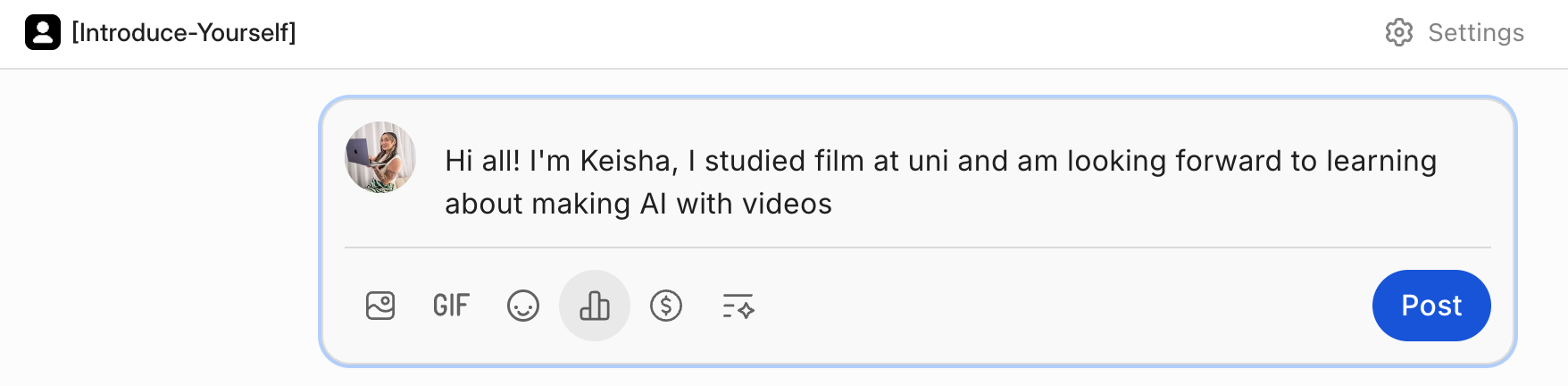
Don’t forget about newcomers, either. Welcome them in with small perks or tasks that help them connect, like introducing themselves or joining a chat thread. The faster they feel included, the more likely they are to stay.
And if your most loyal members are already spreading the word, reward that too. Give them VIP perks, exclusive calls, or affiliate-style rewards for bringing in friends. When people feel appreciated, they’ll keep showing up, and they’ll bring others with them.
4. Bring in disengaged users
Every community has lurkers. These are the people who join, scroll a bit, and quietly disappear. It usually happens because the space feels too big, too noisy, or just not built for them.
Start by figuring out why people stopped showing up. Check who’s gone quiet, look at their activity patterns, and if you can, ask them directly. A quick, genuine message like “hey, noticed you’ve been less active lately — anything we can do to make things better?” goes a long way.
You can also automate this with gentle engagement campaigns — polls, reintroduction posts, or smaller group chats for people who find big communities overwhelming. Sometimes, people just need a smaller space to feel comfortable jumping back in.
Once someone re-engages, they’re usually here to stay. They’ve crossed that invisible line from observer to participant, and now they know this community is worth their time.
5. Make diverse content on a predictable schedule
People stay engaged when they know what’s coming and when to expect it. A steady rhythm keeps your community active, and while surprise drops might grab attention, consistency builds loyalty.
Map out a simple content or feature release plan and stick to it. Too much at once overwhelms people; too little and they drift away. Aim for a flow that keeps conversations alive without flooding everyone’s feed.
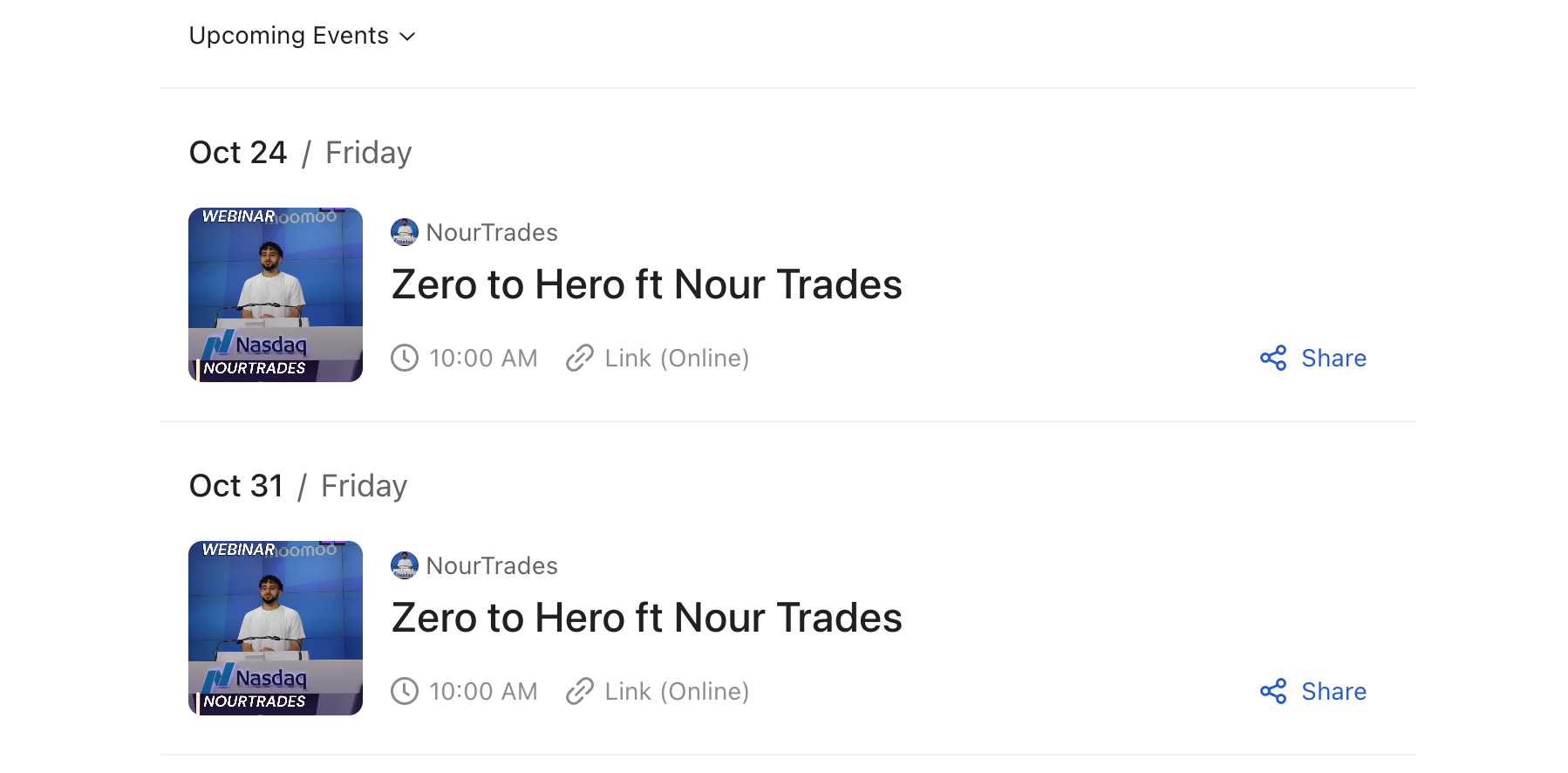
Make it easy for everyone to follow along. Keep a public calendar of upcoming launches or posts so members can see what’s next and show up for it. Predictability builds trust. When your community knows there’s always something fresh on the horizon, they have a reason to keep checking in.
6. Create safe spaces
People can’t engage if they don’t feel safe. A community only works when everyone knows they can show up, share openly, and be respected.
Keep things positive and inclusive in your community. Set simple, human rules — respect others, no spam, no self-promotion — and make sure they’re visible. You don’t need a long list of restrictions (don't scare anyone off!) but you do need clear boundaries,
If you’re on Whop, Discord, Telegram or any other online community platform, bring in moderators to keep things fair and consistent.
A safe space doesn’t mean a quiet one, it means that people feel confident enough to speak up.
7. Spotlight your members
People want to see themselves reflected in the community they’re part of, and showing off your members’ stories is the best way to make that happen.
Feature the humans behind the usernames. Highlight what they’ve built, learned, or shared inside your community. Maybe it’s a quick post introducing a standout member, a weekly thread celebrating wins, or a short clip where they talk about how they’re using your community space.
When members see people like them getting love, it sparks motivation and reminds them they’re part of something real.
8. Ask for feedback
The best way to build a better community — and business — is to listen.
Create space for open, ongoing feedback. This can be a dedicated channel, a simple form, or a monthly check-in post, anything that makes it easy for members to share what’s working and what’s not.
And don’t stop at fixing problems, ask for ideas. Give members a place to pitch new features or improvements. You’ll get clarity on what they want next instead of guessing in the dark, and they’ll feel invested in the outcome.
Signs of a disengaged community
Communities rarely fall apart all at once. It starts quietly — fewer messages, slower replies, less energy. Then one day, you drop something new and no one reacts.
If you’ve got that sinking feeling that your group’s slipping away, pause and take stock. Ask yourself:
- Are people still talking to you?
Do you still get DMs, honest feedback, and real opinions, or has the chat gone quiet? - Are they talking to each other?
Strong communities don’t rely on you to keep things alive. If every conversation needs your nudge, that’s a red flag. - How do they respond when you post?
Do people comment, share, or tag others — or just scroll past?
If the answers make you wince a little, that’s okay. Every community hits a slow patch.
Don't stress — you can always bring it back. A few real conversations, a little listening, and some intentional effort can turn things around faster than you think.
How to measure community engagement
You can’t improve what you don’t measure. Tracking the right numbers helps you see what’s working and what’s fading before it’s too late.
Here are the metrics that matter most:
1. Active member rate
This is your clearest signal of health. Aim for at least 30–40% of members active weekly, meaning they post, react, or join discussions. Anything lower usually means your content rhythm or conversation flow needs attention.
2. Retention rate
Communities live or die by return visits. A strong group keeps 50–70% of new members active after the first month. If people join and vanish, revisit your onboarding and early engagement flow.
3. Message and post activity
Look at how much conversation actually happens — not just total posts, but who’s posting. Ideally, 80% of messages should come from 20–30% of your members, not just a handful of super fans.
4. Response time and thread depth
How long does it take for someone’s message to get a reply, and how deep do those replies go? The faster and more naturally people respond, the stronger your engagement culture is.
The goal here isn’t to chase perfect stats but to spot patterns. If engagement dips, look for where conversation slows or which formats fall flat. When you measure consistently, you’ll know exactly what to adjust before your community goes quiet.
Build and grow an engaged community with Whop
Strong communities don’t happen by accident. They’re built on connection, consistency, and the right tools to keep people involved.
Whop gives you all of that in one place.
Whop isn’t just a platform to sell; it’s where communities thrive. From trading groups like Team Bull Trading to creators in sports picks and ecommerce, thousands of members connect, learn, and grow inside Whop-powered spaces every day.
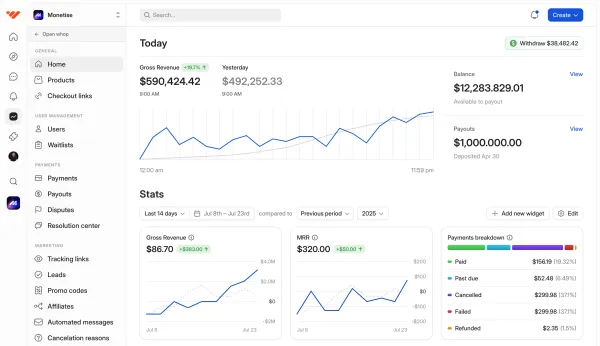
You can host your community, sell add-ons like digital downloads, plugins, or courses, and keep everything running smoothly through Whop’s dashboard. Manage memberships, set up tiers, offer rewards, and automate messages — all without leaving the platform.
With low fees, built-in creator tools, an easy affiliate setup, and 24/7 support, Whop gives you everything you need to launch and scale a community that actually lasts.
So if you’re ready to grow something real — a place where your members show up, engage, and stick around — start building with Whop today.
Community engagement FAQs
1. What counts as good community engagement?
Good engagement means people are showing up regularly, talking to each other, and sharing value without you prompting every move.
2. How do I bring back inactive members?
Start small. Reach out personally, ask what made them drift, and invite them into something easy to rejoin — a quick poll, a small group chat, or a fun challenge.
3. How often should I post or host events in my community?
Consistency beats volume. Pick a rhythm you can maintain — weekly updates, monthly events, or daily prompts — and stick with it.