Curious to find out how much money you can make selling digital products? Here are the latest industry numbers, best practices, and examples from top creators.
Key takeaways
- Digital creators earn $102K-$136K annually, significantly outpacing traditional content creators at $47K-$84K.
- Digital products require minimal upfront costs and can be sold repeatedly without inventory, offering high ROI potential.
- Success depends on product quality, audience targeting, strategic pricing, and choosing the right platform for distribution.
When we see creators earn money by doing what they love, one can’t help but ask: How much can you make selling digital products?
As of 2025, the digital products industry is worth over $124 billion and is expected to hit $416 billion by 2030. And you too, can tap into this market.
If you're wondering whether it's worth selling digital products, how much creators can make from selling digital products, and how you can start earning today, keep reading. In this article, we'll provide answers to all of these questions and more.
How has the creator economy changed the way people earn money?
The creator economy, as we know it today, took off with the rise of social media platforms. Now, creators monetize their efforts by creating content online.
Right now there are over 200 million creators in the world, and the creator economy could approach half a trillion dollars by 2027, according to Goldman Sachs.
This is no surprise—data from Adobe shows that four in 10 monetizers are making more money now than they were two years ago, and of those, eight in 10 anticipate earning even more in the next two years.
It also shows creators who are monetizing their online work are earning six times the US minimum wage.
The creator economy offers various ways to monetize your content, such as offering online courses, publishing ebooks, building communities, streaming live videos, sending newsletters, starting a podcast, or engaging in influencer marketing.
Among these options, digital products are now a go-to for making money.
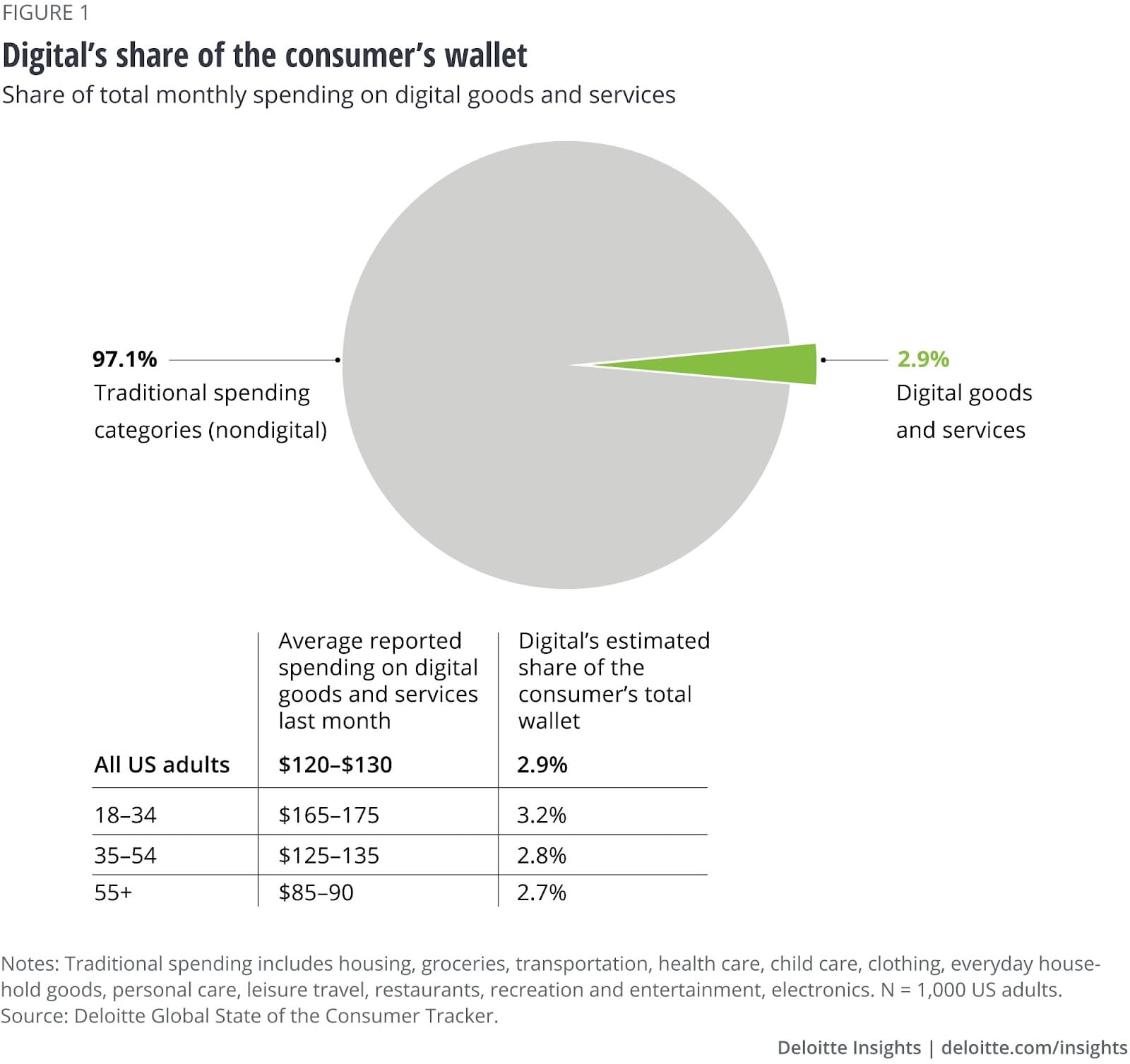
A Deloitte research shows that digital goods and services represent an estimated 3% of the US consumer’s wallet, with many signs pointing to growth.
People spend an average $120-$130 per month on digital products. This number is slightly higher for consumers aged 18–34, who spend roughly 1.4 times more than average on digital goods and services, or around $165-$175 per month.
What is a digital product?
A digital product is an intangible asset that can be sold online. Because it is typically a downloadable or streamable file, there’s no need to keep inventory, and it can be sold over and over again.
This makes it relatively easy for people to create and sell because of the relatively low upfront cost and high potential return on investment.
One of the reasons why digital products are so popular among creators is the ability to create them once and sell them repeatedly without the need for significant modifications.
Digital products include things like ebooks, online courses, digital templates, digital art, printable digital products, software, digital services, licensed digital content, online memberships, and many other types of products.
Is it worth selling digital products?
With the emergence of social media platforms and content creation as a career path, the creator economy took center stage. Instead of the traditional 9-5 employment, creators started exploring different monetization strategies. And it paid off.
Looking at the numbers from Glassdoor, we can see that content creators make between $47K - $84K per year, and according to the same source, digital creators make between $102K - $136K per year on average.
If we zoom in a little bit in the realm of digital products, we can see that selling digital products can be a gold mine for creators.
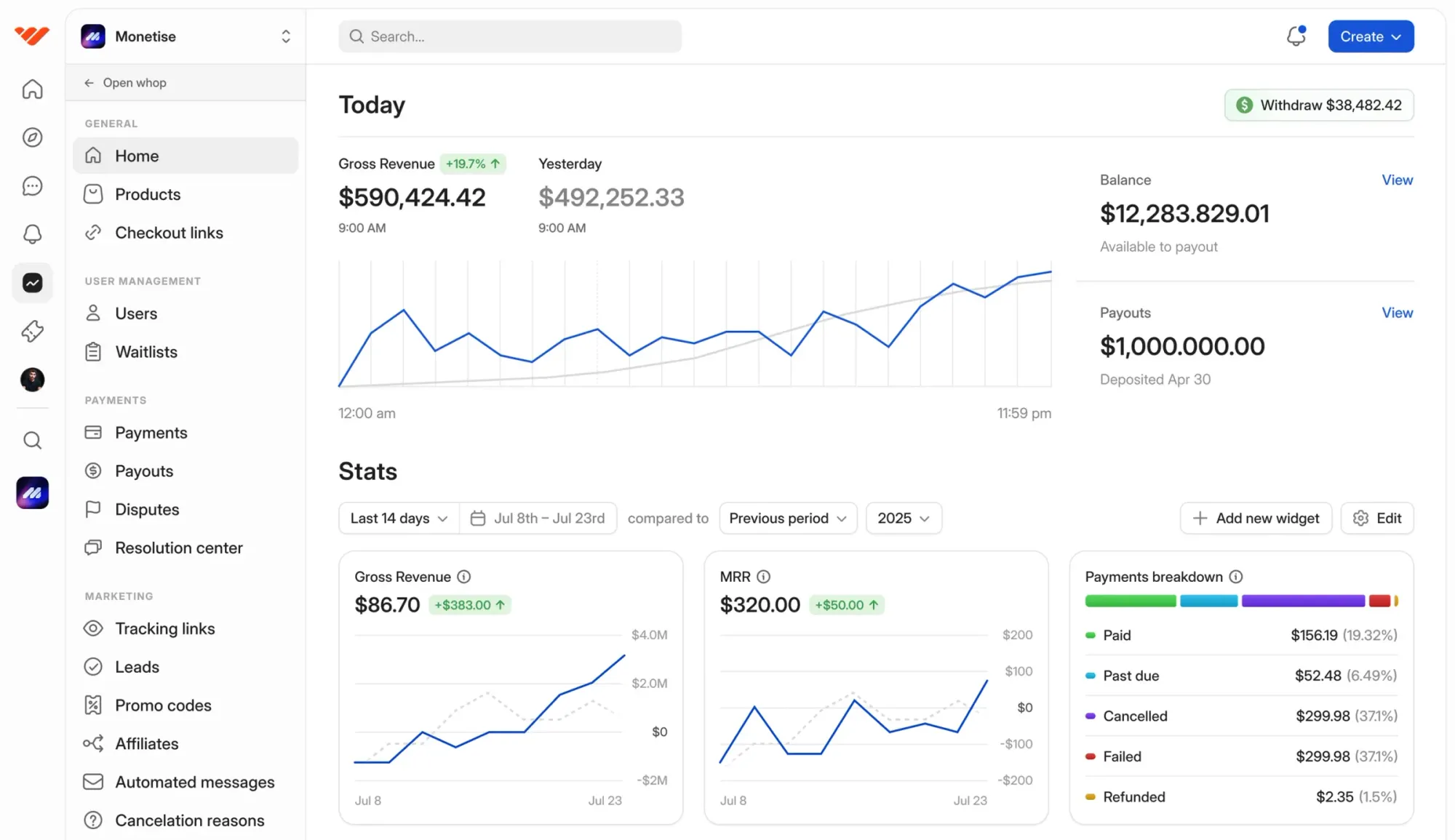
Data from Whop shows that the top 10% of creators have made over $55,000 from January to March 2024 through the platform. Whop is an online playground where anyone can make and sell digital products of any kind.
Top-selling digital products on the Whop platform include:
- Trading: more than $2.5 million in sales so far in the last 3 months - Whop’s listings include Discord Trading communities focusing on every trading style or asset class, so you’ll find everything from expert technical analysts covering the S&P to forex, day trading, trading indicators, investing education, and even emerging assets like cryptocurrencies and NFTs.
- Sports picks: more than $1.593 million in sales so far in the last 3 months - Whop offers access to top-performing sports picks and prediction software. There are groups that provide insights and predictions across a variety of sports.
- Reselling: almost $5.1 million in sales so far in the last 3 months - Whop has a large assortment of reselling communities spanning multiple niches, from tickets to clothing and electronics.
What should you consider when selling digital products?
Digital products are a goldmine for sellers. But, before you jump into selling digital products, you must set the foundation for successful digital product sales.
Here are a few factors that affect digital product earnings and can make or break your business.
1. Digital product quality
First things first—if you want to sell digital products, you have to offer something valuable.
You can start by exploring the current offering on the market. Are there already similar digital products available? If so, what makes them valuable to customers? And, how can you make a digital product that stands out from the competition
Going the extra mile when creating the product won’t go unnoticed. The digital products market is thriving, which has raised customer expectations. That said, if you meet (or exceed) them, you can expect sales numbers to go up.
2. Demand for content
You also need demand for your product. Are people looking to buy what you have to sell? Keeping a pulse on customers’ wants and needs is the only way to offer something that resonates with your target audience.
Some of the most profitable digital products for creators to sell include ebooks, online courses, paid communities, software apps, and subscriptions.
All of these products require minimal upfront costs, don't require physical inventory or shipping costs, and have huge growth potential.
3. Audience size
Every customer is valuable, and every sale counts for digital creators, especially when they’re first starting. However, to reach your financial goals, you have to reach a certain sales threshold.
The main question is how to get in front of the right audience. Here’s where digital creators must be smart when they choose a platform. You can always build a website and try targeting customers through paid ads.
However, getting in front of an audience interested in buying digital products will give you a significant advantage. Here’s where digital product marketplaces come into play.
With 4 million active monthly users browsing, discovering, and buying digital products, Whop is a platform that redefines the way creators earn money by helping them get discovered by millions of customers on the Whop.com marketplace.
4. Marketing strategy
Another thing to keep in mind is that you need an effective marketing strategy in order to succeed. Combining online platforms, data analytics, creative storytelling, social media campaigns, and personalized email marketing will help you connect with customers in a meaningful way.
The goal is to drive awareness, increase engagement, and ultimately boost conversions.
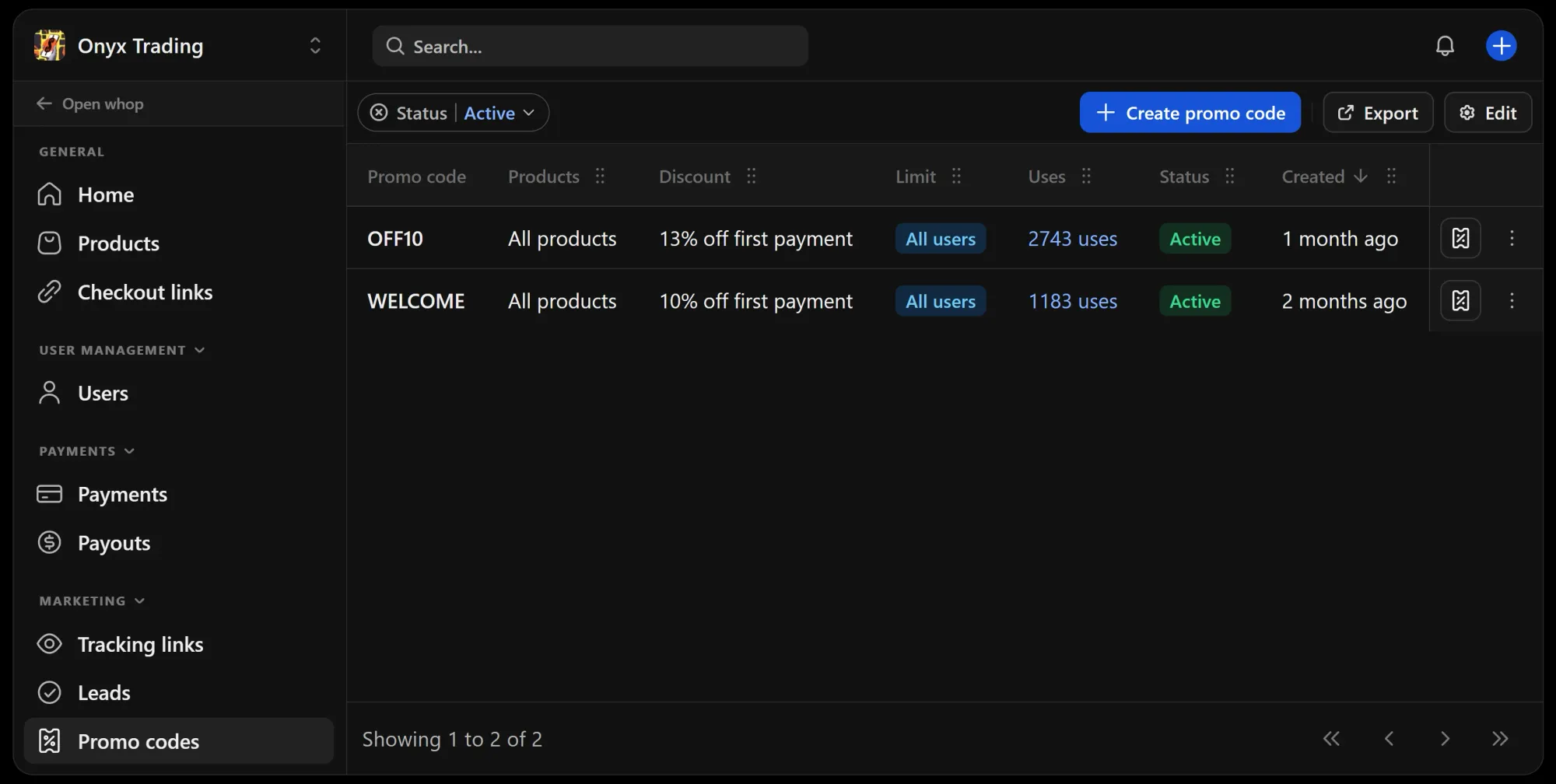
Leveraging a platform that supports your efforts with additional growth and marketing tools, such as affiliate marketing, social proof, and promo codes can instantly bring positive results.
5. Customer experience
Customers have extremely high expectations when it comes to online shopping. The reason? They compare the experience you offer with every previous shopping experience they had, whether that’s for digital or physical products.
Customers want a seamless shopping experience, including browsing, purchasing, and paying for your digital products. The only way to stand out is to offer a delightful shopping experience from start to finish.
But managing all that yourself is tough. Here’s where a digital marketplace can help. Selling through a digital marketplace allows you to create a delightful customer experience without the heavy lifting.
Whop already offers the features you need to reach the right audience and increase sales. From product fulfillment and payments to a robust resolution center and recommendation algorithm—selling through Whop can make all the difference for digital creators.
How to start earning money from selling digital products?

Whether you’ve tried selling digital products in the past or this is your first rodeo—there are a few steps you need to go through to ensure you create digital products that customers want to buy. Let’s go through the steps:
- Brainstorm ideas - Start by listing all the ideas you have about digital products that can be interesting. From ebooks and guides to website themes, templates, and online courses—there are many different types of products you can create and sell online today.
If you’re not sure where to start, think about your ideas and what kind of a digital product you can make out of it.

- Conduct research - The next step is to research the digital products market and see if there’s something similar out there. You probably won't be the first to the market.
But that shouldn’t discourage you. Your goal is to provide a valuable digital product to help customers achieve the goal they had in mind when they decided to buy it. - Define your target audience - You can’t sell a digital product if you don’t understand your audience. Who are the people that would be interested in buying your product?
What demographic, geographic, and characteristics do they have? How much would they pay for a digital product? This information will help you create the profile of your ideal customer.
- Define your pricing system - One of the most important aspects of selling digital products is using the right pricing system. Now, imagine you want to buy an online course but it uses a subscription method and is priced at $100 per month. Even if the course is good, you might avoid it just because you don't want to rush the course.
Finding the right pricing strategy (one-time payments, subscription methods, free trials, upsells within free communities, etc.) for your digital product will make it much more attractive to your future customers. - Create a marketing strategy - Once you define your digital product, target audience, and pricing system, you must craft a strategy that will bring you sales. Keep in mind that you're competing with free content on the web.
Here’s where your marketing strategy can make all the difference. Will you offer something for free to build your audience and gain trust? Can you create different pricing options to give customers options to choose from?
There are so many elements you have to think about before launching your digital product that can give you a significant competitive advantage once your product is live.

- Choose a platform - You can sell your products through your own website, social media such as Instagram and TikTok, or digital marketplaces. The biggest advantage of joining a specialized platform for digital products such as Whop is access to a much wider customer pool that is already looking to buy digital products.
On top of this, you have all the insights you need in a single place, including finances, growth/marketing help, and a robust resolution center.
How much are creators making from selling digital products?
Now it’s time to see how other creators make money by selling digital products and doing what they love.
Every success story is unique in its own way, but they are all inspiring for other content creators looking to dip their toes in the creator economy. Let’s dive in.
How a content creator pivoted to selling digital products
People looking for ways to create new income streams are always dealing with the digital products-physical products dilemma. One of them was Victor Madu, an entrepreneur who launched a successful clothing company, For the Leaux.
The sourcing of materials, managing shipping and inventory, and dealing with logistics forced Vic to explore digital products instead. Vic had always been a passionate and successful sports bettor, so he created GOAT Sports, a paywalled Telegram chat to deliver bet slips to subscribers instantly.
As the number of subscribers grew, Vic faced new challenges. One of the biggest challenges for GOAT Sports was the struggle to integrate payment platforms with the Telegram channel.

As a result, the GOAT Sports team had to manually add and remove individuals from the chat based on the status of their subscriptions. Besides this, dealing with thousands of subscribers also required reliable customer support, not just for members but also for the GOAT Sports team.
Once GOAT Sports moved to Whop, their transaction fees instantly fell by 9%—resulting in over $60,000 saved in transaction fees. GOAT Sports integrated its Telegram chat with Whop’s checkout, and now members receive access immediately after purchase, which creates a seamless experience.
How Parlay Banditz became one of the biggest sports betting communities
Parlay Banditz began as a group chat between friends but quickly transformed into a full-time business with explosive growth and scaling plans. As the business grew, the founders “Meezy” and “Geechi” started to struggle to handle the influx of questions and requests coming from their customer base.
Customers were also asking for flexible subscription plans, which made Meezy and Geechi realize they needed a professional storefront with one streamlined place to handle everything from customer support to payments.

After setting up a storefront on Whop, Parlay Banditz was listed on the Whop marketplace, and they had a landing page that displayed their community. Joining the digital marketplaces also enabled them to offer flexible subscription plans to meet the needs of their customer base.
Parlay Banditz has already made over 10,000 marketplace signups, and thanks to Whop’s affiliate program, Parlay Banditz has gained over 3,000 new community members.
How an icon set designer made six figures in six days with one tweet
Traf is an icon set designer who made $100,000 in less than a week. While he started creating iOS icon sets in 2013, his biggest success happened when he noticed people sharing screenshots of their iPhones after discovering that iOS 14 allows you to add custom icons to your home screen.
He put together some icons in his style and shared a screenshot of them on Twitter. His tweet had thousands of retweets and likes, and millions of impressions. Soon after, his icons got published on notable tech sites like 9to5Mac, Uncrate, Cult of Mac, iMore, Creative Bloq, and more.
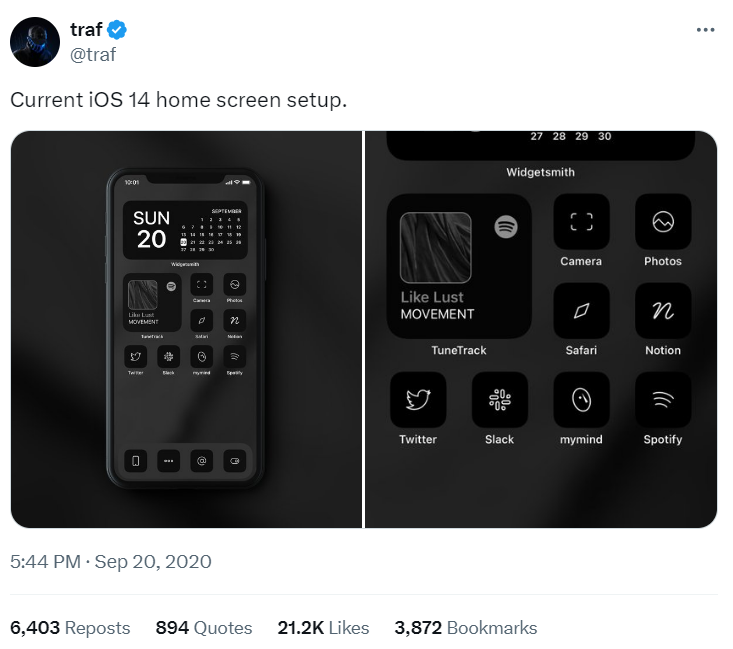
This story proves that the right content, posted at the right time, can bring massive results and sales. In just one week, he made 4,188 total icon sales, $116,147 in revenue, and got 6.2 million impressions.
How Ness Labs passed $100,000 in annual recurring revenue within a year
Anne-Laure Le Cunff is an ex-Googler, writer, and neuroeducation PhD researcher at the Institute of Psychiatry, Psychology & Neuroscience at King’s College London.
She spends most of her time writing evidence-based articles for Ness Labs, a website she started in 2019 with zero audience. She wrote 100 blog posts over 100 working days and built an audience from scratch.
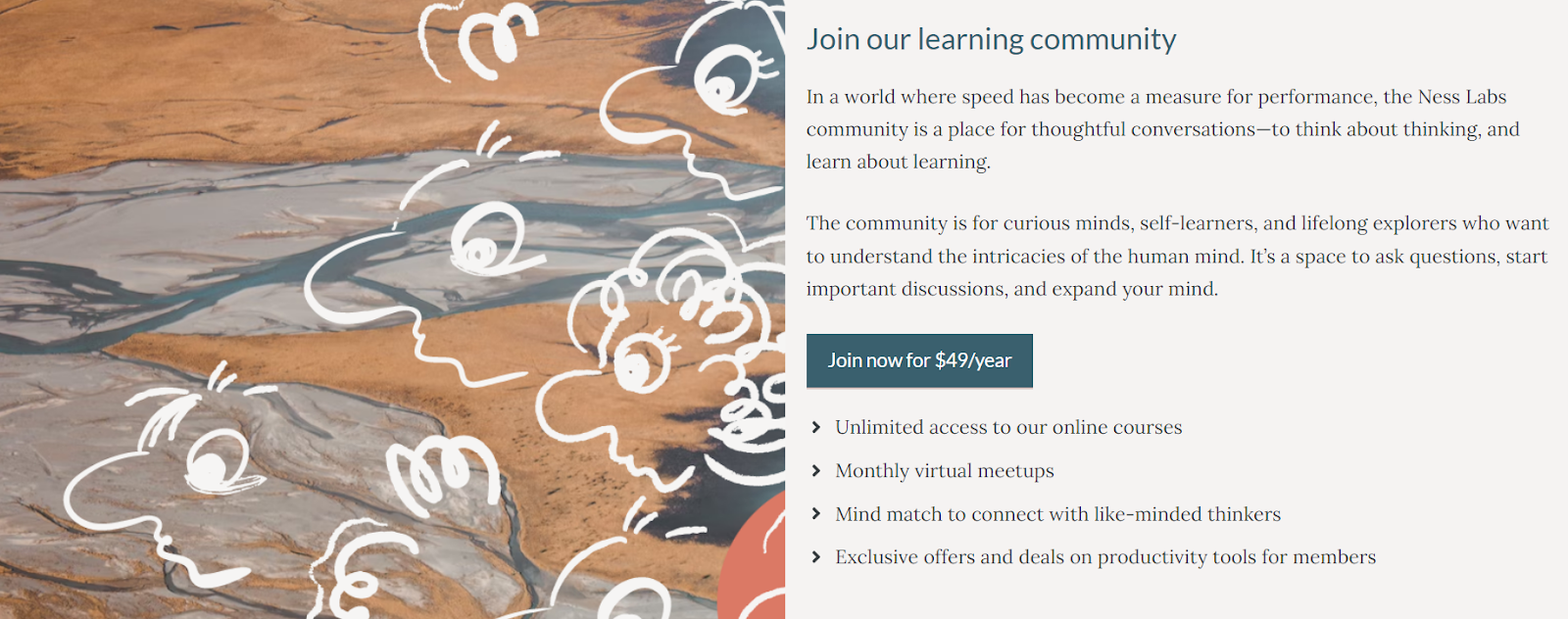
Today, Ness Labs is a paid membership community for curious minds, self-learners, and lifelong explorers who want to understand the intricacies of the human mind. In the space, members can ask questions and start meaningful discussions.
Ness Labs had passed $100,000 in annual recurring revenue within a year, a massive success for a community Anne-Laure built from the ground up.
How Elusive Profit made $15,000 within two months of selling AI ebooks and Discord access
Joseph Popelas noticed the increasing interest and enthusiasm around the AI industry and decided to establish a community for individuals aspiring to become AI creators.
To achieve this, he founded Elusive Profit, a community where members can acquire knowledge about using AI to create successful ebooks.
Once he joined Whop, Joseph quickly set up his new storefront, offering access to his Discord server, AI templates, and file downloads in bundled products. The Whop Marketplace also gave Elusive Profit an exposure boost, showcasing the product page to millions of monthly visitors.
Since launching on Whop, Elusive Profit has had immediate results, generating over $10,000 in revenue in its first two months on the platform. Thanks to the infrastructure and available features, Joseph can experiment with how he bundles his digital products to grow his business even more in the future.
How anyone can earn over $2,000 a month selling digital products
We have shown some incredible examples of what is achievable when you sell digital products - and it is important to know that earning an income online is something that everyone can achieve, especially with Whop.
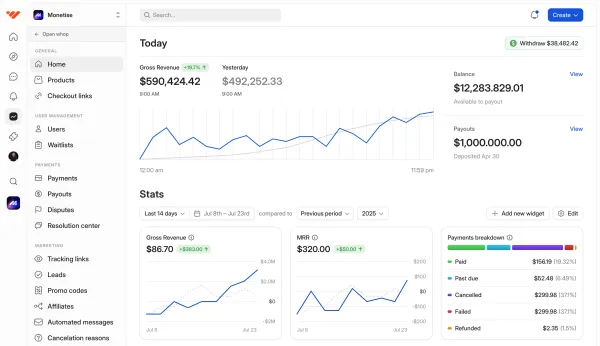
With Whop, over 1300 people are earning over minimum of $2000 per month. In March 2024 alone:
- Over 1300 people earned more than $2000
- 520 earned more than $10,000
- 128 brought in more than $50,000
- 18 sellers gained more than a whopping $250,000.
Remember, these figures are not 2024 to date, but instead look at March 2024 only - that's just one month. If this many people can make over $2000 a month selling digital products, then why can't you too?
Start selling digital products with Whop today
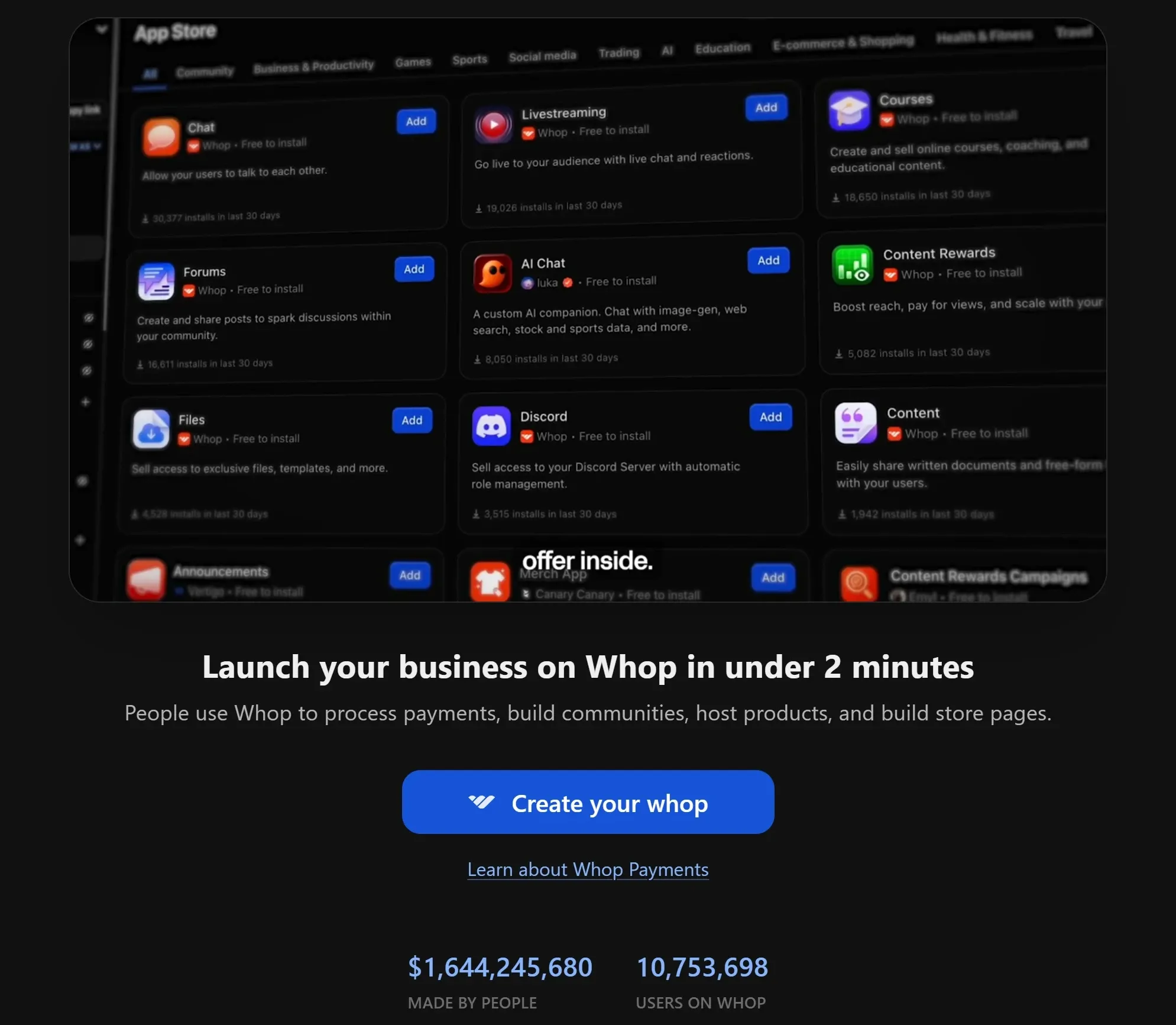
Digital products have become one of the most sought-after sources of income for content creators. And it’s no surprise—the creator economy has empowered creators to earn money doing what they love.
While making passive income online is easier than ever, the influx of digital creators has created a competitive landscape and brought challenges for everyone looking to sell digital products.
That said, don’t miss the opportunity to tap into this multi-billion digital media market.
Ready to create the next success story with your digital product? Visit Whop to get started today.