Learn how to create digital products even without experience. Discover the skills and tips needed to launch and market your products effectively.
Key takeaways
- No-code tools and AI have eliminated technical barriers, allowing complete beginners to create and sell digital products.
- Subscription models and courses offer the highest earning potential by turning one-time effort into recurring revenue.
- Success with digital products depends more on understanding your audience and marketing than on technical skills.
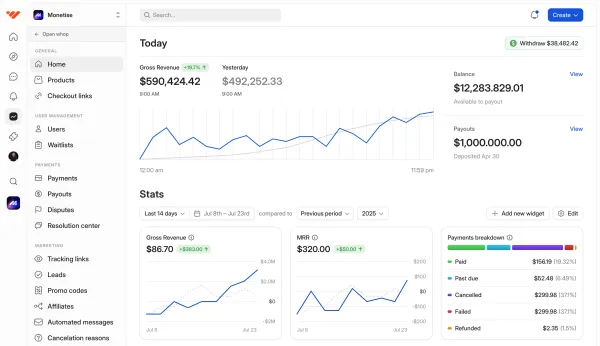
Digital products are one of the easiest ways to start making money online. You can make them from scratch with tools like Canva, with the help of AI, or by making your own whop and using built-in apps.
They’re cheap to create, don’t require inventory, and can sell without limits. But the best part? You don’t need business experience or tech skills to get started.
In this guide, we’ll show you how to create digital products from scratch, even if you’re a complete beginner.
Do I need technical skills to create and sell digital products?
The first question beginners usually have is whether they need technical skills to create a digital product.
The short answer: not really.
Today, there are heaps of (often free) tools and platforms that make it simple to create and sell digital products without needing coding or advanced tech knowledge.
From templates to drag-and-drop editors, you can bring an idea to life in just a few clicks.
The only real exception is if you’re building software or something highly technical.
Even then, no-code platforms and AI tools are making it easier than ever to create products that used to require serious programming skills.
And instead of juggling multiple apps for creating, hosting, and marketing, you can use an all-in-one platform like Whop.
We let you build your first product and instantly connect with a marketplace brimming with ready-to-buy customers.
What skills do I need to sell digital products?
"The number one way to make money as a college student is Whop. This platform helps you monetize literally any skill you have."
– Fatimah from Fatimah's Guide
Modern tools already handle the tech side, so the skills you’ll need to succeed with digital products are more about people, communication, and basic business sense.
Here are the most important ones:
Know your topic (or pick an easy niche)
The more you know about your product niche, the easier it is to build trust.
Certifications, experience, or even a strong personal story can help. That said, not every digital product needs authority.
Sure, courses and ebooks do, but things like printable planners, coloring pages, or templates don’t require any experience or credentials.
Understanding of your customer base
You need to know who you’re selling to and what problems they want solved.
Start with your best guess, but always research, listen to feedback, and adapt.
The better you understand your target customer, the easier it is to build loyalty and stand out from competitors.
Ability to explain clearly
If you’re selling an info or educational product (courses, ebooks, coaching), you need to be a good communicator.
Be thorough but not overwhelming, keep things simple when needed, and go deeper only where it adds value.
Organization and clarity
Clarity can make or break a digital product.
Even if your content is strong, a messy or confusing layout will turn people away.
Start by giving your product a clear structure with a solid title and outline so buyers know exactly what they’re getting.
Keep the flow logical from beginning to end, guiding your customer step by step so they never feel lost or overwhelmed.
Design also matters: use headings, short paragraphs, and clean formatting so the information feels easy to digest.
Stick with consistent fonts, colors, and styles throughout to make the product look polished and professional.
When your product is simple to follow and visually appealing, customers are more likely to finish it, recommend it to others, and return to buy from you again.
Marketing skills
Making your digital product is only half the job: the other half is getting people to actually see it.
Once you know what makes your product stand out, you can shape all of your marketing around that message.
In the beginning, focus on free methods like creating content on social media, building an audience through email newsletters, or writing blog posts that rank on search engines.
These organic strategies don’t cost money, but they do help you grow trust and attract the right buyers.
As your product gains traction, you can scale with paid ads, affiliate marketing, and user-generated content to reach a wider audience.
Content creation
On that note, effective marketing of digital products means ongoing content creation.
Blog posts, TikToks, YouTube videos, or Instagram posts can all help attract your audience, but more importantly, help you build a personal brand and authority in your niche.
Whop sellers can launch Content Rewards campaigns and pay experienced clippers for views achieved across social platforms (for a fraction of the costs of traditional paid ads).
How to create digital products: 10 of the easiest offers to make and sell
Making a digital product doesn’t have to be hard – in fact, the process can be incredibly easy depending on which one you choose.
The digital products market is valued at $2.5 trillion, and it's growing at almost 30% yearly – and trust me, there's room for beginners to make money.
Here are 10 of the easiest digital products to make, even if you have no previous experience:
1. Online courses
Courses can take more upfront effort than other digital products, but the payoff can be much bigger.
A well-structured course lets you sell your knowledge at scale. Here's what I mean:
Instead of charging per hour for coaching or consulting, you can record lessons or create workbooks and package everything into a course that students can buy anytime.
And no, you don’t need a film studio or fancy software to get started: a simple camera, microphone, and slides are enough.
Platforms like Whop make it easy to upload lessons, organize modules, and host your course for paying students.
If creating a course from scratch feels intimidating, you can also use PLR courses.
PLR makes it possible to launch quickly while still giving buyers valuable material.
- Cost to create (or buy PLR): $0-$200 (costs for basic equipment or a pre-made course)
- Earning potential: $50-$500 for beginner courses, $1,000+ for advanced/high-ticket courses
2. Ebooks
Ebooks are one of the most popular digital products because they’re flexible.
You can use them to share expertise, tell stories, or establish yourself as a thought leader (LinkedIn's term for a guru, basically).
The creator above, Jeremie Lander, sells ebooks on building credit under his alias, Mr. Credit2Wealth. Here's what he says about marketing ebooks:
I do what is called organic sales – I don't run ads or use paid advertising. I just use my following on social media to drive people to buy these books. I don't have any hardcore sales tactics, just content that's relevant, and a plug or call-to-action in the caption.
Teaching productivity hacks, sharing fitness routines, or writing a gripping story – ebooks give you a low-cost way to package your ideas.
Plus, AI tools like ChatGPT or Jasper make creating ebooks much faster.
They can help you brainstorm, outline, and even draft whole chapters, which is great if you’re new to writing.
Platforms like Canva or InDesign let you design professional-looking ebooks in minutes, and you can list them to sell on Whop for free (we only cash in when you do).
- Cost to create (or buy PLR): $0-$50
- Earning potential: $5-$50 per ebook
3. AI digital products
AI tools are opening a whole new world of digital products, and you can cash in now.
I’m talking prompt packs for ChatGPT or MidJourney, AI-generated templates, designs, graphics, and even AI-written content.
The idea is to create ready-to-use resources that help people save time or get better results using AI.
These products are beginner-friendly because AI does most of the heavy lifting – yay.
"We teach people how to build automations for businesses — it's kind of like building little robots that do the boring tasks like emails, lead generation, and DMs".
-Jovan from AI Creators Club
You can create a prompt pack, generate custom templates, or design AI artwork in a few hours, then sell it as a downloadable file.
They’re especially popular with marketers, designers, and small business owners who want to leverage AI without learning the tools themselves.
- Cost to create (or buy PLR): $0-$50
- Earning potential: $5-$150+ per product (higher for specialized or bundled packages)
4. Subscription models
Subscriptions provide recurring revenue by offering ongoing value to customers.
This could be an exclusive newsletter, monthly templates, stock photos, or access to a private community.
The best part about subscriptions is that they’re steady earners. Even with a small base of subscribers, you can generate regular monthly revenue.
Premium or specialized subscriptions can command higher prices if the value is clear.
- Cost to create (or buy PLR): $0-$50 to start (could be costs for hosting, Whop is free)
- Earning potential: $5-$20 per subscriber per month; $50–$200+ for premium offers
Use Whop's MailModo integration to build email newsletter lists, offer free and paid content, and build a community around your subscription offers.
5. Digital services
Instead of selling a one-size-fits-all download, digital services allow you to provide a personalized solution that solves a specific problem for someone.
Think resume redesigns, social media content kits, website audits packaged as PDF reports, or even email sequence templates customized for a client.
What makes digital services appealing is that they allow you to charge more than typical downloads because you’re offering expertise and customization.
You don’t need to start with a big client list; even one or two clients give you experience and help you refine your process.
Once you find a system that works, you can create templates, frameworks, or packages that let you deliver services more efficiently. Use Whop to host everything in one central place.
- Cost to create (or buy PLR): $0-$50 (for templates or frameworks)
- Earning potential: $100-$1000+ per client, depending on service complexity
6. Audio content
Audio products are growing in popularity.
This includes guided meditations, podcasts, royalty-free music, freelance vocal services, or selling sound effects. Like the creator above says, it's super easy to get into:
Voice acting is one of the most overlooked and powerful side hustles out there, and you can get started right from home.
You can produce your own recordings or use PLR/audio packs to start faster.
Audio works well as single tracks, bundled libraries, or subscription models where customers pay for ongoing access.
Regular releases can encourage repeat purchases.
- Cost to create (or buy PLR): $0-$100 (for equipment or PLR audio files)
- Earning potential: $5-$15 per track, $50-$200 for bundles or subscriptions, custom pricing for freelance work
7. Printable planners
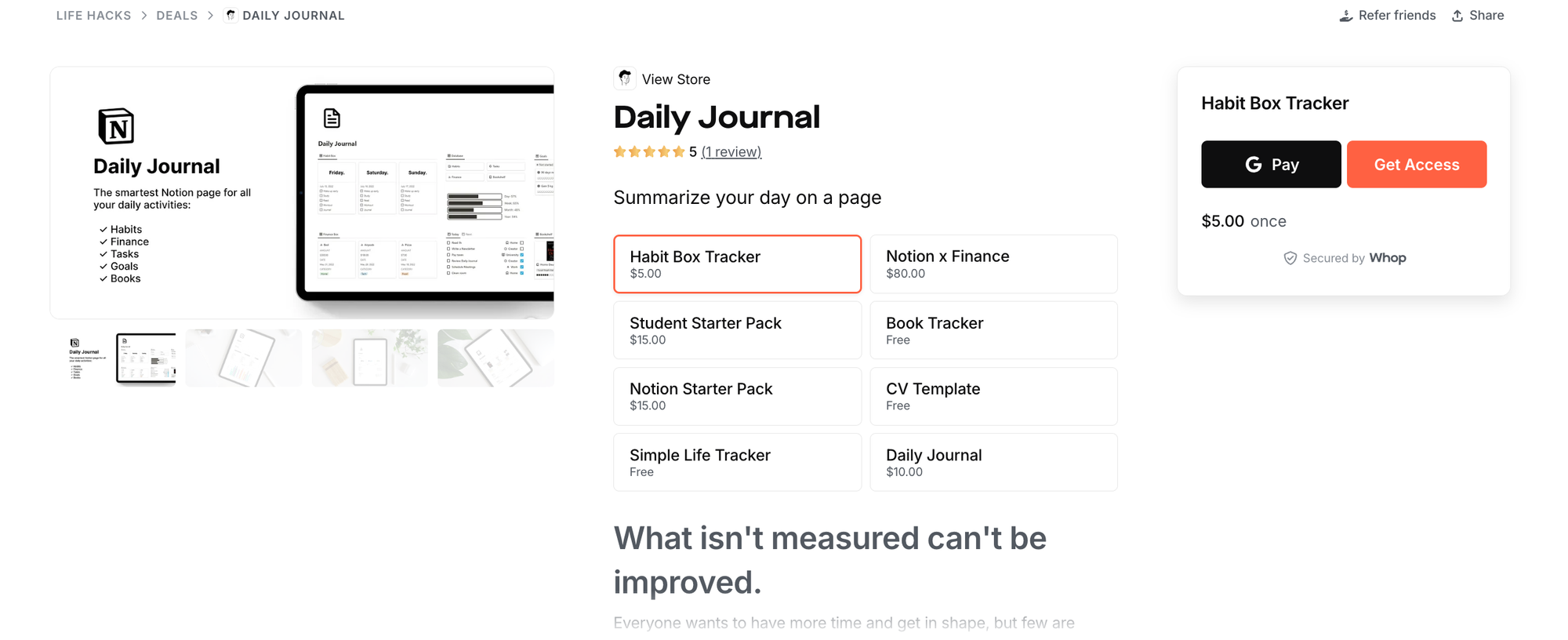
Printable planners are beginner-friendly because they’re easy to design using tools like Canva.
You can make planners for fitness, personal productivity, teaching, or budgeting, and add your branding to stand out.
Once created, planners can be sold individually or as bundles. They’re quick to produce and easy to repurpose for different audiences or niches.
- Cost to create (or buy PLR): $0-$20
- Earning potential: $5-$20 per planner, $20-$100+ per bundle
8. Digital coloring pages
Coloring pages are popular for mindfulness, stress relief, and creative fun.
You can design your own, convert images to outlines, or purchase PLR packs to rebrand.
Bundles and themed collections often sell best, particularly around holidays, animals, or inspirational designs.
They’re fast to produce and easy to scale.
- Cost to create (or buy PLR): $0-$50
- Earning potential: $2-$10 per page, $10-$30+ per bundle
9. Recipes and cookbooks
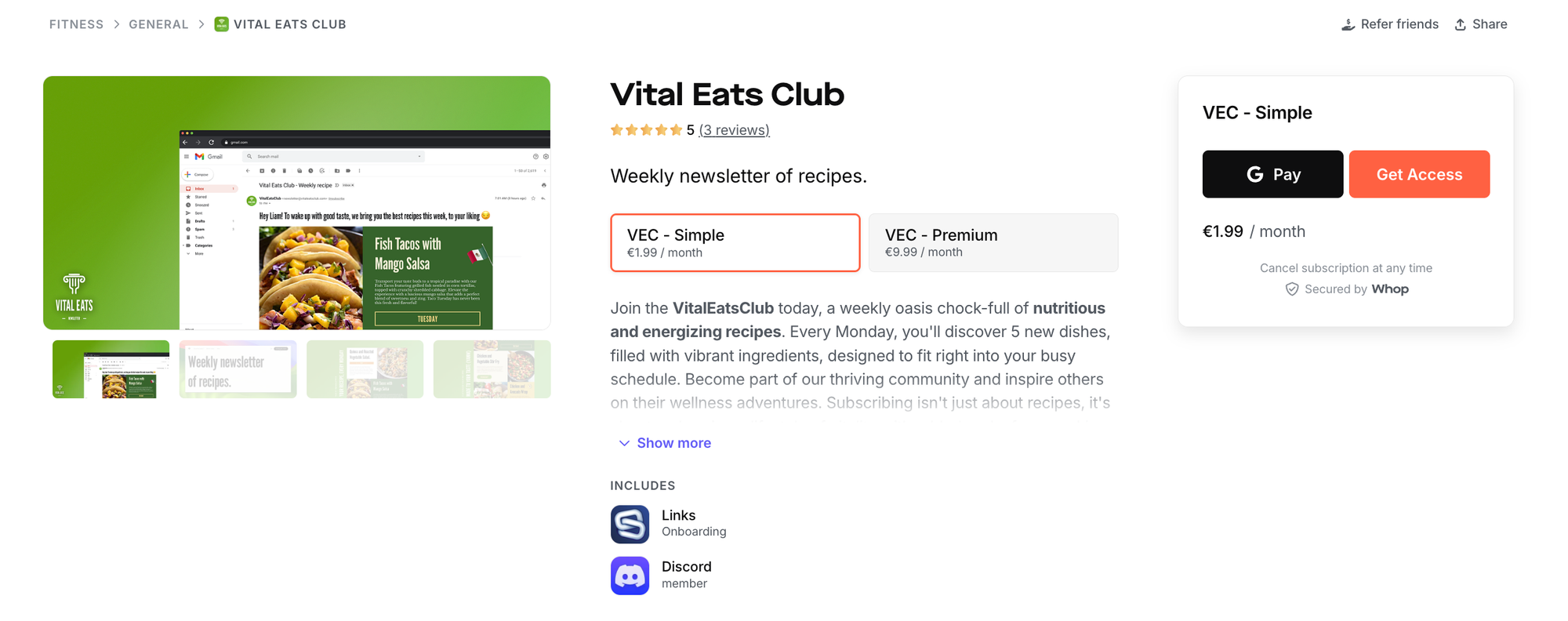
Recipes are perfect for food enthusiasts and niche diet audiences.
You can sell single recipe cards, full cookbooks, or create a subscription hub with weekly recipes.
Canva makes it easy to design recipe layouts with your own photos and branding.
Try to target specific diets like keto, vegan, or Mediterranean: these products sell best when targeted to the right audience.
Tip: Recipe subscriptions provide recurring revenue alongside one-time purchases.
You can easily create membership hubs for meal plans, recipes, and nutritional advice on Whop, adding other digital products as you grow.
- Cost to create (or buy PLR): $0-$50
- Earning potential: $10-$40 per cookbook, $5-$50 per month for subscriptions
10. Templates and spreadsheets

This is one with a tiny, tiny bit of a learning curve, but if you learn just one tool, you'll have an endless supply of digital products to sell on your hands.
I'm talking about all kinds of templates. Budget trackers, Notion workspaces, or social media post planners are just some examples of digital products you can easily make, repurpose, and resell.
You can even take that a step further and just make social media post templates, too. Instagram bundles and reels, TikToks, or even LinkedIn thought leadership posts (you can easily make those with AI – many people do).
Interactive PDFs also fall under this umbrella.
You don't need advanced skills. Spend a little bit of time learning the tool you're going to use (often Excel, Google Sheets, Notion, Figma, or Canva) and get started. You can build base templates and then tailor them to specific needs.
- Cost to create (or buy PLR): $0-$50
- Earning potential: $5-$100 per downloadable file
How do I sell digital products?
Creating your digital product is just the start. Selling it is where the real action happens.
For beginners, it can feel overwhelming – but with the right approach, you can make the process simple, smooth, and profitable.
1. Choose the right platform
The first step is picking a platform that can host your digital product and handle payments.
Some platforms only let you list products, while others give you everything from customizable sales pages to dashboards, analytics, and even marketing tools.
For beginners, using an all-in-one platform like Whop makes life much easier.
You can create professional-looking listings, manage your products, track sales, and customize your page, all without technical skills.
2. Create a solid product page
Your product page is where potential buyers decide whether to purchase, so it needs to be clear and persuasive. Make sure to include:
- A strong title that immediately communicates the benefit of your product
- A concise, easy-to-read description that explains what your product does and who it’s for
- Eye-catching images, previews, or screenshots so buyers know exactly what they’re getting
- A clear call-to-action that tells people to buy now
Even small details (like showing social proof, reviews, or results) can significantly increase your conversion rate.
3. Price your product (strategically)
Pricing can make or break your sales. Look at similar products in your niche to get an idea of what customers are willing to pay.
For beginners, starting with a lower price can help you get initial sales and feedback while you refine your product.
You can also experiment with bundles or tiered pricing.
For example, selling an ebook individually at $10, or as part of a bundle with a workbook and templates for $25.
4. Set up smooth delivery and payments
Digital products need to be delivered instantly and securely.
Most platforms, including Whop, handle this automatically.
Once someone buys your product, they should receive immediate access to download or view it.
Reliable payment processing is also critical.
Look for platforms that support multiple payment methods (credit cards, PayPal, Apple Pay) and handle taxes and currencies for you.
This reduces friction for buyers and keeps your income consistent.
Whop Payments are now fully independent, giving sellers more ways to earn (including BTC). Lower fees, less failed transactions, more freedom.
5. Promote your product
Creating and listing your product isn’t enough – you need to drive traffic.
Start with simple, beginner-friendly marketing strategies:
- Social media: Share posts, videos, or reels showing your product in action
- Content marketing: Write blog posts or guides that include your product as a solution
- Email marketing: Build a small email list and keep subscribers updated with tips, offers, and product announcements
- Collaborations: Partner with influencers or creators in your niche to reach a wider audience
Over time, you can expand into paid ads or more advanced marketing strategies, but starting small and building momentum organically works best for beginners.
6. Gather feedback, rinse, and repeat
Finally, selling digital products is an ongoing process.
Listen to your customers’ feedback, track sales data, and make improvements.
Updating your product, refining your sales page, or adding bonus content can help boost conversions and repeat sales.
Once you’ve done it successfully once, it’s a lot easier to create and sell your next digital product.
Sell your digital products with Whop and keep more profit
By now, you know that creating digital products doesn’t have to be complicated.
We’ve covered what it takes to get started, from understanding the skills you need and picking beginner-friendly products, to pricing, marketing, and selling your creations effectively.
The easiest way to bring all of this together is with Whop. With a whop, you get your own online hub to host products, connect with your audience, and launch to a ready-made marketplace of active buyers.
You can monetize ebooks, courses, subscriptions, AI products, and more, all while keeping more of what you earn.
Sign up for free today and start turning your ideas into digital products and offers that sell.