Adyen for Platforms lets you onboard users, split payments, and manage global payouts: but it's built for a specific type of business. This guide covers how it works, what it costs, and whether it's the right fit for your platform.
Key takeaways
- Adyen for Platforms replaces a whole vendor stack: onboarding, KYC, splits, payouts, fraud, and compliance in one system.
- Owning acquiring licenses and banking rails lets Adyen lift authorization rates and cut processing costs versus gateway competitors.
- Expect months-long integration, real engineering effort, heavier compliance ownership, and thin sub-merchant coverage outside Europe and North America.
As a platform operator, your choice of payment provider is one of the most important decisions you'll make. It determines how money moves through your business, how much your users trust it, and how far it can grow.
When that platform moves money between multiple parties, the stakes get higher. You need to onboard and verify sellers, split funds from a single transaction, manage cross-border payouts, stay compliant with AML and KYC regulations, and take your platform fee: all without becoming a licensed financial institution yourself.
That's a lot to handle, and most platforms underestimate how complex this gets until they're in it.
Adyen for Platforms was built to solve this problem. This guide covers what it does, what it costs, and whether it's the right fit for your platform.
P.S: If you're a single-merchant business taking payments for yourself, this isn't what you need — see our Adyen Payments review instead.
What is Adyen for Platforms?
If you've landed here, you've probably already heard of Adyen for Platforms. But here's a quick recap.
Adyen for Platforms is an end-to-end payment solution for peer-to-peer marketplaces, on-demand services, crowdfunding platforms, or any other platform business model.
Your users can sign up, sell, and get paid all through one solution, with onboarding, compliance, and payouts handled within the same system.
Originally launched in 2017 as MarketPay, Adyen for Platforms is used by over 193,000 businesses including GoFundMe, eBay, and WIX.
Who is Adyen for Platforms for?
Adyen for Platforms is built for platforms where payments move between multiple parties. If your platform connects buyers with sellers, customers with service providers, or backers with creators, and you need to collect, split, and disburse those funds reliably, then you're in the right place.
In practice, that covers a lot of ground. If you run a marketplace (like Vinted, SeatGeek, or GoFundMe), Adyen handles the payment acceptance, retains your commission, and disburses the remainder to your sellers.
If you operate a gig economy or on-demand platform like Uber, it manages contractor onboarding, fee deduction, and flexible payout schedules.
What if you're a SaaS platform embedding payments for their own users? You can use Adyen for sub-merchant billing and automated revenue splits (just like Wix, Lightspeed, and Toast).
These are well-known clients, and that reflects the ideal user that Adyen for Platforms is built for: high-volume, global, operationally complex businesses.
If you're earlier stage or still building transaction volume, that doesn't mean Adyen is off the table, but the pricing model and onboarding process will feel a little different than they would for an established enterprise.
How Adyen for Platforms works
Most payment providers are gateways. They sit between you and an acquiring bank, routing transactions through intermediaries.
Adyen took a different path, building its own banking infrastructure and connecting directly to card networks including Visa and Mastercard across key markets, as well as domestic rails like FedNow in the US.
That architecture shapes how Adyen for Platforms operates: the account structure, the payment flows, the pricing model, and the compliance coverage all follow from it.
Here's how.
Account structure
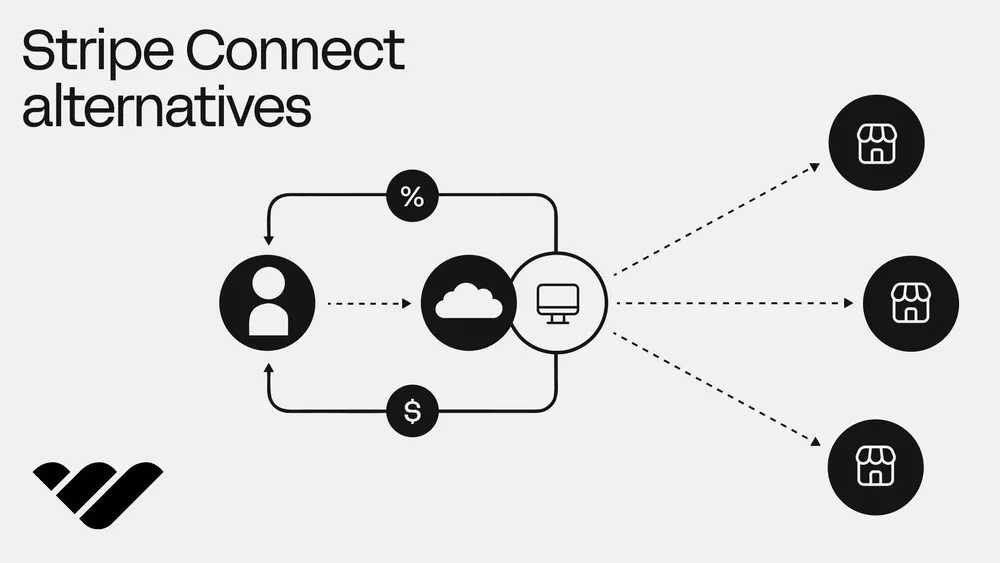
Adyen for Platforms runs on a hub-and-spoke model. Your business holds the master platform account, controls the payment flows, and is the sole point of contact with Adyen.
Your users: sellers, service providers, contractors, whoever receives funds on your platform, sit underneath you as connected accounts, or sub-merchants.
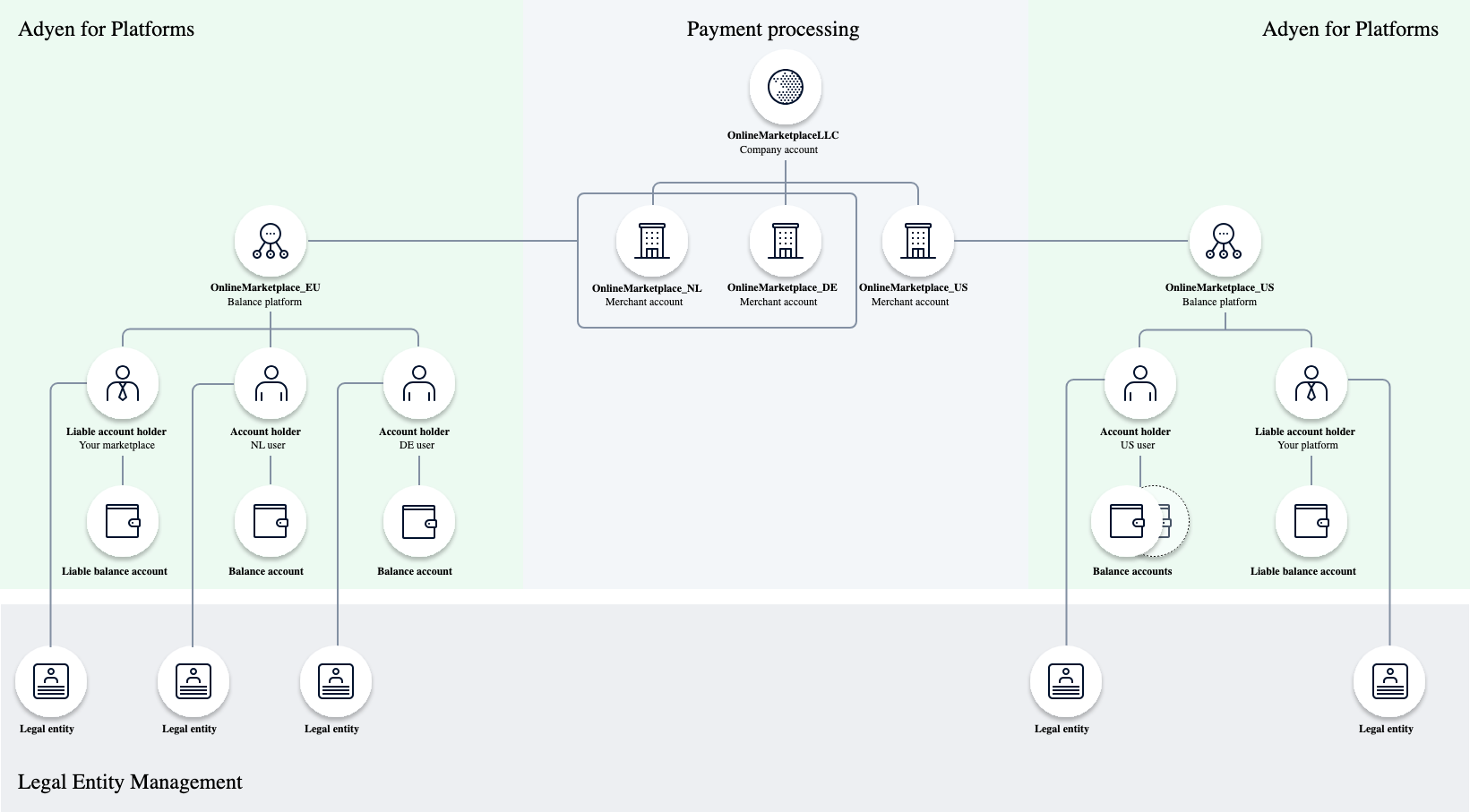
What does this mean? You retain full visibility and control over every transaction on your platform without building the underlying compliance, verification, or settlement infrastructure yourself (Adyen handles that layer).
Payment flows
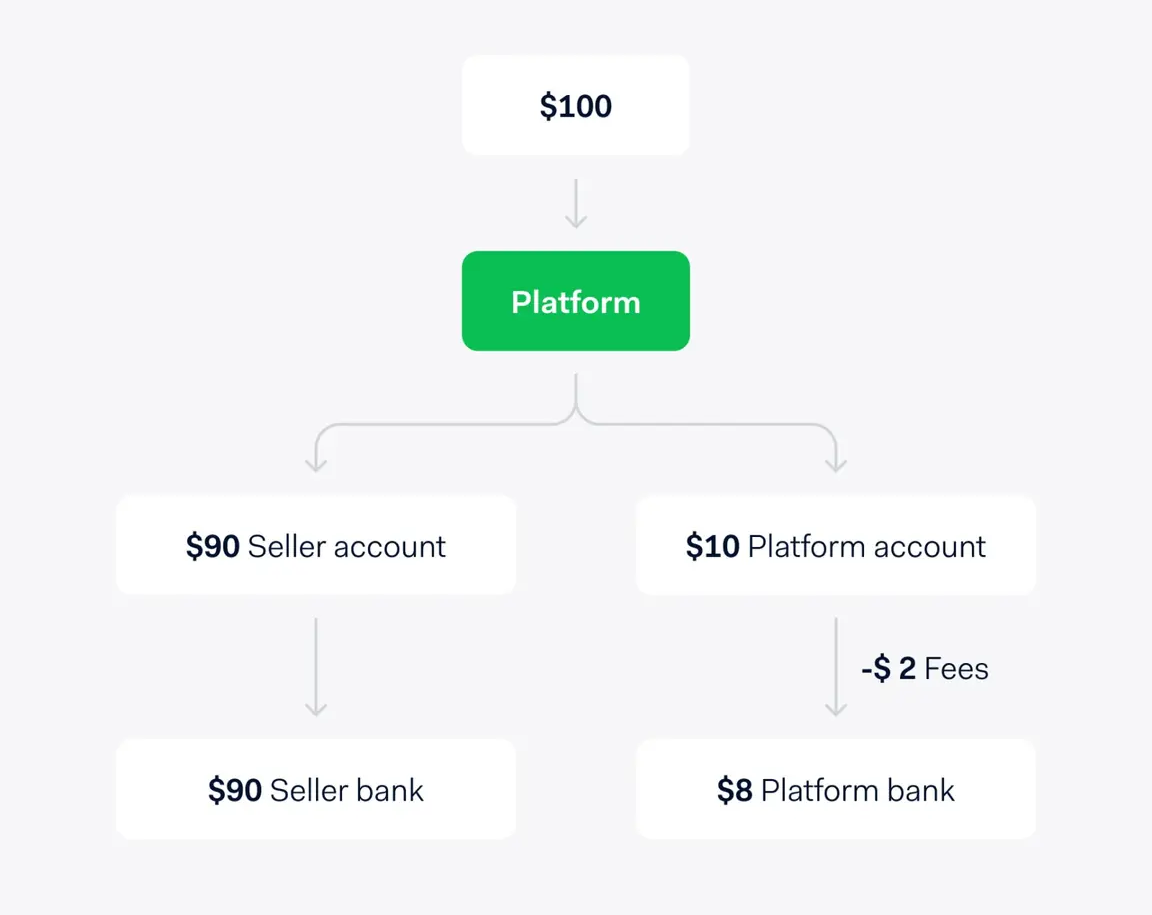
When a customer makes a purchase on your platform, funds flow into your platform account first. Adyen then applies the split logic you've configured: your commission comes off the top, transaction fees are accounted for, and the remainder is queued for disbursement to the sub-merchant.
One very useful aspect here is that you decide when and how that payout happens: on demand, on a set schedule, or triggered by a specific event.
Splits can be configured automatically at the store level or provided per-transaction via API, giving you flexibility as your platform's fee structures evolve.
Direct acquiring
Because Adyen holds its own acquiring licenses rather than routing through third-party banks, it can offer better authorization rates, particularly where local processing matters, such as processing European cards through a European acquiring license to avoid cross-border inefficiencies (like slow processing times and high fees).
You also get full visibility into the raw interchange and scheme fee data that a gateway would otherwise absorb into a blended rate.
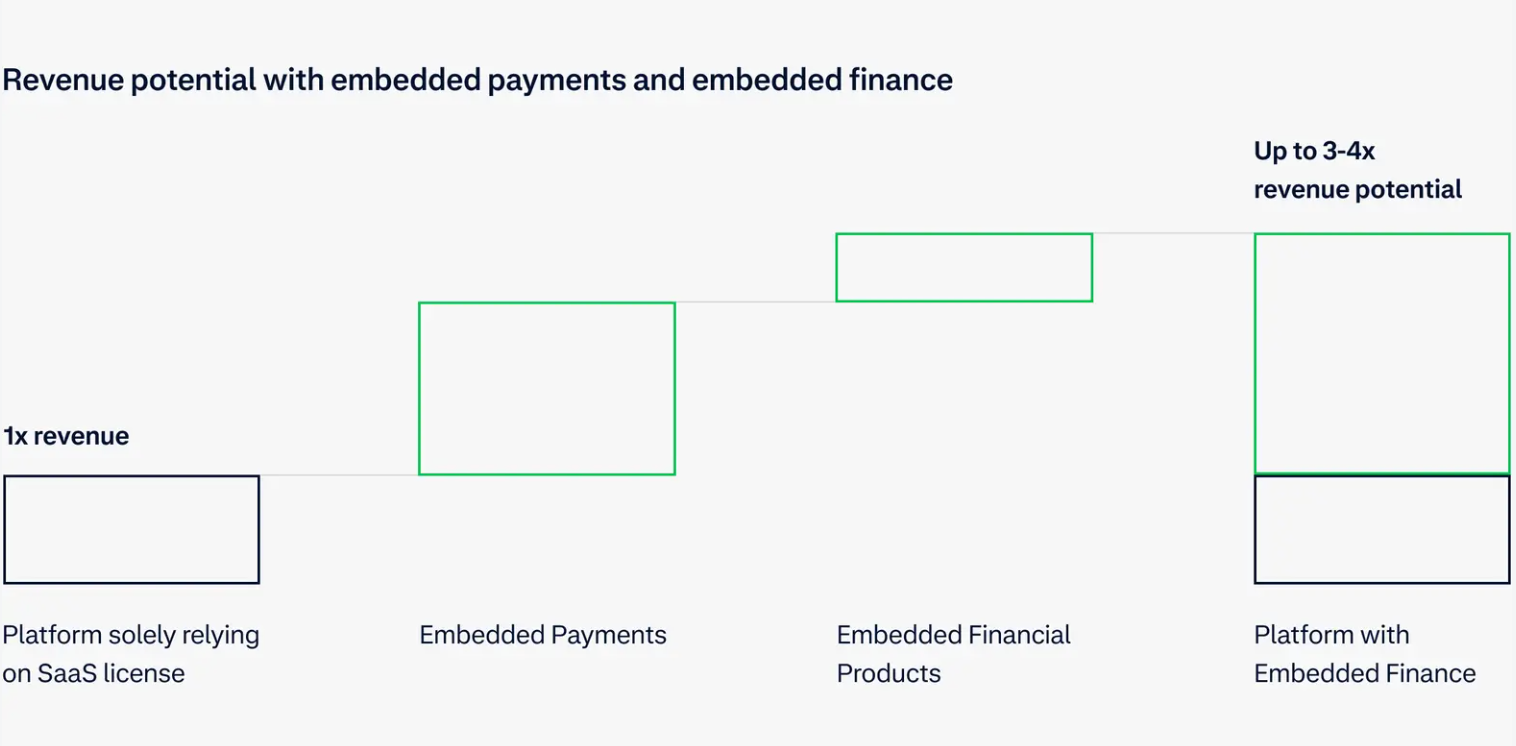
If you're wondering why this matters, the results speak for themselves. Adyen's Intelligent Payment Routing reduced debit transaction costs by an average of 20% in in the first half of 2025 (H1 2025) and improved authorization rates by 89 basis points.
At the enterprise level, Adyen's President of North America has cited authorization rate improvements of 6% and cost reductions of 5%.
This means tens of millions of dollars added annually for large customers.
But, there's a downside. Because Adyen isn't a plug-and-play gateway, getting set up takes weeks to months, not days. You'll need engineering resource, a commercial relationship with Adyen's sales team, and a compliance review before you go live.
Everything you can do with Adyen for Platforms
Adyen for Platforms is designed to replace what would otherwise be a stack of separate vendors: a KYC provider, a payment gateway, a fraud tool, a payout service, and a compliance layer.
Here's what each of those capabilities looks like in practice: what Adyen handles, what your platform owns, and where you may have issues arise.
Onboard your users
Before any money moves, your sub-merchants need to be verified. Adyen handles the identity verification and screening: KYC for individuals and KYB for businesses.
But it is important to know that the platform is responsible for collecting the required data from users and transmitting it to Adyen.
So while Adyen automates the verification decision, you own the onboarding experience and the data collection flow: aka, the tricky stuff.
Verification happens in tiers. Sub-merchants can begin accepting payments with basic information, with additional verification required as their transaction volumes increase or before payouts are enabled.
Adyen offers three onboarding paths depending on your technical resources and how much control you want over the user experience:
- Hosted onboarding (invite-based): Adyen creates the account holder and you send your user a hosted onboarding link. Adyen manages the UI and onboarding flow entirely.
- Hosted onboarding (API-initiated): You create resources and the hosted onboarding link via API, then redirect your user to Adyen's hosted flow. More control than invite-based, with less front-end build than a fully custom integration.
- API-only onboarding: You build the onboarding UI entirely and submit user data to Adyen via API. Full control over the user experience, but your team is responsible for keeping the integration up to date with regulatory changes.
Most platforms start with a hosted option and move to API-only as their sub-merchant base grows.
Accept payments
Once sub-merchants are onboarded, Adyen handles payment acceptance across online, in-app, and in-person channels.
Coverage is wide, spanning 150+ currencies and 200+ payment methods, including all major card schemes, digital wallets like Apple Pay and Google Pay, and regional methods: iDEAL in the Netherlands, SEPA across the EU, EFTPOS in Australia, and China UnionPay for transactions involving Chinese customers. Sub-merchant onboarding is supported across 33+ countries.
Adyen's strongest direct acquiring coverage is in Europe and North America. For sub-merchant onboarding specifically, the supported countries are concentrated in those regions, across 30+ European countries, the US, Canada, Australia, and Singapore.
Pay out your users
Adyen gives you full control over when and how sub-merchants are paid. Payouts can be scheduled daily, weekly, monthly, or triggered on demand.
Both bank transfer and debit card payouts are supported, with currency conversion handled natively so sub-merchants can receive funds in their local currency without you needing to manage FX separately.
Again, the limitation here is geographic: sub-merchant onboarding and payouts are not currently available in Latin America (beyond payment acceptance), the Middle East, or Africa. This is one of Adyen's most cited limitations, and for platforms with global ambitions, it's worth taking seriously before you commit.
Manage fees and revenue
You decide how every transaction is split, including your commission, any fees, and what goes to the sub-merchant.
This can be set up as a fixed configuration per store or passed dynamically per transaction via API (useful if, for example, you charge premium sellers a lower commission rate than new ones).
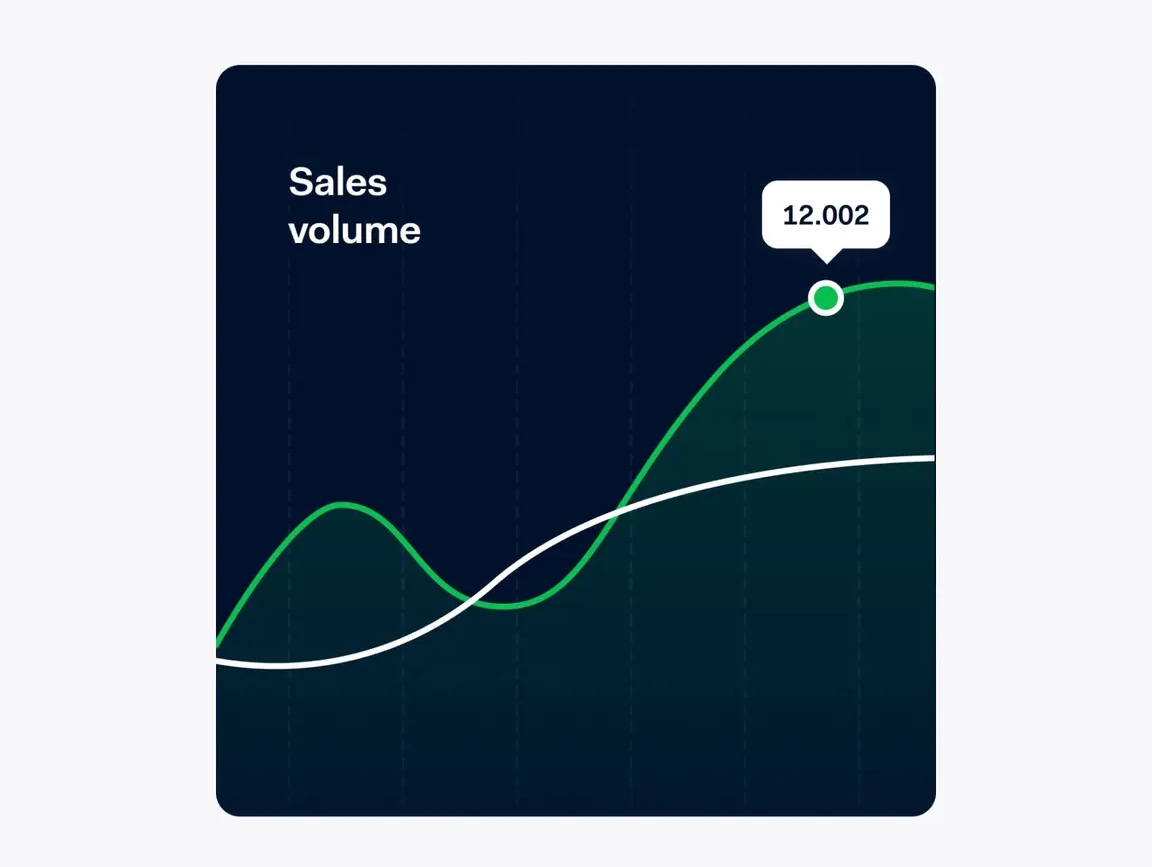
Adyen's reporting layer covers settlement reports, real-time transaction data, and reconciliation tools, which is enough for your finance team to track revenue without having to manually intervene.
Compliance and risk
Adyen handles AML transaction monitoring, sanctions screening, and ongoing sub-merchant risk assessment as part of the platform.
For fraud, RevenueProtect uses machine learning to score transactions in real time, with configurable rules that let you block or flag by country, velocity, device fingerprint, and more. 3DS support covers PSD2 Strong Customer Authentication requirements for European transactions.
What the platform owns is the enhanced due diligence layer for higher-risk sub-merchants, and the initial data collection for KYC. Compared to Stripe Connect, which automates more of the compliance burden on your behalf, Adyen puts more responsibility on your team.
At enterprise scale with dedicated legal and ops resource, that's manageable, but for smaller teams, it's a big ongoing workload.
Adyen is also explicit about its risk appetite: it will not onboard platforms operating in crypto, gambling, or adult content categories. If your platform operates in any of those categories, check with Adyen before you build.
Beyond payments: Adyen's embedded finance suite
Adyen for Platforms is just the start. If your platform is using Adyen then you also get access to a broader set of financial products.
Fresha, the beauty and wellness platform, has been building exactly this kind of integrated stack with Adyen since 2020. As Fresha's Chief Payments Officer Pawel Iwanow put it on Adyen's Embedded Finance podcast:
"Nobody needs to think about how payments work. It just works... In our industry, the standard is you have a software and then you have a clunky other payment provider and then another marketing tool. Now it's all verticalized in one platform."
That's the vision the embedded finance suite is built around. Here are the three products worth knowing about.
Capital
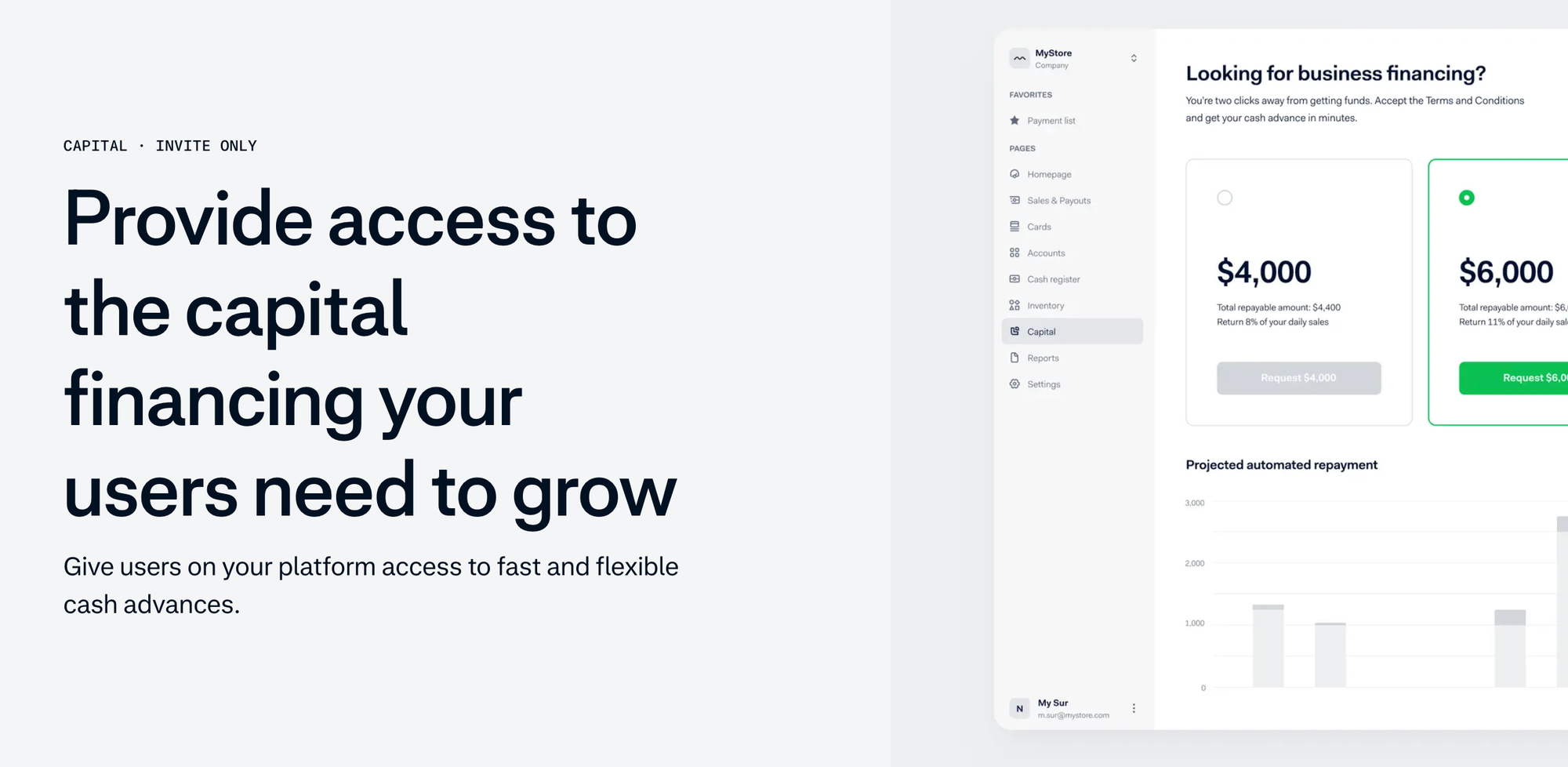
Adyen Capital lets you offer cash advances to your sub-merchants directly within your platform, under your own brand. Advances are based on historic payments data processed through Adyen, not personal credit scores. Repayments are automated and tied to incoming payment volume, so sub-merchants pay more on strong days and less on slow ones.
Adyen absorbs the credit risk; your platform earns a share of the revenue on repaid advances: this is when platform payments become a money-maker.
Jackrabbit Technologies, a class management platform for youth activity centres, launched embedded lending through Adyen Capital in under three months.
As Jamey Kennedy, Payments Manager at Jackrabbit, put it on the This Week in Fintech podcast: "The entire process was extremely easy, and clients received funds typically the next day."
Adyen Capital is invite only. and currently available in the US, UK, Europe, and Australia for selected platforms.
Issuing
Adyen Issuing lets you create and distribute physical or virtual Visa and Mastercard debit cards to your sub-merchants. Cards are fully branded and customizable, with spend controls at the level of location, merchant type, amount, and more.
Because issuing runs on the same infrastructure as acquiring, funds from payments can be made instantly available on a sub-merchant's card. Your platform earns a share of interchange on card spend.
Currently available in the US, UK, and Europe.
Accounts
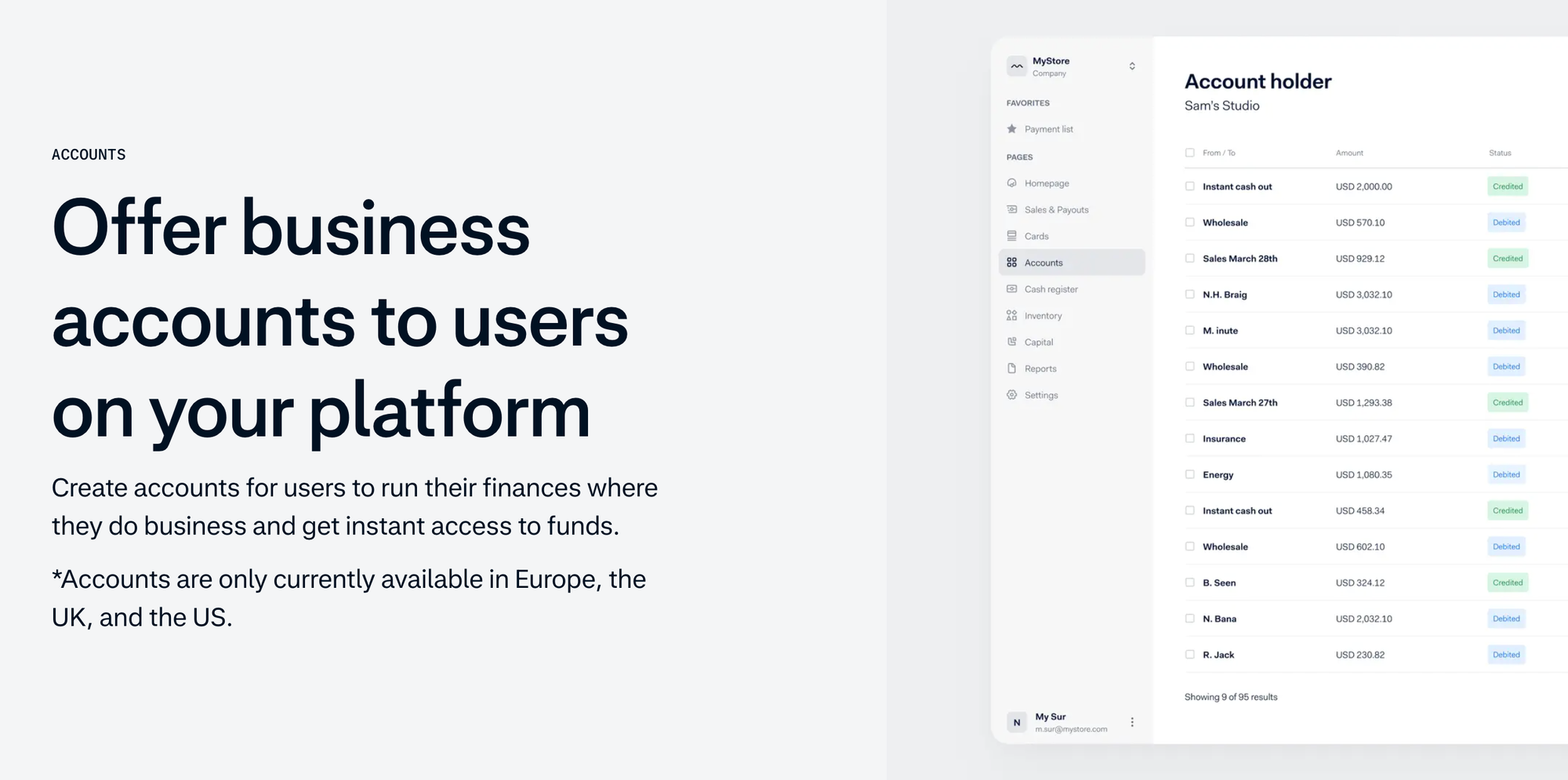
Adyen Accounts lets you offer embedded business bank accounts to your sub-merchants, again under your own brand.
Users can receive, store, and spend funds within the platform ecosystem, with end-of-day settlement by default and real-time access available for a small fee.
Available in the US, UK, and Europe for selected platforms.
Going live with Adyen for Platforms
As mentioned earlier, getting live on Adyen for Platforms is not a self-serve process. There is no instant sign-up flow and no way to access test credentials before Adyen has reviewed your business.
You'll need to engage their sales team, go through a review of your business model and expected volumes, and clear a legal and compliance sign-off before you can start building. For platforms coming from a simpler payment setup, this can come as quite a surprise (and a very unwelcome one).
- First, the commercial review is where Adyen assesses whether your platform is a fit at all. Your business model, expected volume, and the categories your sub-merchants operate in are all evaluated at this stage.
- If approved, you'll receive test credentials and can begin building. A word of warning: the integration itself is substantial.
- At a structural level, your team needs to understand and implement Adyen's account hierarchy before writing a line of product code: company account, merchant account, balance platform, account holders, balance accounts, legal entities, transfer instruments, and business lines all need to be created and managed programmatically.
- From there, the build spans multiple work streams running in parallel: API credential management across three separate credential sets, webhook infrastructure for real-time event handling, onboarding flows, payment processing with split logic, payout and fund transfer configuration, and reporting and reconciliation pipelines.
Each workstream has its own testing requirements, and Adyen requires a full end-to-end test suite to be completed before approving go-live.
Expect integration to take weeks to months, not days. The exact timeline depends on your engineering team's capacity and the complexity of your platform's payment flows, but plan for a minimum of several weeks for a straightforward integration, and longer for anything with custom payout logic or multi-market requirements.
What Adyen for Platforms costs
Platform pricing can be complex, to say the least, but Adyen's pricing is more transparent than most enterprise payment providers. Still, the total cost of running on Adyen depends on several variables that aren't published publicly.
Here's how it breaks down.
The Interchange++ model
Adyen prices on an Interchange++ (IC++) model, which means every transaction has four cost components:
- Adyen's processing fee: a fixed $0.13 per transaction, regardless of payment method or geography
- Interchange: set by the card-issuing bank, passed through to you at cost. Varies by card type, geography, and whether the transaction is consumer or commercial, debit or credit
- Adyen's markup: 0.60% per transaction on card payments
- Scheme fees: set by the card networks (Visa, Mastercard, etc.), passed through at cost
IC++ gives you full visibility into what you're actually paying per transaction, rather than a blended rate that hides the underlying costs. To model it accurately, you need to run the numbers on your actual transaction mix: card types, geographies, and average ticket size.
The minimum monthly invoice
This is the single most important cost consideration for platforms evaluating Adyen.
Adyen charges a minimum monthly invoice. If your total transaction fees in a given month fall below that threshold, you pay the difference. The threshold is not published and varies by industry and business model.
Think of it like a minimum spend. Even if your platform barely processes any transactions in a given month, Adyen still charges you a minimum amount. If your transaction fees don't reach that minimum, you pay the difference to make up the gap.
Volume discounts
Adyen offers tiered pricing discounts for platforms processing at enterprise volumes. Again, the specifics are negotiated directly and not published. If your platform is approaching or exceeding significant monthly volumes, it's worth opening that conversation with your Adyen account manager.
Is Adyen for Platforms the right choice for your business?
Adyen for Platforms is a serious piece of infrastructure, and the fit depends almost entirely on your platform's scale and technical capacity.
If you're running a high-volume platform with global disbursement needs, particularly across Europe and North America, then Adyen for Platforms may be right for you.
But if you're early stage, in a restricted category, or need to move fast, then Adyen for Platforms is not for you. The minimum monthly invoice is a big cost for platforms still building volume, the integration can take months, and if your seller base is concentrated in Latin America, the Middle East, or Africa, Adyen's sub-merchant coverage limitations are a constraint.
The reviews tell the same story from both sides. On the enterprise side, a Head of IT in Travel and Hospitality on Gartner Peer Insights speaks on Adyen positively:
"Following years of using multiple providers, we switched to Adyen for all markets. It was indeed the right decision for us. In particular, their service and partner relationship stands out apart from a market leading product in our opinion."
But not every Adyen user is as happy with the results. Another business owner reviewing Adyen's broader onboarding process on Trustpilot said:
The company operates with a risk-averse, closed-ecosystem mindset typical for legacy German fintech. Entry requirements are opaque, onboarding is selectively granted, and small or medium businesses are effectively filtered out. Micro-transaction models and fast-iteration startups cannot rely on a provider that hides eligibility behind manual approval and internal scoring.
That dynamic is Adyen for Platforms in a nutshell. If your platform is at the scale and complexity that Adyen is built for, it's hard to beat. If you're not there yet, the friction of getting in (and the cost of staying in) will work against you until you are.
Adyen for Platforms alternatives
Adyen for Platforms is a strong product, but it's not the right fit for every platform. If the integration complexity, minimum invoice, geographic limitations, or onboarding process don't work for where your platform is today, here are three alternatives worth evaluating.
Whop
Whop offers a unified payments infrastructure built for platforms and marketplaces that need multi-party payments, connected accounts, automated revenue splits, and global payouts.
Whop has built its own acquiring infrastructure, using smart orchestration across multiple providers to increase approval rates and global coverage across 187+ countries and 100+ payment methods.
Where Adyen requires a months-long procurement process and a dedicated engineering team, Whop is built for platforms that need to move faster: no minimum invoice thresholds and lower technical overhead without sacrificing core multi-party capabilities: KYC, compliance, split payouts, and a unified dashboard.
Smart routing and retry logic across multiple PSPs improves authorization rates globally.
Stripe Connect
Stripe Connect is the default starting point for developer-led platforms that aren't yet at enterprise scale. Self-serve integration, no minimum invoice, and the most extensive documentation in the market mean you can be live and testing the same day. Progressive onboarding flows – hosted, embedded, or custom – reduce the frontend build for sub-merchant onboarding.
The trade-off is cost: flat-rate pricing at 2.9% + $0.30 plus Connect fees becomes more expensive than Adyen's IC++ model at volume.
For most platforms, Stripe is where you start and Adyen is where you go when the economics make the switch worthwhile.
Tipalti
Tipalti is a payment automation and global payables platform focused on mass cross-border payouts and compliance workflows across 196 countries and 120 currencies. It's built for teams where the finance function, not engineering, is leading the infrastructure decision: and the compliance automation, ERP integration, and payee experience reflect that.
What it isn't is a full multi-party transaction routing platform. If you need real-time revenue splitting or embedded sub-merchant payment acceptance, you'll need additional tooling. For platforms whose primary challenge is disbursing funds to a large global payee base with complex compliance requirements, it's a strong fit.
Is Adyen for Platforms worth it?
Adyen for Platforms is enterprise-grade infrastructure that delivers on its promises. The direct acquiring model, IC++ pricing, and embedded compliance layer offer a great solution for high-volume platforms operating across Europe and North America.
And the embedded finance suite – Capital, Issuing, and Accounts – take that even further, giving you the tools to become the primary financial relationship for their sub-merchants, not just the payment processor (and make even more revenue in the process).
But the fit is specific. The minimum monthly invoice, the months-long integration, the enterprise sales process, and the geographic gaps in LATAM, Middle East, and Africa mean Adyen for Platforms rewards platforms that have already scaled, and penalises those that haven't yet.
If you want enterprise-grade multi-party payment infrastructure without the enterprise procurement process, Whop is the one for you.
Whop: powering platform payments & more
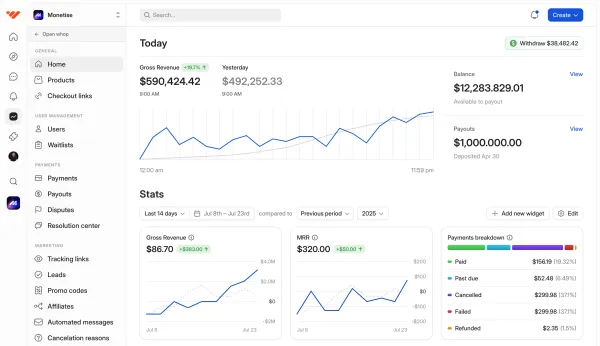
Whop powers multi-party payments for platforms and marketplaces: and does so much more.
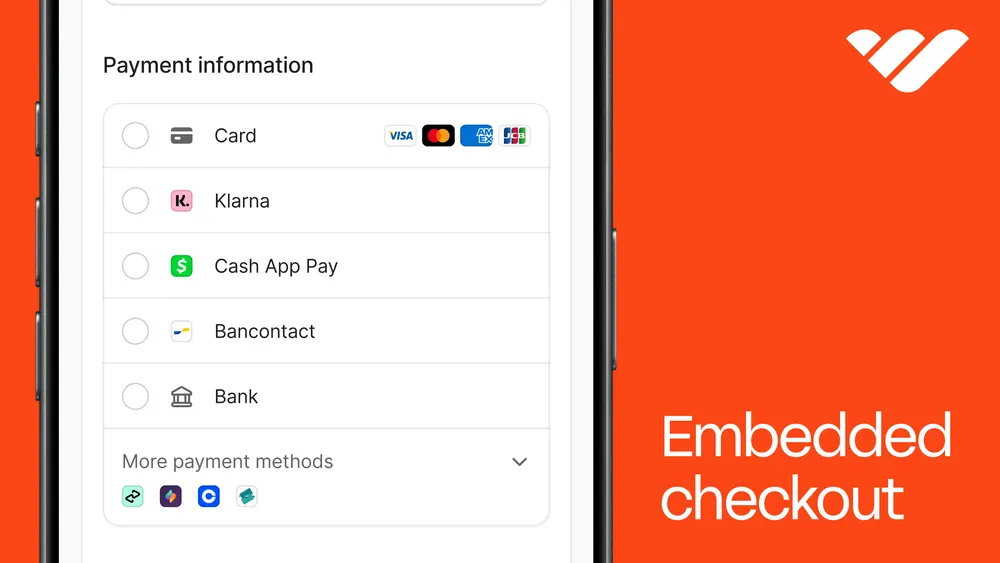
Platforms onboard and verify connected accounts, split payouts, and accept payments through embedded checkout components or a custom API build, with smart orchestration across 195+ countries and 100+ payment methods.
Tax, fraud, and risk tools sit in the same dashboard, alongside Whop Ads.
"Whop gives me peace of mind – I don't have to worry about our payment stack working. Our team has gotten back so much time." - Nick Lawton, CEO of SideShift
Whether you're launching your first platform or scaling to millions of users, Whop handles the complex details behind the scenes, letting you focus on growing your business.