0% down financing means a storm-damaged tree doesn't have to wait on a homeowner's budget
Key takeaways
- Applying professional sales systems to a handshake trade wins jobs before crews touch a tree.
- 0% down financing removes the cash barrier blocking urgent repairs homeowners can't safely postpone.
- Financing protects cash flow, ends invoice chasing, and turns payment logistics into a growth lever.
Matthew Antonov is not your typical tradesperson. He didn't get into the trade through family or start straight after college. Instead, he swapped his white-collar career in real estate for a blue-collar career in tree services after the real estate market grew quiet.
Matthew founded Chopmen, based in Vancouver, Washington, and applied the same customer services and sales instincts that he'd built in real estate to an industry that, in his words, still runs on 'missed calls and handshake pricing'.
Here's how Matthew brought an old trade into modern business model with Whop.
A traditionally cash-in-hand industry
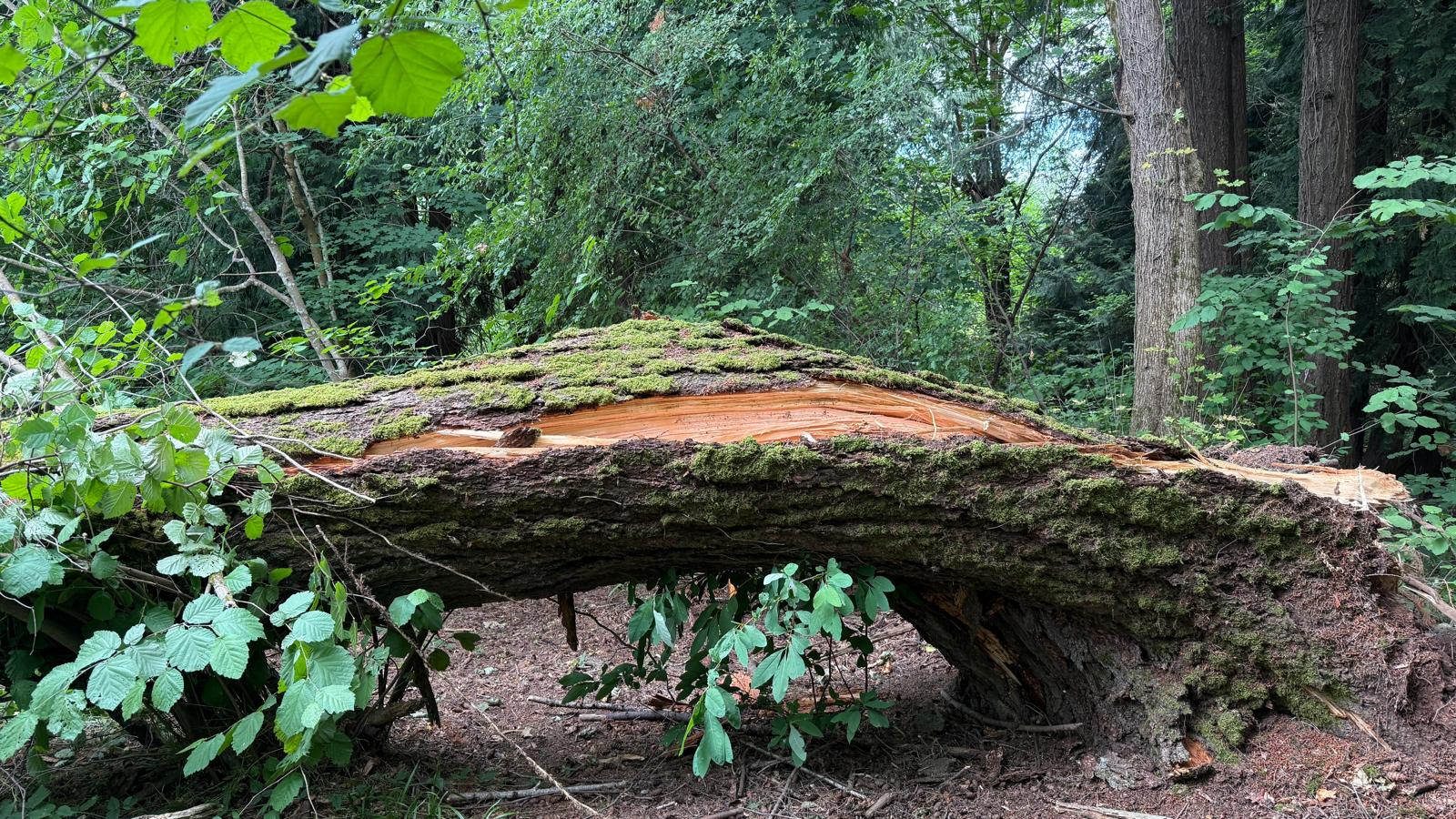
Tree work is one of those trades where the customer experience hasn't evolved much in decades.
You need a tree moved or cut down, so you call a number and someone shows up. Pricing gets negotiated on the spot, and you pay then and there by cash, bank transfer, or card payment.
Matthew wanted Chopmen to offer a different experience.
"When people call us, they're expecting the usual guy-with-a-chainsaw experience. Then they get a booked appointment and a written quote the same day. That alone puts us ahead of half the industry before we've even touched a tree."
- Matthew, Chopmen
Chopmen handles the full range of residential tree work: removal, trimming and pruning, stump grinding, lot and land clearing, cabling and bracing, and 24/7 emergency storm cleanup.
Emergencies don't wait for payday
The problem with the traditional tree service business model is that if you don't have the cash, the job doesn't get done. And if you've ever had a tree fall on your property, or threaten to come down on your house, then you'll know that it's an emergency that doesn't wait for payday.
A storm drops a fifty-foot fir onto someone's roof, and now they need thousands of dollars on short notice, whether or not they have it.
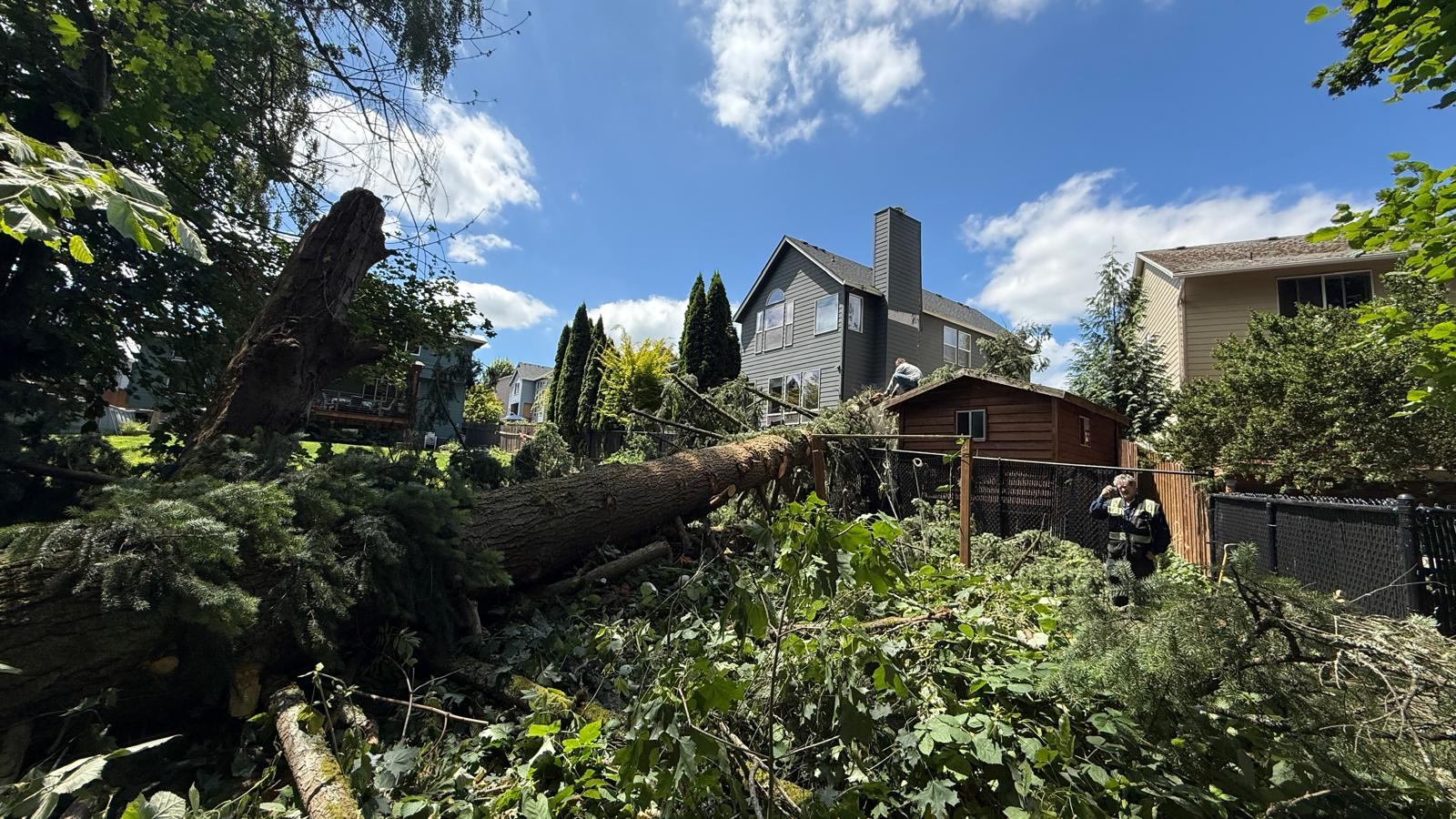
Emergency removal alone, for a large tree that's come down on a house, typically runs $2,500-$7,500 or more depending on size and access.
If you don't have the money upfront, waiting doesn't work: it causes more damage to your house in the long run.
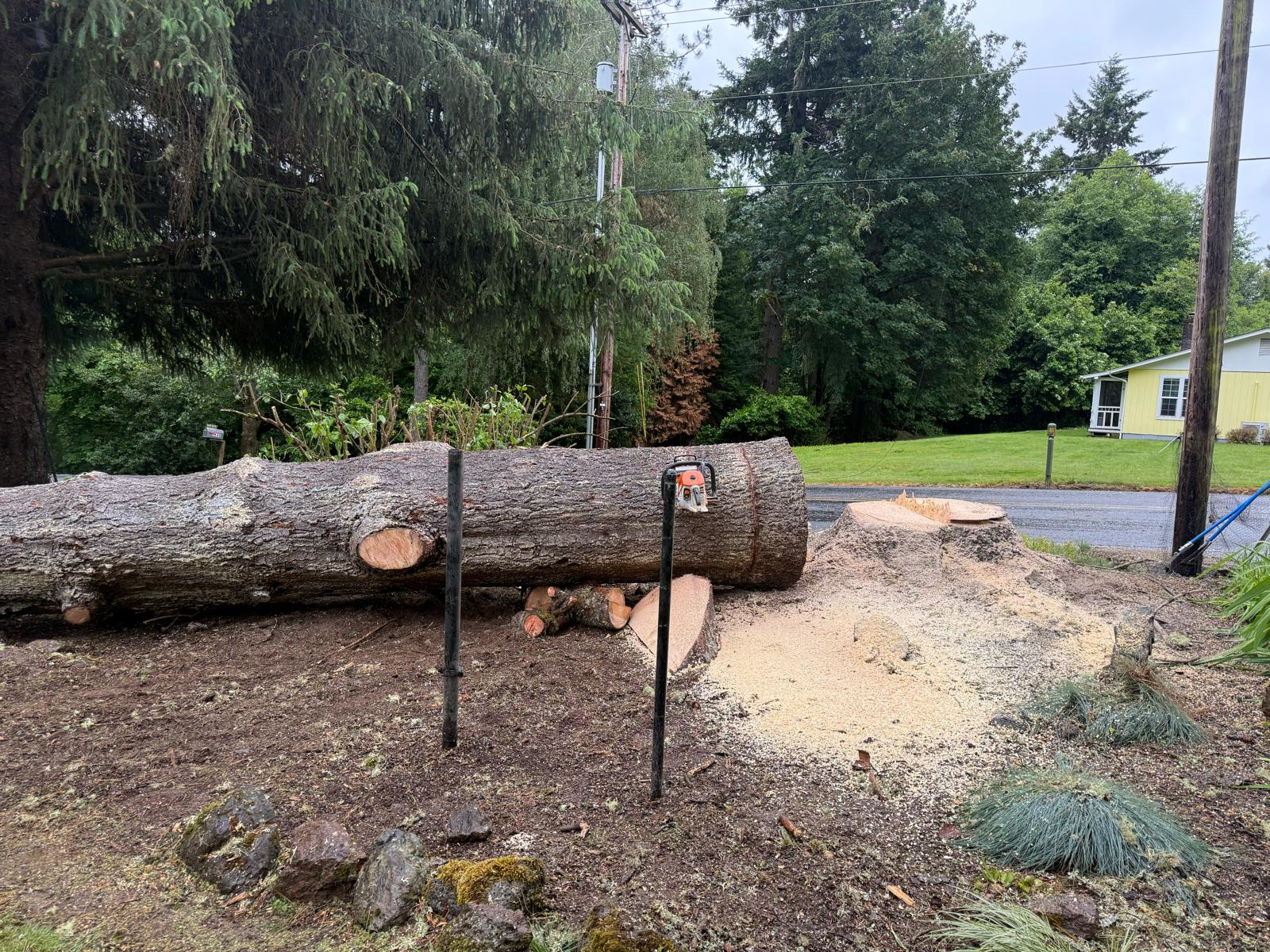
A damaged tree doesn't get safer with time. If it's cracked, leaning, or already compromised, the next windstorm can turn a tree problem into a roof, fence, or structural problem. We always tell homeowners that it's better, and usually cheaper, to deal with it while we can still control how the tree comes down.
- Matthew, Chopmen
Basically every day that you wait on tree removal gets more expensive, not less.
Which is why Chopmen offers financing through Whop.
Financing, not favors
Before Chopmen began to offer financing, Matthew handled costs the way most trades do: on a case-by-case basis. He says:
"If we trusted someone, we'd let them pay it off over a few weeks and just hope it worked out. But that's risky, and not a great way to run a business"
This kind of informal handshake arrangement is pretty common in emergency trades: nearly six in ten homeowners have nothing saved for emergency repairs. But it's also why so many trade companies stay small and stuck.
Every unpaid invoice ties up cash in the business.
"Nobody's really been forced to run tree services like a business. It's mostly older guys who've done it their way forever, and it works well enough that no one's changed it. That's not a knock on them, it's just an opportunity for anyone willing to do the boring parts properly,"
Offering financing through Whop
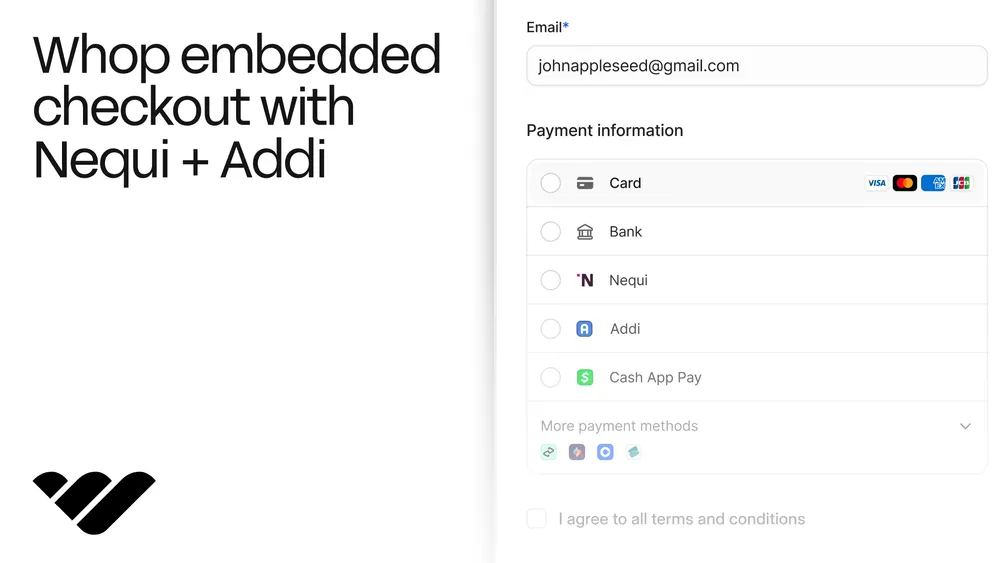
Chopmen offers 0% down financing on every service it provides, powered by Whop. Now a homeowner doesn't have to try to borrow funds from friends or take on extra shifts, they can engage the service as soon as needed and pay back in a way that suits them.
"Financing isn't about upselling. It's about the guy standing in his driveway looking at a tree through his living room wall, who doesn't even want to think about money right now. We take that off his plate," Matthew says.
How it works is simple. A client applies, gets approved, and the job can begin. Chopmen offers financing through Clarity Pay, covering up to $30,000, with repayment terms as long as 36 months.
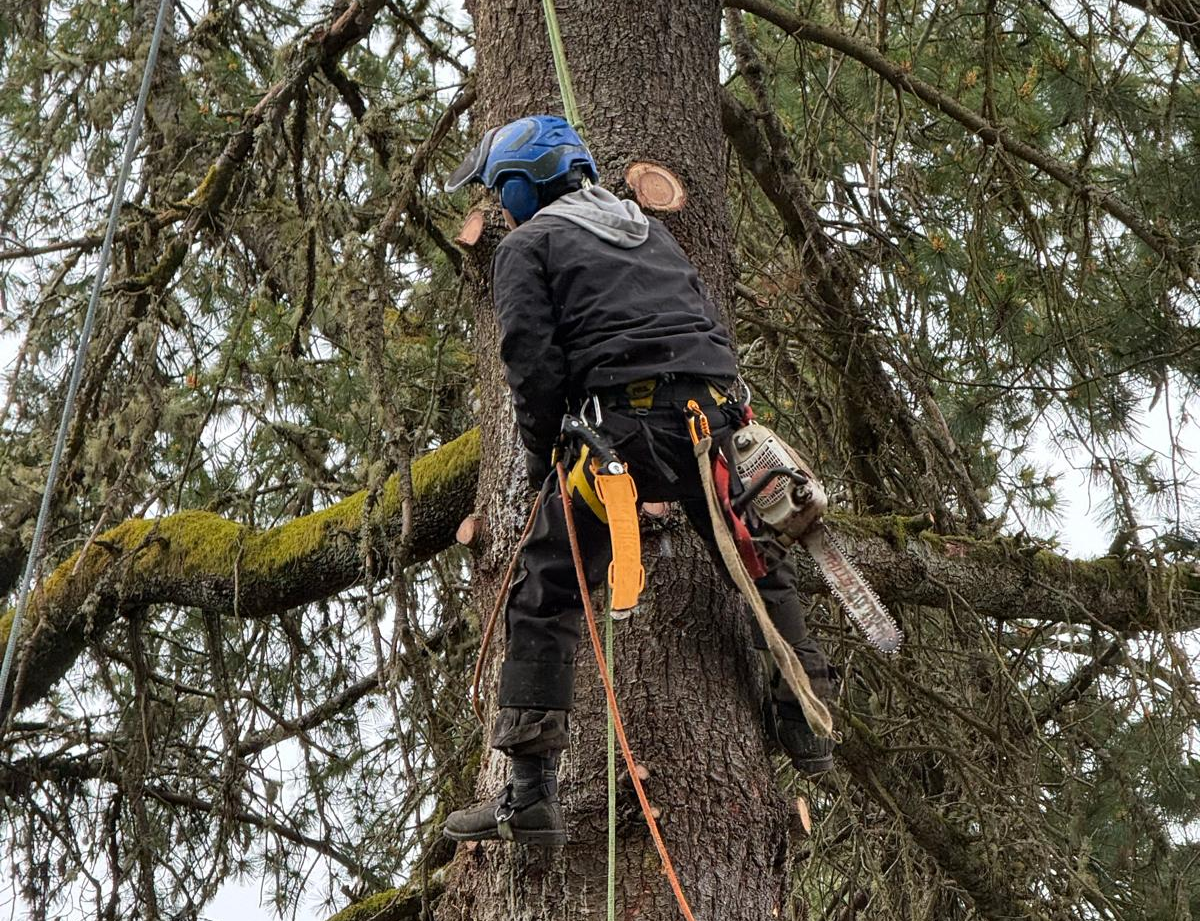
For Chopmen, it's a growth lever, too. Revenue isn't tied up in IOUs, and more customers have the means to say 'yes'. Chopmen currently services Southwest Washington and the Portland Metro, and is bringing on board more crews to cover even more territory.
"Whop made offering financing really straightforward for us. We can give a customer a payment option right when we give them the estimate, without our crew having to become a bank or chase payments afterward. We get to focus on doing the tree work, and Whop handles the financing side."
Blue collar work, white collar back office
Chopmen isn't reinventing tree service. The service still runs on qualified tradespeople, with the right tools, in the right area.
What has changed is the way the business runs – how customers are quoted, and how customers can pay.
For a trade built on emergency situations, getting payments sorted fast is crucial.
"When you're doing emergency tree work, the last thing you want is payment logistics slowing the job down. If there's a tree on a house, or one that could come down at any moment, we need to be able to get the customer approved, get the crew moving, and solve the problem. Having payments solved quickly lets us do that."
Whop is the end-to-end platform for running a business. Payments (including checkouts, financing, and payouts), ads, and business cards all run from one dashboard.