Explore 10 business models you can launch on Whop today, from communities and groups to events and webinars.
Key takeaways
- Whop supports ten business models, spanning communities, courses, coaching, agencies, SaaS, events, ecommerce, platforms, newsletters, and retail.
- Choose your model based on your skills, available time, and whether you want fast revenue or long-term scalability.
- One platform handles payments, access control, communication, and delivery, replacing an expensive, fragmented tech stack.
Our mission is to deliver everyone a sustainable income. How that looks in practice, though, can be wildly different from seller to seller.
Where some people are naturally skilled at creating communities, others are beasts at code, and others (like you, maybe) have service skills that are in high demand.
Whatever your passion is, you can earn an income from it. But first, you gotta figure out which business model fits your skills best. That’s what this guide will help you with.
Keep reading to discover the different types of businesses you can build, launch, and profit from with Whop.
10 business models you can build on Whop
These 10 ideas range from educational and info product models to SaaS and apps, physical products, and online events and communities.
Business, dating, health, marketing, fandoms, gaming, tech; your exact niche doesn’t matter. You’ll be able to find a business model that works below.
1. Paid groups
This is one of the most profitable and scalable business models out there. You can monetize a community or paid group for literally any purpose.
Accountability groups for studying, fandom communities, ticket resale groups, collector’s items, fitness communities, sales training groups, astrology reading communities – seriously, the list goes on and on.
Pick a niche, figure out a value prop, set a recurring membership fee, and build out your community features (group chats, forums, live events, courses, and other hosted or downloadable resources).
Most large communities use a split tier pricing model, offering free but limited access as well as a premium tier with all the good stuff. That gets people into the door with no barriers; where you can then upsell gated access and other products with higher conversion.

Take FlipFlip, for example. FlipFlip is an online trading community built here on Whop for card trading enthusiasts.
Anyone can join the public forum for free and scope exclusive updates, but the good stuff lies behind the paid tiers: Pro, TCG, and Pokemon.
That's where fans can access exclusive alerts and announcements and get access to Discord trading groups.
According to Bettermode, online communities see (on average) close to 50% engagement rates, so roughly half of their community size. Social media, comparatively, has average engagement rates of 0.05-5% of your following.
2. Educational programs
Selling courses is an option for anybody who has any kind of knowledge other people would want to learn.
That could mean technical skills like coding, programming, or design; it could mean more personal interests like learning human design, or something even more niche like learning how to look after plants better.

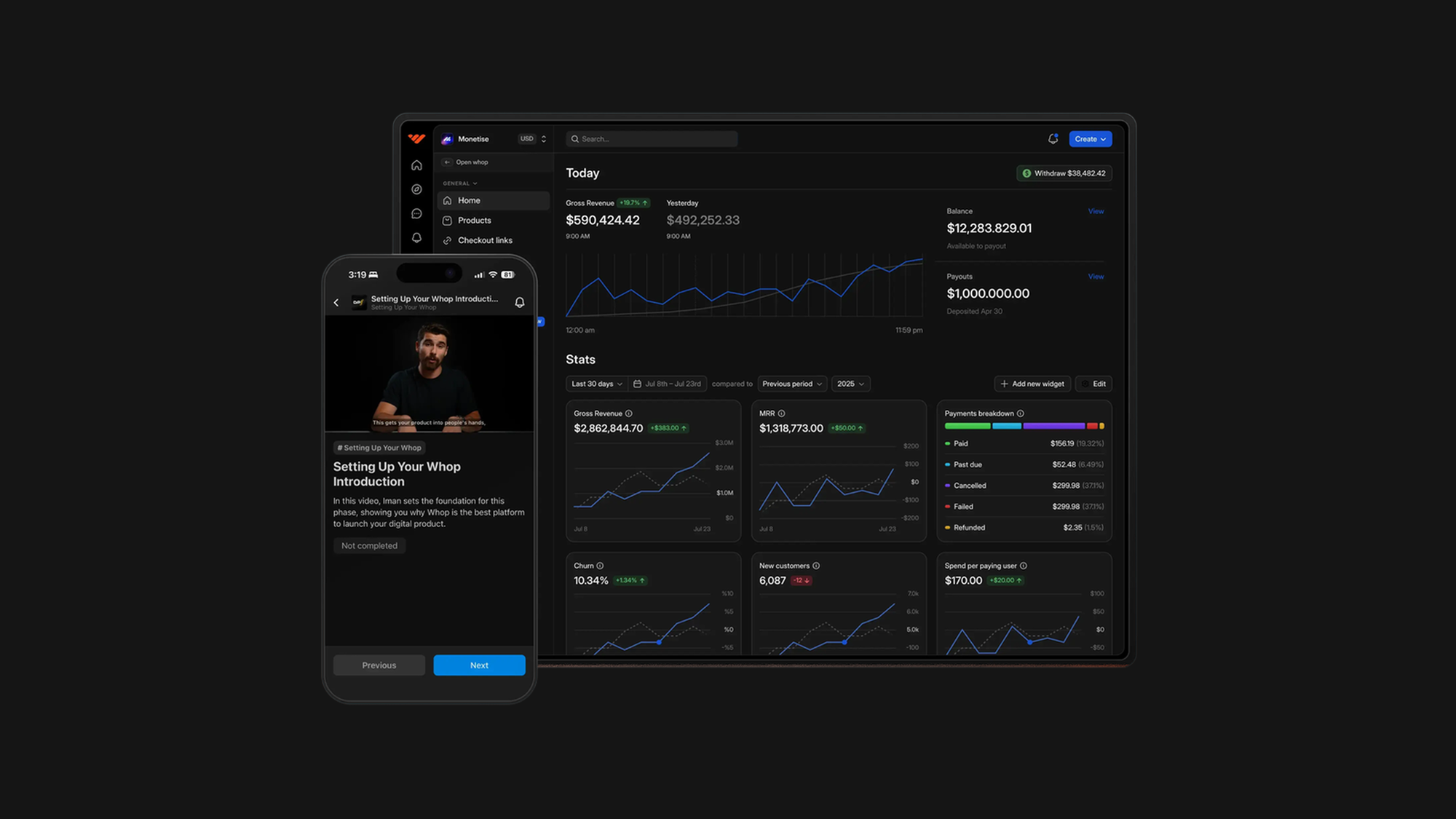
Plus, courses are scalable products that provide passive income – you create them once and continue selling access to unlimited students. Whop makes it easy to package whatever expertise you’ve got into a structured program people can access anytime.
Inside your course, you can host video lessons, post written modules, run livestreams, create discussion forums, and facilitate private chats; so students can learn and interact in one place.
The global online learning market is expected to grow to over $350 billion this year, by the way.
3. Coaching
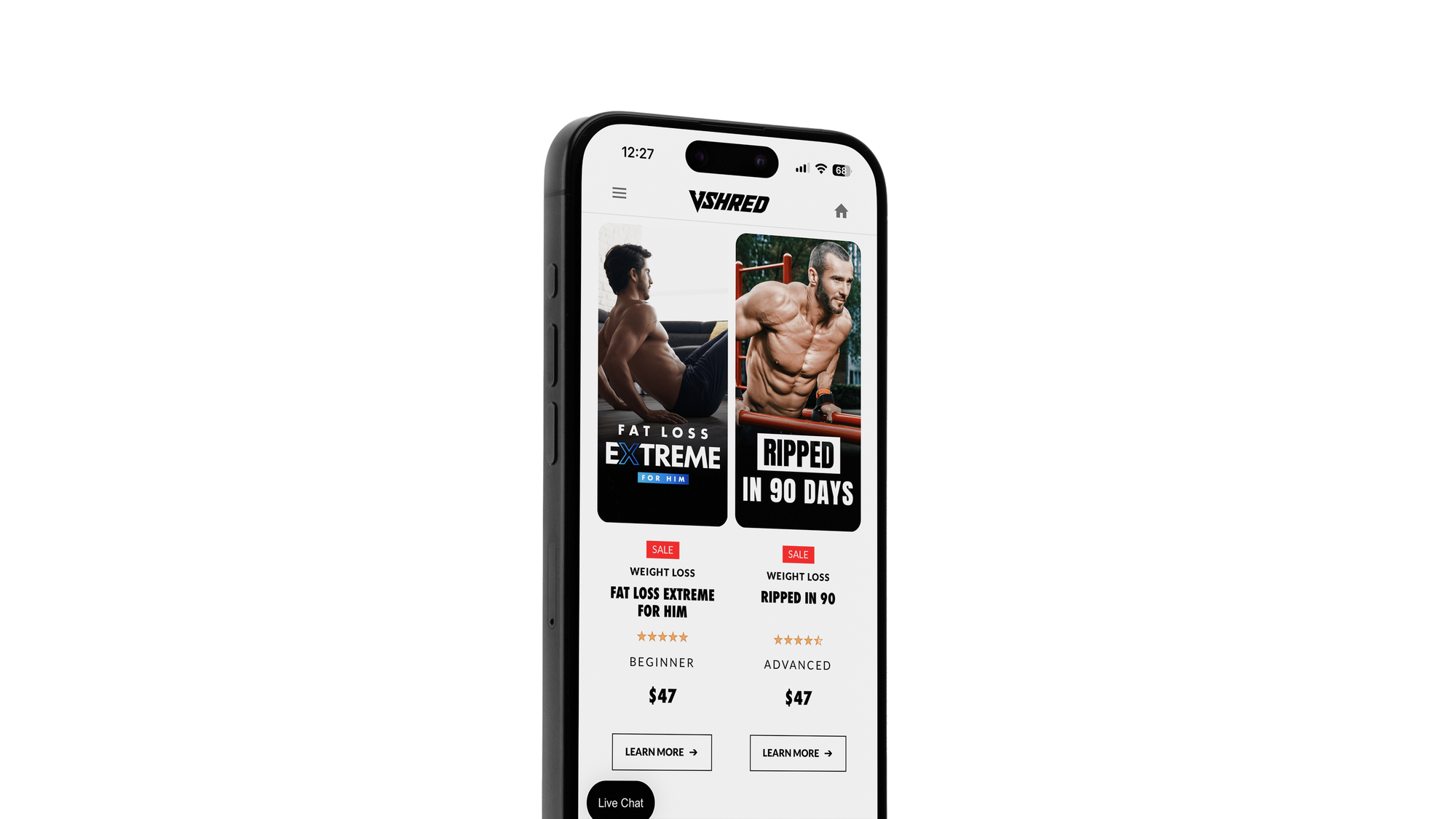
Coaching is a little different from courses in that it focuses on personalized guidance rather than pre-recorded content. In some ways, this makes it an even easier model to launch.
Instead of teaching large groups through lessons, coaching typically involves one-on-one sessions, small group calls, or ongoing mentorship programs.
If you have experience helping people achieve specific results (like building a business, improving their relationships, or training for a marathon), you can turn that expertise into a coaching offer.
Whop combines payments, scheduling, communication, and community building in one platform. That means coaches can host livestream calls, private chats, and even create communities while charging clients through recurring subscriptions or one-time payments.
And with BNPL and global payments, coaches can boost conversions on high-ticket programs, letting clients can pay in installments while they receive the full payment upfront.
I decided to move over to Whop because they had great BNPL options. I started getting payments that I ordinarily couldn't make because people just couldn't afford my fee up front.
– Whop coach Carl Parnell
Create tiered coaching packages (a community-only membership, a group coaching program, and a premium one-on-one option), so clients can choose the level of support they want.
4. Agencies
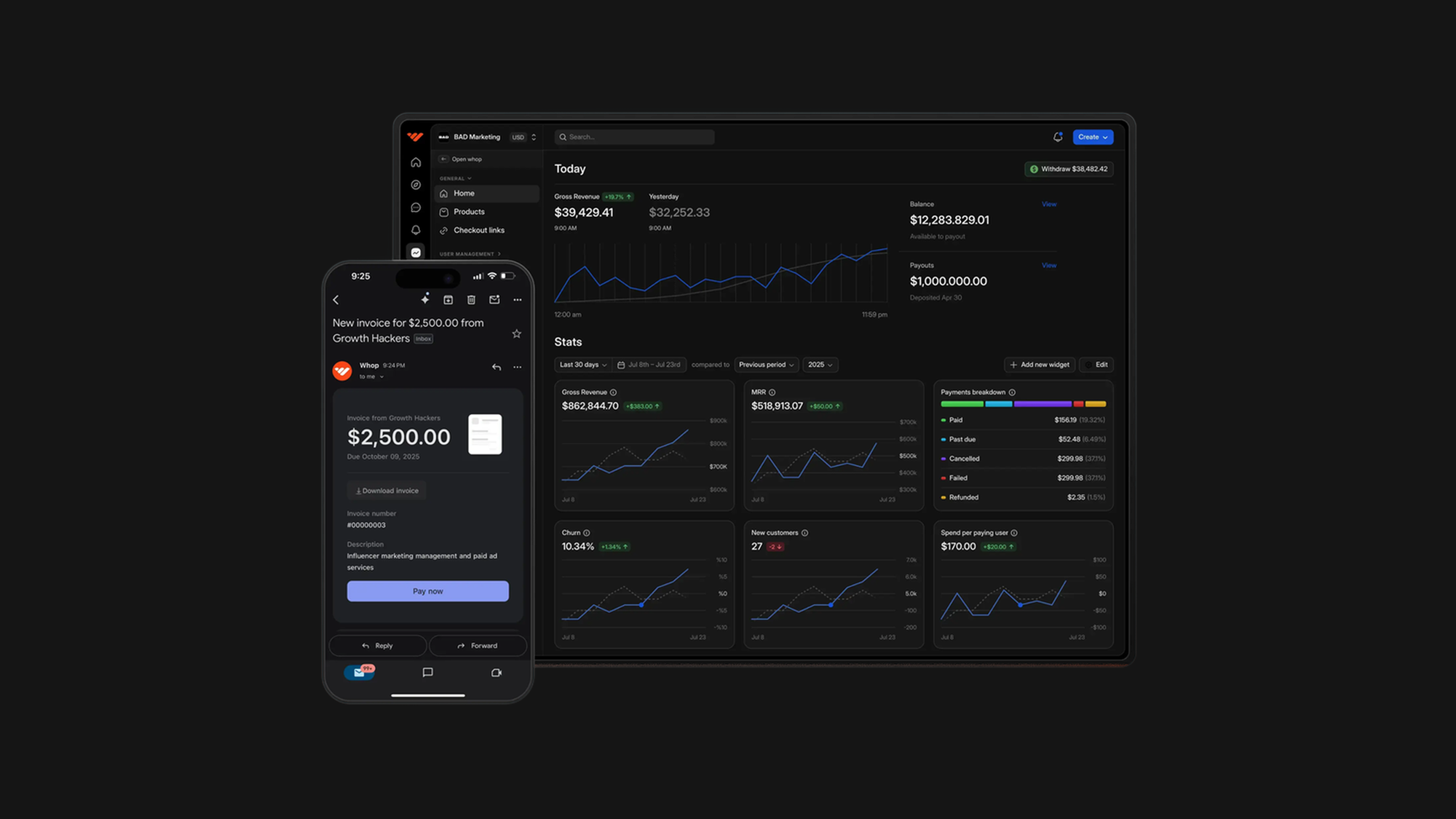
Running or want to run a service-based business? Devs, creatives, marketers, accounting – whatever it is, run your agency on Whop and handle payments, contracts, client communication, and project delivery in one place.
Agencies can create and send invoices directly through Whop, making billing and collection seamless. Operate on monthly retainers? You can set up recurring subscriptions so payments are collected automatically.
Whop also helps agencies streamline operational load; with tools to manage client communication, share updates, and provide support.
Contracts can be created or uploaded inside Whop, allowing clients to securely sign agreements and make payments. You can even pay your team with global payouts in fiat or crypto.
5. SaaS
Got a SaaS product or idea? We’ve got your back with the tools you need to sell.
Forget building your own billing system, user management, and licensing infrastructure. Just plug into Whop’s stack and start charging users right away.
Founders can set up subscriptions, free trials, annual plans, or tiered pricing without writing custom payment logic, which makes launching and monetizing way faster.
We’ll also handle access and licensing for your software. Issue and manage license keys automatically, restrict features based on a user’s subscription tier, and control access without building your own authentication system.
When someone buys your product, they instantly get the credentials or license key they need to start using it.
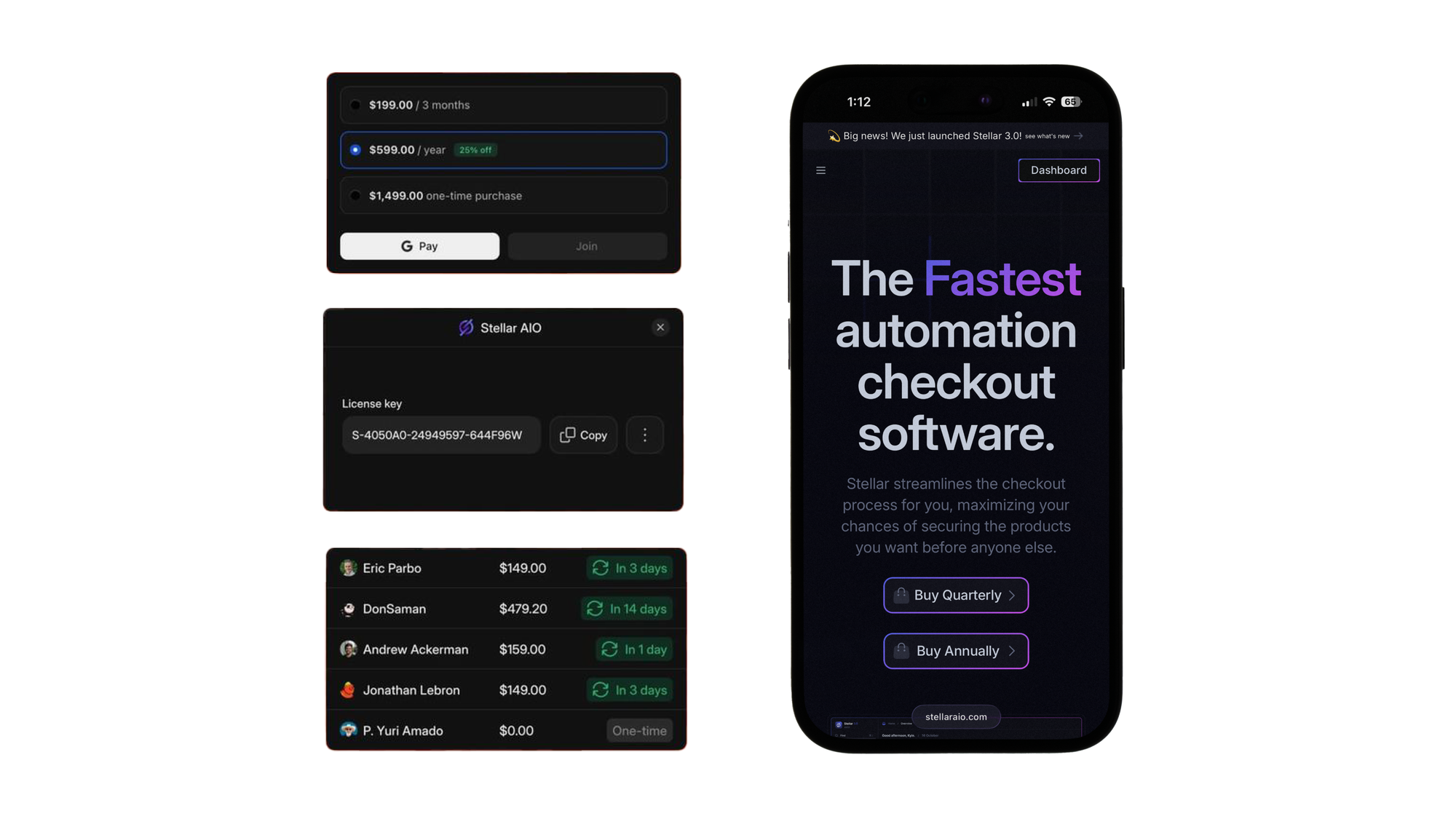
On top of payments and access control, you can list your software on the Whop marketplace so users can discover it alongside other tools, communities, and products.
SaaS Capital notes that for the first time in more than a decade, 2026 is seeing the median public SaaS company operating at a profit, due to better margins. Whop helps you launch a SaaS business with minimal expenses.
6. Events
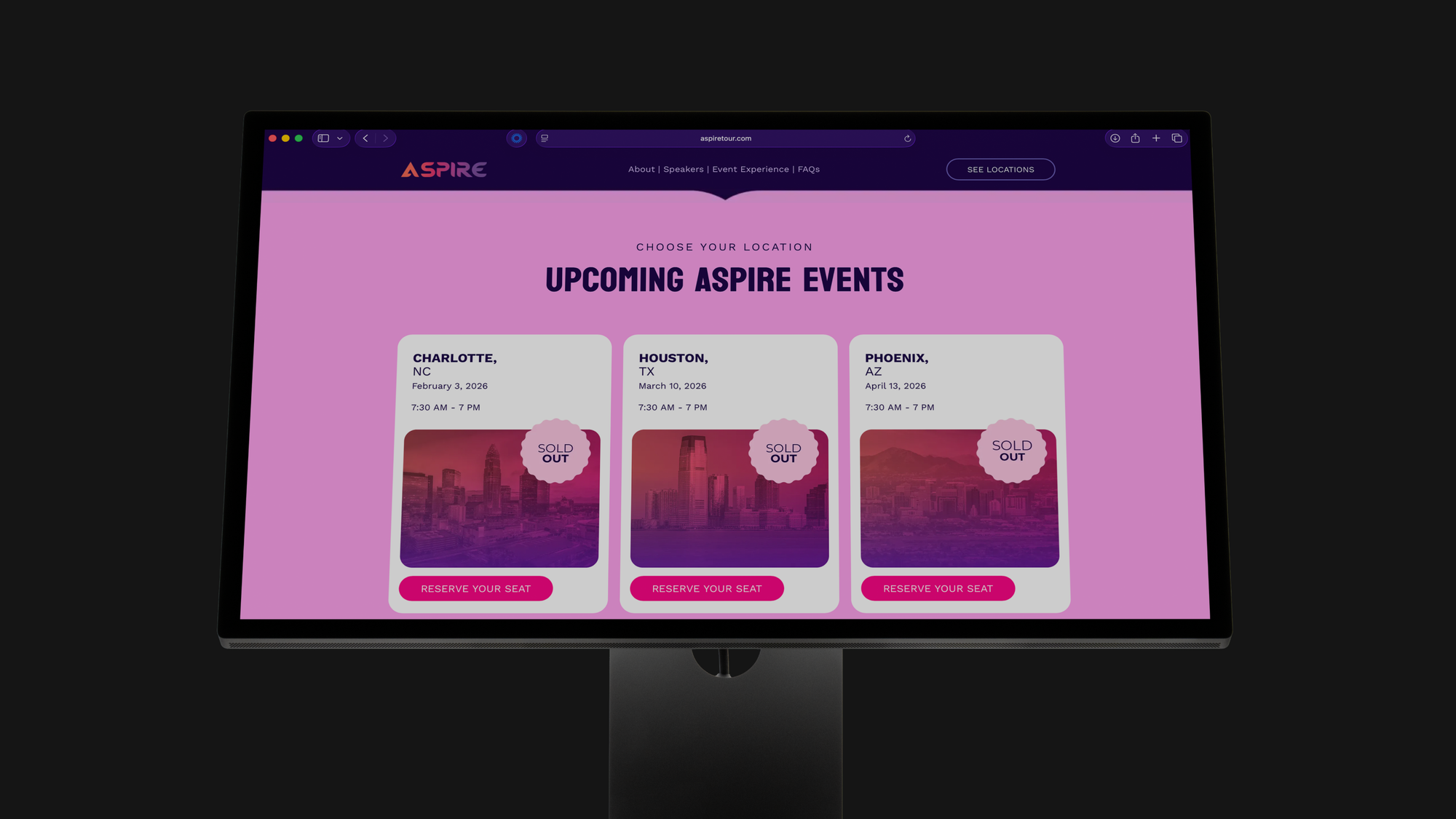
Workshops, masterminds, webinars: online events are big earners, and Whop is the simplest way to sell tickets and manage attendees.
Create paid access to live events, set different ticket tiers, and collect payments from customers anywhere in the world, without needing a separate ticketing platform.
That means you can focus on hosting the event instead of managing registrations and payments.
The virtual events market is expanding fast, jumping from $16.28 billion in 2025 to $19.1 billion in 2026. That's a CAGR of 17.4%.
Because Whop supports BNPL and financing, higher-ticket events like masterminds, retreats, or training sessions are more attainable for the average buyer.
You can offer VIP tickets, inner circle access, or general admission, while letting attendees pay in installments.
7. DTC ecommerce
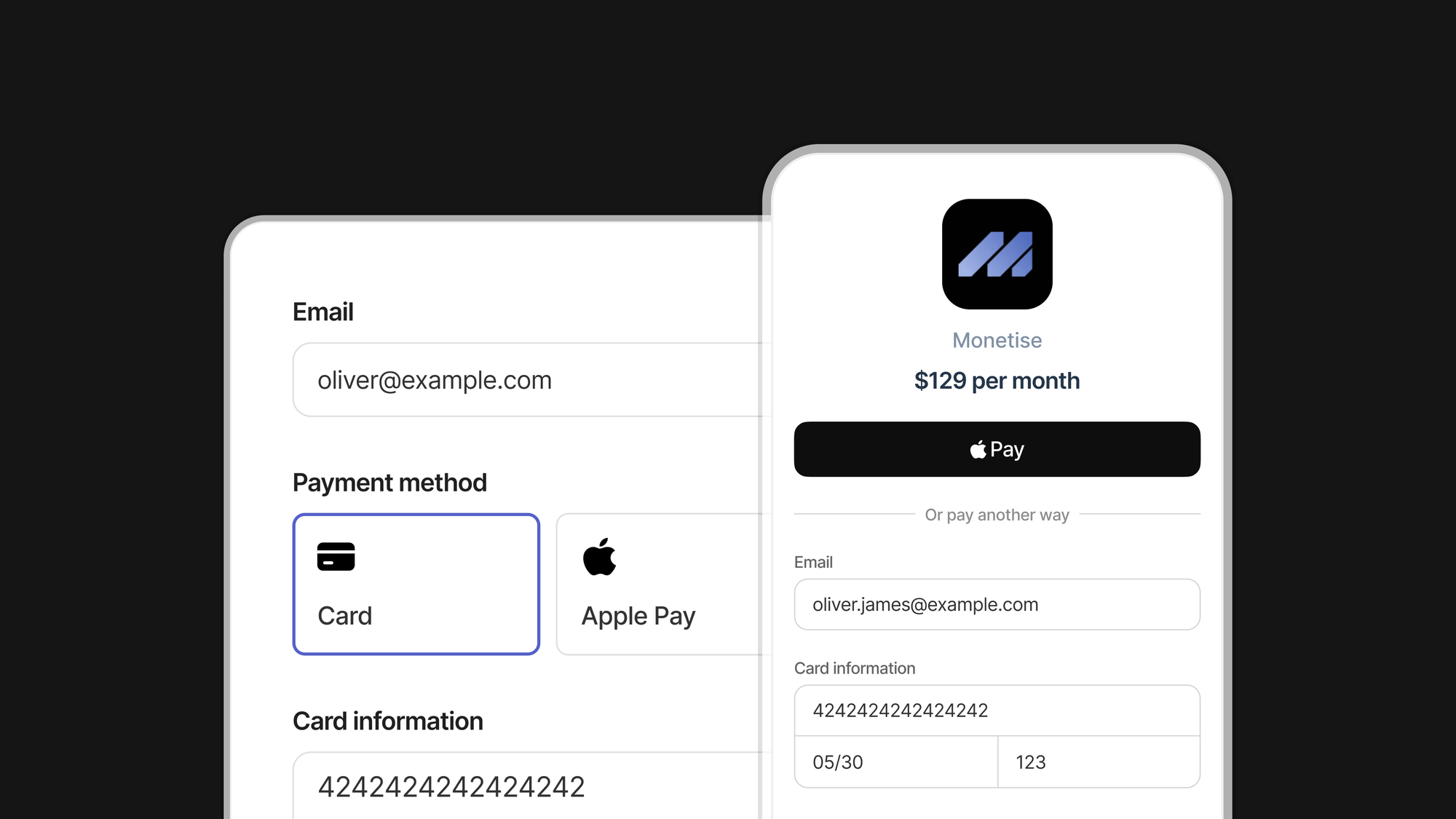
Let’s change lanes: your business model doesn’t have to be digital. You can also sell physical products and run a DTC ecommerce brand using Whop’s platform.
Merch, supplements, books, hardware, collectibles… Whatever it is, we’ll handle your checkout, payments, and global compliance so you can focus on sourcing, marketing, and fulfilment.
Checkout pages are fully customizable, so you can match yours to your branding and optimize the user experience. Customers can pay using 100+ local payment methods and see prices in their local currency, reducing friction for international buyers.
Already run a Shopify store? Connect your storefront to Whop and have orders sync automatically, with fulfillment triggering on payment. That means you can keep your existing logistics setup while using Whop for payments, distribution, and customer access.
The result? A simpler stack for running a DTC business.
8. Platforms
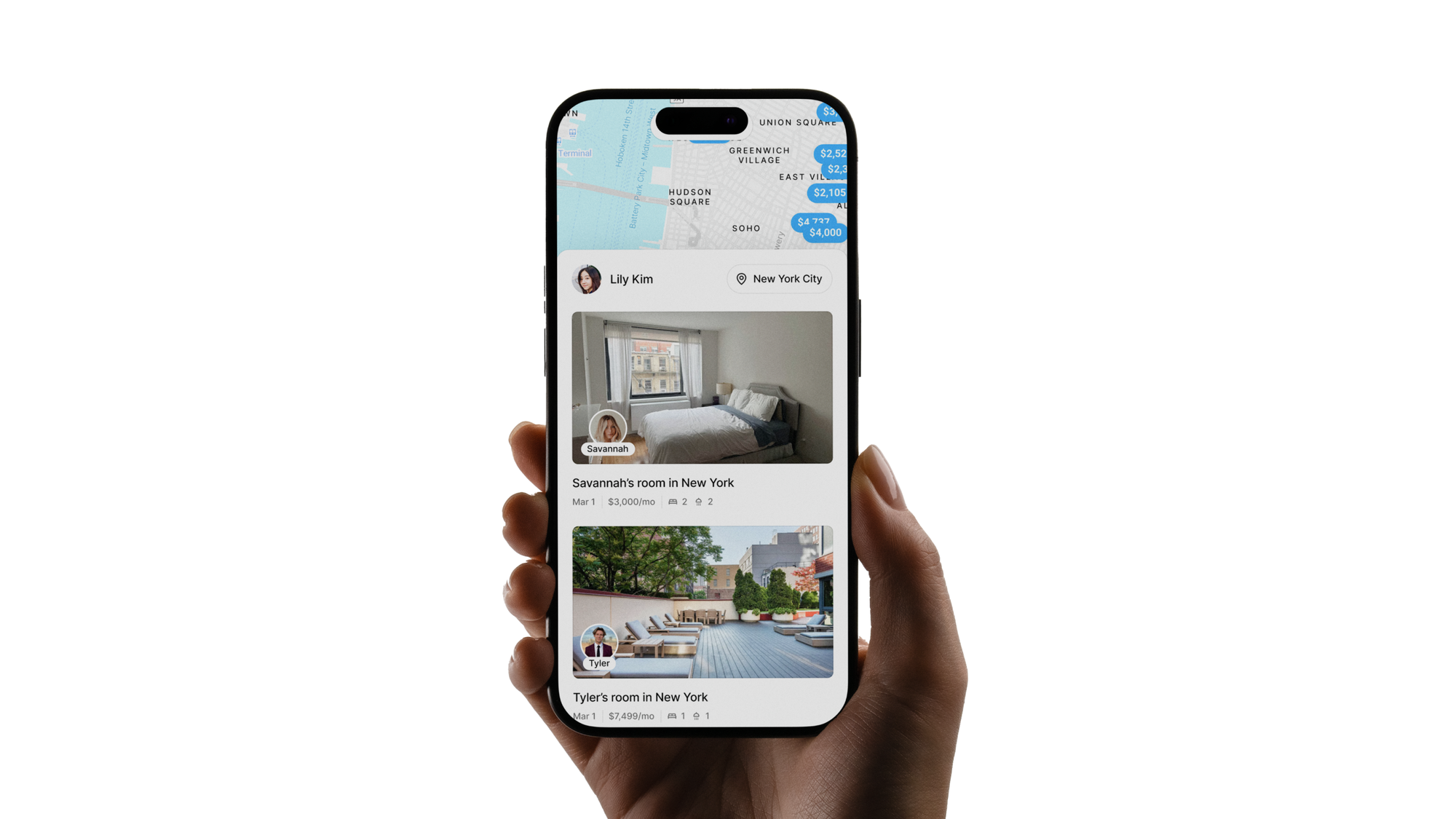
Building a platform where people buy and sell from each other, like StockX, Gumroad, or Airbnb? We've got your toolkit sorted.
The hardest part of running a platform isn’t the product pages, it’s the infrastructure behind the scenes: the tech that handles payments, onboards sellers, splits revenue, and pays everyone out correctly.
Whop provides that infrastructure for you. Your platform can accept payments from buyers, split fees automatically, issue virtual cards, and send payouts to sellers around the world. Instead of wiring together payment processors, KYC systems, escrow logic, and payout rails yourself, Whop handles it through a single integration.
9. Newsletters
Paid newsletters are a huge business opportunity for anyone with knowledge, passion, or creativity.
Rather than building a course or working 1:1 with people, you send out exclusive content to an already engaged audience. Think of paid newsletters as an extension of free content, a way to funnel followings into a paid product.
I like to subscribe to newsletters from holistic creators and poets I follow on social media. But some of the biggest newsletters are about gaming, SaaS, and marketing. There's really a niche for everything, and as free content becomes more and more cookie cutter; a real market exists for authentic, raw, written content.
Whop gives you everything you need to write, host, and gate access to newsletters; while also letting you build a community around your content with Forums and Chat.
Launch free or paid subscriptions, email posts directly to readers, and turn a newsletter into a recurring income stream.
10. Brick-and-mortar
Running a store IRL? Brick-and-mortar businesses can also use Whop to accept in-person payments and give customers access to perks after they buy.
Instead of relying on just a traditional POS, you can generate a checkout link in the Whop iOS app and show the QR code for customers to scan. They pay on their phone with the transaction is complete in seconds.
You can also connect purchases to a digital experience, with customers who buy in your store getting access to private forums, announcements, or exclusive merch drops inside your Whop. Your relationship with customers doesn’t have to end at the register, it can continue online.
Some businesses just use Whop for payments, while others build a full community around their brand. It’s up to you.
What business should I create on Whop?
There isn’t one best business model: the right choice depends on how much time you have, how much experience you bring, and how quickly you want to start earning.
Some businesses (like coaching or agencies) can generate revenue quickly but require more time and direct work. Others (courses, software, or communities) take longer to build but can scale much further once they’re running.
Here’s a simple way to think about the trade-offs:
| Model | Difficulty | Time | Potential |
| Coaching / services | Low | High | High |
| Courses / communities | Medium | Medium | High |
| SaaS / platforms | High | High | Very high |
| Events / products | Medium | Medium | Medium–High |
👉 Want to start earning quickly? Coaching, services, and webinars are often the fastest path because you can sell expertise directly.
👉 Want to build something scalable? Courses, software, communities, and consumer platforms are better long-term plays. They take more time upfront, but they can generate recurring revenue without trading hours for money.
Not sure where to start? Access business mentoring, workshops, and masterclasses with Whop University.
Need some more inspiration? Check out this list of 35 real whop examples.
Build a sustainable income with Whop
Whichever model you choose, the basics of an online business are the same: you need a way to take payments, deliver what you’re selling, manage access, and interact with customers.
Whop gives you all of that in one place. If you’re selling courses, software, coaching, services, communities, physical products, or even running a platform, Whop provides a seamless stack of tools to run your business.
The question isn’t whether you can start an online business, it’s which business do you want to build first?
Join Whop today, build your first business offer, and start earning ASAP.