Want to start a meal prep business? This guide will show you the steps to turn your culinary skills into an entrepreneurial triumph. Let's get cooking!
Key takeaways
- Digital meal plans offer the most profitable and scalable model with minimal overhead and no food waste concerns.
- Creating detailed target personas helps you tailor meals, marketing, and packaging to specific customer needs and pain points.
- Subscription-based models provide predictable recurring revenue and financial stability as your business grows.
Starting a meal prep business is one of the easiest ways to turn your love for food into extra income. People are busier than ever, but they still want healthy meals that fit their lifestyle — and they’re willing to pay for it.
As Andrew McDevitt, co-founder of Stedi Meals, puts it:
“The hardest thing to get right in fitness is the nutrition and most people don't often have time to spend cooking and prepping and getting the calories right.”
That’s exactly where your business comes in. In this guide, we’ll show you how to launch your own meal prep hustle — from setting up the basics to selling online and scaling fast.
How do meal prep businesses work?

Before we get into the “how,” let’s break down what a meal prep business actually is and how it works.
When people hear “meal prep business,” big names like Blue Apron, HelloFresh, or Green Chef usually come to mind. But they’re not the only players. Countless smaller companies have carved out their own success — many targeting niche diets like keto, paleo, or plant-based eating.
Here’s how the model works:
- Menus: Businesses create weekly or monthly menus with a variety of meal options tailored to different preferences and goals.
- Orders: Customers choose their meals online or through an app, often placing orders weekly, bi-weekly, or monthly.
- Prep: Meals are then prepared in bulk. Some businesses fully cook the dishes so they’re ready to eat, while others package ingredients with a recipe card for customers to cook at home.
- Delivery: Finally, meals are packaged and either delivered straight to the customer’s door or made available for pickup at designated spots.
What’s great about this model is its flexibility. Meal prep businesses can be run from a home kitchen on a local scale, or scaled up into full commercial operations with wide delivery networks.
Pros and cons of starting a meal prep business
Here's what you need to know before starting a meal prep business:
Pros
- Low startup costs
Meal prep businesses are one of the most cost-effective ventures you can start. You can run everything from your own kitchen, which cuts out overhead like rent and utilities. Buying ingredients in bulk also keeps your per-meal costs down. - Built-in flexibility
You control how much time and energy you put in. Start small and run it solo, or scale up as demand grows — the model works either way. - Work from home
No commercial kitchen required. Many meal prep businesses get off the ground right from home, making it even easier to launch. - Scalable model
Once your systems are in place, growth comes naturally. You can expand your menu, widen your delivery area, and boost output without drastically increasing costs. - Recurring revenue
Most meal prep companies run on subscriptions, giving you predictable monthly income and financial stability.
Cons
- Competitive market
With so many players jumping in, standing out can be tough. You’ll need to research competitors, price strategically, and carve out a niche that speaks directly to customer demand. - Short shelf life
If you’re selling ready-to-eat meals or fresh ingredients, storage and delivery can be tricky. Missed pickups or delays can quickly lead to waste. - Operational challenges
Running the entire process — from sourcing ingredients to prepping, packaging, and delivering — can be overwhelming, especially if you’re doing it alone. - Shifting dietary trends
Diet-specific niches like keto or paleo can be profitable, but trends change fast. Staying adaptable is key to long-term success.
How to start a thriving meal prep business from scratch
If you’re ready to turn your passion for cooking into a profitable, flexible career, the next step is taking action.
1. Find your niche
One of the first steps in creating your small business is defining your niche. To do this, you’ll need to evaluate your interests and strengths. What are you most passionate about in the culinary world? You might have a specific interest in a particular diet, such as keto, vegan, or gluten-free, which you can use as a starting point.
You should also conduct some market research into trending dietary movements, and consider how you would create meal plans catering to these specific diets. For example, the keto diet typically requires followers to eat under 20g of carbohydrates per day, which can be challenging, especially for novices. Coming up with tasty and creative recipes catering to these needs can save subscribers a lot of time and stress.
It’s also important to analyze your competition. Check out what other meal prep services in your area have on offer, and look for potential gaps they aren’t fully addressing.
You can also look to social media to see what real customers are saying about current meal prep services and use this feedback to develop a better product.
Need inspiration to find your niche? Read our guide ‘Examples of businesses that found success by niching down,’ to find a wealth of useful insights for establishing your own business.
2. Choose a business model

After you’ve done some initial research and chosen your niche, you can decide on your ideal business model. Not all meal prep businesses operate in the same way, and there are a couple of different ways you can tackle operations. Here are four options below.
- Raw ingredients and instructions: In this model, you’ll ship raw, portioned and prepared ingredients to customers. Meal prep boxes will include step-by-step instructions for customers to prepare and cook the food in their own homes.
- Pre-cooked storable meals: You prepare and cook the meals yourself and ship these directly to customers ready to reheat and consume when ready.
- Cook and go: This operates via a meal prep workshop, which requires a commercial kitchen where customers will arrive at a designated time to prepare a meal under your supervision, or the supervision of an instructor, ready to take home and eat.
- Digital meal plans: The easiest and most profitable business model for meal prep services. With digital meal plans, you’ll design recipes for customers that they can download and cook from the comfort of their own homes.
Ready to sell digital meal plans? Check out our guide, ‘How to create digital products with no experience’. Learn step-by-step how to create, launch, and market digital products effectively – even as a beginner. Start earning big money fast!
3. Define your target persona

After you’ve successfully chosen your niche and settled on your ideal business model, you can start creating a target persona to help you make more informed decisions about marketing strategies, product development, and customer experience.
But what is a target persona? To put things simply, a target persona is a fictitious person that a marketer creates to help them better understand how to address their target audience. Marketers will gather key demographics about their consumer base, and then use this data to build a profile of that person, their needs, and pain points.
For example, let’s say you’re a meal prep business that caters specifically to customers following a ketogenic diet. Your target persona might be Bill, a 52-year-old IT specialist who earns approximately $80,000 per year.
He was diagnosed with type 2 diabetes four years ago, and prioritizes a work-life balance, but finds it difficult to maintain healthy habits because of the demanding nature of his job.
His goals may be:
- Lose weight and experience an increase in energy levels.
- Find a diet plan that’s easy to follow and sustainable over time.
- Manage his diabetes successfully without constantly relying on medication.
To aid Bill, you might offer ketogenic meals tailored specifically to diabetic consumers. These would contain moderate amounts of protein, high levels of healthy fats, and low levels of carbohydrates.
To aid your target persona’s weight loss goals, you would include a detailed nutritional card to accompany the order, detailing the macros so they can account for this as a part of their daily meal plans.
You would also highlight that meals are diabetic-friendly and specifically tailored for those on a keto diet the packaging, so it’s easy for customers to identify.
Once you’ve created one target persona, you can go ahead and create several more. The more you produce, and the more specific you are, the better you’ll be at creating engaging meals tailored to individuals, ultimately building trust and increasing customer satisfaction.
4. Register your business
Next up, you’ll need to register your business and apply for the appropriate licenses to make sure everything is viable. As you’ll be handling food, the licensing process for a meal prep business will be more involved.
Licenses vary state by state and even by town and city, so you’ll need to thoroughly research your local laws and regulations.
As well as a business license and employer identification number, you’ll also probably need a food handler’s license (also known as a catering license), health department permits, and compliance with safety regulations.
Some locations even require you to take courses to obtain your permits. New York, for example, is one such location. Here, you’ll take a Food Protection online course, which trains individuals in food protection practices to ensure the safety of the food sold in the city.
In addition to this, you’ll also need to register for taxes. Chances are as your business scales, you’ll need to hire employees along the way. That’s why it’s important to obtain an employee identification number (EIN). Doing a quick online search will direct you to the application for a federal tax ID, along with some other resources to help guide your business needs.
Want to dive into the details of starting a subscription business? Read our guide, ‘How to start a subscription business: The secrets to monthly revenue’. Discover how to set up your business and pick the perfect subscription model to ensure consistent success!
5. Create your digital meal plan
Next up, you’ll need to create your meal plans. This step is important if you’re operating on a digital or raw ingredient business model, as customers will require detailed instructions for planning and cooking their meals properly.
You want to create a meal plan that’s high-quality, and visually appealing to attract and retain future customers. While the actual content is the most important part, the design is also an integral component in establishing the professionalism of your product.
To create the perfect meal plan, consider some of the following steps:
Research your recipes
First and foremost, you’ll need to research and test your recipes, ensuring they meet the correct standards. This will give you confidence in the product you’re selling. Once you’ve compiled some recipes, you can organize them into different categories.
This could be as simple as breakfast, snacks, lunch, and dinner. Each recipe should contain a comprehensive list of ingredients, detailed instructions, and accurate nutritional information.
For this last item, there are several online nutrition calculators you can use to compile your recipes, including MyFitnessPal.
Develop meal schedules
Next up, you’ll need to decide on meal schedules. Depending on your product’s niche, you might organize meal schedules for customers to use on a daily, weekly, or monthly basis.
For example, if your meal prep service caters to bodybuilders, certain weeks may be dedicated to ‘cutting’ or ‘bulking,’ according to specialized fitness goals.
Design your product
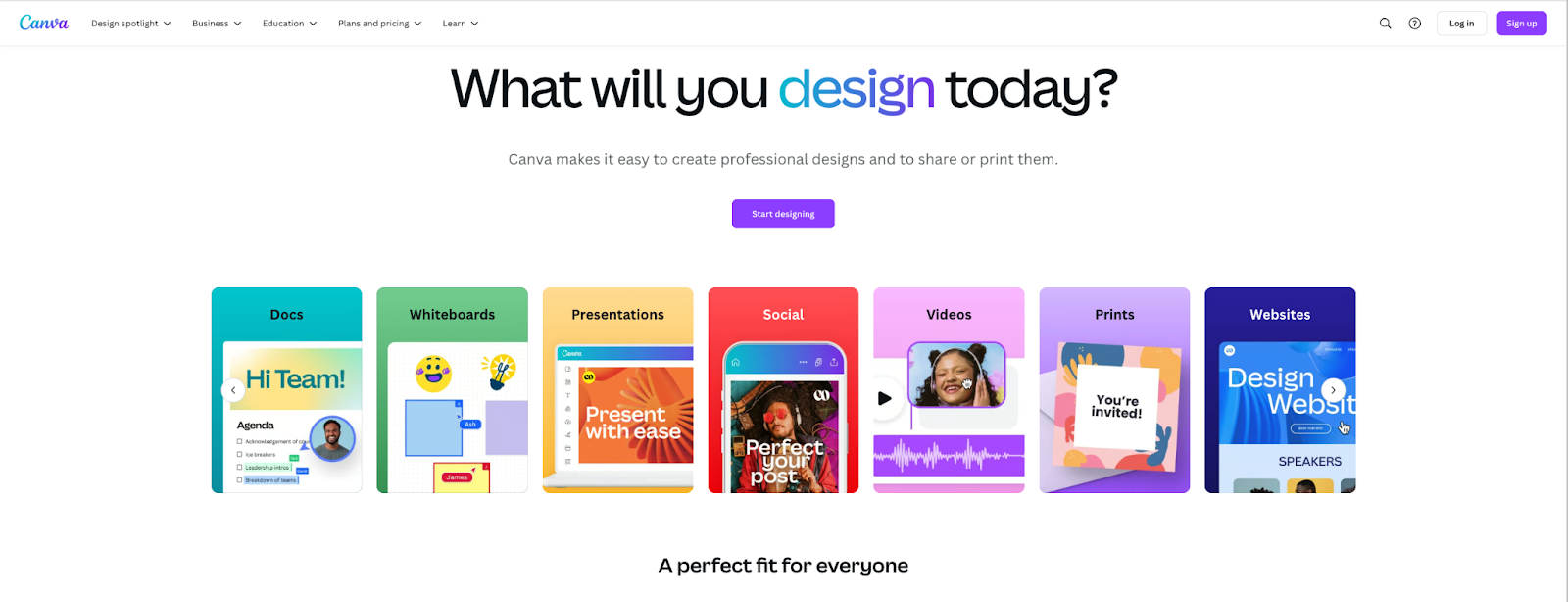
Now it’s time for the magic. Designing your product may sound challenging if you don’t have any prior experience, but online tools such as Canva and VistaCreate make this process easy for novices.
All you need to do is make sure the layout is clean and well-organized, with high-quality and appealing images of the meals. You should also ensure any fonts you use are clear enough to follow.
6. Streamline packaging
If you’re delivering physical goods to your customers, you need to carefully consider packaging. Chances are you’ll need insulated cooler bags, ice packs, and sturdy containers to preserve the integrity of the contents.
If sustainability is one of your priorities, choose compostable packaging or reusable containers. Many customers often appreciate businesses that care about the environment.
Depending on how creative you’d like to be, many meal prep businesses choose to use custom labels, stickers, or sleeves to give their meals an added boost of professionalism.
This can ultimately increase your brand’s visibility, and make it more recognizable among customers.
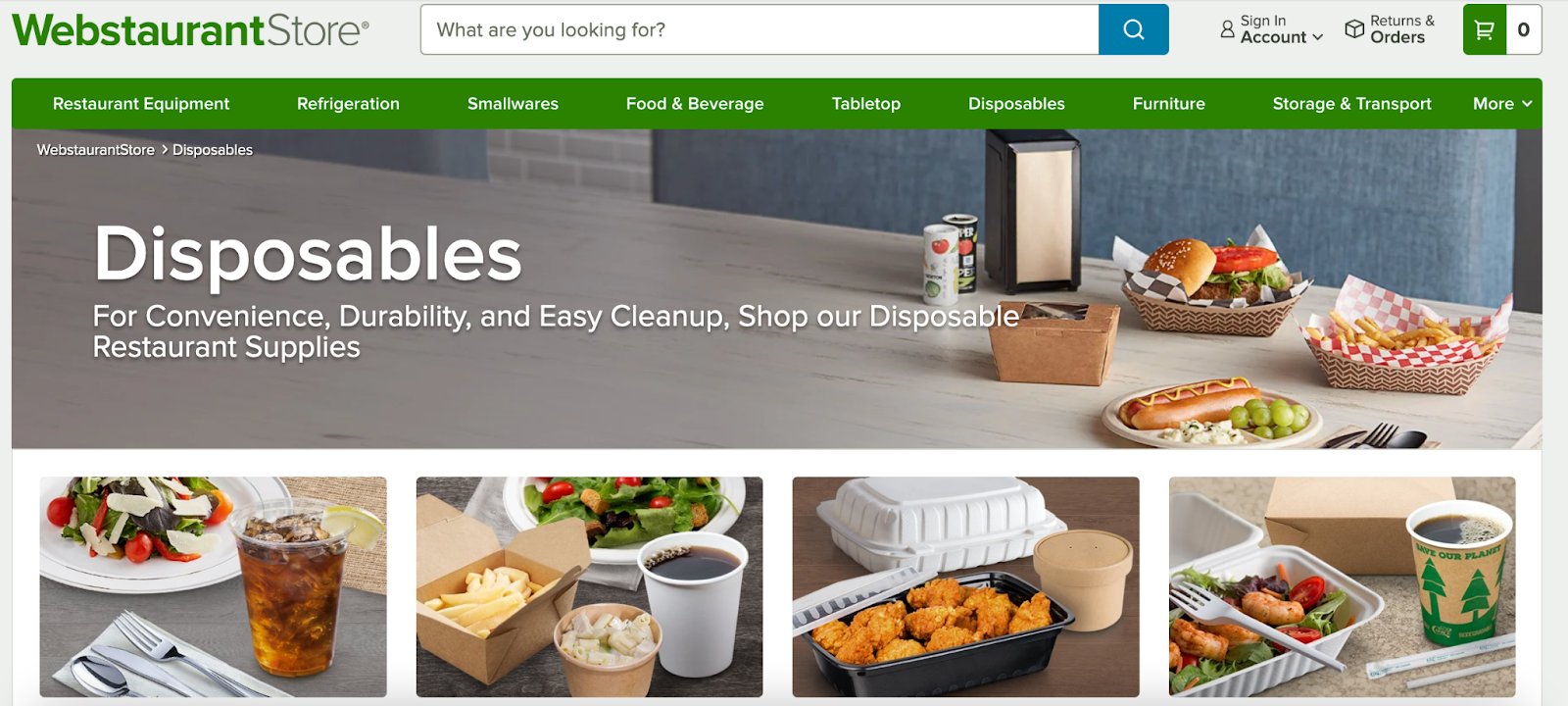
It’s also important to think about the cost-effectiveness of your packaging. Buying packaging in bulk from manufacturers can help you save money in the long run.
Online companies like ULINE, WebstaurantStore, Eco-Products, and FoodServiceDirect offer a wide range of options for meal prep businesses.
7. Find a supplier
If you choose to supply physical goods to your customer, you’ll need to source these ingredients from suppliers. Depending on the season, you might source different ingredients from a variety of different suppliers. For example, if you’re starting your business in spring or summer, then you might use local farms.
If you’re purchasing ingredients off-season, then grocery stores or wholesalers may be your best option. Make sure your combination of suppliers suits your budget, while still offering high-quality products.
You’ll need to research your chosen suppliers thoroughly, ensuring they meet the appropriate food safety standards, and assess their reliability with orders and delivery.
8. Rent cooking facilities
While many meal prep businesses have the space to prepare food from their own kitchen, others will need to rent facilities to undertake the work. A commercial kitchen, also known as a commissary kitchen, will provide you with most of the equipment you need, along with good refrigeration storage space to prepare your meals without any hassle.
Before you’re able to rent the space, most kitchens will require proof of your business license, along with a permit.
Even if you’re preparing your meal kits from home, you’ll still need to follow certain regulations, like registering your kitchen, and labeling packaging as ‘Made in a home kitchen.’
9. Sell your meal plans
Next up, you’ll need to decide on a space where you’d like to sell your meal plans. This is one of the most critical steps in the whole process.
There are a few different options available, each with its own advantages and disadvantages. Here are some top platforms to consider:
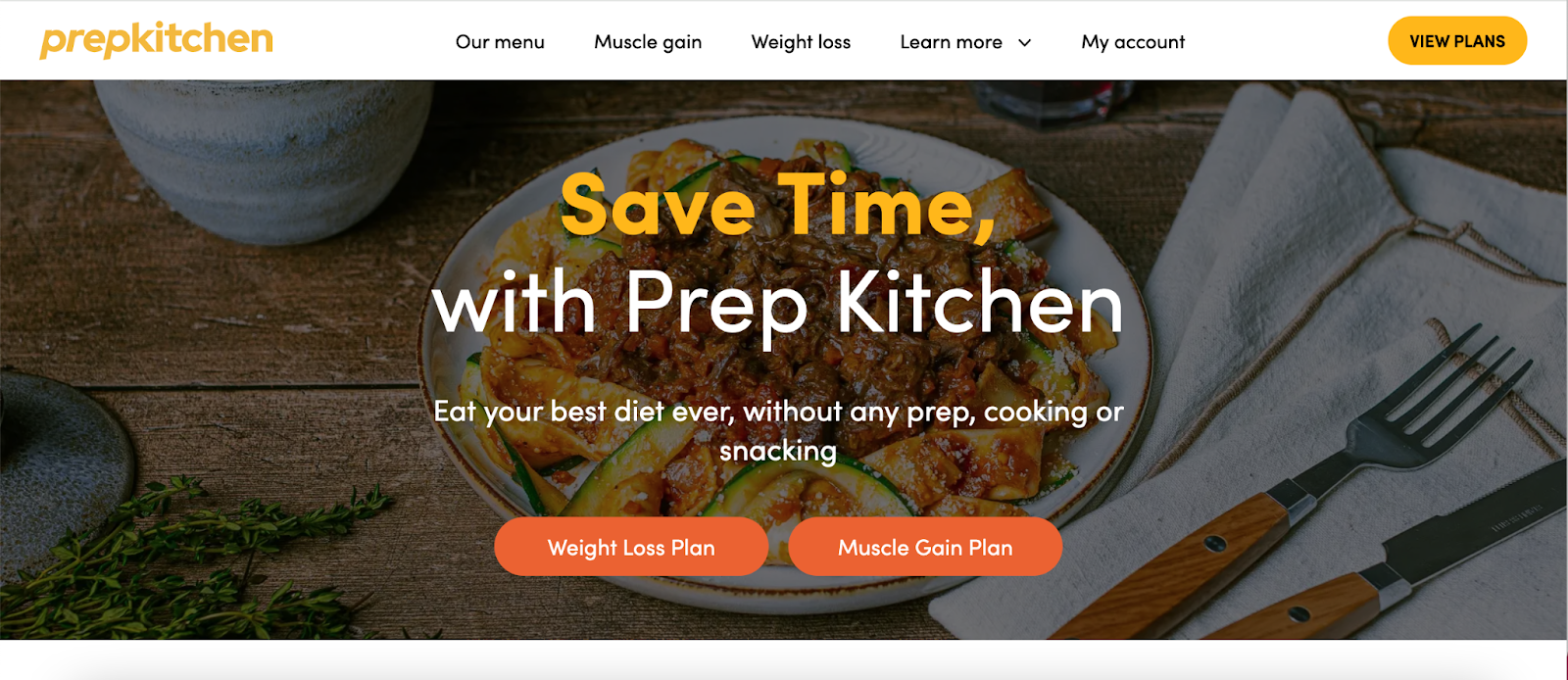
Your own website
Selling meal plans through your own website will give you total control over the customer experience, branding, and cost. However, it also requires you to set up e-commerce functionality, which can be both costly and time-consuming.
Platforms like Shopify or WordPress with WooCommerce are some of the most popular options for building an online store, but you’ll need to account for the associated costs.
Social media
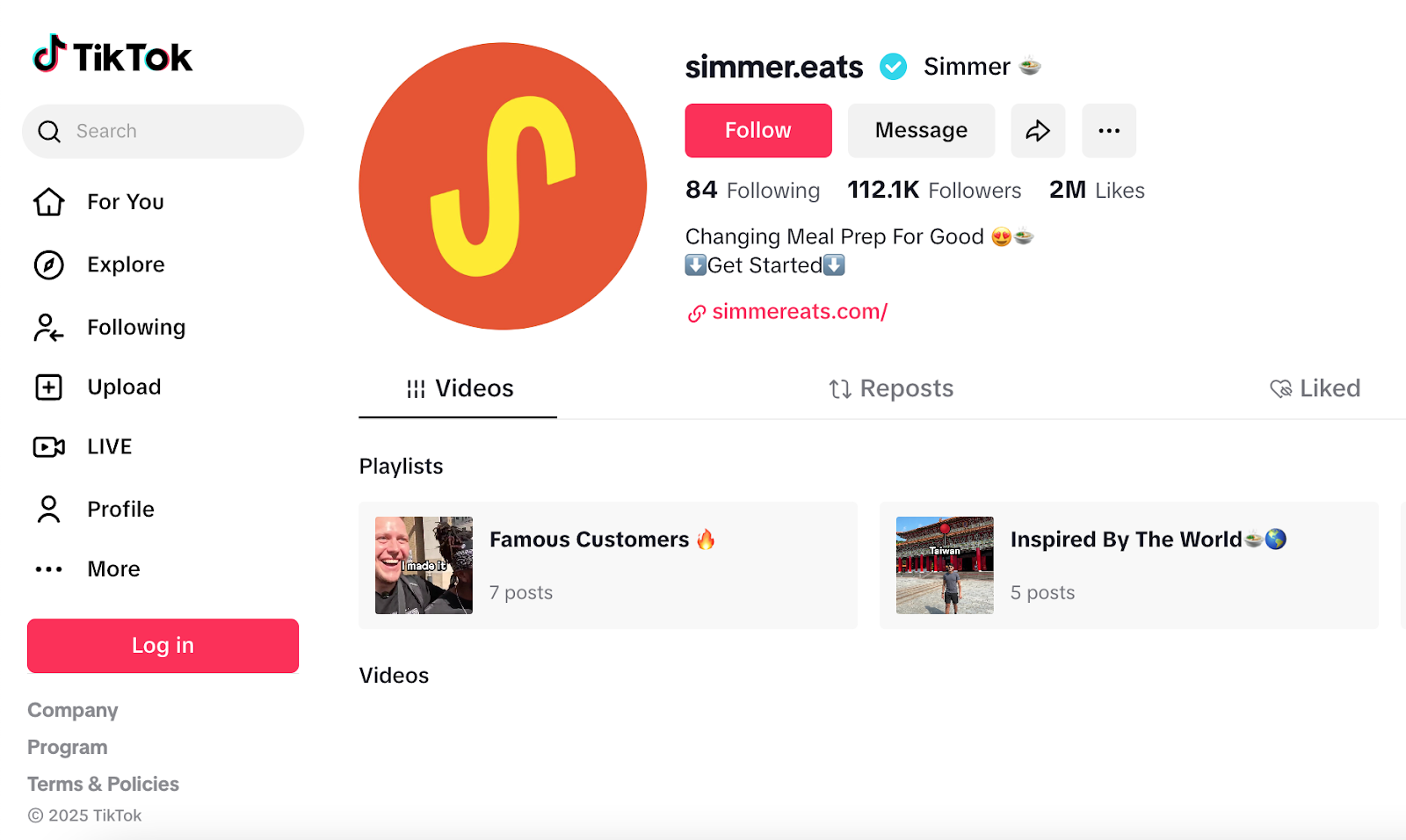
Many meal prep businesses choose to sell their plans through their social media profiles, using platforms like Instagram, TikTok, or Facebook.
Nowadays, with useful features like Instagram Shopping and TikTok Shop, followers can easily purchase meals directly from your profile.
Delivery apps
Some entrepreneurs choose to partner up with food delivery apps to deliver meals to customers. This works especially well if the food is already prepared and cooked ready to consume.
Apps like Uber Eats, Grubhub, DoorDash, and Postmates provide wide exposure to potential customers. Bear in mind, however, that they usually take a commission for their services.
Local markets
Many food prep businesses targeted toward a specific area will set up a booth at local farmer’s markets. This is a great way to connect with local community members and promote your meal prep business in person.
One of the benefits is that customers can actually sample your meals, giving them more of an incentive to purchase if they enjoy the food.
Third-Party marketplaces
If you want to get your meal prep business up and running quickly without the technicalities of running a website, selling through a third-party marketplace is a great option.
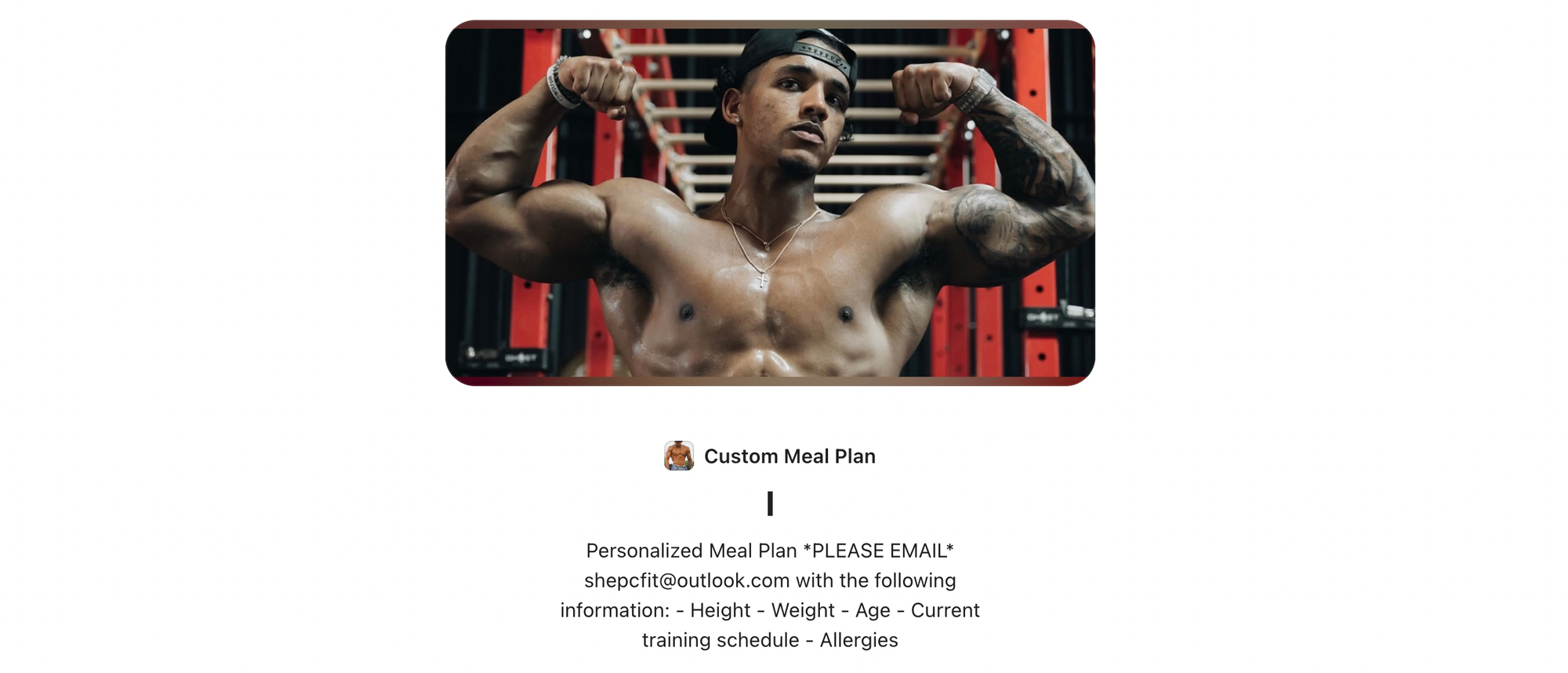
Whop is a great platform made specifically for selling digital products, such as meal plans. You can set up your own whop and drop that link in your bio. It’s incredibly easy to get started, and you can start selling in no time.
10. Decide on a price
Next up, you’ll need to decide on a price for your meal plans. Deciding on how much to charge is a critical step in the process, as pricing too high can alienate potential customers. Alternatively, pricing too low may negatively affect your profit margins, and undermine the product’s quality.
When formulating a price for your products, consider the following:
Time value: If your product has taken a long time to produce, and includes personalized consultations or custom plans, make sure to factor these costs into the final price. If additional work is required, such as specialized requests, this should be priced accordingly.
Market research: As with any aspect of planning your meal prep business, doing the appropriate market research in terms of price is an important step. You can start off by checking how much competitors are charging in similar niches. Consider setting introductory prices or packages to attract your initial consumer base.
Target persona budget: As we mentioned before, factoring in budget when creating your target persona is important. If you’re selling meals to busy professionals, then you can probably afford to charge a little higher.
If, on the other hand, you’re catering to budget-conscious moms, or students, then you’ll need to make your plans more affordable.
Upsell opportunities: This is a great way to bring in some extra cash, and involves bundling your meal plans with additional products or services to increase the price.
So, for example, you could offer weekly check-ins with your subscription packages, or offer exclusive content and recipe updates.
Most meal plan services operate via tiered pricing. So, you might offer a more basic plan for $20, a more extensive plan for $40, and a premium plan for $70. Premium plans could include personalized coaching sessions, granting customers access to exclusive nutritional advice.
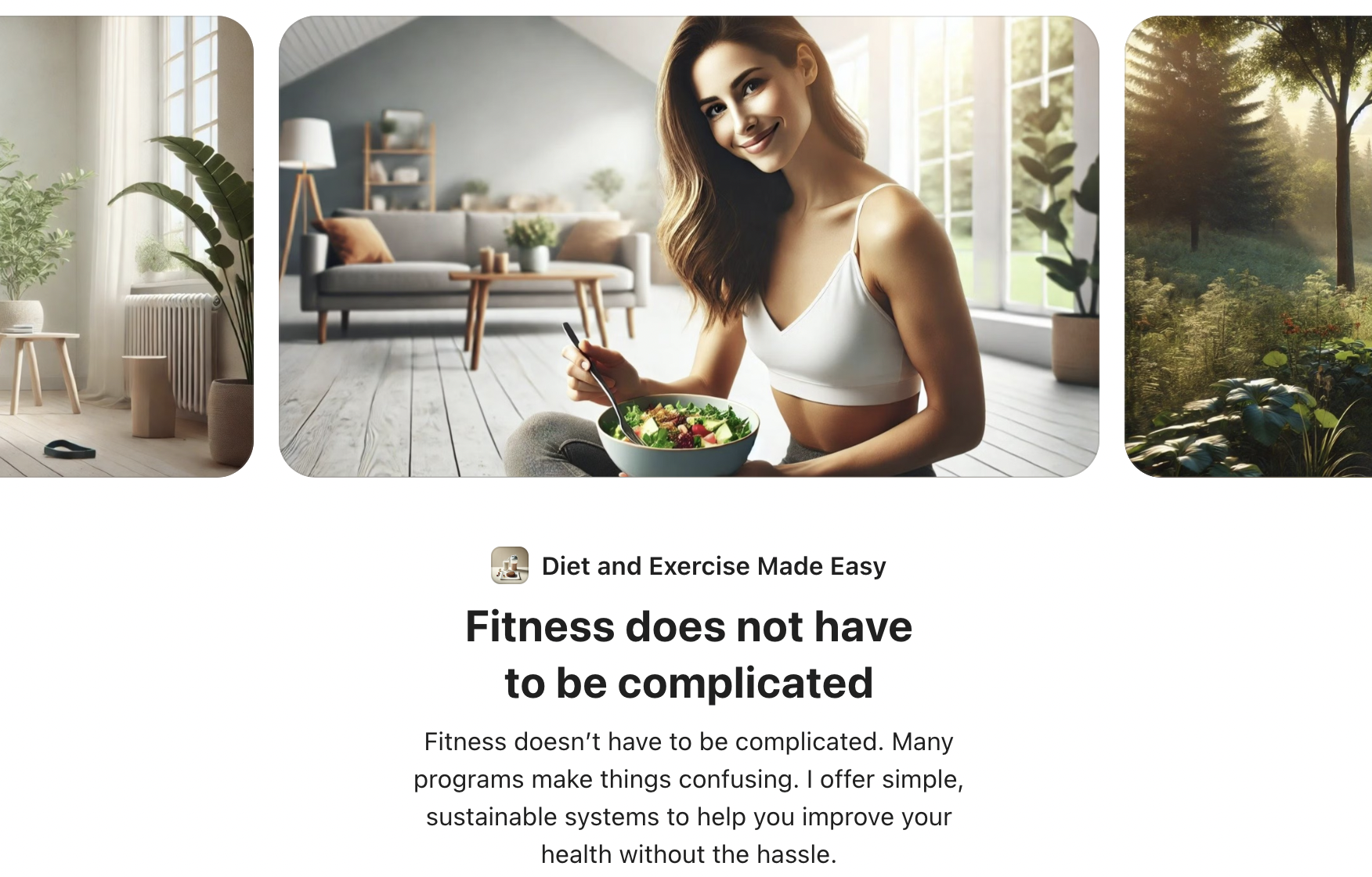
Whop is home to hundreds of coaching courses revolving around nutrition. Diet and Exercise Made Easy is one of these. He has over a decade of experience in health coaching, and dedicates his time to transforming the lives of others by crafting simple, sustainable plans and advice.
If coaching is something you’re interested in, check out our article, ‘How to start a profitable online coaching business’. Here, we help you enter this fast-growing realm and set yourself up for success as an online coach.
11. Create a marketing plan
Now you’ve got everything else sorted out, it’s time to come up with an effective marketing plan to drive traffic to your business. The key question you should be asking yourself is: What sets my meal plan service apart from the competition?
Do you focus on locally sourced ingredients, personalized meal plans, or focus on specific dietary requirements? Either way, this will factor into your marketing angle.
Your USP (unique selling point) should clearly communicate what you have to offer potential audiences. Here are some top ways to market your products successfully:
Social media
One of the easiest and most accessible ways to market your products, social media is a great tool for spreading word about your business. Instagram, TikTok, and Facebook are all visually driven platforms, allowing you to share high-quality photos of your meal prep creations.
You can use relevant hashtags, e.g #mealprep, #nutritiousmeals, #foodie to increase visibility under posts.
As well as this, you can also leverage the power of behind-the-scenes videos to engage your audience, or user-generated content (e.g. customer photos) to build your reputation.
Email marketing
Email marketing is a great way to send personalized content directly to your customers’ mailboxes. You could offer special discounts, such as promotions for first-time customers, holiday specials, or exclusive deals for long-time subscribers.
You can also send weekly or monthly newsletters, filled with information about new meals, offers, or cooking tips. You can grow your email list by creating a free lead magnet like a sample meal plan or a downloadable guide on healthy eating. You can offer this in exchange for email sign-ups.
Paid advertising
If you want to reach large audiences, then paid advertisements are usually the way forward. Platforms such as Facebook and Instagram offer highly targeted ad options, so your content reaches specific demographics, interests, and behaviors.
As well as social media hubs, Google Ads is another great option for targeting people specifically searching for meal plans.
SEO optimization
In order to market your business effectively, you’ll need to be well versed in SEO. This is a crucial step in driving traffic to your products. If you're selling via your own website, make sure to use keywords potential audience members are likely to look for.
So, for example, if you’re producing paleo meal kits, ‘paleo meal prep,’ ‘paleo meal delivery,’ ‘healthy paleo meals,’ and ‘paleo-friendly meals,’ would all be classified as likely searches.
In addition to this, you can also create blog posts and content providing value to your target audience, and funneling these directly to your website.
Upselling
After you’ve employed other pertinent marketing techniques, and you’ve gained a steady following, upselling and cross-selling are excellent strategies for maximizing the lifetime value of your customer.
There are a few ways you can do this, including offering coaching sessions, selling recipe books to complement your meal plans, and providing monthly subscription services with new meal plans, recipes, and access to exclusive content.
If creating your own ebook sounds like a venture you’d be interested in, check out our guide, ‘How to write an ebook and start making passive income.’ In this guide, we walk you through the entire process of writing and monetizing your ebook, broken down into easy digestible steps.
12. Customer feedback
After you’ve applied all the steps above, it’s important to allow your company to continue to grow and meet evolving customer expectations.
If you’re not sure how your audience will respond to menu tweaks or altered price points, it’s useful to gather direct feedback. There are a few different ways to do this:
Social media
If you regularly post content on your businesses’ social media pages, be sure to read through the comments to see what people are saying. You could even share polls, quizzes, or ‘meal rating’ content to collect feedback.
For example, if you’re considering updating your packaging, you could offer three different design options, and ask your customers to vote for their favorites.
Surveys
Email-based surveys are another great tool for gathering data from existing customers. Platforms such as SurveyMonkey, Google Forms, or Typeform are all great for creating personalized surveys you can share with audiences.
One option is to send them a follow-up email after receiving their meal, to check how satisfied they are with the product. You could ask them how satisfied they were with their meal, if their meal was delivered on time, if the quality of the food was up to their expectations, and if they have any suggestions for improvements.
Feedback widgets
Feedback widgets are useful tools to include on your website. They can be embedded on your homepage, allowing users to share their opinions, report any potential issues, or provide suggestions about their experience. Because they’re so easy to complete, feedback widgets often experience a high response rate, which guarantees a steadier steam of testimonials.
Did you know that 93% of customers will read online reviews before making a purchase? Naturally, businesses with more positive reviews appear more credible and trustworthy.
That’s why it’s so important to turn satisfied customers into vocal advocates of your brand. In our article linked below, we walk you through the art of requesting reviews while simplifying the process for your customers. We even provide some handy templates to help you get started.
Need advice on how to gather useful customer feedback? We’ve got you covered. Our guide, ‘How to ask for a review: Tips, templates, and timing that work,’ gives you all the tools you need.
Thriving meal prep businesses on Whop
If you’re eager to start selling your meal plans today, it’s a good idea to check out some other businesses that are killing it right now, delivering their services to hundreds of satisfied customers.
Below, you’ll find some examples showcasing the best meal prep businesses on Whop.
The Balanced Plate
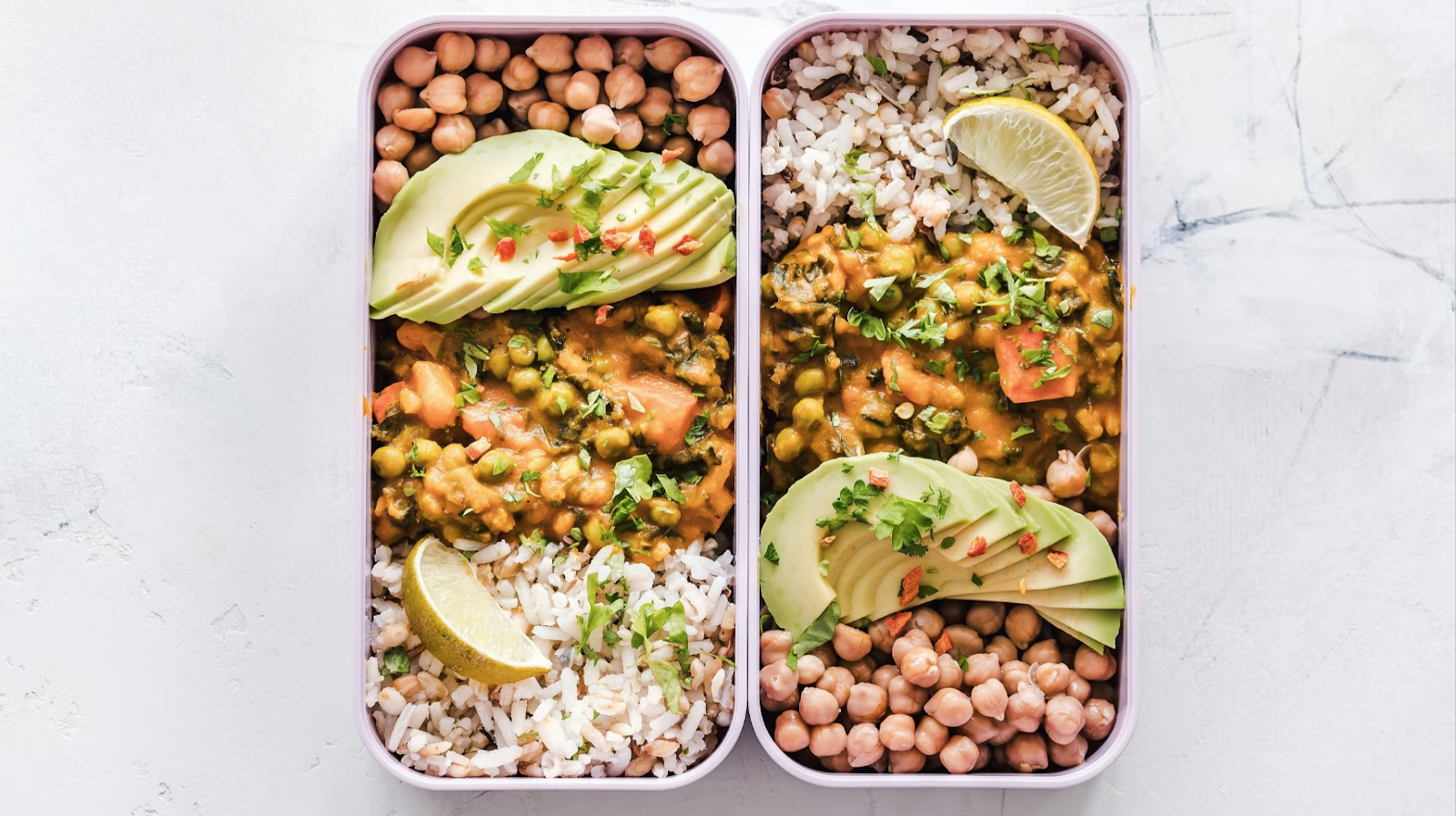
The Balanced Plate is a meal prep service designed primarily for busy professionals who struggle to find time for meal planning and healthy eating. It’s also perfect for people who have tried multiple diets but struggle with losing weight and keeping it off.
The course is designed by Caroline, a Certified Nutrition Coach who helps people reach their health goals with realistic, sustainable nutrition—no crash diets, just balance!
Whether customers want to lose weight, build muscle, or just feel their best, Caroline promises hands-on guidance with 1-on-1 coaching and tailored meal prep plans.
Maeve Lifts Nutrition Guide

Maeve Lifts Nutrition Guide is designed for fitness enthusiasts looking to complement their workouts with optimal nutrition for better results. It’s also targeted toward nutrition-conscious individuals who are eager to understand the balance of protein, carbs, and fats in their diet.
Course designer, Maeve, has spent years perfecting the art of nutrition to complement fitness. Her passion is to empower customers through science-backed meal plans that adapt as they progress in their fitness journey.
The course promises custom meal plans, precisely designed to support a 12-week transformation and help customers achieve fitness goals.
Meal plans are supplemented by a full nutrition ebook, which comes with a calorie guide tailored to you. Maeve also offers a ‘glute builder’ program, which grants access to advanced glute exercises and intensified routines, along with individually tailored programs to meet specific fitness goals.
Build your meal prep business on Whop
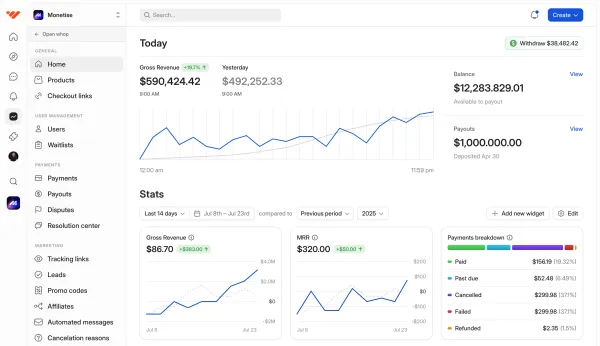
Whop is your all-in-one hub to run and grow your business. Use your whop to take orders, chat with customers, share upcoming meals, and even sell digital extras like recipe cards or online cooking courses. You can accept one-off or subscription payments, and Whop handles the checkout process for you.
With Whop, you can:
- Create and sell your meal plans, recipes, or trackers
- Engage your community through chat, giveaways, or webinars
- Launch courses, coaching sessions, or memberships
- Grow faster with built-in tools like affiliates and subscriptions
Ready to turn your meal prep idea into a high-earning business? Do it all in one place — with Whop.
Ready to share your delicious meal plans? Start selling with Whop today!
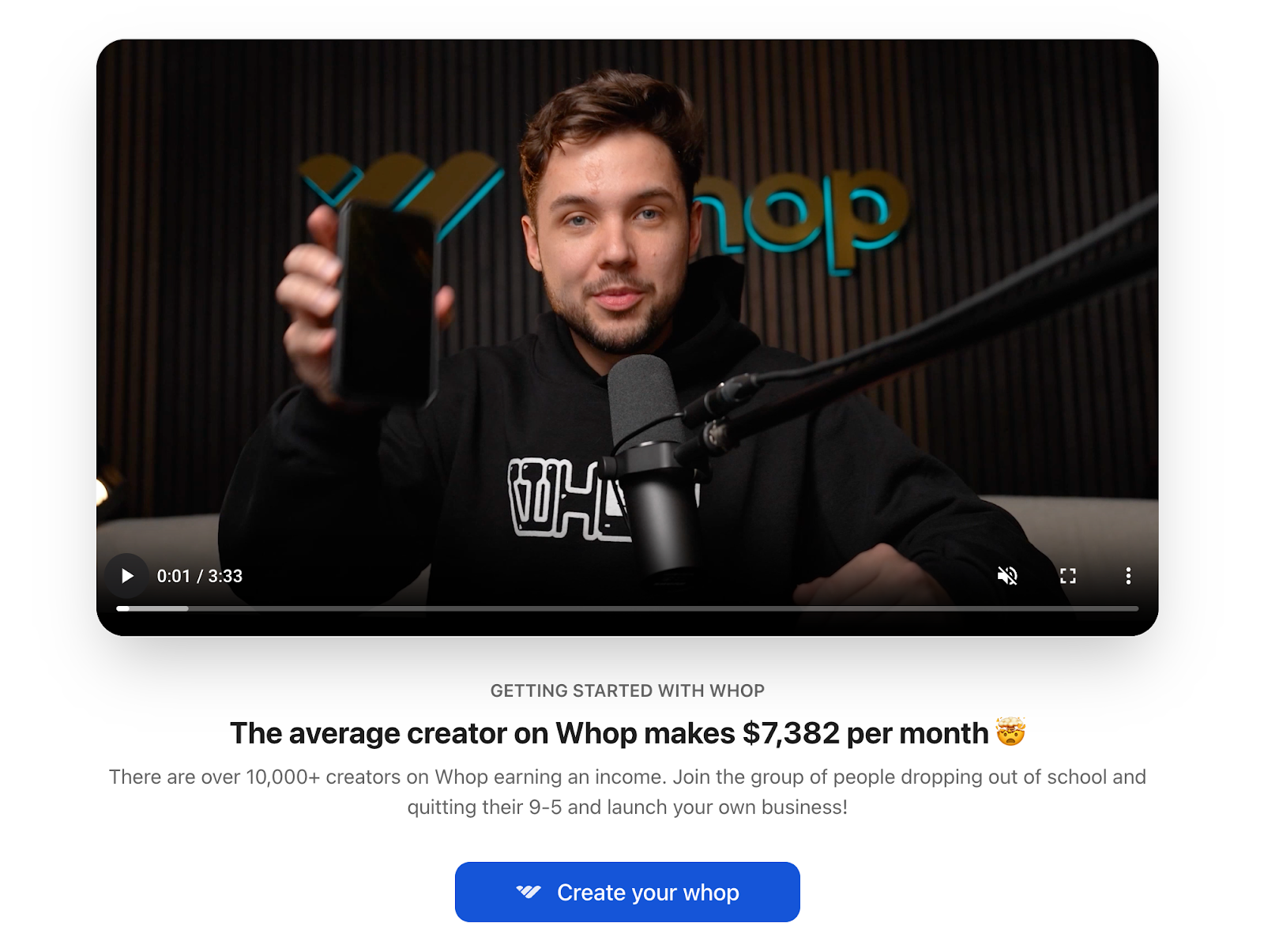
Passionate about food and nutrition? Selling meal plans online has never been easier. With Whop, you get everything in one place — take orders, connect with customers, and start earning right away.
You’ll tap into millions of potential buyers, skip the hassle of juggling tools, and only pay a small fee when you make a sale. No upfront costs, no flat fees — just simple, streamlined growth.
So what are you waiting for? Join Whop today and turn your passion into profit.
FAQ
What are the most popular types of meal prep businesses?
In the meal prep industry, most businesses fall into three main categories:
- Healthy meal prep services – Designed for specific lifestyles like fitness, weight loss, or nutrition-focused eating.
- Convenience-focused meal kits – Quick, low-maintenance options that are easy to prepare at home.
- Custom meal prep plans – Personalized services tailored to unique dietary needs, such as keto, paleo, vegan, or allergy-friendly diets.
Are meal prep businesses profitable?
Yes, meal prep businesses can be highly profitable — but success depends on multiple factors. Profitability comes down to efficient operations, smart cost management (ingredients, packaging, labor), and the ability to scale. A loyal customer base and recurring subscription revenue are key to long-term income.
How much does it cost to start a meal prep business?
Startup costs vary depending on your model:
- Digital meal prep business: Very low startup costs. You can sell meal plans, recipe cards, and nutrition guides online with just a niche idea and internet access.
- Physical meal prep business: Expect anywhere from $20,000–$50,000+ in startup costs. This typically covers ingredients, packaging, staffing, kitchen space, shipping, and marketing. Careful budgeting is critical before launching.
Can I start a meal prep business from home?
Yes, you can start a meal prep business from home, but you’ll need to meet local regulations. Most regions require permits or licenses, including a Food Establishment License, to ensure your kitchen meets sanitation and safety standards. Be sure to research your state or country’s health codes before selling meals directly to customers.
What is the average profit margin for meal prep kits?
The average profit margin for meal prep kits ranges from 10% to 20%. Exact margins vary depending on business size, location, pricing strategy, and customer retention. Digital meal plans often achieve higher margins since they don’t involve physical ingredients or shipping.
Who is the biggest meal prep company in the world?
HelloFresh is currently the largest meal prep company worldwide. Founded in Berlin in 2011, HelloFresh quickly expanded across Europe, the United States, and Australia. It dominates the global meal kit delivery market with millions of subscribers and a strong international presence.
How much should you charge for meal prep plans?
Most meal kits cost around $7–$10 per serving, but pricing depends on your niche, ingredients, and overhead. Premium or specialized diet plans (like organic, keto, or gluten-free) may justify higher pricing. Digital-only meal plans, such as recipe ebooks or subscription guides, can be priced flexibly with much higher margins.