Discover the secrets to starting a subscription business. From curation to access models, learn how to create steady monthly revenue and grow with Whop.
Key takeaways
- Subscription businesses grow 11% faster than the S&P 500, offering predictable recurring income.
- Choose from four core subscription models: curation, replenishment, access-based, or hybrid.
- Retaining subscribers can be anywhere from 5–25x cheaper than gaining new customers, making loyalty your most profitable strategy.
Starting a subscription business can provide you with a stable income and a convenient offering for your customers.
The subscription economy was worth $557.7 billion in 2025 and is projected to grow at a compound annual rate (CAGR) of 16.3% from 2026 to 2035, according to Market.us.
Recurring payments rolling in every month is the goal for business owners. So in this guide, we’ll show you how to get started and choose the ideal subscription model, and how to build your subscription business on Whop.
How a subscription business works
A subscription business works by exchanging products or access to services on a recurring basis with ongoing payment – usually on a weekly, monthly, or annual basis.
There's no right or wrong subscription billing cycle, but Recurly’s 2026 analysis found that annual subscription plans generate 50–60% higher revenue per user than monthly plans. However, only 23% of failed annual payments are recovered versus 53% of failed monthly payments.
Everyone is familiar with subscriptions in some form: internet usage, Netflix, grocery delivery, or something like Uber One.
Subscriptions help customers access products or services with lower cost barriers, increase convenience, and provide predictable payments.
Businesses love them because they can secure ongoing revenue, while also strengthening customer relationships.
Why start a subscription business?

Many founders choose to start subscription businesses so that they can earn recurring revenue, grow at a faster rate, improve their cash flow, and appeal to more customers.
They grow fast
Statistics from Zuora’s Subscription Economy Index show that subscription businesses have grown 11% faster than the S&P 500 over the last two years, making them a great way to make money online.
Recurring revenue
Recurring revenue is a huge driver for building a subscription business. If you have 100 subscribers paying $10 per month, that’s $1,000 of monthly recurring revenue (MRR).
This consistency allows you to predict your business growth with extra accuracy, so you can plan ahead and invest with more confidence.
It’s also less stressful as a business owner to know where next month’s income is coming from.
More attractive pricing
Subscriptions can make products and services more attractive and affordable for customers.
For example, Amazon’s delivery fees can add up fast. It can be off-putting.
But, its Amazon Prime subscription offers free delivery. So, consumers save money on delivery. For Amazon, it works out as it encourages the customer to order from them more often and to shop elsewhere less.
Improved cash flow
Cash flow is key to managing your business and personal income.
Some businesses will use annual subscriptions for a lower price than 12 months of monthly subscriptions, which builds ARR (annual recurring revenue).
This helps you to improve your cash flow and start growing with minimal external investment.
Improved service
With a consistent and loyal customer base, you can start to improve your service with deeper insights into what customers want. You can even start to personalize your experiences.
Plus, repeat customers are more likely to pay for extra costs, such as exclusive content and one-time deals.
Cheaper customer retention
The Harvard Business Review repeatedly cites that it can be anywhere from 5–25x cheaper to keep an existing customer than it is to gain a new one, largely because you spend far less on marketing to reach them.
A subscription keeps earning from a customer you've already won, every billing cycle, without paying to win them again.
That raises customer lifetime value (the total revenue a customer brings in over their relationship with you), so a subscriber is usually worth far more than a customer who buys once or only now and then.
It’s your buffer
Subscription services become a buffer when the rest of your business is hitting a difficult period.
If your other business sales are low, you can count on your subscriber income to maintain the business until you recover.
Types of subscription business models
To get started, you first need to choose a subscription model.
There are four main subscription business models: curation, replenishment, access, and hybrid.
The right one depends on what you sell and what gives customers a reason to pay again next month: something new, something they've run out of, or something they'd lose access to.
| Model | What subscribers pay for | Best for | Example | Watch out for |
|---|---|---|---|---|
| Curation | A new, hand-picked selection each billing cycle | Subscription boxes, monthly content drops, curated lists | PlayStation Plus | One weak month gives subscribers a reason to cancel |
| Replenishment | Automatic resupply of something they use up | Consumables, credits, and top-ups | HP Instant Ink, Roblox Premium | Only works for products used on a predictable cycle |
| Access | Ongoing access to content, software, or a community | SaaS, courses, paid communities, memberships | Netflix | You have to keep adding visible value |
| Hybrid | A subscription alongside one-time purchases | Businesses with a catalog plus an ongoing service | Apple Music and the iTunes Store | Overlapping options confuse buyers |
Curation subscriptions
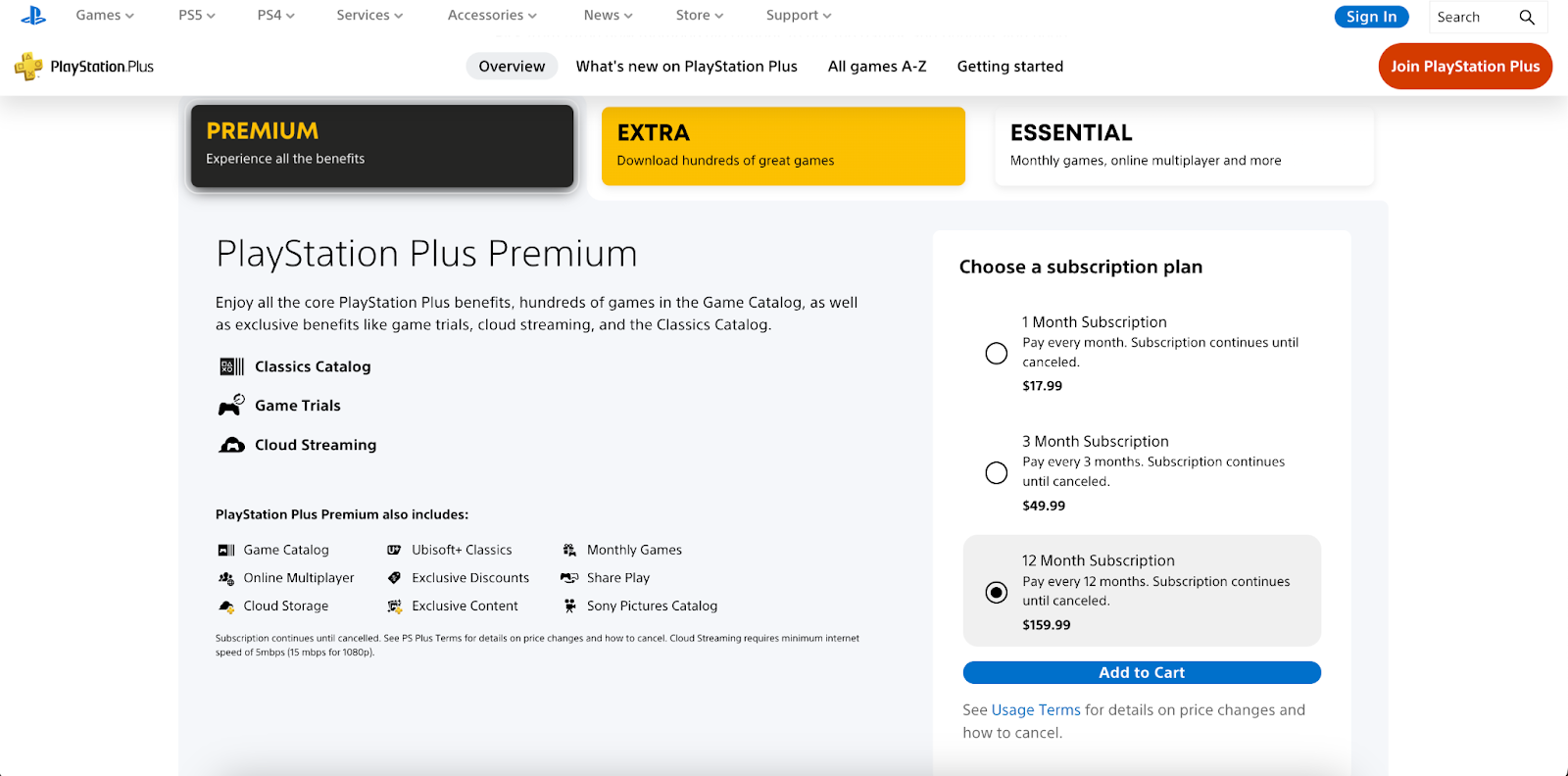
Curation subscriptions give the customer a selection of products, carefully chosen by the business. The customer trusts the business to provide good value for their money. A famous example is Sony's PlayStation Plus subscription. Every month, subscribers get access to 3-5 games that Sony believes they’ll enjoy.
Replenishment subscriptions
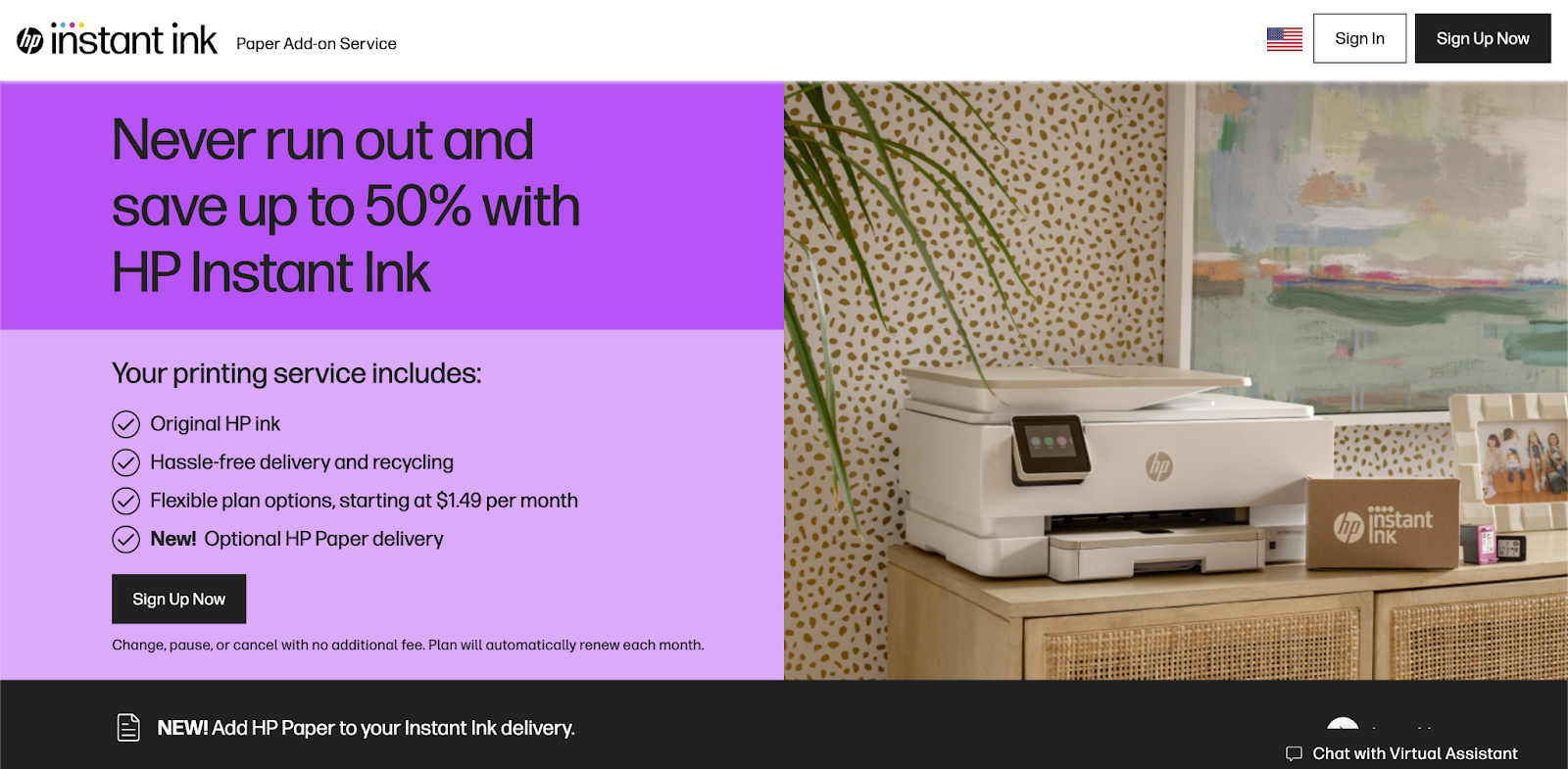
The replenishment model gives customers an automated top-up and supply of their chosen products or services. It’s all about convenience. For example, HP ships printer ink cartridges to their customers when their ink is running low. So the customer doesn’t need to worry about checking when it’s time to order more.
Access subscriptions
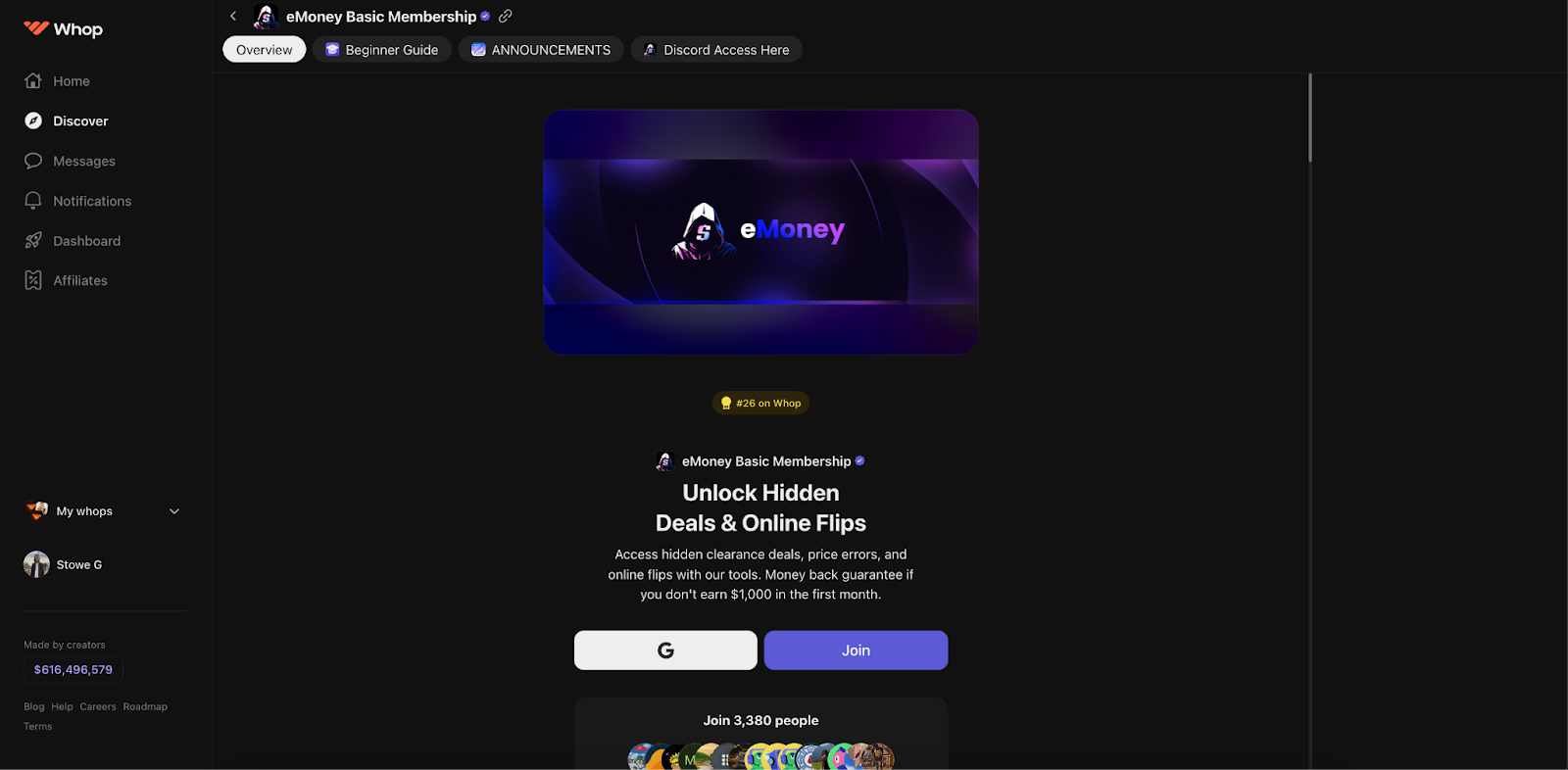
Access subscriptions charge a recurring fee to unlock something non-subscribers can't get: content, software, a community, tools, or perks. Members keep access while the subscription is active and lose it when it ends. It's the default model for SaaS, streaming, online courses, paid communities, and memberships. On platforms like Whop, access is tied to payment status, so it switches on at checkout and off when a subscription ends, with no manual admin.
Hybrid subscriptions
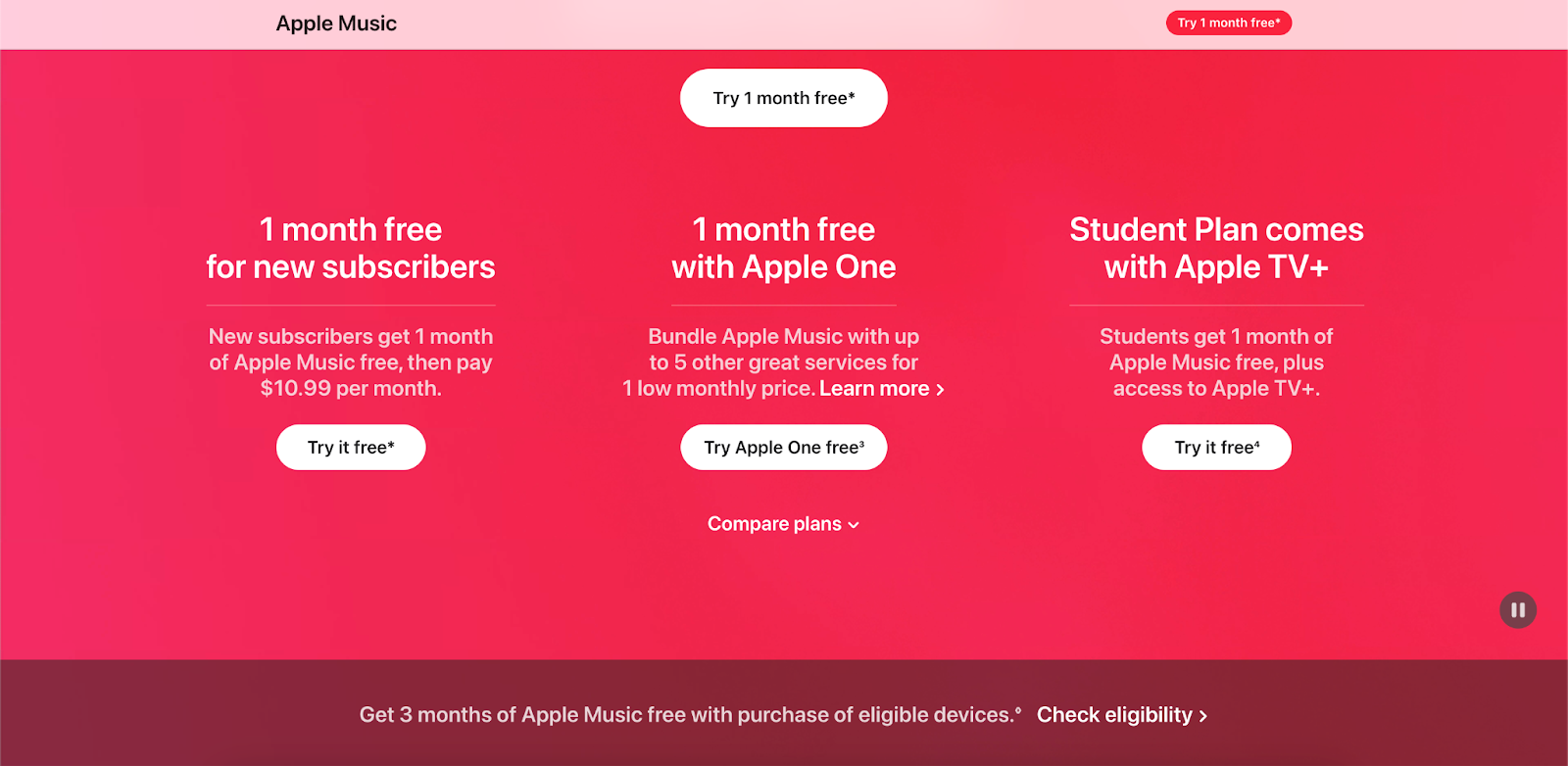
Hybrid subscriptions combine a subscription with one-time sales, or mix more than one subscription model, so your revenue doesn't depend on a single stream. Apple is a familiar example; you can buy songs and albums outright in the iTunes Store, or subscribe to Apple Music to stream the whole catalog.
How to choose the right subscription model for your business
Pick the subscription model that matches why customers will pay again next month.
If the value is something new each cycle, use curation. If it's something they run out of, use replenishment. If it's something they'd lose without the subscription, use access.
Then check that demand exists and that the model won't feel like a cash grab to your audience.
Which model suits your product?
Start with what you can deliver every month, not just in the first one.
Many products could fit more than one model: an online education business could sell access to a course library and community, or curate a new masterclass each month.
Curation needs a steady pipeline of new material, so it suits businesses with a large catalog or a reliable source of fresh content.
If your range is small, an access model usually holds up better. The value then comes from ongoing perks like a community, live calls, or support, not from new product every month.
Say you’re running an e-learning business: an access model will make sense if you want to provide access to courses, materials, and a community. But a curation model would also make sense if you want to offer fresh monthly content.
Is there demand?
There is hugely growing demand for subscriptions. Research from Market.us found that the subscription SaaS market has doubled in size (projected to reach $307 billion), while the largest subscription category is e-commerce, valued at $478 billion.
Those figures are promising, but such a large market size often indicates saturation, which can make demand trickier.
Look for competitors selling a similar subscription. If they exist, that's proof people pay for it. Then, work out what they do well and where you can do better, whether that's price, depth, community, or service.
In a saturated market, a lower launch price or a free trial can help you win your first subscribers.
Which fits your values?
Choose a model your customers will see as fair. Subscriptions that charge for something people expect to own outright tend to get backlash.
For example: when Logitech's CEO floated a "forever mouse" kept up to date through software and services in 2024, the reaction from tech consumers was largely negative.
Access models tend to build the strongest relationships, because the subscription comes with community, exclusive content, or direct support, not a fee for basic functionality.
Things to think about before starting a subscription business
Before starting your subscription business, you want to think about profit margins, whether it's worth registering as a company, and which types of subscriptions are best suited to your niche and experience.
Do I need to register my subscription business?
You don't always need to register a business to start selling. But you do need to report what you earn for tax, whether you register or not, and registering a company gives you protections that selling as an individual doesn't.
The main choice is your business structure.
- A sole proprietorship is the simplest, but you're personally liable for the business's debts
- An LLC or corporation is a separate legal entity, which keeps your personal assets apart from the business if it's sued or takes on debt
The rules and filing requirements depend on where you live, so check with your local tax authority or an accountant before you launch.
If you're forming a US company, you can register your LLC with Whop, whether or not you live in the US.
Is a subscription business profitable?
A subscription business is profitable when each subscriber brings in more than it costs to deliver to them, process their payments, and win them in the first place – and they stay long enough for that margin to add up.
Recurring billing makes revenue predictable, but churn decides whether it grows.
Say you charge $29 a month, and each subscriber costs $5 to serve plus $1.23 in payment fees: that leaves $22.77 a month per subscriber.
- At 5% monthly churn: the average subscriber stays 20 months, so each one is worth about $455.
- Cut churn to 3%: the average subscriber stays about 33 months, worth roughly $759.
That's far more profit, without adding a single customer.
What type of subscriptions make the most money?
The most profitable subscriptions are usually the ones that cost the least to deliver per subscriber and keep people the longest.
Software, online courses, paid communities, and content subscriptions have no stock or shipping, so almost every new subscriber adds margin.
Physical subscription products can bring in more revenue per customer, but product, packaging, and shipping costs come out of every order.
Retention matters more than the category: an access subscription that keeps adding value will usually out-earn a higher-priced box that customers cancel after a few months.
Read our subscription statistics roundup for more insights.
How to get started with a subscription business
To start a subscription business, you need to come up with a product idea, plan your subscription's inclusions, figure out your pricing and whether you'll offer varying tiers, find a hosting and payments platform, create a brand, and market your offer.
Create a product idea
Start with a product idea that customers need or want on a recurring basis.
If you already run a business, look at which of your existing products or services could be sold monthly. If you're starting from scratch, look for recurring demand – surveys, social polls, and competitor research will tell you faster than guessing.
Creating a product can become time-consuming, so factor this in before you announce any release dates.
Common examples of products include:
- E-learning materials and courses
- Access to media, such as games, gaming mods, video content, and music.
- Software and apps
- Digital tools
- Data and analytics
- News and information
Plan your subscription
Once you’ve decided on your core model, it’s time to decide what precisely the customer will get per month.
If you’re running a curation model, you should plan out several months in advance to give you time to come up with new ideas in the future. It will also allow you to advertise what future subscriptions will include.
You can also consider reaching out to brands that may want to partner with you, by including their products in your subscription.
If running a replenishment model, think about the quantity of products your customers will get per month. It needs to be an attractive amount and make sense for you and the customer financially.
If running an access model, plan what the customer gains access to. Many people include various perks alongside the core product or service, such as Discord servers, forums, discounts, and exclusive merch.
Plan your pricing
To determine your pricing, you'll need a fine balance between keeping it attractive and realistic but still achieving your profit margin goals.
Set your price from the bottom up: work out what each subscriber costs you, decide the margin you want, then check the result against what competitors charge.
Say each subscriber costs $5 a month to serve (tools, content, moderation). On Whop, payment fees are 2.7% + $0.30 per domestic card transaction, plus 0.5% for Billing.
At a 75% margin, your minimum price is about $24.30 – that's the point where fees and costs take a quarter of each payment. Round up to a price that fits your market: at $29 a month, you keep $22.77 per subscriber, a 78.5% margin.
You can then think about offering both monthly and annual subscriptions, priced at $29 a month or $290 a year. The annual plan gives subscribers two months free, and it costs you less in fees: $9.58 on one annual payment, against $14.74 on 12 monthly ones.
Consider different tiers
You can also consider adding different levels of subscriptions and memberships, with each one offering more in exchange for a higher price.
This is a great way to attract different demographics and bring in extra revenue from big spenders.
For example, Media Metas is a subscription run on Whop that offers three different packages of social media advice and consultations.
Choose your sales platform
Selling subscriptions online is easy with the right platform.
While you can host your service on your own website, you’ll need advanced web development skills to include the variety of apps and features that many modern services provide.
The best thing to do is choose a platform designed for subscription-based selling.
Whop handles payments, recurring billing, and member access in one place, with built-in apps for courses, files, community chat, and Discord. Customers can pay in multiple currencies and with 100+ payment methods, including crypto.
Create a brand image
Build a brand customers recognize, because with subscriptions they're buying into you as much as the product.
Pick a memorable name, a color palette that fits the vibe, and a short tagline, then use them everywhere: your storefront, site, social profiles, and the subscription itself.
Read our guide to the best personal branding examples.
Market your business
Market to the people most likely to subscribe first, like your existing audience, then widen out with social, ads, and partnerships.
- Research by HubSpot found that email and organic social media are among the most popular marketing channels, used by 39.3% and 38.6% of B2B marketers, respectively. If you have a pre-existing customer base, then you can send out emails advertising your new subscriptions.
- Consider offering your customers a discount or the first month free.
- Create pages on Facebook, Instagram, and TikTok, to share teasers on your products and offerings. You can also use affiliate marketing, user-generated content, and influencer or brand partnerships to help increase your exposure.
- Google, Meta, TikTok, and Whop Ads are all easy to get started with and can work to a predefined budget.
- Run giveaways to get people interested, like rewarding your first 50 subscribers with free merch, or picking a random winner from anyone who likes your announcement post.
Keep subscribers paying
Your churn rate is a key factor in deciding whether your subscription business grows, so plan how you'll keep people paying.
Below are four proven ways to keep subscriptions renewing: offering annual plans, using failed-payment recovery, cancel-flow offers, and regularly introducing new value.
- Annual plans: Recurly's State of Subscriptions 2026 found that 78% of merchants offer both monthly and annual plans, allowing for the greatest chance of ongoing income. While annual plans have lower recovery than monthly plans when it comes to failed payments, they tend to generate more revenue per user.
- Failed-payment recovery: Expired cards and declines cause subscribers to churn even when they never chose to cancel. When a subscription payment fails on Whop, the customer is emailed to update their card, and payments are retried over five days before the subscription cancels.
- Make a save offer at cancellation: A discount shown at the moment someone cancels can keep a subscriber who's only on the fence about price. If you sell on Whop, the “Plan settings” for each pricing option have a toggle to enable a discount on cancellation automatically. You can choose the % amount.
- Keep content and value evolving: In access models, members cancel when they stop seeing anything new or aren’t getting ongoing value from the product. Set a schedule you can sustain to keep improving at a steady cadence: weekly posts, a monthly live call, quarterly updates and new functionality. Be vocal and tell members what's coming next.
Track churn and renewal rates monthly so you can see which retention lever is working.
How much does it cost to start a subscription business?
A subscription business can start for very little if you sell something online and don't need to make or ship stock.
Your main costs are building the product, your sales platform and payment fees, marketing, and any overheads like tools or freelancers.
Most of these can start small and grow with your revenue, so you don't need to pay them all up front.
| Cost | What it covers | How to keep it low |
|---|---|---|
| Product | Building what subscribers get: content, software, freelancers, tools, testing | Launch with a smaller first version and add to it each month |
| Platform and payments | Where you sell, plus the fee on every payment | Pick a platform with no setup or monthly fees, so you only pay when you're paid |
| Marketing | Ads, affiliates, influencer partnerships, launch discounts | Start with your own audience and organic social, and pay for ads once you know what converts |
| Overheads | Software, freelancers, staff, workspace | Hire and add tools only when subscriber revenue covers them |
Product costs
Your product cost is usually your largest one – but if you sell courses, software, a community, or content, then you have no manufacturing or shipping.
That can be a huge cost-saver, though you may still pay for development: freelancers who help build the product, software, equipment, and testers.
Remember that a subscription is a monthly commitment, not a one-off build.
Budget for the time or money it takes to keep the product fresh, because that ongoing cost is what keeps subscribers renewing.
Platform and payment costs
Selling online is rarely free, but it doesn't have to cost much up front.
Running your own website means paying for development, a domain, and hosting, as well as a payment provider. On a subscription platform, the main cost is usually a fee on each payment.
Whop has no setup fees or monthly costs. Subscriptions cost 2.7% + $0.30 per domestic card transaction, plus 0.5% for Billing (automated invoicing, retries, and lifecycle handling), so a $29 subscription costs $1.23 in fees, and you pay nothing until you make a sale.
Marketing costs
Marketing costs can vary widely depending on the methods you use: social media ads, Google ads, affiliate marketing, and influencer partnerships all come at a cost.
Some people factor this into their pricing, while others will invest some cash upfront.
Any promotional deals or discounts may also impact your profits and be worth calculating.
If you’ve got strong social media skills, you can significantly reduce your marketing costs by handling it yourself for free.
Overhead costs
Digital subscription overhead costs are typically pretty minimal. But if you’re paying any freelancers or employees, factor them into your pricing model.
Plan for these costs to grow as you do. More subscribers can mean more support, more moderation, or, if you add physical products like merch, stock and shipping costs.
How to start a subscription business on Whop
Here’s a quick step-by-step guide on how to sell your subscriptions on Whop.
1. Sign up
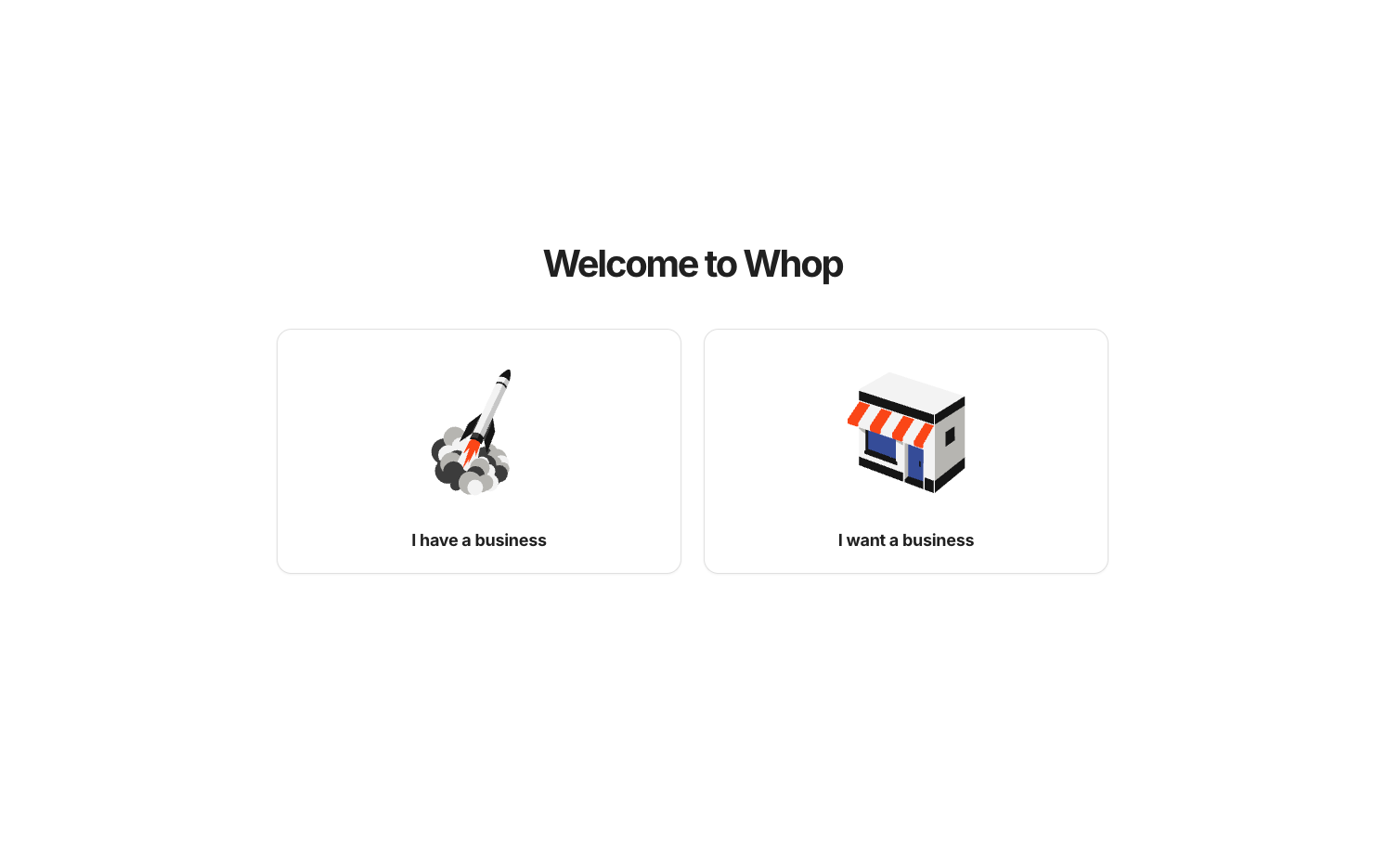
Signing up is simple. Just head to the homepage at Whop.com and choose whether you already have an existing business or want to build one.
2. Create your whop
You’ll then be taken to the onboarding page to create your whop, and can either fill in your current business details or choose a name for your new business – you can always change this later. Then, you’ll need to enter the way your whop will help people.
Once that's done, you can start building your product.
3. List your product as a subscription
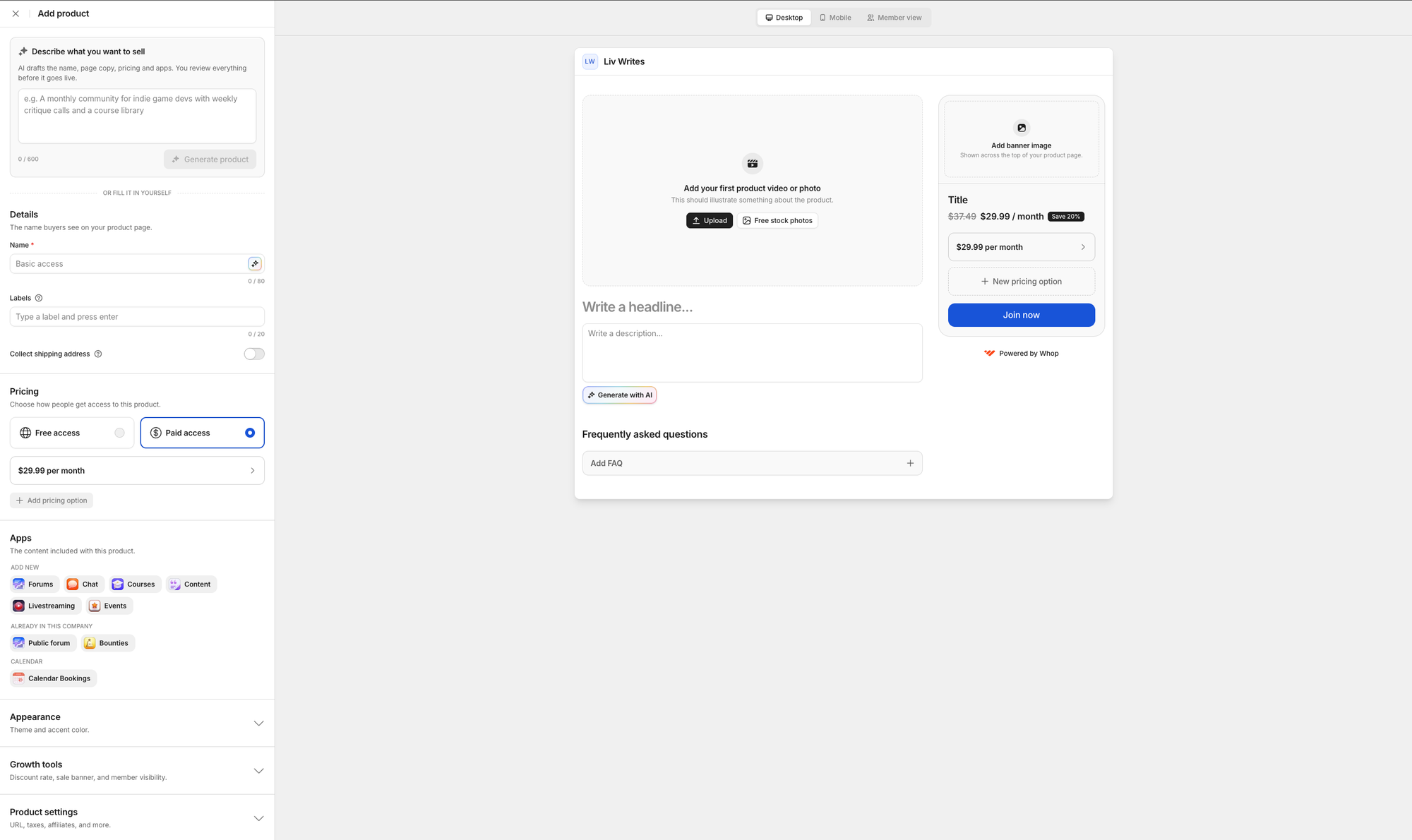
Add your first product from your dashboard: choose "Products" from the left-hand side, and "+Create product".
The product builder will open, and on the left-hand side you can choose "Paid access" and enter a monthly, annual, or weekly amount.
Click “+ Add pricing option” to add your pricing, including different tiers.
4. Customize your subscriptions
Now you can select the specific settings of your whop subscription business.
- Choose a price for access to your whop, with your preferred default currency.
- ‘Subscription Period’ allows you to set how long a payment gives access to your whop.
- ‘Stock’ limits how many people can subscribe.
- Use ‘Add free trial’ if you want to give a period of free use.
- ‘Add initial fee’ if you want subscribers to also pay an upfront cost.
- ‘Enable split pay’ if you want customers to gain lifetime access after a certain number of payments.
- Use ‘Add waitlist’ if you want to allow only accepted members to become subscribers.
- Select ‘Offer discount’ to provide a discount incentive to any customers who try to cancel their subscription.
You’ll then be prompted to choose if you want the subscription to be public or private.
5. Add apps
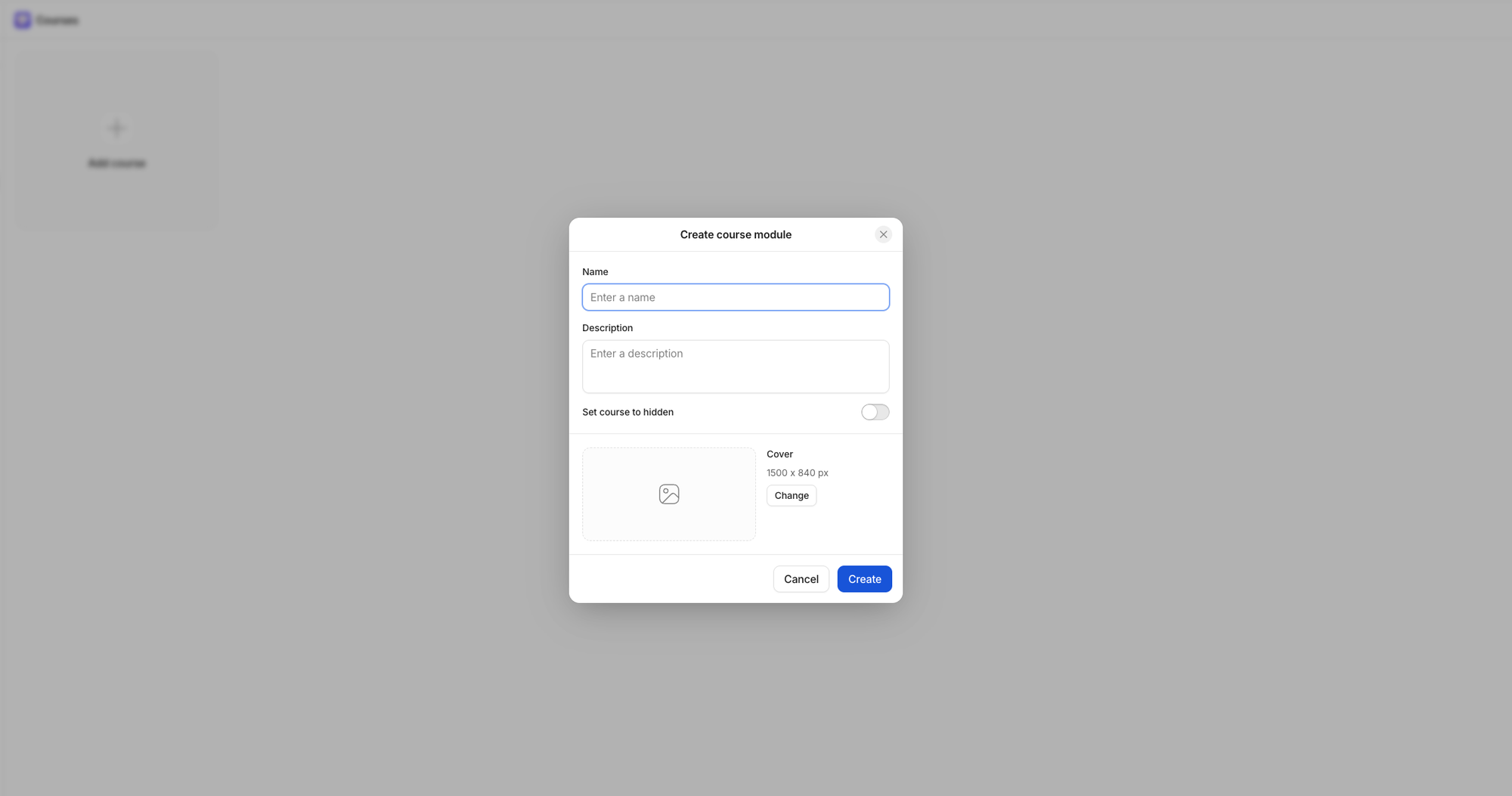
You'll see a section under pricing on the left-hand side that says "Apps" – this allows you to build out features of your product: courses, chat, forums, livestreaming, and more.
If your community already lives in Discord or Telegram, add the Discord or Telegram app. Whop gives subscribers access to your server or group when they pay and removes it if their subscription ends.
When you hit save, these will be added to your product and you can customize them from your Dashboard under "Community".
6. Use the API
If you sell software or run your own site, use Whop's API to connect your subscriptions to it.
Your product can check whether someone has an active membership before giving them access, and webhooks tell your app when a membership starts, renews, or ends, so access stays in sync without manual admin.
You can also manage products, plans, and memberships programmatically, or from the terminal with the Whop CLI.
Examples of success on Whop
Her Last Call Academy

Alexis Seleste’s Her Last Call Academy provides subscribers with coaching to help entrepreneurial women secure life-changing sales.
Her whop uses coaching calls, courses, forums, chats, events, and even a job board to help others excel. She has monthly and annual options and also offers paid admission to events.
Within 27 days of launching her community, she raked in over $100k.
Alex Sedlak
Alex Sedlak owns two of Whop’s biggest communities, Media Labs and Print Money W TikTok.
Media Labs helps TikTok creators partner with brands to make promotional content. There’s an in-depth course and the business effectively runs as an agency with subscription-based access.
Print Money W TikTok is all about helping people monetize the app starting with $0. Users get product samples, a Discord chat, and instant access to industry experts.
Sedlak has days where he makes over $200,000.
Girl Boss Abroad

Natasha Ibrahim, founder of Girl Boss Abroad, has mastered the art of making of money while traveling the world. Her community inspires others to do the same.
The whop mostly sells services as a one-time offering but also uses a $10 paid newsletter, helping bring it extra revenue in exchange for some super insights and tips.
Build your subscription business with Whop
Once you've picked your model, planned what subscribers get, and priced it to cover churn, you need somewhere to sell it that handles the recurring work for you.
Whop covers payment acceptance, subscription billing, ads, and member access.
Offer the plans you need: monthly, annual, and custom billing periods, with free trials as an option.
You can also get paid globally, accepting 100+ payment methods in 135+ currencies.
Subscription billing is priced at 0.5% per successful transaction and handles retries automatically over five days, while customers are emailed to update their card. A self-service billing portal lets them update payment details, view invoices, and cancel without contacting you.
There are no setup fees or monthly costs – you pay per transaction, only when you make a sale.