Dropshipping is a business model where you sell products online without holding inventory. Learn how dropshipping works and whether it’s still a viable option in 2026.
Key takeaways
- Dropshipping lets you start an online business with minimal upfront costs by having suppliers handle all inventory and shipping.
- Focus on one winning product first to learn marketing, audience targeting, and conversion before expanding your catalog.
- Use dropshipping as a stepping stone to validate products and fund your transition to building your own branded business.
If you’ve ever thought about starting an online store without dealing with warehouses or shipping boxes yourself, dropshipping might have caught your eye.
It’s a way to sell products online where you never actually touch the inventory: your supplier handles fulfillment, and you focus on selling.
In this guide, we’ll break down how dropshipping works in 2026, what’s changed, and whether it’s still a viable path for new online sellers.
What is dropshipping?
Dropshipping is a fulfillment method that allows you to operate an ecommerce store without ever having to handle the products you’re selling physically.
The supplier you work with takes on the responsibility of all aspects of fulfilling the product, including storing, picking, packing, shipping, and in some cases? Even returns.
Dropshipping can be a great way to get started with making money in ecommerce because of these previously mentioned perks; however, before you dive in, it’s important to know more precisely how it works so you know what you’re getting into.
What is a dropshipping business?
A dropshipping business is an online store where you sell products without ever holding inventory yourself.
Instead, a third-party supplier handles all the fulfillment: packing and shipping orders as you make sales.
Your main job? Set up your store, drive traffic, and convert visitors into customers.
Since you don’t need to buy inventory upfront, dropshipping has lower financial risk and minimal startup costs.
Plus, with easy-to-use platforms, you can launch a store quickly and start selling faster than with traditional ecommerce.
How do I start dropshipping?
Here’s how to start your dropshipping venture, step-by-step:
1. Do your research
Dropshipping relies heavily on trends, so your first step is performing research to understand what's hot right now.
Take your time and make use of free analytics tools such as Google Trends, searching for dropshipping products to see if they’re still trending.
You’ll also see related items and topics that are rising in interest, allowing you to predict trends early.
You can also scroll through social media with the mindset of a consumer, paying attention to what types of products you see promoted through ads or influencers.
You should settle on a niche to give you a more efficient way to filter potential products, paying attention to what other dropshippers are currently selling.
By gaining a good grasp of the market first, you’ll gain a huge advantage over others who skip this part and go straight to trying to find a winning product.
2. Pick a product
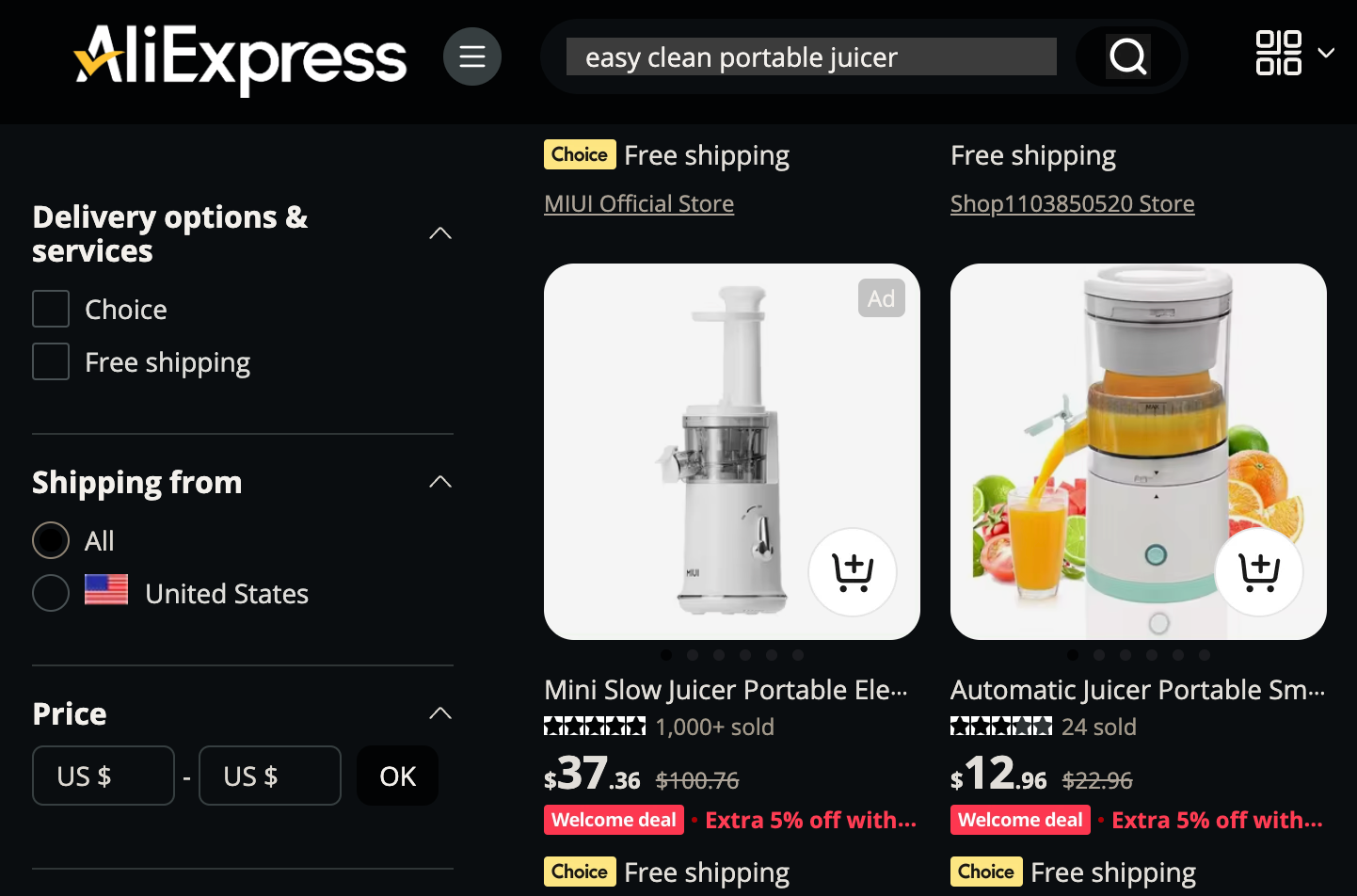
Now that you’ve got the finger on the pulse of what people are buying, it’s time to pick your product.
Found a product you like or that people are hyped about? Check how much it sells for and its supplier cost to estimate your margin.
Use sites like AliExpress and search with descriptive keywords to find the exact product.
Remember: you can always test new products, so don’t stress if your first pick isn’t perfect.
3. Choose a supplier
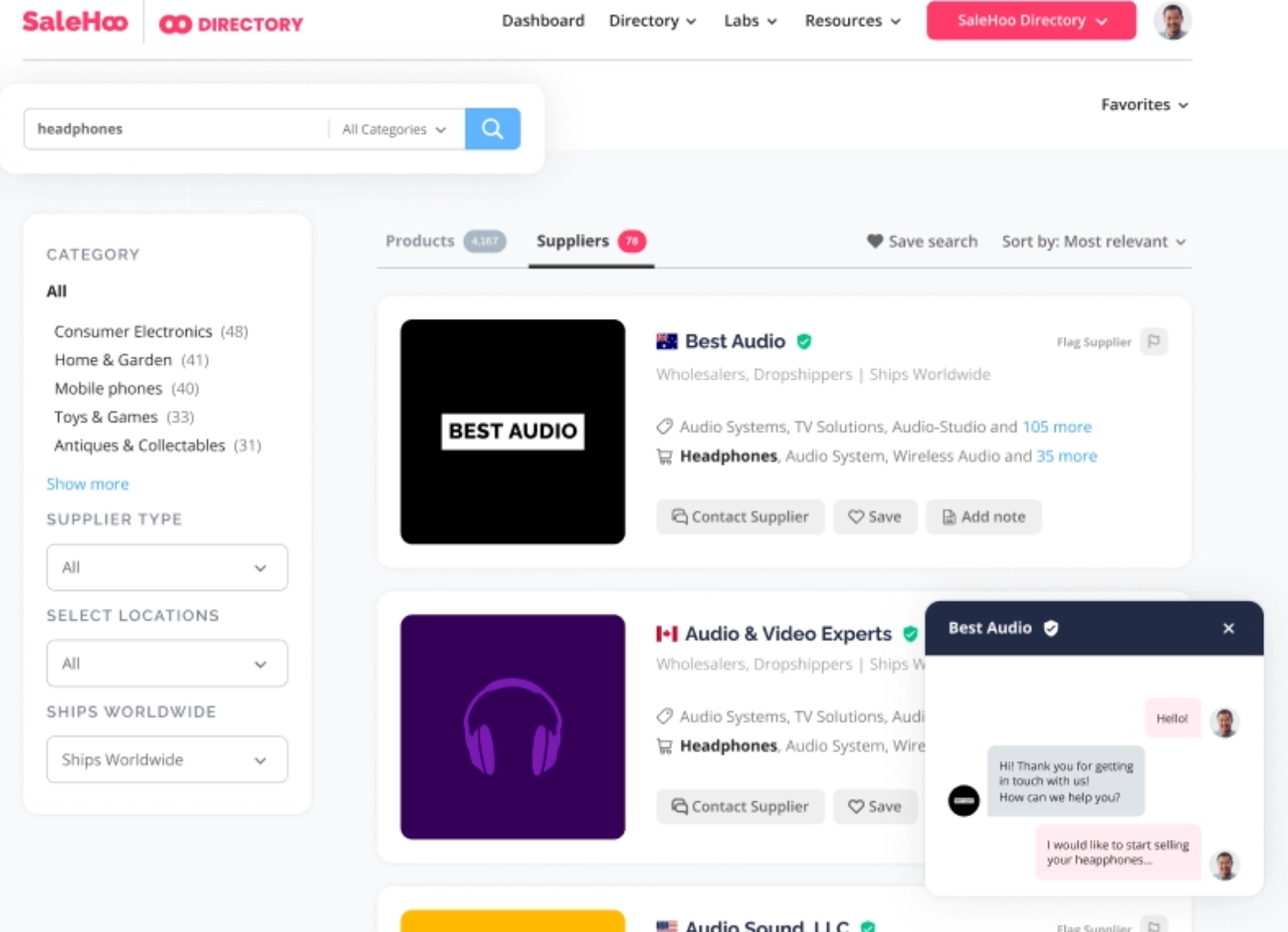
Your dropshipping supplier can make or break your store. Look for:
- Fast, clear communication
- Quality products
- Accurate shipping times
- Good packaging
Test orders before committing. Verified directories like Salehoo can help you find trustworthy suppliers.
4. Set up a storefront
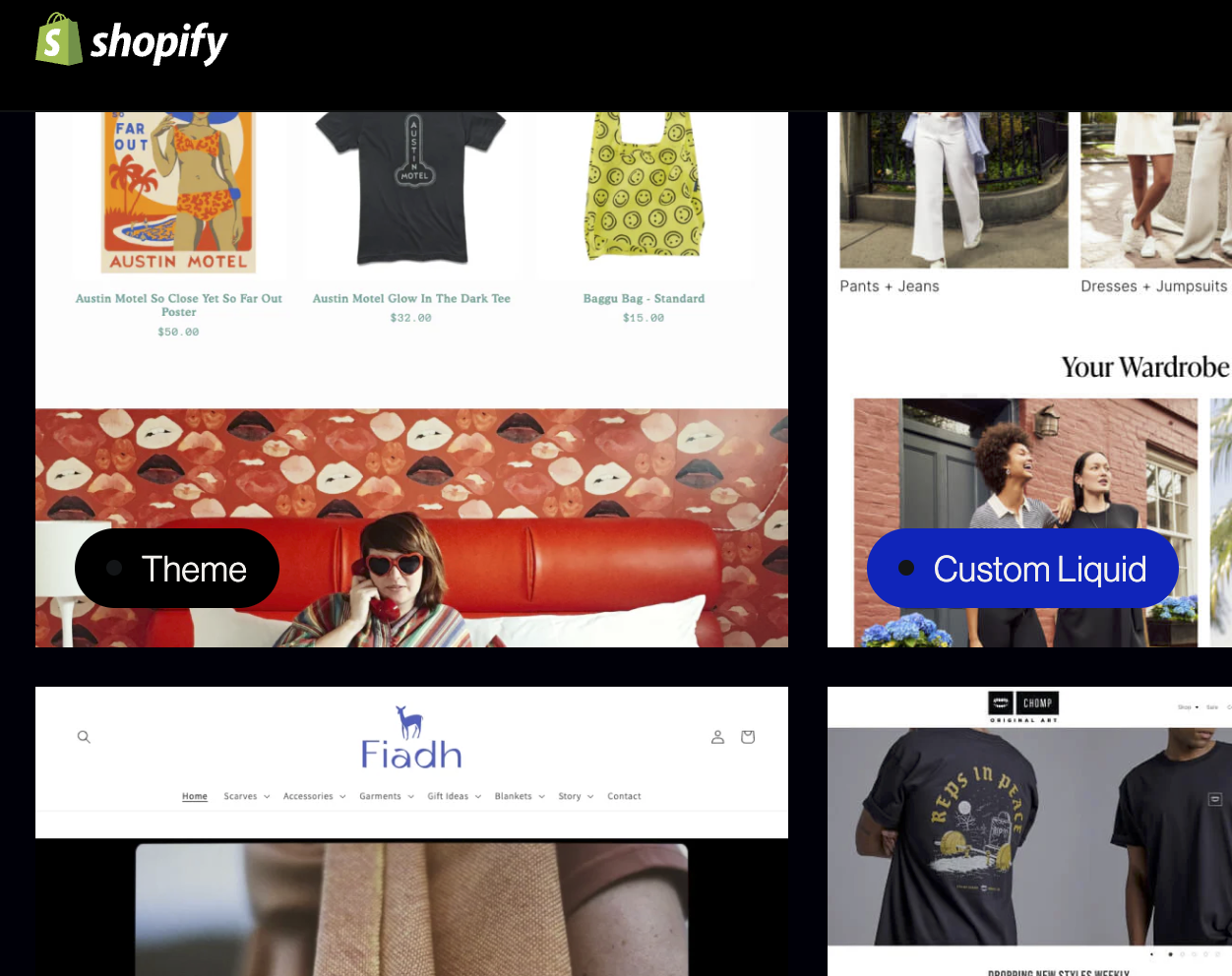
Now that you have your product of choice and a trustworthy supplier, it’s time to set up your online storefront.
Choose a platform that’s easy to use, like Shopify, WooCommerce, Etsy, or even Facebook Marketplace.
Focus on professional design, smooth navigation, and a simple checkout. Shopify is popular for dropshipping because it has apps for automated fulfillment and supplier integration.
5. Creating product listings
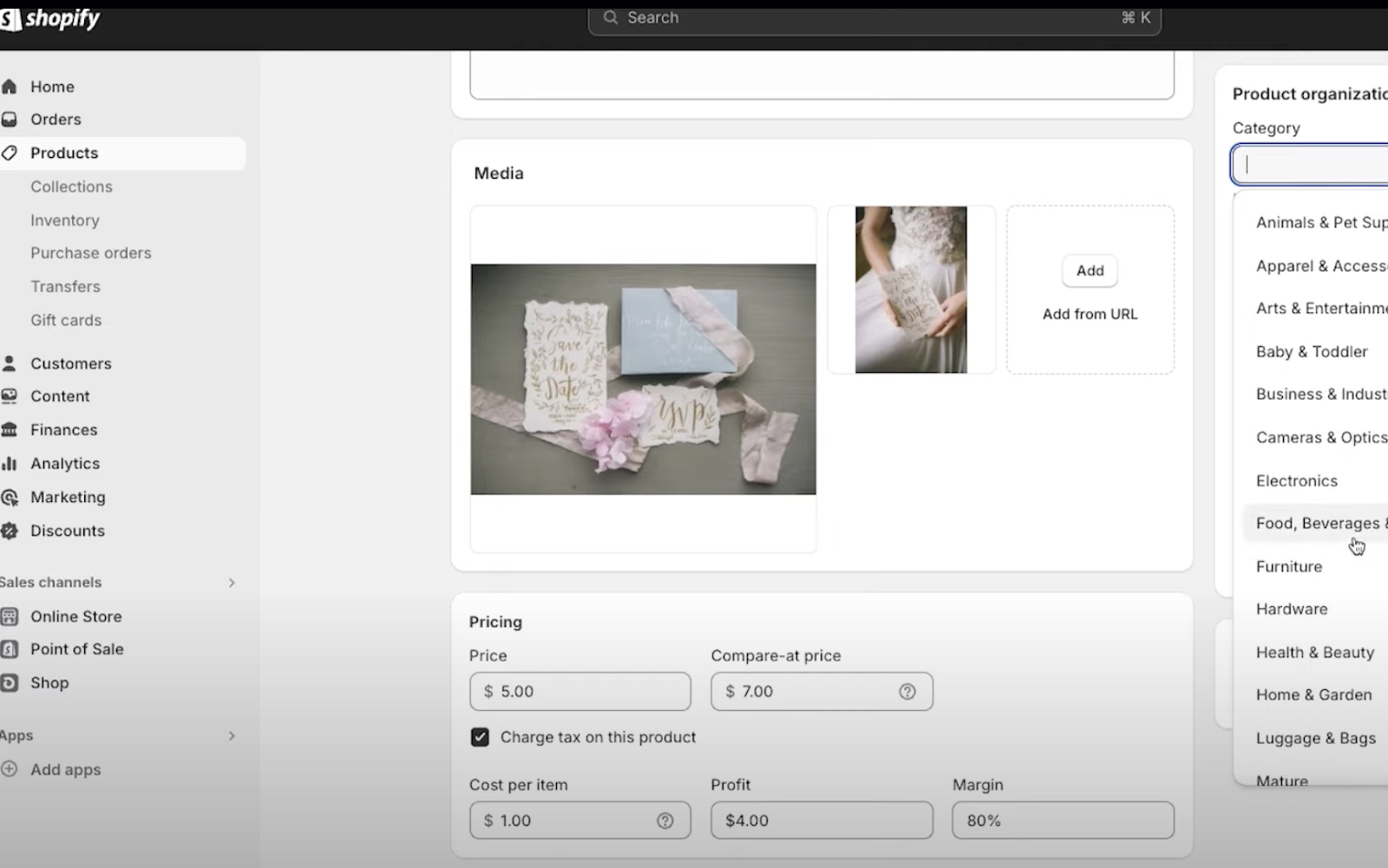
High-quality images and compelling descriptions sell.
If your platform allows, import supplier images, but always tweak the copy to match your brand. Clear CTAs are essential and make it easy for customers to buy.
Read more:
6. Start your marketing
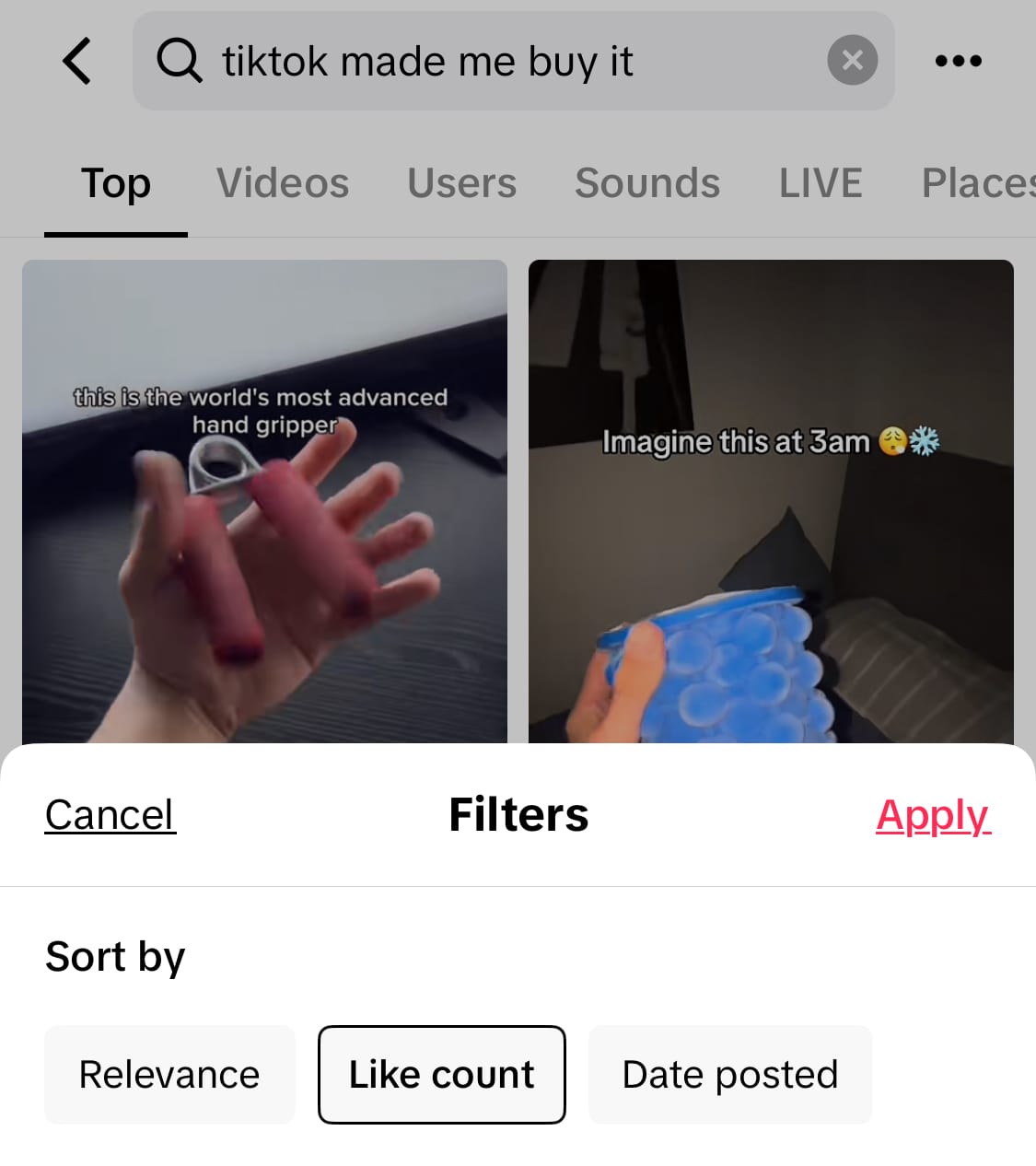
Social media rules dropshipping marketing.
Start with organic content on TikTok and Instagram: show your product solving a problem, highlight lifestyle benefits, and use trending sounds.
Once you know what converts, scale with paid ads. Micro-influencers can also help promote your products cheaply.
There are many ways to market your dropshipping business, but focusing on organic content first and then moving on to paid ad spend is a tried-and-true method.
7. Testing
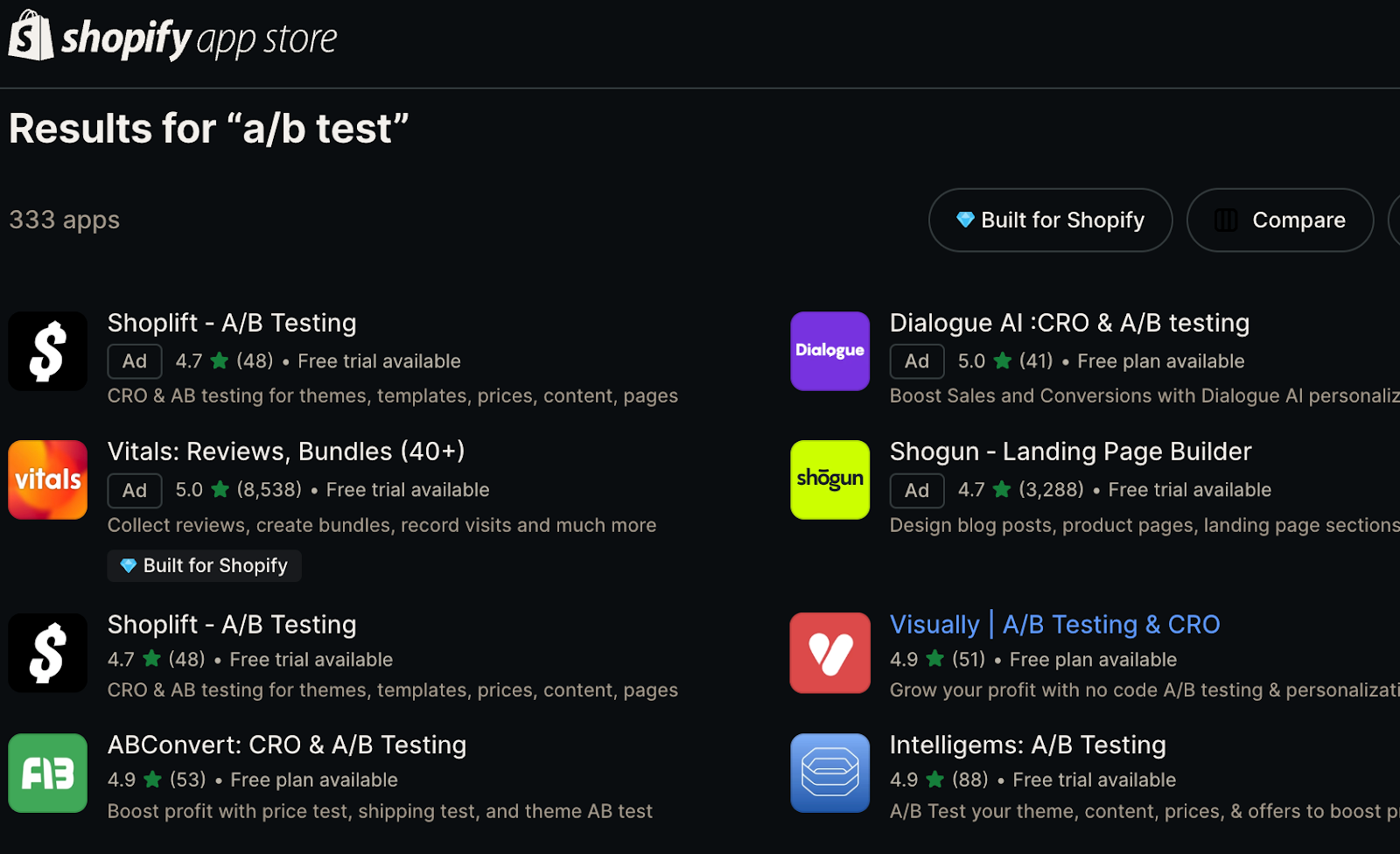
Testing is key.
Minor tweaks, like changing a button color, can boost conversions. Analyze data, learn what works, and iterate.
You can utilize A/B testing apps on platforms like Shopify to run two different designs simultaneously so you can gather data that will allow you to understand what’s working so you can do more of it.
Testing never ends, so always watch your metrics.
8. Scaling
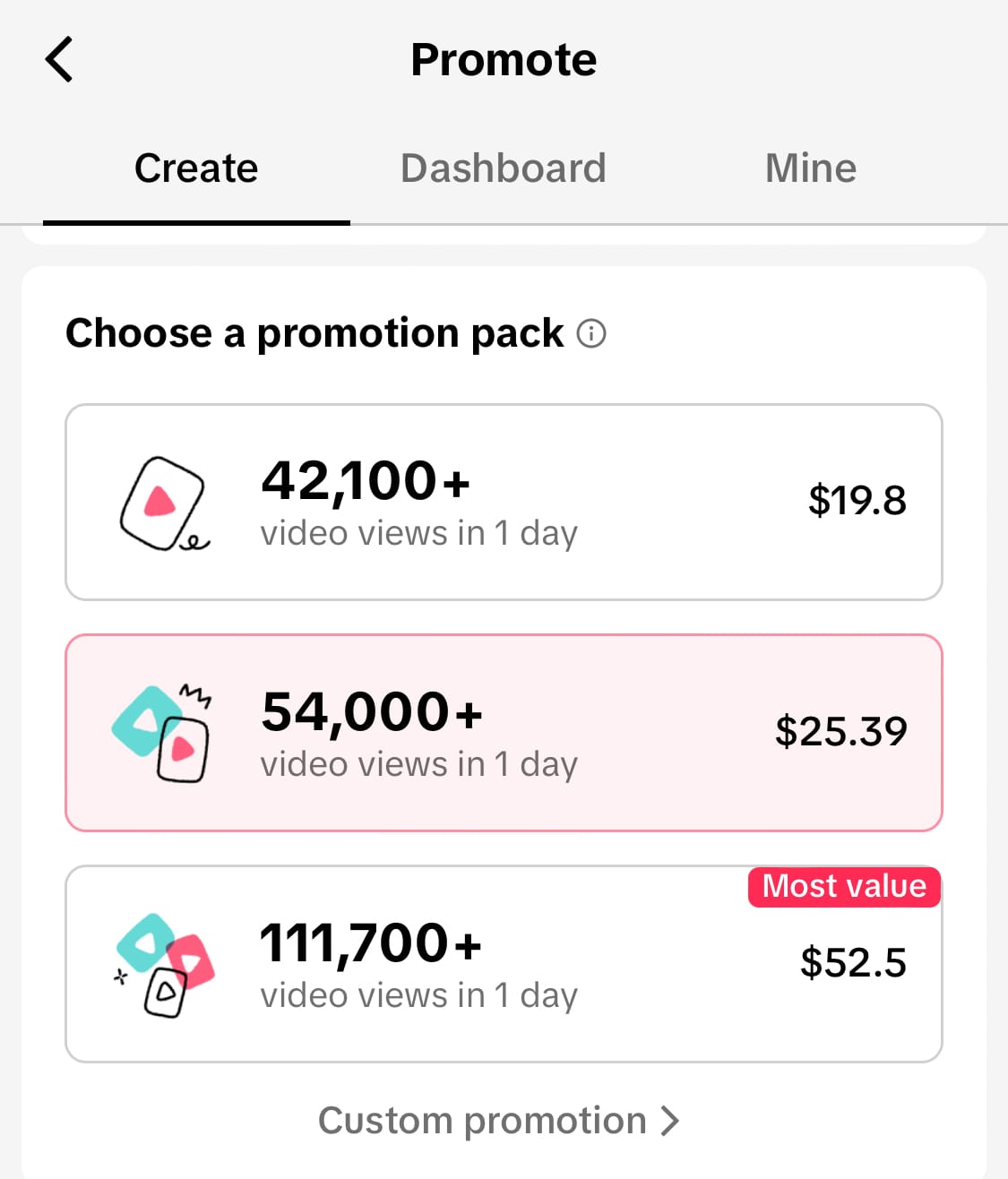
Once you have a winning product and a steady process, scale slowly.
Increase ad spend carefully, add complementary products, and nurture an email list for loyal customers.
During this, be sure to keep customer service strong. Overwhelmed support can undo all your hard work.
Scaling strategically means growing revenue without hurting your brand or supply chain.
Why dropshipping is a popular entry point for beginner sellers
Dropshipping is popular with new entrepreneurs because it’s low-risk and low-cost, but those aren't the only reasons.
It’s also one of the fastest ways to learn real-life business skills, from marketing to customer service, while testing products in the market.
The real goal? Treat dropshipping as a stepping stone. Once you find a product that sells, use your profits to create your own branded product and store.
Owning your brand gives you long-term control, reduces competition, and sets you up to scale beyond the crowded dropshipping space.
Big brands like Gymshark started with dropshipping before developing their own products. It's a model lets you validate a product, practice marketing, and gain experience, all before committing to full product creation.
In short: dropshipping isn’t the endgame. It’s a tool to discover winning products, learn the ropes, and fund your next big move: your own brand.
The pros and cons of dropshipping
Before diving straight into pro tips that will help you to start a store with the most potential for success, it’s important to be aware of the full picture of running such a business, including both positives and negatives:
| Dropshipping Pros: | Dropshipping Cons: |
|---|---|
| ✅No need for product development, which can be costly in both time and money | ❌Winning products tend to be saturated, so competition is typically quite fierce |
| ✅Can be quite easy to find and sell a winning product if you are among the first to reach the right audience | ❌No control over the shipping time, which might be long, can lead to returns and customer dissatisfaction |
| ✅Many supplementary tools, platforms, and communities exist that can aid in your success | ❌Some products that are trending may no longer be in vogue sooner than expected |
| ✅With enough organic reach on platforms such as TikTok, you can sell your product with little to no ad spend. | ❌Heavy reliance on volatile distribution channels (ads, organic reach) |
| ❌The business model may instill an unhealthy habit of never-ending trend chasing |
Top tips for beginner dropshippers
Here’s some expert advice on building the dropshipping business of your dreams:
Finding your product:
Some people try to populate a store with several products, but you should really only pick one product to focus all of your efforts on.
Choosing just one product will allow you to get an understanding of what a targeted audience might look like, how to capture attention and effectively market, and how to frame a product attractively so that it converts.
To get you started, here are some tips on how to find your first product and its supplier.
- Think like your customer on social media: Perform market research through social media, acting as a customer on platforms like Tiktok, searching terms like “Must have gadgets” and “TikTok made me buy it”.
- Look at the ads being served to you: Most dropshipping stores are successful to the point of having large ad budgets, so if you pay attention, you will notice successful product ads everywhere.
- Browse social media with a consumer mindset: Consumer behavior is shifting, so much so that Amazon has launched a product discovery page with UGC. Take a look at the comments and see what people say.
- Consider themes and seasonality: Selling a product to an audience that is already primed to like it is the easiest game to play in business. This is why sports and other franchise-level merchandise are such ridiculously profitable business models.
Choosing a supplier:
While it’s easy to find suppliers, especially on large websites like Aliexpress, there are time-saving methods that seasoned dropshippers use to carry out this search like a pro:
- Go straight to the source: Sometimes, the best suppliers are hidden in plain sight: some brands have manufacturers that are already open to dropshipping arrangements if you ask.
- Network in person: The best way to meet a supplier is to meet the humans behind the company. Trade shows make this happen; you’ll have the best chance of finding new trending products early that you can test in person.
- Leverage the power of communities: Search for subreddits, Facebook groups and local meetups that are focused on dropshipping and see what you find.
Read more:
Creating your online store:
The ideal platform for your dropshipping business will depend on your target audience, technical expertise, and long-term goals.
Whichever medium you use for your store, be sure to pick the one that allows for the best expression of and alignment with your brand and its message:
Shopify
One of the most popular platforms for dropshipping, Shopify is favored for its easy customization thanks to its numerous editable themes and dropshipping-specific acts complete with integrations.
Pro tips:
- Get familiar with Shopify’s themes and built-in functionality, which includes rich analytics, upselling functionality, SEO tools and AI-powered product descriptions
- Consider using spy tools that can help uncover exact themes, designs and even ad strategies that competing Shopify dropshippers are using
- Utilize dropshipping-specific apps such as Oberlo and DSers for easy product importing and seamless inventory management
Your own website
If you want to have maximum control over your brand and customer experience without being tied to a monthly subscription or higher prices for premium features, your best bet is to build your own website.
While this requires technical knowledge or potentially pricey outsourcing, you’ll be able to have complete customization that can make you stand out as an authority in your niche.
Pro tips:
- Make sure to pick a good payment gateway to integrate with your store. Ensure that you’ve set it up securely and fully tested everything before going live. Read more about the best payment gateways here
- Stand out with a thoughtful, product-specific design that creates urgency to purchase, complete with clear CTAs, social proof and a checkout process that’s as short as possible
- Build out a blog section so you can establish authority and potentially gain organic traffic with SEO
Amazon
Amazon’s massive reach and strong trust means that it has some of the most loyal customers that are willing to pay top dollar for any product, making it an ideal space to dropship a product for profit.
However, if you do choose to dropship on Amazon, be sure to comply with their strict rules surrounding this, including avoiding any customer confusion surrounding who is the seller of the product.
Amazon FBA is a good alternative to dropshipping on Amazon, but if you want to take up the challenge, here are some things to keep in mind:
Pro Tips:
- Double check Amazon’s rules and make sure that you’re compliant. The platform is notorious for suspending or banning sellers with little warning, so it’s better to rest easy knowing that you’re not at risk for this inconvenience
- Partner with a brand as an authorized distributor. This way, you’ll already be selling an item with established demand and a good reputation. Although this realm is competitive, it’s still possible to fit yourself into the supply chain with the right research
TikTok Shop
While you might still know it as home to effervescent, short-lived trends and dances, TikTok also had a massive impact on how people shop online, particularly with younger generations.
The platform has long been home to dropshippers who would direct viewers to an external store, but recently it’s launched its own native store, TikTok Shop, which makes for a more seamless purchase experience and thus a higher conversion rate.
Some dropshippers have seen this as potential competition for the traditional TikTok-to-external store dropshipping business model, but others have adopted and continue to thrive, with some choosing to sell dropshipping products directly through TikTok Shop. Check out the Ultimate Guide to Selling with TikTok Shop
Pro Tips:
- TikTok is still heavily trend dependent, with some trends having short opportunity windows, so be sure to act fast and early for your best chance to go viral
- TikTok Shop is very much a form of social commerce, so those that are willing to show their face and give personal recommendations while remaining entertaining will likely have higher sales–although it’s still possible to succeed with faceless content with the right strategy
- Build up your audience to make the most of TikTok’s live shopping feature which will allow you to interact with customers and run exclusive promos while streaming and fostering a greater sense of connection and loyalty
Marketing your dropshipping business
Marketing your dropshipping business/product isn't optional – it's the only way to make sales.
The first tip is to keep things simple. While it’s good to test things out, don’t go too crazy spending money on ads or sponsorships without first trying to reach an audience organically.
Learning to gain an audience on social media platforms is one of the most valuable entrepreneurial skills that you can have today. So, consistently posting videos that highlight your dropshipping product will help you hone this skill and get paid as you get better.
For quick reference, here are the general categories for marketing your dropshipping product:
Different dropshipping marketing methods
- Organic reach on social media platforms- best done with consistent posting of a variety of attention-sustaining videos with a great hook
- Paid ads- it is recommended to only start dropping money on ads once your product is already selling, so your intent here should be to test and scale
- UGC and Sponsorships- While user-generated content, or UGC, can be highly effective, it’s hard to predict the reach, even for large creators. This is why you should be the number one producer of user-generated content for your own store and product.
Finesse your dropshipping skills with Whop
Dropshipping can be high-risk and high-reward.
It’s full of trends, competition, and the occasional headache. But if you find a winning product and stick with it, the payoff can be real.
And even if your first store doesn’t blow up, the skills you pick up, the marketing, customer research, and scaling skills you learn are straight-up transferable to any business.
Want to shortcut the learning curve? Whop is packed with communities where dropshipping pros share tips, tricks, and winning strategies. Join a group, soak up the knowledge, and get inspired to take action.
Dive into a Whop dropshipping community and start building your next side hustle with guidance from the experts.