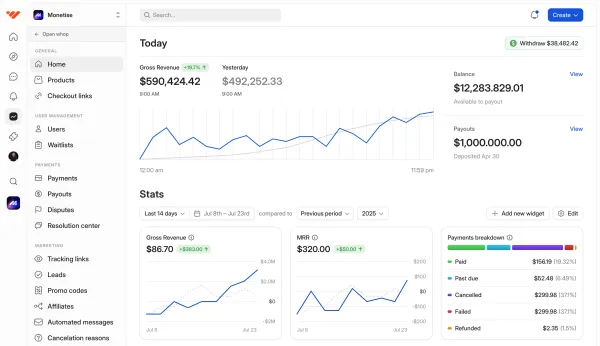
Compare 42 top payment processors for 2026, including Stripe, PayPal, Adyen, and Square, plus Whop for multi-processor payment routing.
Key takeaways
- Match the processor to your business type and risk profile — high-risk verticals, marketplaces, and global platforms each have purpose-built options.
- Multi-PSP orchestration and smart payment routing can significantly boost transaction approval rates and reduce failed charges.
- 94% of cross-border shoppers want to pay in their local currency — multi-currency support and local payment methods are now table stakes.
Reality check: How you choose to process payments can affect your business in more ways than one. Where the right payments stack leads to increased order values, payment acceptance, and customer acquisition, the wrong one leaves you scrambling.
Research by PYMNTS found 94% of cross-border shoppers want pricing in their local currency, while 99% want to pay with their preferred payment methods.
So it makes sense that the best payment system for your business depends on who you sell to, what their expectations are, and how fast you need to get paid.
Stripe, PayPal, Adyen, and Square lead for traditional processing, while Whop routes each payment across multiple processors to approve more transactions.
This guide covers 42 of the top payment processing companies for 2026 – with fees, features, and honest assessments for every business type, from side hustles to global platforms.
Top payment processors for every business type
Here's a list of 42 of the best ways to accept payments, built for everyone from side hustles to 7-figure businesses.
But first, a glance at the top 10:
| Provider | Best for | Headline card fee | Standout feature |
|---|---|---|---|
| Whop | 7-figure businesses, SaaS, agencies, platforms, side hustles | 2.7% + $0.30 | Routes each payment across multiple processors, boosting revenue by around 6% (optional) |
| Stripe | Online stores, SaaS, subscription businesses | 2.9% + $0.30 | Developer-first APIs and Stripe Connect for marketplaces |
| PayPal | Small businesses, buyer-trusted checkout | 2.99% + $0.49 (3.49% via PayPal Checkout) | A checkout brand buyers already recognize |
| Adyen | Enterprise marketplaces and global platforms | Interchange++ + $0.13 fixed | Unified acquiring across online, mobile, and in-store |
| Square | Omnichannel retail and POS | 2.6% + $0.15 in person; 3.3% + $0.30 online | Full POS ecosystem: hardware, inventory, loyalty, payroll |
| Worldpay | Mid-market and enterprise businesses processing high volumes globally | Custom (quoted per merchant); $35 monthly minimum | 175+ countries and 153 currencies with smart routing, now part of Global Payments |
| Fiserv | Enterprise merchants, banks, and software platforms | Custom (negotiated, no public rate card) | Touches more than a third of US payment volume; owns Clover |
| PayPal Enterprise Payments | Merchants who want PayPal and Venmo on their own branded checkout | 2.89% + $0.29 | Cards, PayPal, Venmo, Apple Pay, and Google Pay through one integration |
| Amazon Pay | DTC brands in the US, Europe, or Japan | 2.9% + $0.30 | One-click checkout with the card and address already saved to Amazon |
| Checkout.com | Digital-native enterprises, global online merchants | Custom (quoted per merchant) | 150+ currencies and dozens of local payment methods |
We list more below. Keep in mind that fees listed are indicative and can vary by region, account type, and payment method.
As you go through the list, keep in mind where you sell, how much you process, and who your customers are. We cover how to choose in full after the list.
1. Whop: a platform powered by leading payment processors
Best for: 7‑figure businesses, agencies, platforms, side‑hustles
Whop is the end-to-end platform for building a business, made for internet entrepreneurs, side-hustlers, marketplaces, agencies, SaaS, and platforms – with faster payouts, lower fees, and more control over how you accept payments globally.
Whop isn’t a payment processor. It’s powered by several leading processors and acts as merchant of record for card network rules and payment settlement, so you can accept cards, crypto, wallets, and Buy Now, Pay Later without registering as a payment facilitator. Turn on Whop Collects and Remits, and Whop also handles sales tax and VAT in supported jurisdictions.
Through thousands of conversations, we've learned our customers really only care about two things: getting paid and paying out. Our mission is to be the best in the world at solving those problems.
– Hunter Dickinson, Head of Partnerships at Whop
Accept payments in multiple ways: share a Whop checkout link, send customers to a hosted checkout, or embed checkout in your own site or app. Selling in person? Use Tap to Pay on iPhone to accept payments face to face. We meet you wherever you sell.
Add built-in tools like automatic dispute handling, affiliate programs, free trials, and products with chat, courses, or livestreams, and you've got everything a modern seller needs.
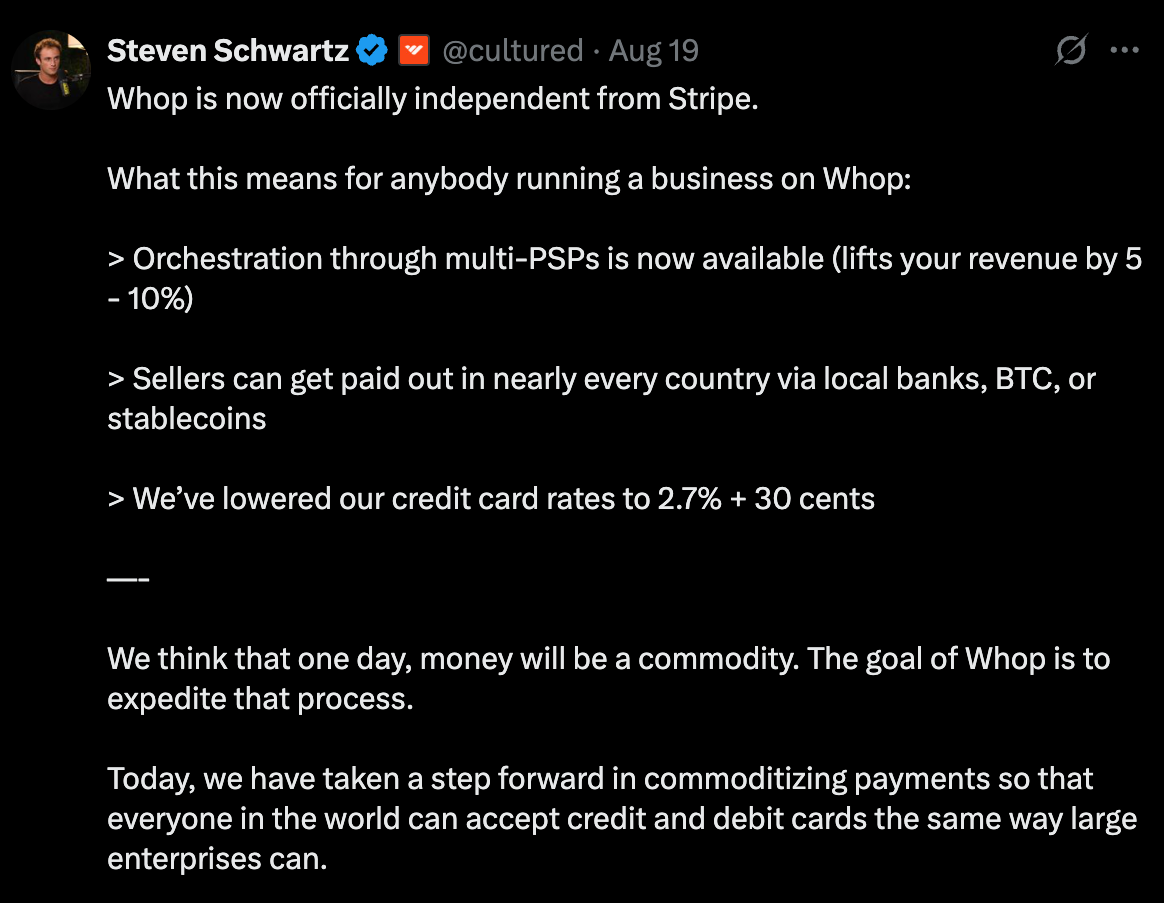
Platforms and enterprise solutions use Whop for a full-stack solution, covering 195+ countries, 135+ currencies, with payouts to 187+ countries via local bank transfer, ACH, wire, crypto, or Venmo.
Whop Tax Service can also handle your compliance (either just calculation, or collection too). Uptime: 99.999%.
Fees:
- Domestic card payments: 2.7% + $0.30
- International card payments: +1.5%
- Conversion: +1%
- ACH: 1.5% (max $5)
- Setup/monthly fees: None
Whop is trusted by more than 27,000 businesses, supporting $5.6B+ in transactions across 39.3M+ customers.
2. Stripe
Best for: Online stores, SaaS, subscription businesses
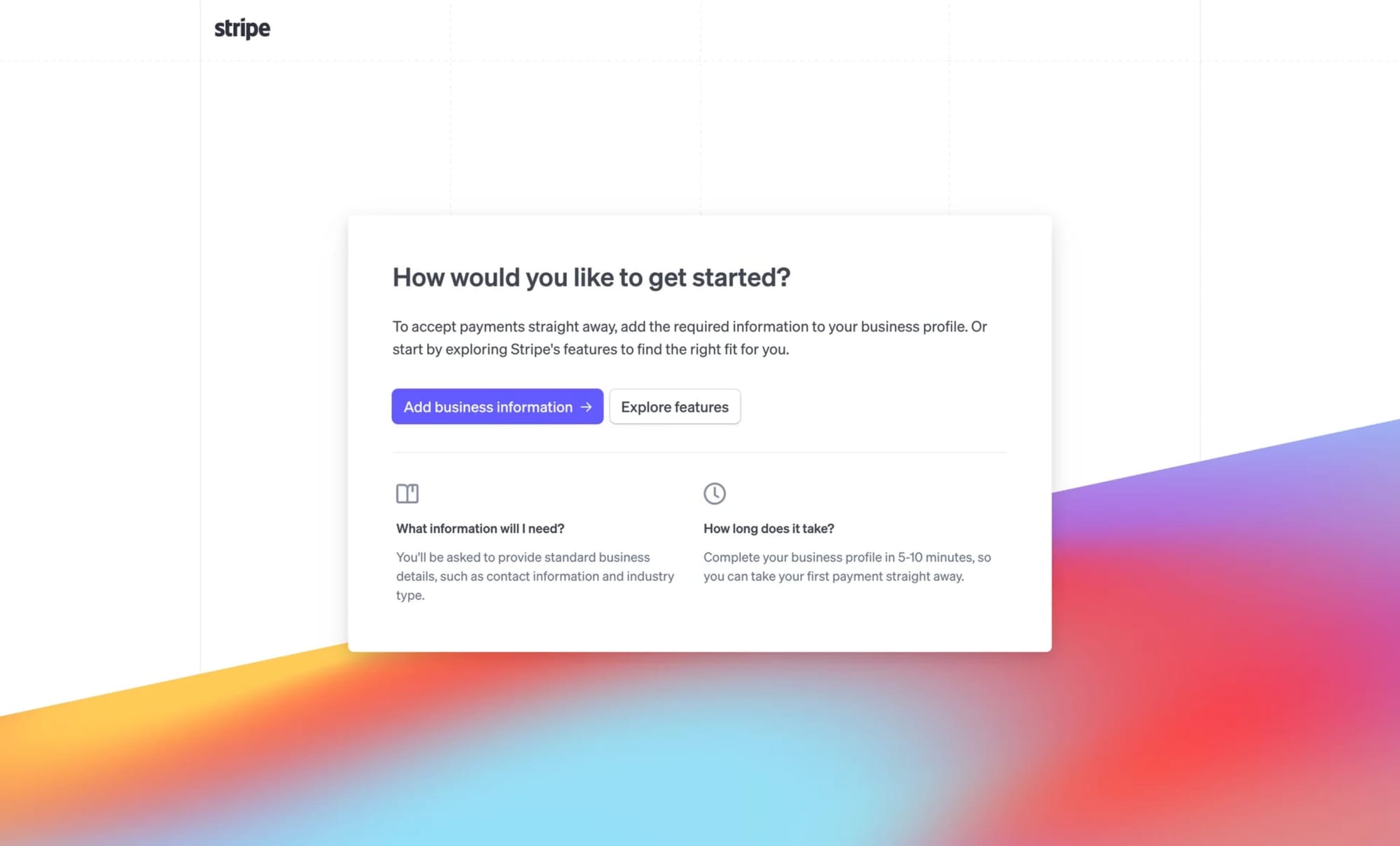
Stripe is a payment processor trusted by businesses worldwide, from small online stores to fast-growing SaaS platforms. Founded by Patrick and John Collison, it was built to make online payments simple, secure, and developer-friendly.
You can use Stripe for subscriptions, marketplace payouts (Stripe Connect), multi-currency transactions, and international payments, all through a flexible API that supports fully customizable checkout experiences.
It also provides tools for fraud prevention, analytics, and recurring billing, making it a solid choice for businesses that want both power and control.
The downside? The headline rate only covers card processing. Stripe Billing adds 0.7% for subscriptions, and disputes cost $15 each, plus another $15 if you contest one (refunded if you win).
Fees (US):
- Card payments: 2.9% + $0.30 USD
- International cards: +1.5%
- Currency conversion: +1%
- Instant Payouts: +1.5% (min 50¢)
3. PayPal
Best for: Small businesses, international ecommerce, buyer‑trusted checkout
PayPal's been around forever, and for good reason – it's one of the most trusted ways to send and receive money online.
Launched officially in 1999, it's now a global payments platform used by millions of merchants, with tools for online stores, mobile apps, and even peer-to-peer payments like Venmo.
You can accept payments from domestic and international cards, digital wallets, and more, making it simple to sell anywhere in the world. Its checkout is widely recognized by buyers, which helps reduce friction at payment time.
There are a couple of downsides to keep in mind, though. Disputes cost $15 each, or $30 once your dispute rate reaches 1.5%. And new sellers should expect holds: PayPal can keep payments for up to 21 days while you build a selling history.
Fees (US):
- PayPal/Venmo wallet payments: 3.49% + $0.49 USD
- Standard credit and debit card payments: 2.99% + $0.49 USD
- International transactions: +1.50%
- Currency conversion: 3.00% on received payments, rising to 4.00% for PayPal Payouts and buyer-side conversions
4. Adyen
Best for: Enterprise marketplaces and global platforms
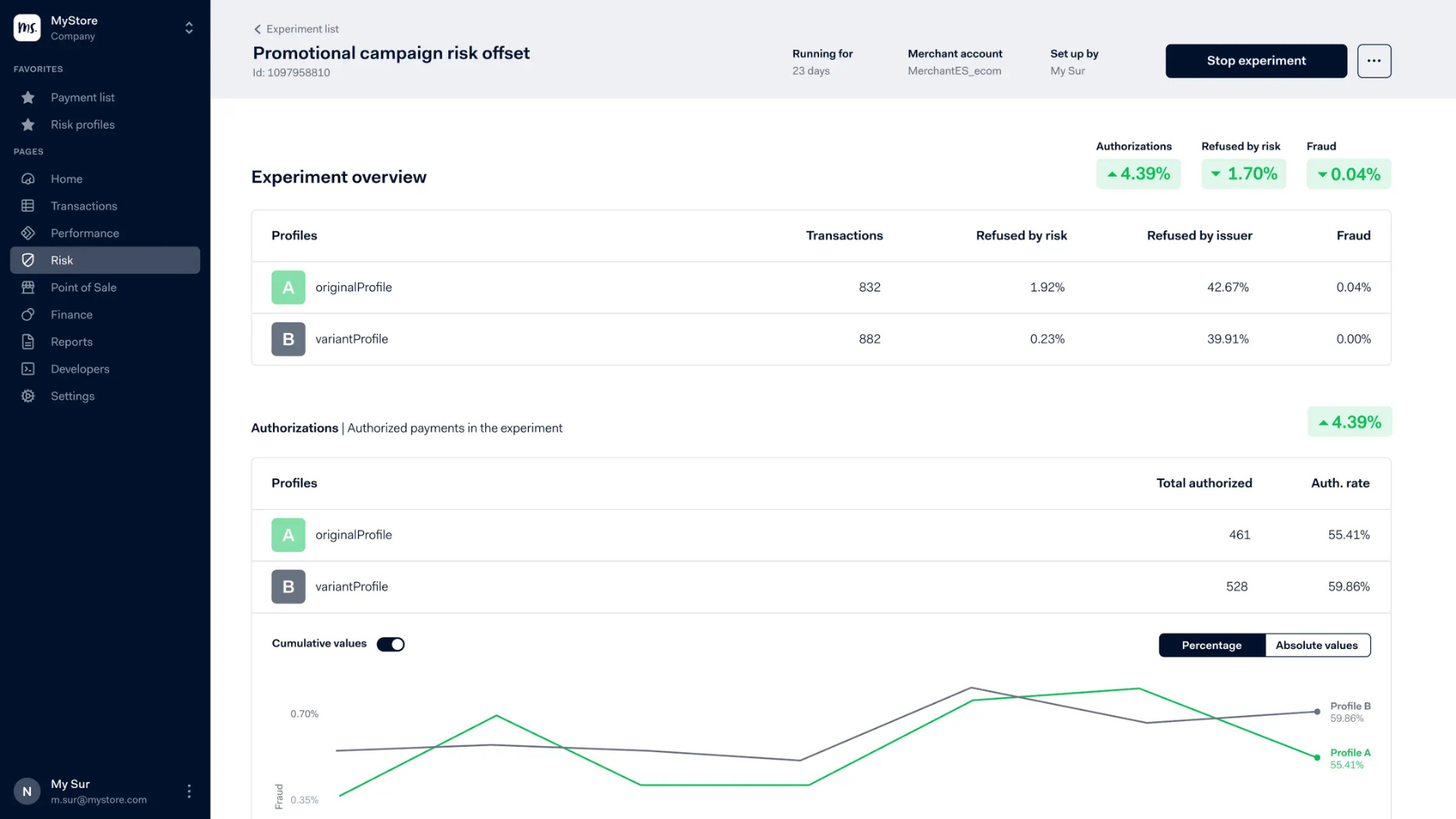
Adyen is a global payments powerhouse that supports businesses of all sizes, from online merchants to multi‑channel retailers. The company offers a unified platform for online, mobile and in‑store payments.
Adyen uses an Interchange++ model, which means you'll pay three separate fees: interchange, which goes to the bank that issued the customer card, the scheme fee, which goes to Visa or Mastercard, and Adyen's markup.
You'll pay a fixed processing fee (e.g., ~£0.11 in the UK) plus a variable payment‑method fee (often ~0.60% or more) depending on card type and region.
There are no setup or integration fees, but Adyen applies a minimum invoice depending on your industry and business model. With this, outbound fees and currency conversions can add up.
Fees:
- Fixed processing fee: $0.13 per transaction in the US and ~£0.11 in the UK
- Visa and Mastercard: fixed fee Interchange++ + 0.60% (Interchange varies by region, Adyen puts it around 0.3-0.4% in Europe and 2% in the US)
- Setup/monthly fees: None, although minimum invoice applies depending on industry and business model
5. Square
Best for: Omnichannel retail, small‑to‑medium ecommerce, POS + online
Square, owned by parent company Block, started with a simple idea: let anyone accept card payments without a traditional merchant account. Now, it's grown into a full financial ecosystem for small-to-medium businesses.
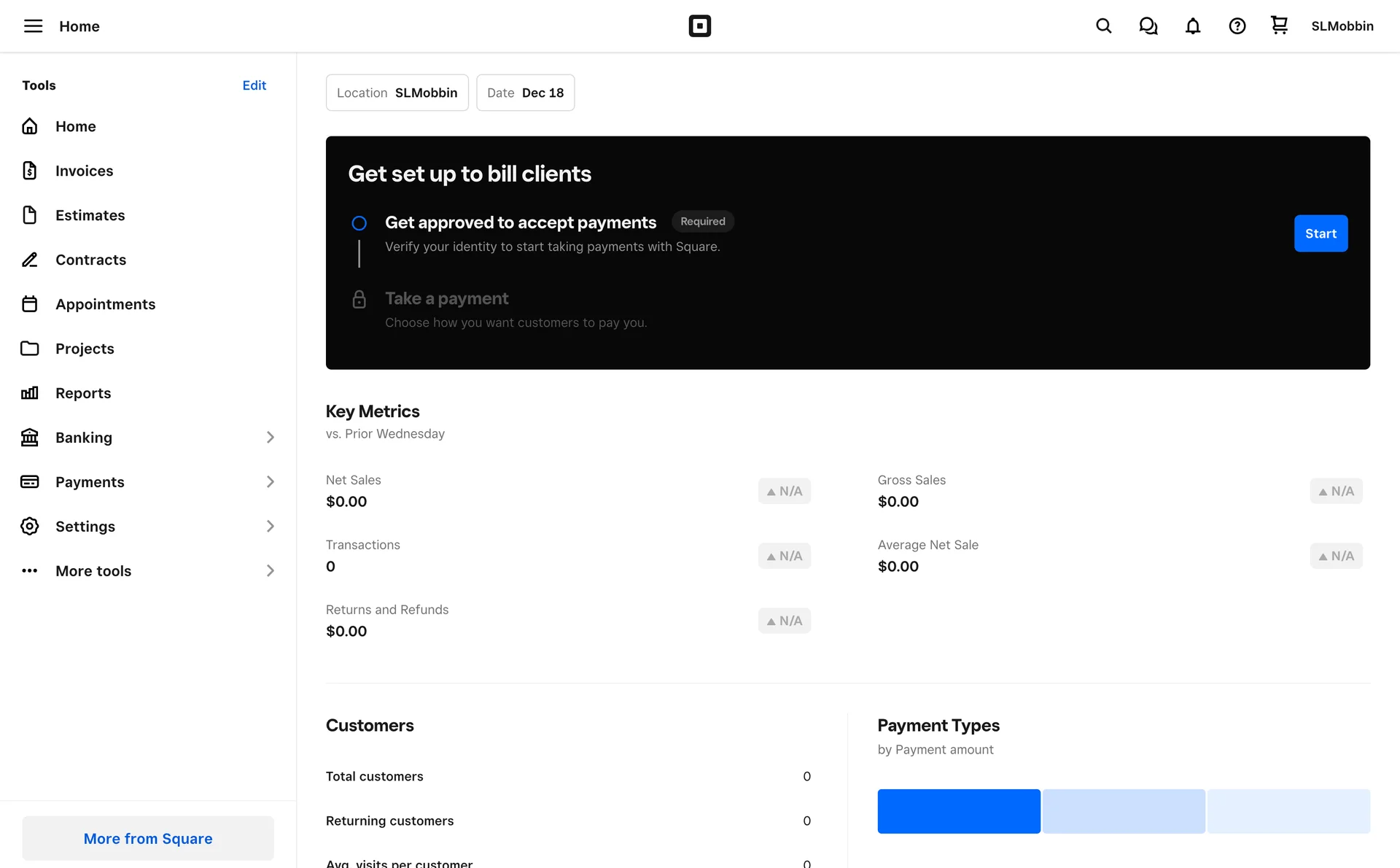
With Square, you can accept in-person, online, and mobile payments, manage inventory, run loyalty programs, and even handle payroll. It's especially popular with retail and food businesses that need omnichannel solutions in one platform.
Fees (US):
- Card payments (in-person, swipe/dip/tap): 2.6% + $0.15 USD (Free plan), 2.5% + $0.15 (Plus), 2.4% + $0.15 (Premium)
- eCommerce API / custom website: 2.9% + $0.30
- Square Online, Checkout, payment links, and invoices: 3.3% + $0.30 USD (Free plan) or 2.9% + $0.30 USD (Plus/Premium plans)
- Manually keyed or card on file: 3.5% + $0.15 USD on every plan
- ACH / bank transfers: 1% per transaction ($1 min; capped at $10 on Plus and Premium, $5 via API)
Just like Stripe, Square's rates change depending on the country.
6. Worldpay
Best for: Mid-market and enterprise-level businesses processing high volumes globally
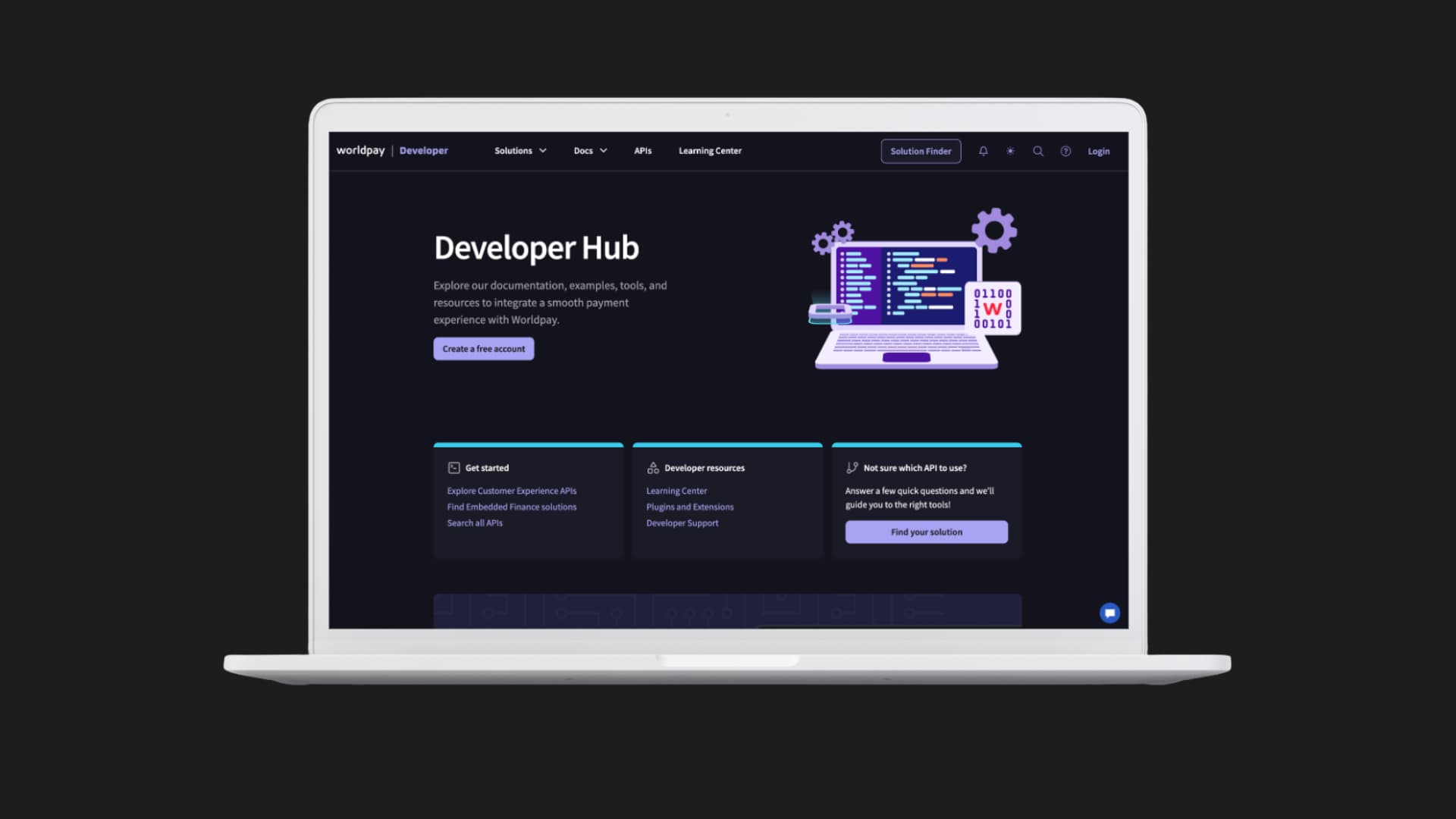
Worldpay is an enterprise-level global payment processor, offering omnichannel payment solutions. In January 2026, Global Payments completed its acquisition of Worldpay, forming a leading pure-play merchant solutions company. The combined entity now serves merchants across 175+ countries in 153 currencies.
It provides access to a wide range of card networks and local payment methods, alongside multi-currency pricing so customers can pay in their own currency. It's built for high transaction volume and offers smart routing, fraud prevention, and dispute management.
Integrations range from developer APIs to low-code and hosted solutions. Worldpay also supports subscriptions, payment links, and embedded finance for platforms.
Fees:
- Worldpay uses custom pricing negotiated per merchant – there's no public rate card. A $35 monthly minimum fee applies from January 2026. Contact their sales team for a quote based on your volume and business type.
7. Fiserv
Best for: Enterprise merchants, banks, and software platforms that need end-to-end acquiring infrastructure
If you've ever used Clover (also included on this list), you've already used Fiserv, just perhaps without realizing it. Fiserv owns Clover, but the company itself is a major payment processor, sitting underneath a huge slice of US card acquiring.
By its own numbers, Fiserv touches more than a third of US payment volume and runs around 10,000 transactions per second with peaks over 25,000. It works with over a thousand bank partners.
It runs through Commerce Hub, a single API layer covering onboarding, acceptance, payouts, and value-added services for enterprises, ISVs, and financial institutions.
There's a significant trade-off, though, and it's not unusual in enterprise services. There's no off-the-shelf signup, so you'd have to speak to a sales representative to set up a custom contract.
Fees:
- Fiserv uses custom, negotiated pricing with no public rate card. Rates depend on volume, business type, and which products you use.
8. PayPal Enterprise Payments (formerly Braintree)
Best for: Merchants who have outgrown a hosted checkout but still want PayPal and Venmo as payment options
Braintree (now PayPal Enterprise Payments) is PayPal's processor – and it's a different product from the PayPal button you see in checkout pages.
It handles cards, PayPal, Venmo, Apple Pay, and Google Pay through a single integration, on your own checkout with your own branding.
Venmo acceptance is one of the biggest reasons merchants choose Braintree, since it treats Venmo as just another payment method. The pricing of Braintree is straightforward: a flat card rate with separate rate cards for other markets if you sell outside the US.
Fees (US):
- Card transactions: 2.89% + $0.29 (cards issued outside the US: +1%. Non-USD transactions: +1%)
- Venmo: 3.49% + $0.49
- ACH: 0.75% (capped at $5.00). Same-day ACH: 1.5% + $0.10
- Chargebacks: $15.00
9. Amazon Pay
Best for: DTC brands in the US, Europe, or Japan that want a one-click wallet for the millions of shoppers who already have a card saved with Amazon
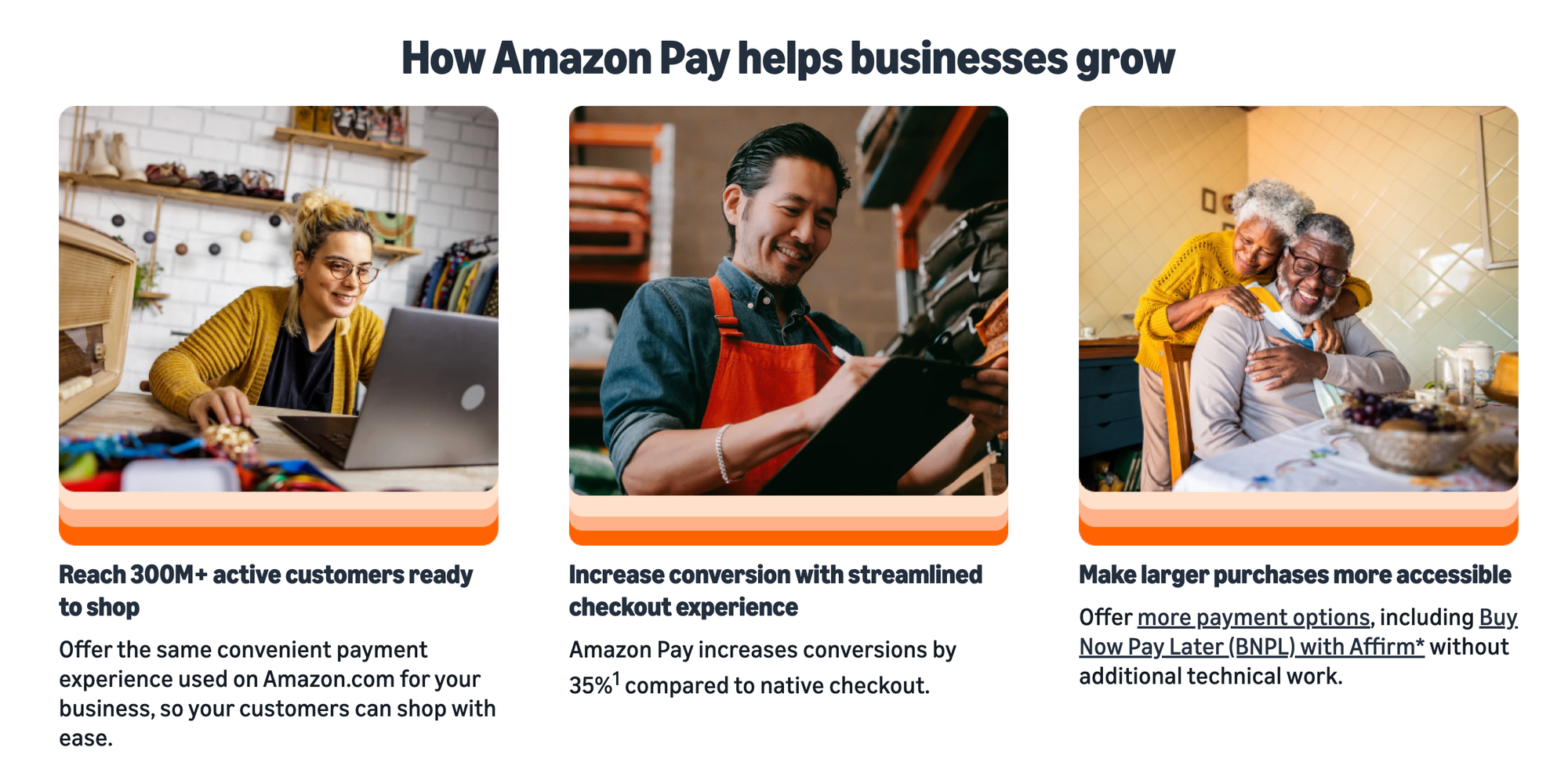
Amazon Pay lets customers check out on your site using the address and card already stored in their Amazon account.
It's a checkout wallet, not a full processor, so it plugs into your existing stack and sits alongside your primary gateway as an additional payment option.
The familiarity and speed can be a huge plus – shoppers who hesitate to type a card number into an unfamiliar store will happily click an Amazon button, and Amazon covers eligible transactions under its A-to-z Guarantee, so buyers feel protected.
Funds land in your bank in one to two business days on the standard schedule, and eligible US merchants can turn on Express Payout to be paid within 24 hours, including weekends, at no extra cost.
But your business needs to be registered in one of just 18 countries (the US, UK, Japan, and a list of Western European markets), it only supports 12 currencies, and the cross-border rate is steep.
It won't replace your processor, and it won't help you reach customers who aren't already in the Amazon ecosystem.
Fees (US):
- Domestic web and mobile transactions: 2.9% + $0.30
- Cross-border transactions (card issued outside the US): 3.9% + $0.30
- Disputed chargebacks: $20 (only if you contest a claim the Payment Protection Policy doesn't cover)
- Setup or monthly fees: None listed
10. Checkout.com
Best for: Digital‑native enterprises, global online merchants
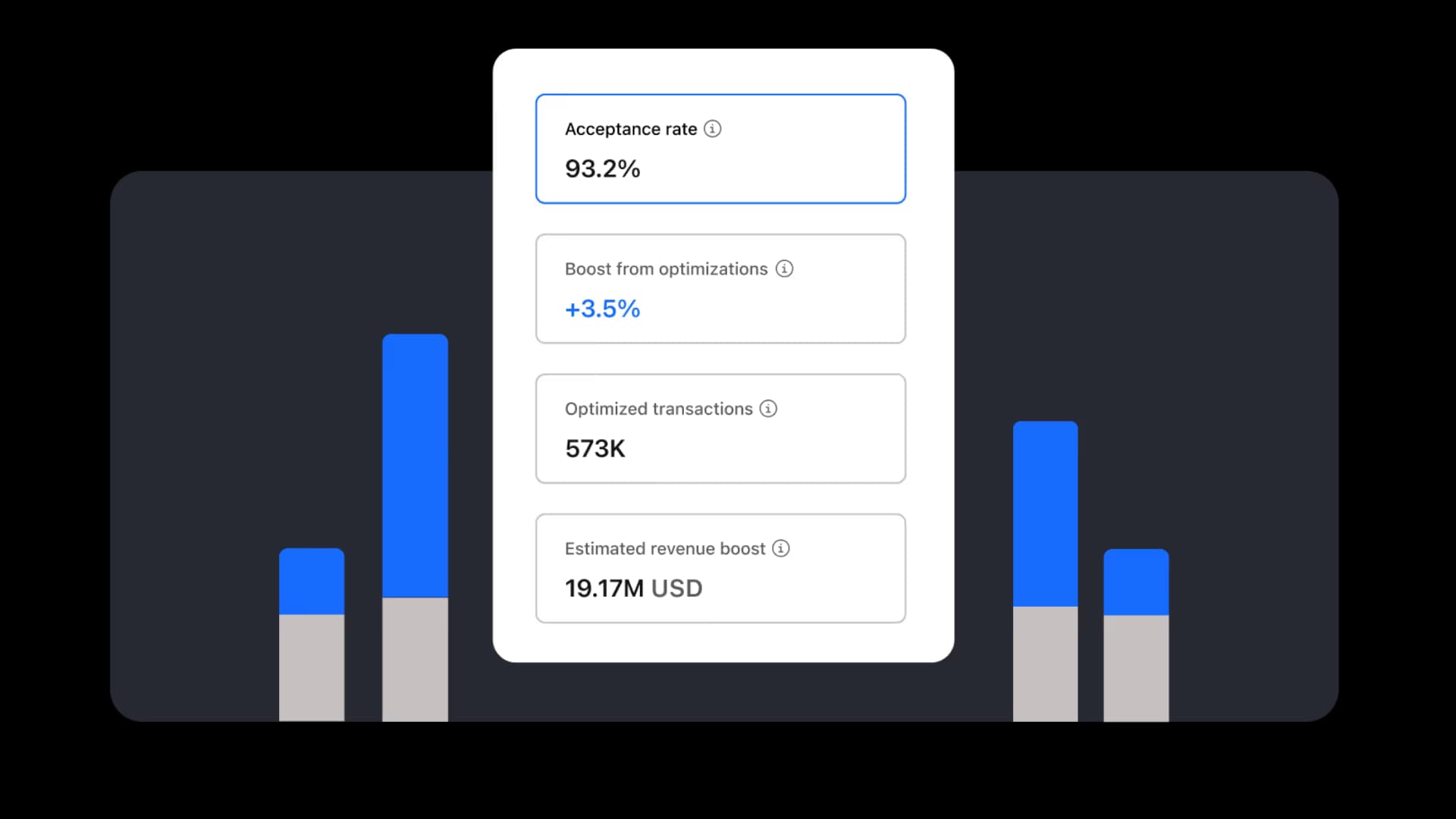
Checkout.com is built for global online sellers who need speed, flexibility, and multi-currency support. It handles payments across 150+ currencies and dozens of local payment methods, making it a solid choice for merchants selling across borders.
Its platform includes real-time analytics, fraud protection, and customizable payment flows, which is why fast-growing ecommerce brands and marketplaces rely on it to manage complex global payments.
The drawback is that you can’t see what you’ll pay upfront. Checkout.com doesn’t publish rates, so you’ll need to talk to its sales team and get a quote based on your business profile and risk category before you can compare it with other options.
Fees:
- Checkout.com doesn't have set rates since pricing is quoted per merchant, based on the business profile and risk category
- Merchants can be quoted either a flat blended rate or Interchange++
- Checkout.com doesn't have setup or account maintenance fees
11. Rapyd
Best for: Platforms, marketplaces, and larger merchants that want one API for pay-ins, payouts, multi-currency wallets, and card issuing across many countries
Rapyd is a single integration that gives you card acquiring, 900+ local payment methods across 182 markets, global payouts to 190+ countries, virtual accounts, and issuing.
It's a directly licensed Visa and Mastercard acquirer in the UK, EEA, and Singapore, and its acquisition of PayU's global operations, agreed in 2023, added local processing across Latin America.
The downsides are that this is enterprise-grade tooling, and it's priced like it.
Card acquiring is on an Interchange++ model with the acquirer margin quoted by sales, you need a legal entity in one of roughly 60 supported countries, and settlement typically runs 2–10 days with a $100 minimum.
Integration is heavier than with other PSPs, so it makes the most sense once you have engineering resources and real cross-border volume.
Fees:
- Card acquiring (global, UK, EU, US): Interchange++ – interchange 0.20%–1.80% + scheme fees 0.02%–0.65% + Rapyd's acquirer fee (quoted)
- Published local rates in Latin America: Chile 3.49%; Colombia 3.29% + COP 300; Peru 3.40% + PEN 0.69
- Chargeback and FX fees: Custom (not published)
- Inactivity fee after 6+ months without sales: applies in some regions (e.g., $30/month in Chile, Peru, and Panama)
12. Authorize.net
Best for: North American businesses looking for a traditional payment gateway with fraud tools included
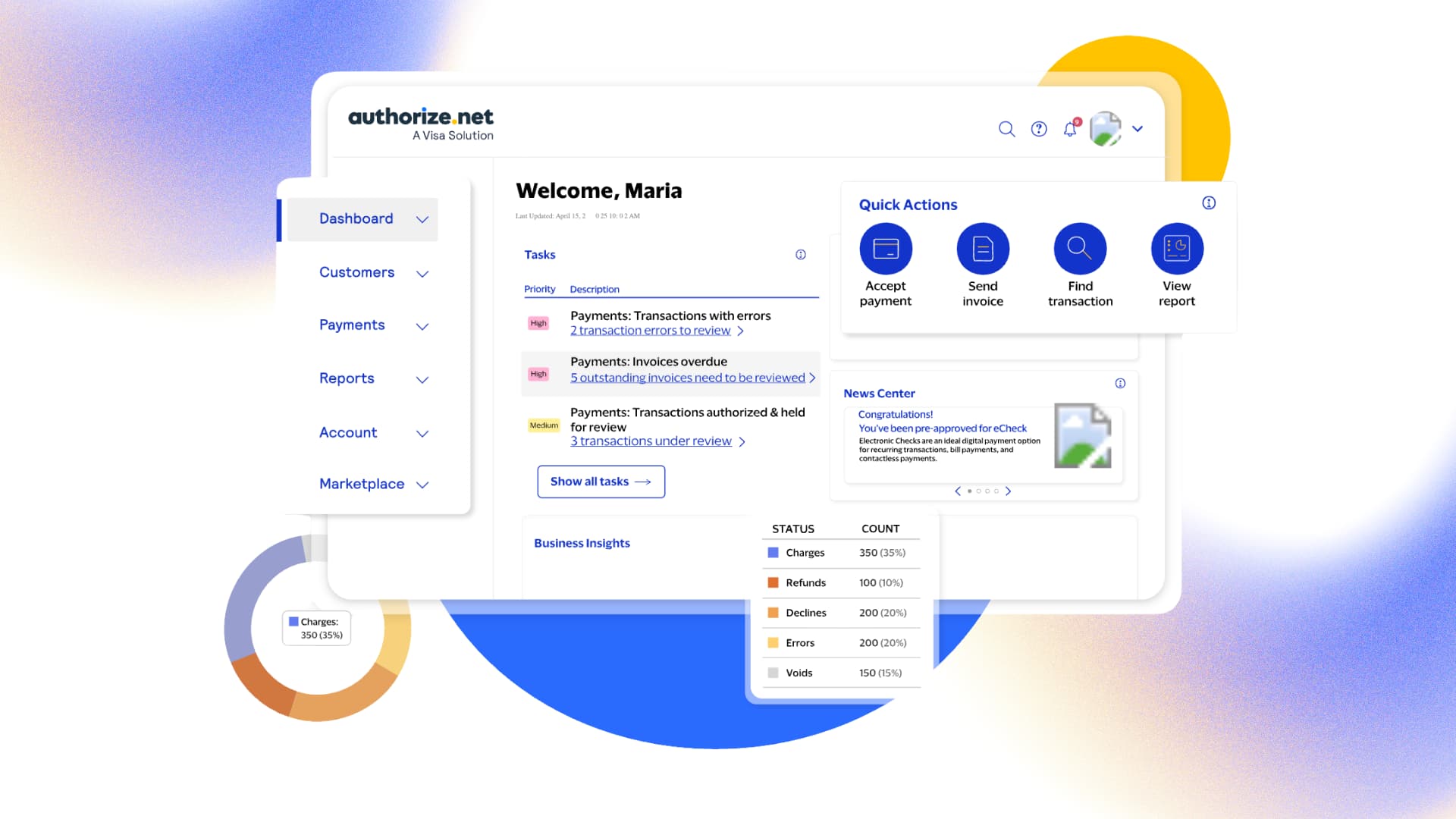
Authorize.net is a well-known, US-based payment gateway owned by Visa that lets businesses accept online, invoiced, and recurring payments.
It supports credit cards, digital wallets, and ACH; sellers can use it as an all-in-one solution or as a gateway connected to an existing processor.
Authorize.net is available to businesses in the United States and Canada, so it's more regionally focused than global-first options like Whop, Stripe, or Adyen.
Fees:
- All-in-one plan (gateway + merchant account): $25/month + 2.9% + 30¢ per transaction
- Gateway Only: $25/month + 10¢ per transaction + 10¢ daily batch fee
- Gateway + eCheck: $25/month, eCheck at 0.75% ($10 minimum monthly fee), plus the same 10¢ per card transaction and 10¢ daily batch fee
- Account Updater: $0.25 per update. eCheck chargebacks $25
- Setup or early termination: None
13. Elavon
Best for: Brick-and-mortar businesses, franchises, hospitality, and enterprises that want traditional bank-backed processing

Elavon is a well-known payment processor owned by U.S. Bank. It’s designed for businesses seeking tools like POS terminals, online checkout, hosted gateways, and standard bank settlement (rather than a modern, platform-first stack).
In-person, online, mobile, mail and phone payments are all supported by Elavon, with tools for reporting, fraud prevention, PCI compliance, and chargeback handling.
It also offers value-added services like business funding, industry-specific POS integrations, and 24/7 phone support, which makes it popular with retailers, restaurants, service businesses, and larger enterprises.
What Elavon does lack, however, is flexibility. Pricing and onboarding follow a traditional model, with contracts and negotiated rates.
Fees (US):
- In-person: starting at 2.60% + 10¢ per qualified swipe or chip transaction
- Online: starting at 2.90% + 30¢ per qualified transaction
- No annual fee, no batch fee, no authorization fee, no cancellation fee
14. Worldline
Best for: European enterprises, merchant infrastructure, large‑scale terminal networks
If you're operating in multiple European markets and need a payments partner with serious scale and legacy credibility, Worldline checks that box.
Worldline excels in merchant acquiring, terminal networks, multichannel payments, and cross‑border flows, including support for local European payment methods, A2A (account-to-account) solutions, and complex enterprise integrations.
Its fee structures tend to lean enterprise‑grade, often using Interchange+ or Interchange++ models and requiring tailored contracts.
For example, its UK "Full Service Online Payments" model lists a monthly fee (£29) plus tiered domestic and regional rates.
If you're scaling across Europe, handling multiple currencies, or require enterprise‑grade merchant services with local presence, Worldline is a valid contender. Just expect a more complex pricing model and potentially longer contracts than smaller‑scale processors.
Fees:
- Online gateway model (UK example): £29/month, including 300 free transactions a month, then £0.10 per transaction
- European merchant schedule: Interchange + Scheme model with complex variables; public "Indicative Card Scheme Fee Rates" show base scheme fees (e.g., €0.0009 per transaction, up to 0.0200% for some card types) for EEA domestic.
15. Shopify Payments
Best for: Shopify merchants who want a way to process payments without extra fees (only works within Shopify's ecosystem)
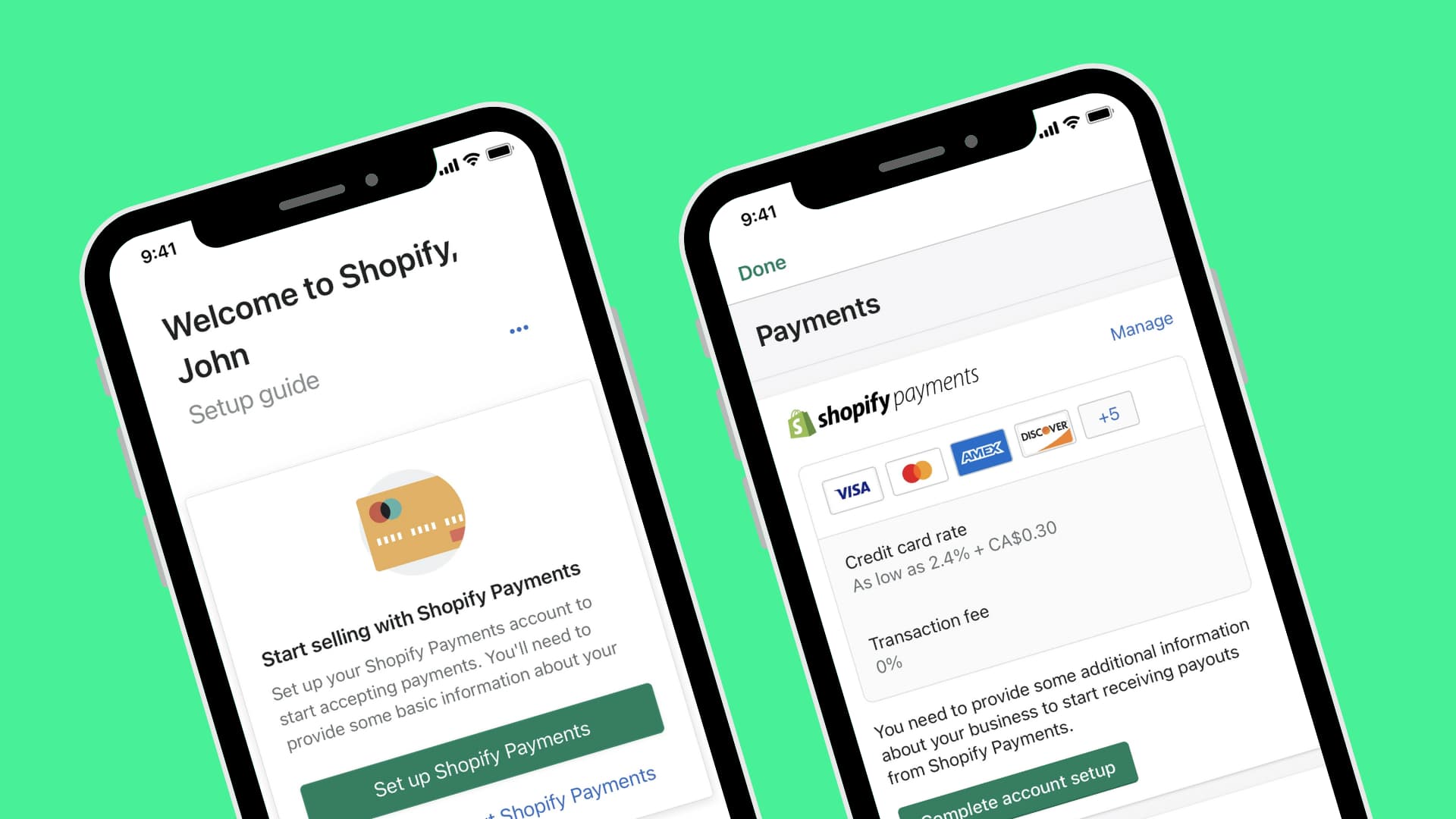
Shopify Payments is Shopify's own processor, allowing Shopify merchants to accept payments through their online store.
It's handy because it lets you start accepting and processing payments without having to set up third-party tools or services, but it only works through the Shopify network (so you can't use it to process payments on another platform or marketplace).
Still, sellers can use Shopify Payments and avoid extra costs that come from running payments through a third party, making it a good option for small-scale sellers only operating on Shopify.
Fees (for Basic, see other Shopify Payments pricing tiers here):
- Card processing: 2.9% + 30¢ on standard cards (Visa, Mastercard, Discover, Diners)
- Premium cards: American Express and business cards are charged at a higher rate
- In-person payments (POS): 2.6% + 10¢
- Setup/monthly fees: None on top of your existing Shopify account fees
16. Klarna
Best for: Online retailers who want to offer installment payments at checkout
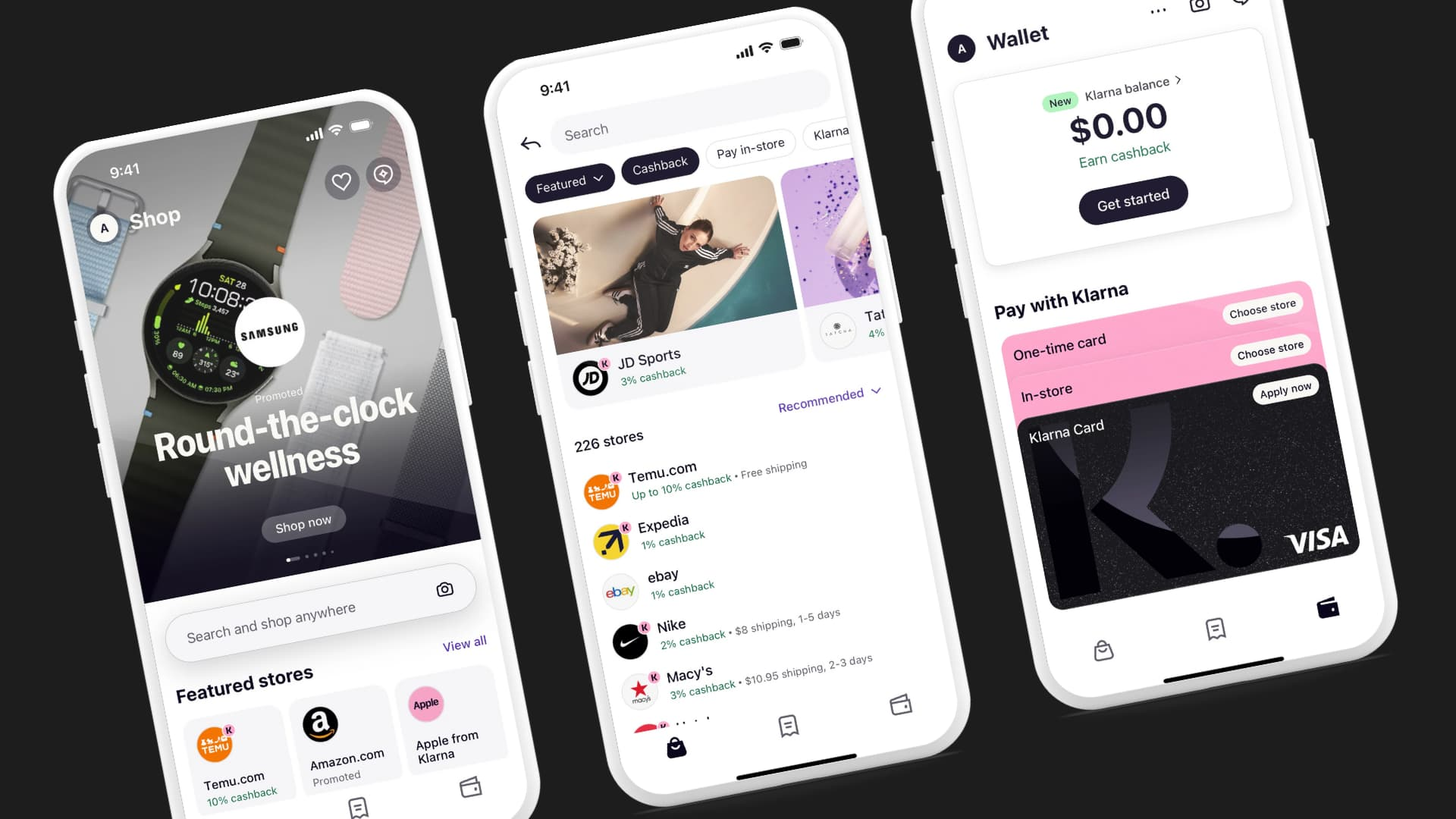
Klarna is one of the most popular BNPL (Buy Now, Pay Later) providers that gives the BNPL option to your customers alongside your existing card processing. The main promise of Klarna is that after customers split their purchases into installments, you get paid upfront in full while Klarna has the risk covered and chases repayments.
Klarna offers multiple products at checkout like pay in full, pay in installments, pay in 30 days, and long-term financing. Which ones you can offer depends on your market and your agreement.
One thing that stands out about Klarna is the higher-than-most card rate.
Fees (US):
- Klarna Payments: 5.99% + $0.30 per transaction – Klarna's published standard US rate, charged as one blended fee across its pay-later options
- Klarna separates domestic from cross-border transactions, and charges the fixed fee in the currency of your shopper's market rather than your own
17. Skrill
Best for: iGaming, trading, and gaming platforms, and any business that both collects payments and pays out to users in multiple currencies
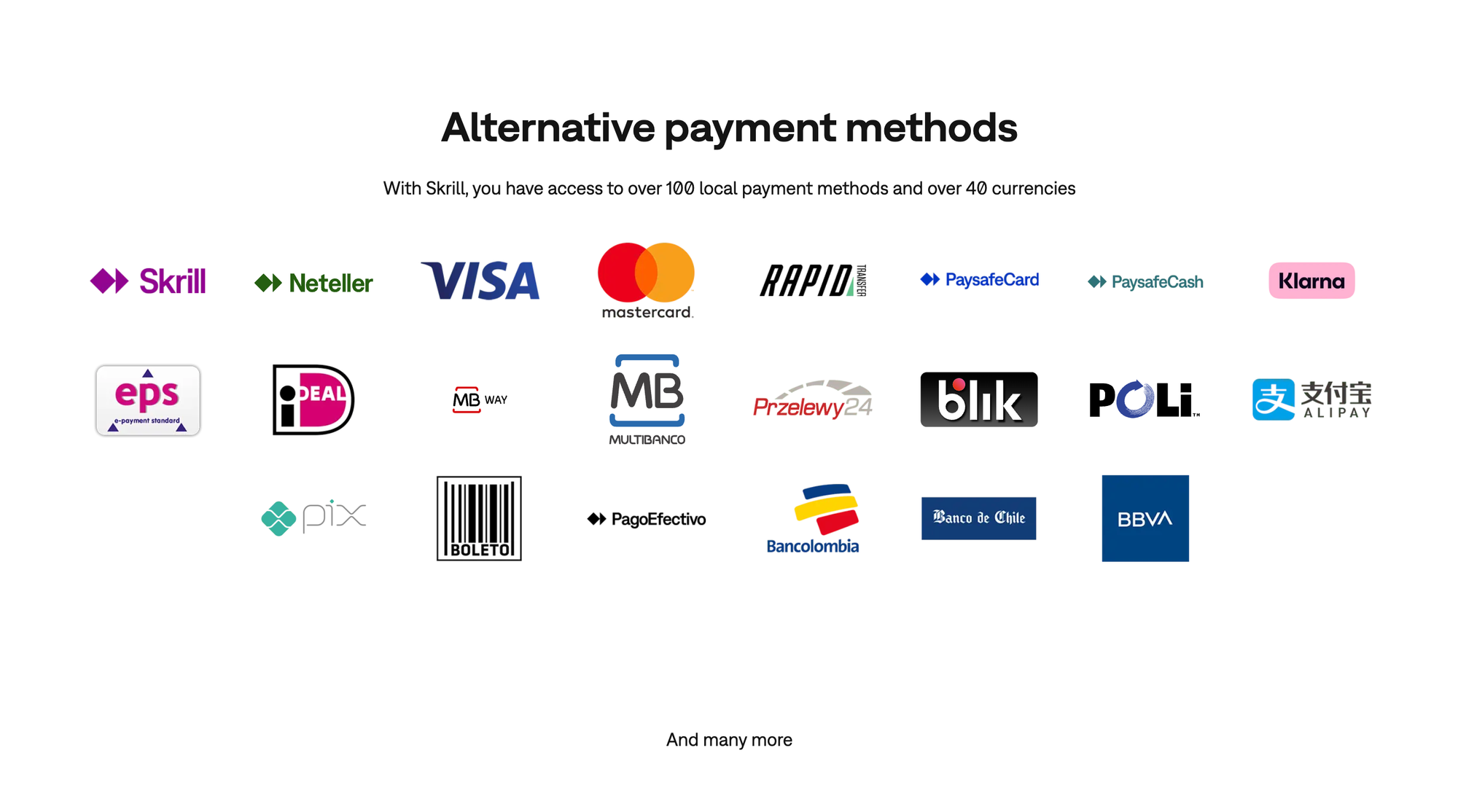
Skrill is the digital wallet brand of Paysafe, the London-headquartered payments group that also owns Neteller and paysafecard.
For consumers it's a wallet; for merchants it's a way to accept payments from that wallet's user base and to pay out to them, in 40+ currencies, with chargeback protection included on wallet transactions.
In August 2026 Paysafe launched the Skrill Business platform, which bundles pay-ins (cards, wallets, and local methods), global payouts including SEPA, a multi-currency wallet with treasury tools, and FX into one merchant account.
It shines in the verticals mainstream processors avoid (or price harshly), like online gambling, forex and CFD trading, and games.
Merchant pricing isn't published anywhere: you apply for an account and Paysafe prepares an offer.
Fees:
- Merchant processing rates: Custom – quoted after you apply for a merchant account
- Account opening and setup: None
- Chargeback protection on wallet payments: Included
18. WooPayments
Best for: WooCommerce store owners who want fully integrated payment processing without leaving their WooCommerce dashboard
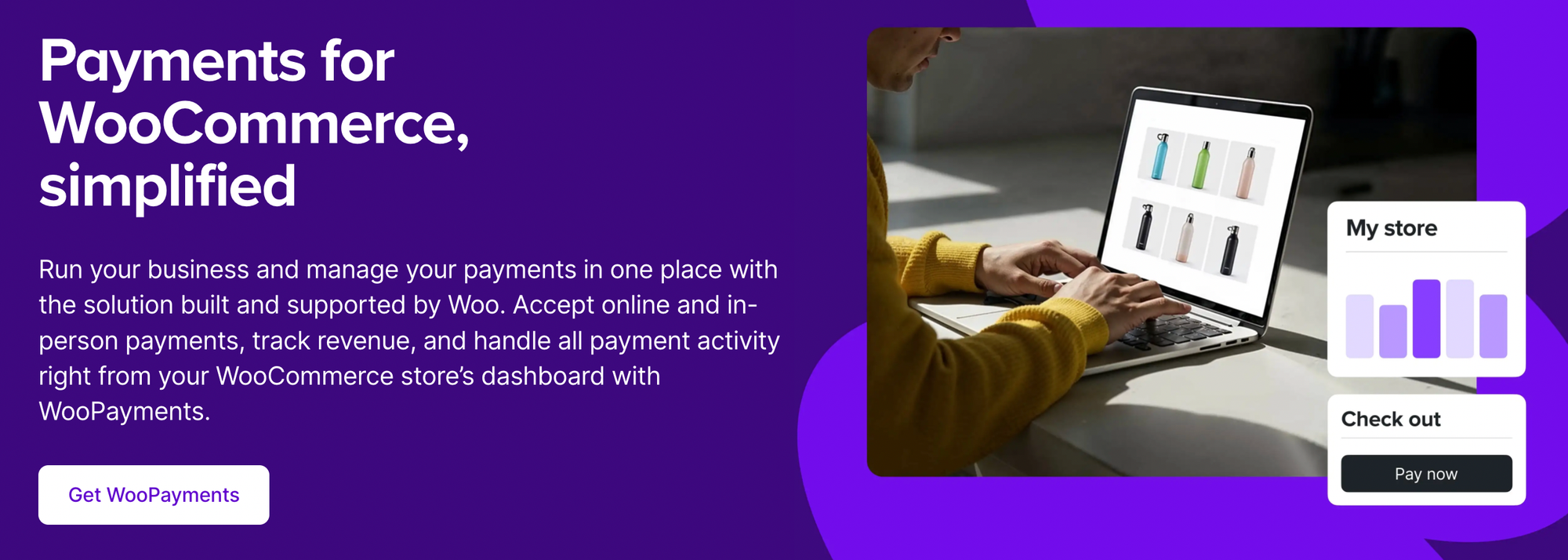
WooPayments is the official built-in payment processor for WooCommerce. It lets WooCommerce merchants accept payments, manage transactions, handle disputes, and track payouts directly from their WooCommerce dashboard, without needing to log into a separate payment processor.
It supports major credit and debit cards, Apple Pay, Google Pay, and local payment methods including iDEAL, Bancontact, and P24. You can also accept in-person payments for orders placed online using WooPayments and a card reader. WooPayments supports payments in 135+ currencies and is available to merchants in 35+ countries.
The biggest caveat: WooPayments only works within the WooCommerce ecosystem. If you sell on multiple platforms or want to move away from WooCommerce, you'll need a different processor.
Fees (US):
- Card processing: 2.9% + $0.30 (+1.50% for international payments)
- In-person fees: 2.7% + $0.10, plus $5.00 per active card reader per month
- Currency conversion: +1% where the payment currency differs from your payout currency
- Subscriptions: +1% on any order containing a subscription payment
- Instant payouts: +1.5% of payout amount
- Setup/monthly fees: None
19. Airwallex
Best for: Larger-scale businesses that need to process cross-border payments in multiple currencies
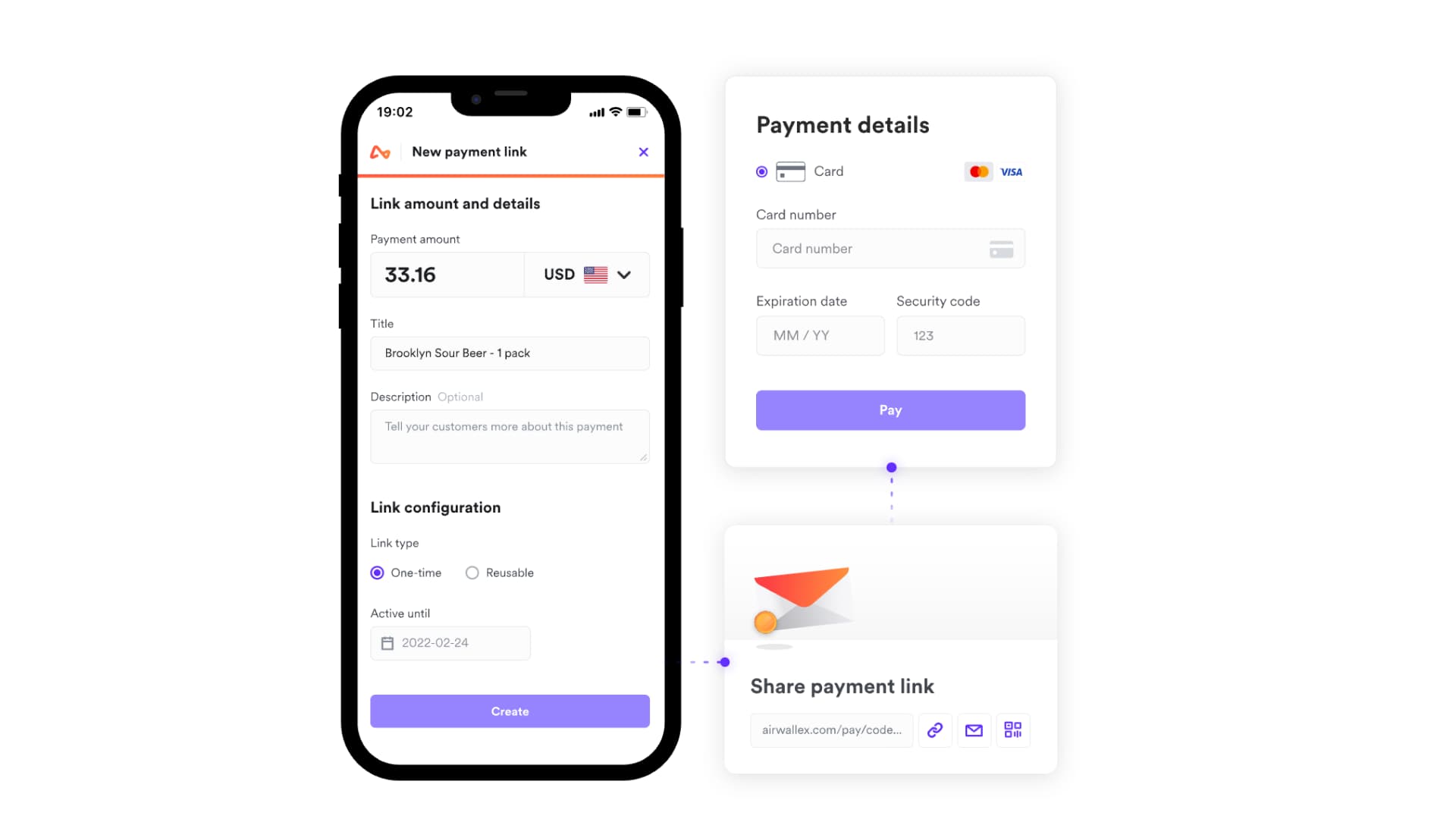
Airwallex is a global payments and financial services platform.
It helps businesses manage international payments, foreign exchange, spending, and payment acceptance from one place.
If you're selling across borders (or deal with multiple currencies), Airwallex lets you open multi-currency accounts, hold funds in different currencies, send transfers to 120+ countries, and convert currencies without using a traditional bank.
Airwallex supports domestic and international credit/debit cards, Apple Pay, Google Pay, and 160+ local payment methods. It also supports recurring billing, subscription management, payment links, and custom checkout integrations.
The fees, though? They're pretty steep.
Fees (US, Explore plan):
- Domestic card processing: 2.8% + $0.30
- International cards: 4.30% + $0.30
- Local payment methods: $0.30 + payment method fees
- Subscriptions: 0.50% per successful card transaction
20. Payoneer
Best for: Cross-border sellers and freelancers who get paid by marketplaces and clients in several currencies, plus SMBs that want a simple hosted checkout on top of that
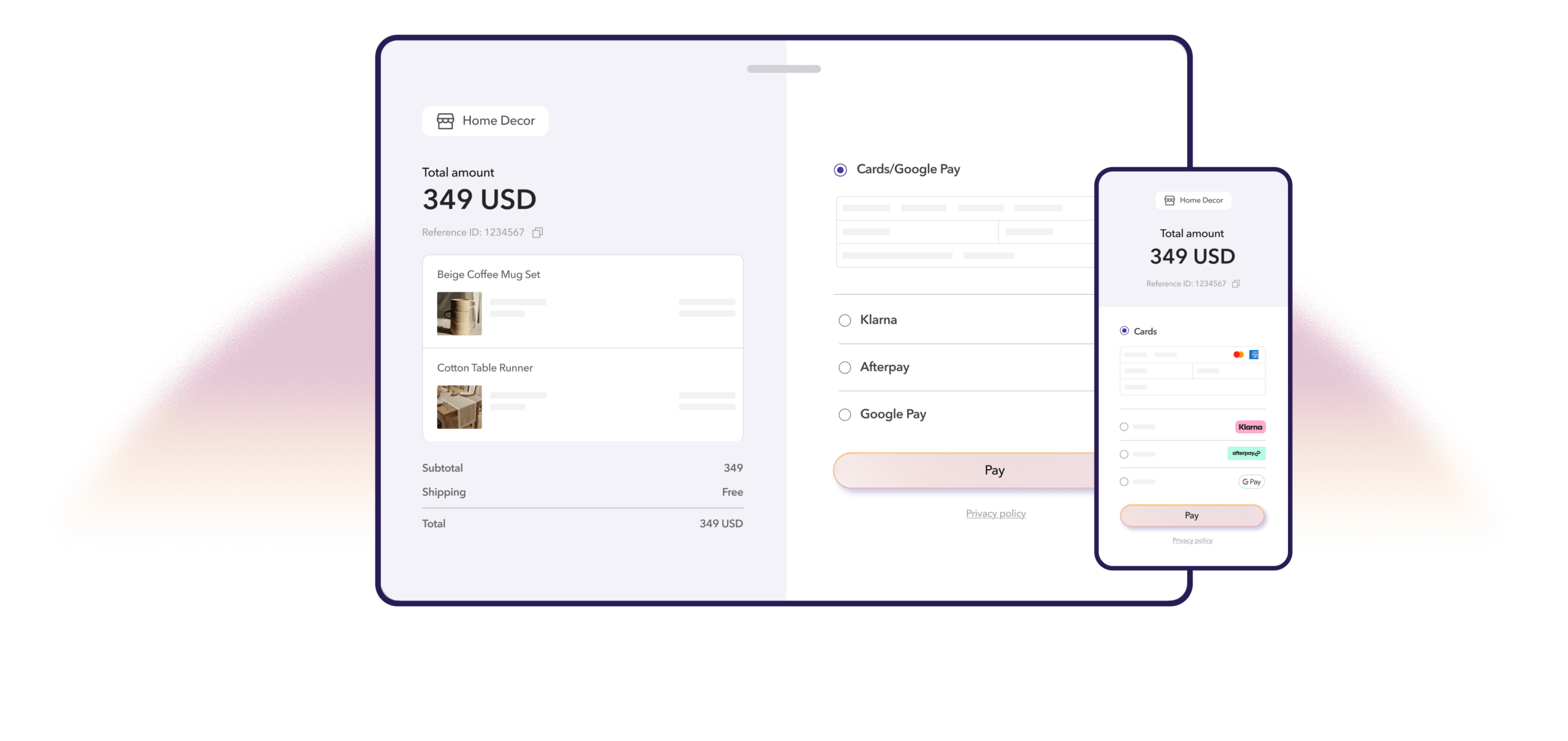
Payoneer is best known as a platform for marketplace sellers and freelancers to receive payouts from platforms like Amazon, Upwork, and Fiverr in 190+ countries and territories.
Payoneer Checkout adds card and local payment acceptance for your own store, with Shopify, WooCommerce, and Magento plugins and settlement to your Payoneer balance on a T+2 basis.
It's a natural fit if you already run your receivables through Payoneer and don't want a separate processor. But the trade-off is that pricing is layered rather than flat.
Heads up: Payoneer agreed in June 2026 to be acquired by Nuvei, with the deal expected to close in mid-2027. Worth watching if you're signing a long contract.
Checkout rates are quoted per account and published only as "up to" figures, withdrawals to a bank in a different currency carry an FX charge, and there's an annual fee if you receive less than $6,000 in a year.
Fees:
- Payoneer Checkout card payments: up to 3.99% (quoted per account), international transactions up to +1.8%, currency conversion up to 3.5%
- Receiving a card payment from a client: 3.2% + $0.49; US ACH bank debit: 1%
- Receiving from another Payoneer account or in your local currency: Free
- Withdrawal to a bank in a different currency: 1%–4% depending on region and volume
- Annual account fee: $29.95 if you receive under $6,000 in 12 months
21. Mollie
Best for: European businesses wanting wide local payment method coverage and multi-currency payouts without contracts
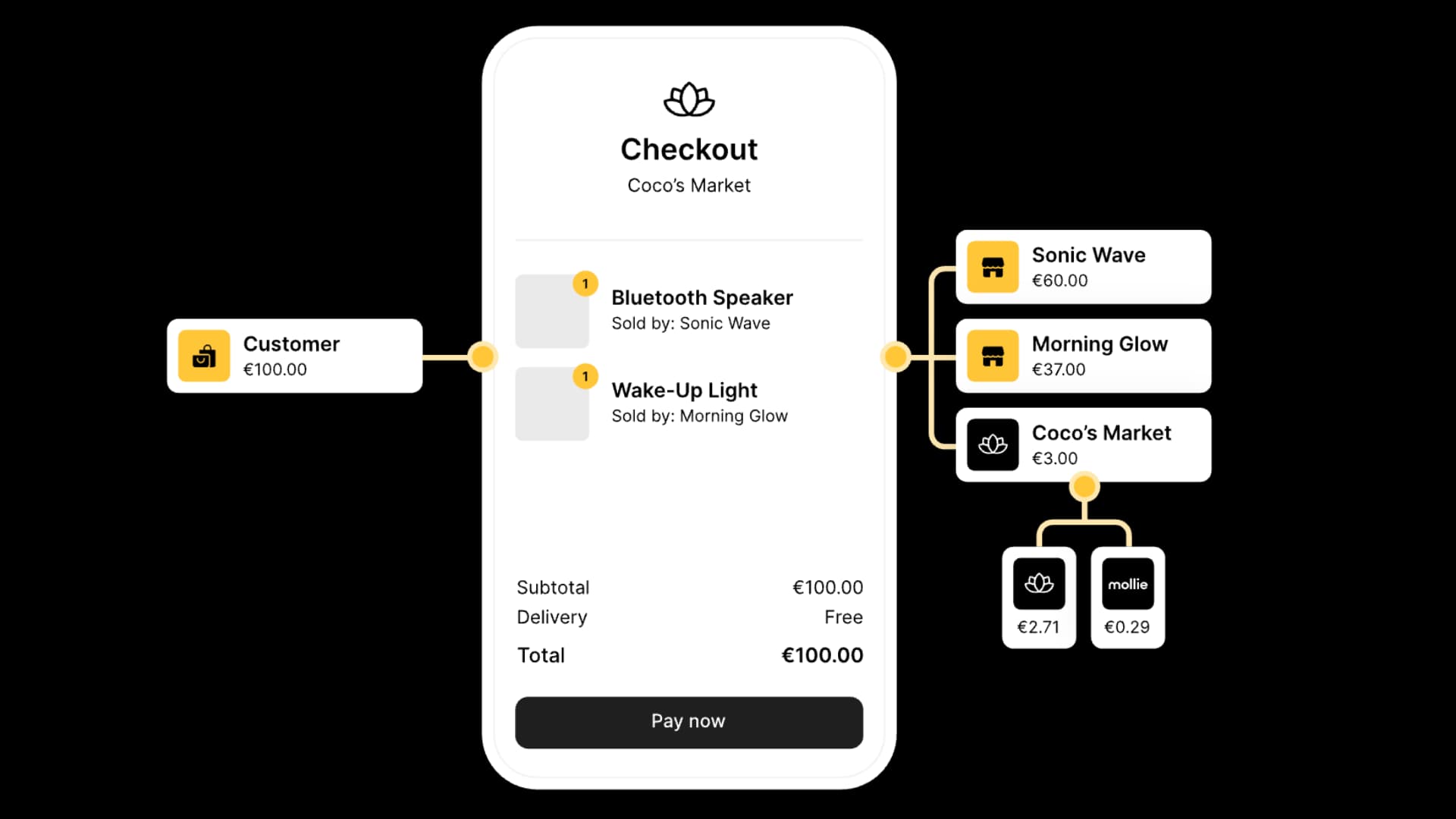
Mollie is a European payment processor available in the European Economic Area (EEA), United Kingdom, and Switzerland, that supports 35+ local and global payment methods.
It's particularly popular among ecommerce brands in the EU, and processes payments via card, SEPA, iDEAL, Bancontact, Klarna, Apple Pay, and other local methods.
Mollie also supports multi-currency payments and payouts: you can add up to 11 payout currencies. If you receive a payment in a currency you haven't chosen to enable, it's automatically converted to your primary currency before being paid out.
Fees (online payments):
- EEA consumer cards: 1.80% + €0.25
- EEA commercial cards: 2.90% + €0.25
- Non-EEA cards: 3.25% + €0.25
- American Express: 2.90% + €0.25
- SEPA Direct Debit: €0.35
- SEPA Bank Transfer: €0.25
- Currency conversion: 1% of the payout amount
22. Razorpay
Best for: Online businesses and companies (particularly those based in India) looking for a payment gateway with lower headline pricing and dev tools
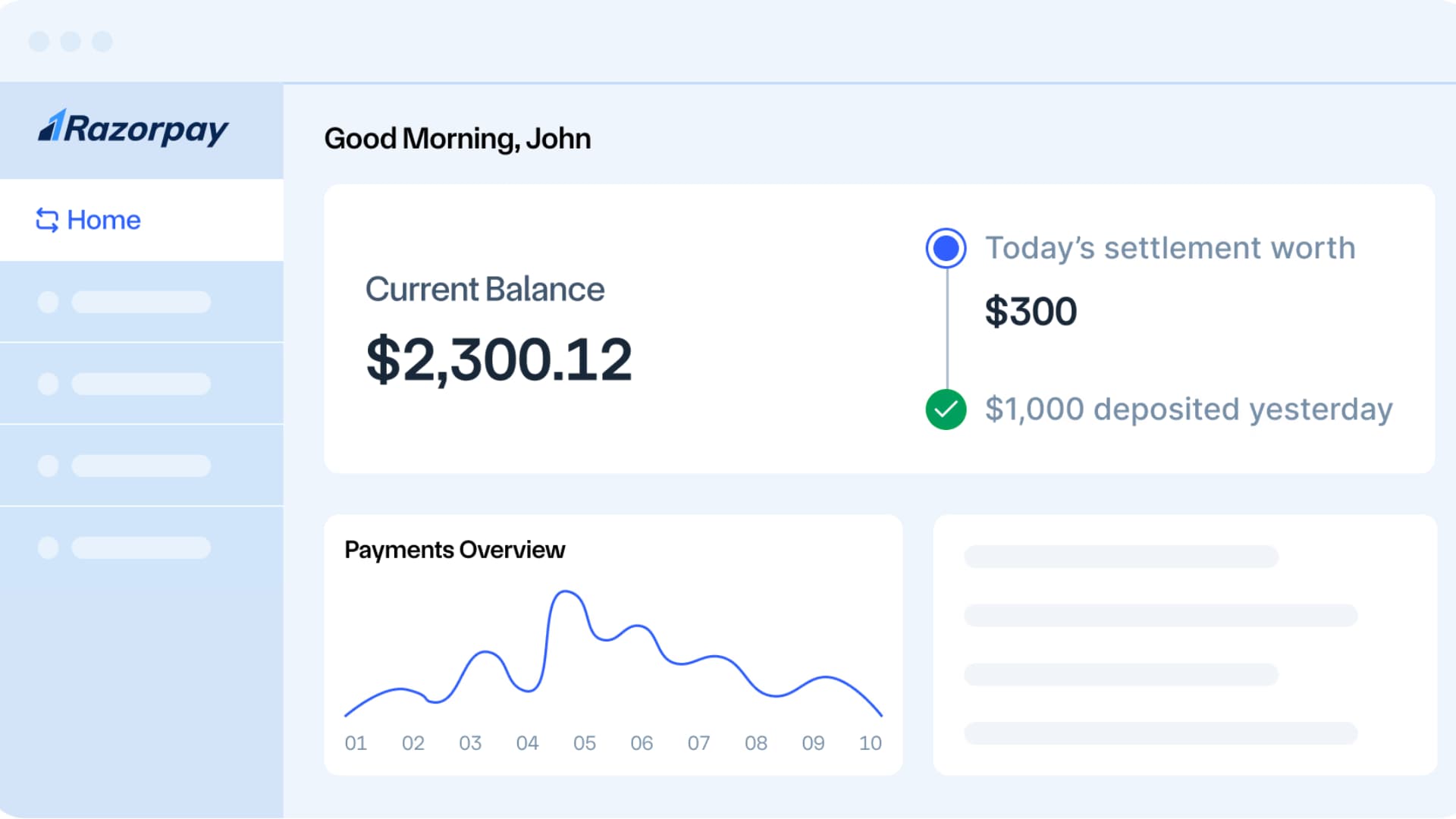
Razorpay is a payments platform that lets businesses accept payments, run subscriptions, and offer payment links.
Globally, it operates in India, Singapore, Malaysia, and the United States, focusing on digital businesses chasing fast onboarding, API automation, and customizable checkouts.
Razorpay's US product offers hosted checkout, no-code payment links, recurring billing, and reporting. ACH is available as a cheaper alternative to card payments for businesses processing in USD.
Fees (US):
- Card processing: 2.70% + $0.30
- ACH: 0.5% (capped at $5 per transaction)
- International cards: +1.2% on top of the card rate
- ACH return fee: $5 with a dispute fee of $10
- Setup/monthly fees: None
23. Nuvei
Best for: Large enterprises that need global acquiring, not an all-in-one selling platform
Nuvei is an enterprise-grade payment processor with a big focus on global acquiring and alternative payment methods.
It’s great for companies that already have mature tech stacks and internal payments teams, but less ideal for startup platforms or fast-moving digital businesses that want to launch quickly.
Nuvei supports cards, wallets, local payment methods, and crypto across many regions, with tools for authorization, fraud management, and chargeback handling.
That makes it a solid infrastructure layer for high-volume businesses, but it comes with complexity, contracts, and custom pricing.
Fees:
- Pricing is custom and contract-based. Fees vary by region, volume, payment method, and business model, and are typically negotiated at enterprise scale.
24. Flutterwave
Best for: Businesses in Africa, the UK, the US, and Europe that need strong local payment rails plus global card acceptance
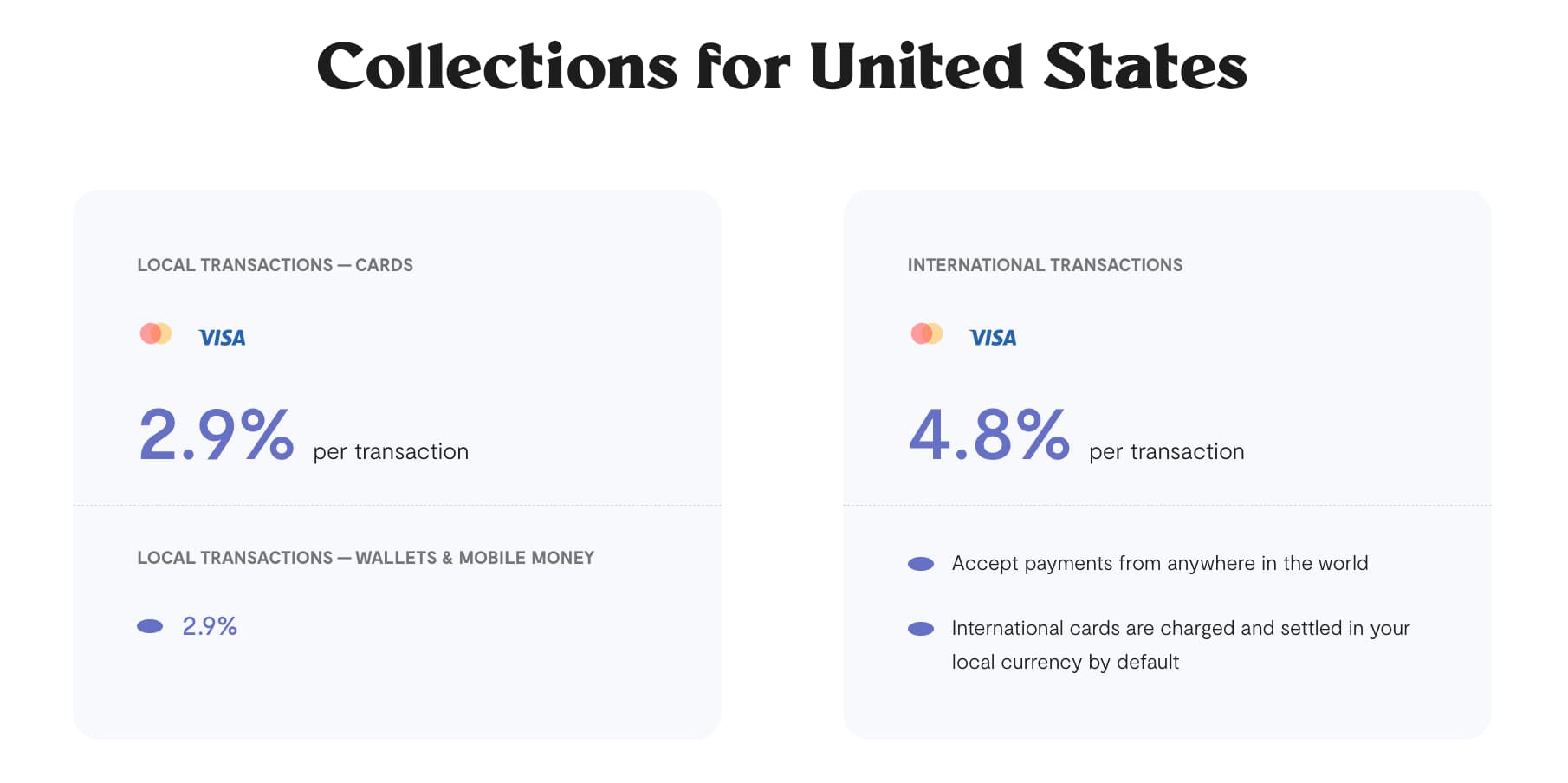
Flutterwave is a payments platform with a strong presence in Africa and Europe, enabling businesses to accept payments via card, mobile money, POS payments, wallets, and local rails (though available methods are dependent on the merchant's region).
Flutterwave's main focus in the US is via card payments and digital wallets, and it supports online checkout, payment links, subscriptions, and API customization.
Fees:
- International cards: 4.8%
- Apple Pay and Google Pay: 4.8%
- Local rates vary by market. South African local cards, for example, run 2.9% + ZAR1
- Outside its published African markets, Flutterwave quotes per merchant
25. Alipay and WeChat Pay
Best for: Retail, travel, and cross-border ecommerce businesses selling to Chinese consumers, and merchants with pan-Asian tourist traffic
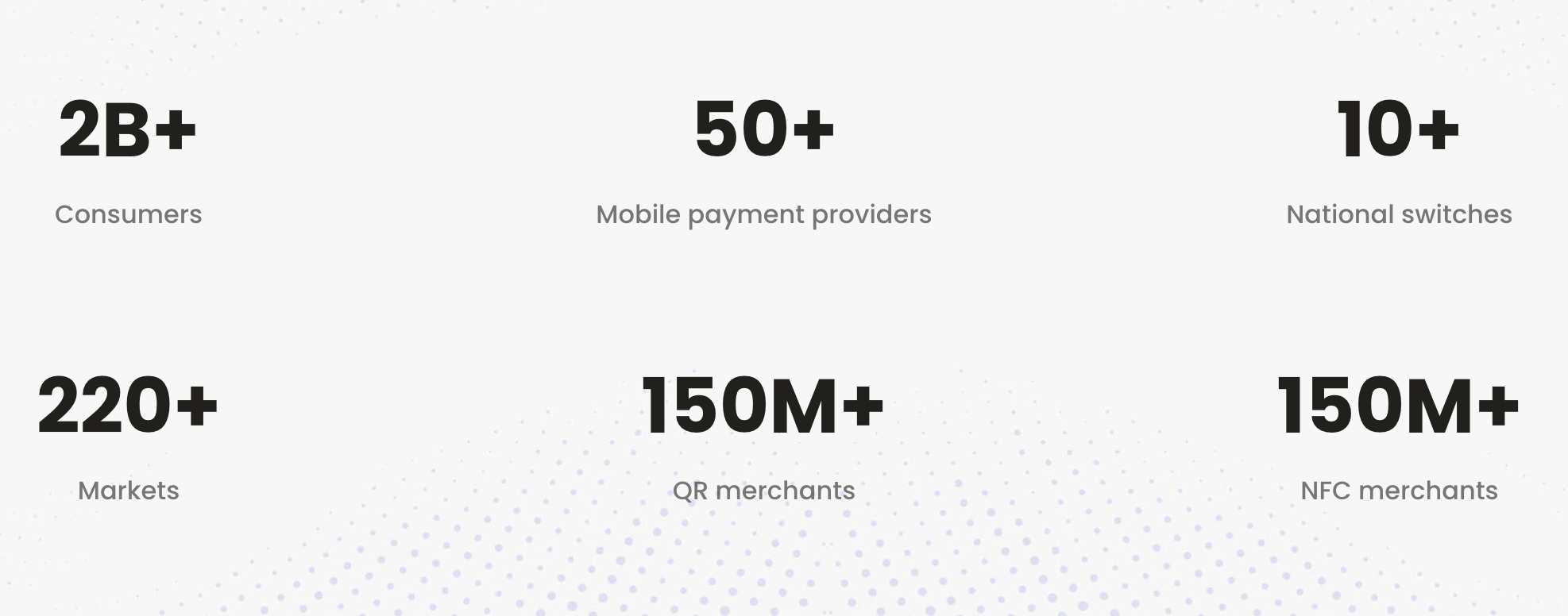
Alipay (Ant Group, launched 2004) and WeChat Pay (Tencent, launched 2013) are the two wallets nearly every mainland Chinese consumer pays with.
If you sell to Chinese shoppers or travelers, offering them is less a nice-to-have than a conversion requirement – many of those customers don't carry an international card.
For most overseas merchants the route in is your existing processor: Stripe, Adyen, Checkout.com, and Worldpay all offer both wallets as payment methods, priced at the processor's standard rate.
Direct onboarding exists but is narrow: WeChat's direct merchant model is only open to entities in Hong Kong, the UK, and Singapore, and Alipay's direct program has a $5,000 settlement threshold unless you pay an annual fee for scheduled payouts.
In both cases the customer sees and pays in CNY, and you're settled in your local currency.
Fees:
- Merchant rate: Not published – set by your acquirer or PSP (Stripe US, for example: 2.9% + 30¢, +1% if currency conversion is required)
- WeChat Pay direct model: settlement in 16 currencies, FX and wire triggered at a $800 balance on T+1
- Alipay direct model: free settlement once your balance reaches $5,000, or $100–$500/year for quarterly, monthly, or weekly cycles
- Chargebacks via Stripe: None (refund-only model)
26. dLocal
Best for: Businesses selling into emerging markets that need local payment methods and local-currency settlement with one API
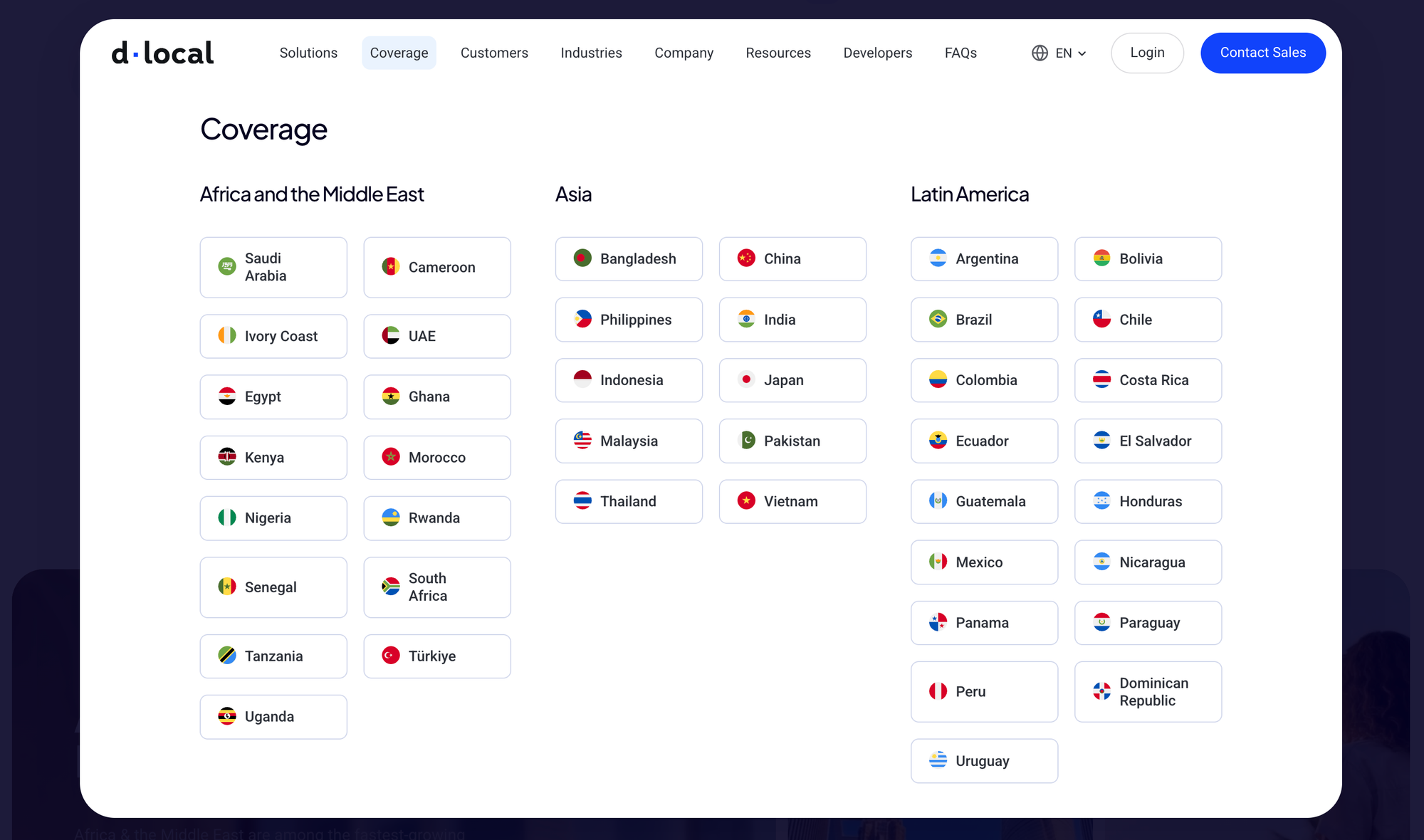
dLocal is a cross-border payments platform built specifically for emerging markets, connecting merchants to buyers across Latin America, Africa, the Middle East, and Asia through a single API.
It supports 1,000+ local payment methods across 60+ countries (Pix in Brazil, M-Pesa in Kenya, UPI in India, GCash in the Philippines, Fawry in Egypt), which are the rails customers in those markets tend to use most.
It works in both directions: pay-ins from customers and payouts to sellers, contractors, and partners, with FX conversion and settlement in your preferred currency.
The trade-off is that dLocal is a specialist. If most of your revenue comes from US or European cards, it won't add much.
Fees:
- Pricing is custom and quoted per merchant (varying by market, payment method, and volume)
- No public rate card, expect rates to differ by country, since local method costs vary widely
- Setup/monthly fees: None published; contact sales for a quote
27. EBANX
Best for: Global businesses expanding into Latin America and other emerging markets that need locally preferred payment methods
EBANX is a payments platform focused on emerging markets, with particularly deep coverage across Latin America alongside markets in Africa and Asia.
Coverage supports 200+ payment methods across 29+ countries – including Pix in Brazil, OXXO in Mexico, UPI in India, and mobile money in African markets.
Like dLocal, EBANX gives you access to these methods through a single API rather than requiring separate integrations with local providers. Customers can pay in their local currency and EBANX handles local collection, FX conversion, and settlement into your international merchant account, so you don't necessarily need a local entity in each market.
It makes the most sense when emerging-market payment coverage is a meaningful part of your growth strategy. But if you're primarily selling to customers in the US, Canada, or Western Europe, a more globally general-purpose PSP will likely be a better fit.
Fees:
- Custom pricing based on your markets, payment methods, and business requirements
- No public standard transaction rate card
- You'll need to contact sales for a quote
28. GoCardless
Best for: Businesses that want to collect recurring payments through bank debit rather than cards
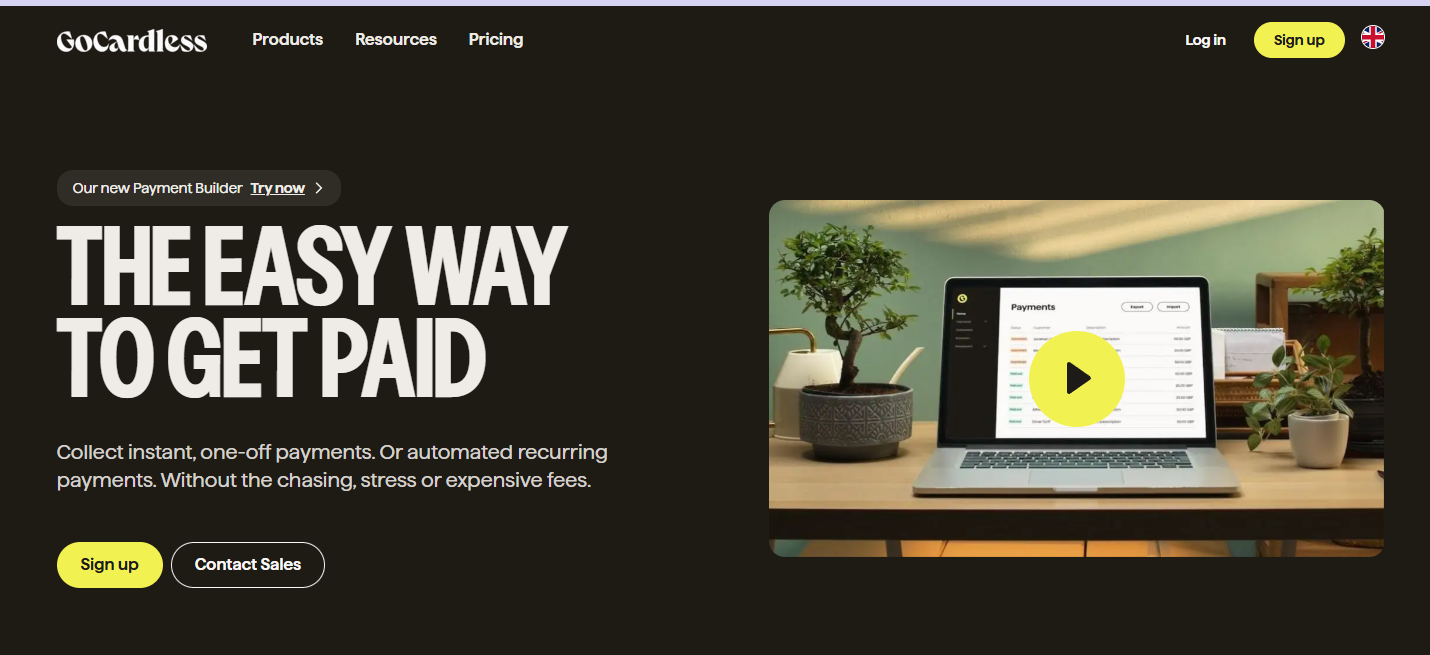
GoCardless is a bank-debit specialist that pulls payments straight from a customer's bank account through direct debit, which makes it a niche tool rather than a general-purpose checkout tool.
It runs the major bank debit schemes from one integration, such as ACH in the US and Bacs in the UK. Because it skips the card networks, per-transaction costs are lower and capped, which can suit high-value recurring invoices.
However, bank debit settles in days rather than seconds, so it's not built for digital products, where you expect to settle the deal immediately. It doesn't handle cards or digital wallets at all.
For those reasons, some businesses run GoCardless alongside a card processor rather than relying on it for all of their payment processing needs.
Fees (Standard plan, by region):
- UK: 1% + 20p per transaction, capped at £4, plus +0.3% on Direct Debits over £2,000. International payments 2% + 20p
- Eurozone: 1% + €0.20 per transaction, capped at €2. International payments 2% + €0.20
- US: 0.5% + $0.05 per transaction, capped at $5. International payments 1.5% + $0.05
- Caps apply to domestic collections only and international payments are uncapped
- Setup/monthly fees: None
29. Clover
Best for: Restaurants, retail stores, and service-based businesses that want an all-in-one POS with built-in processing
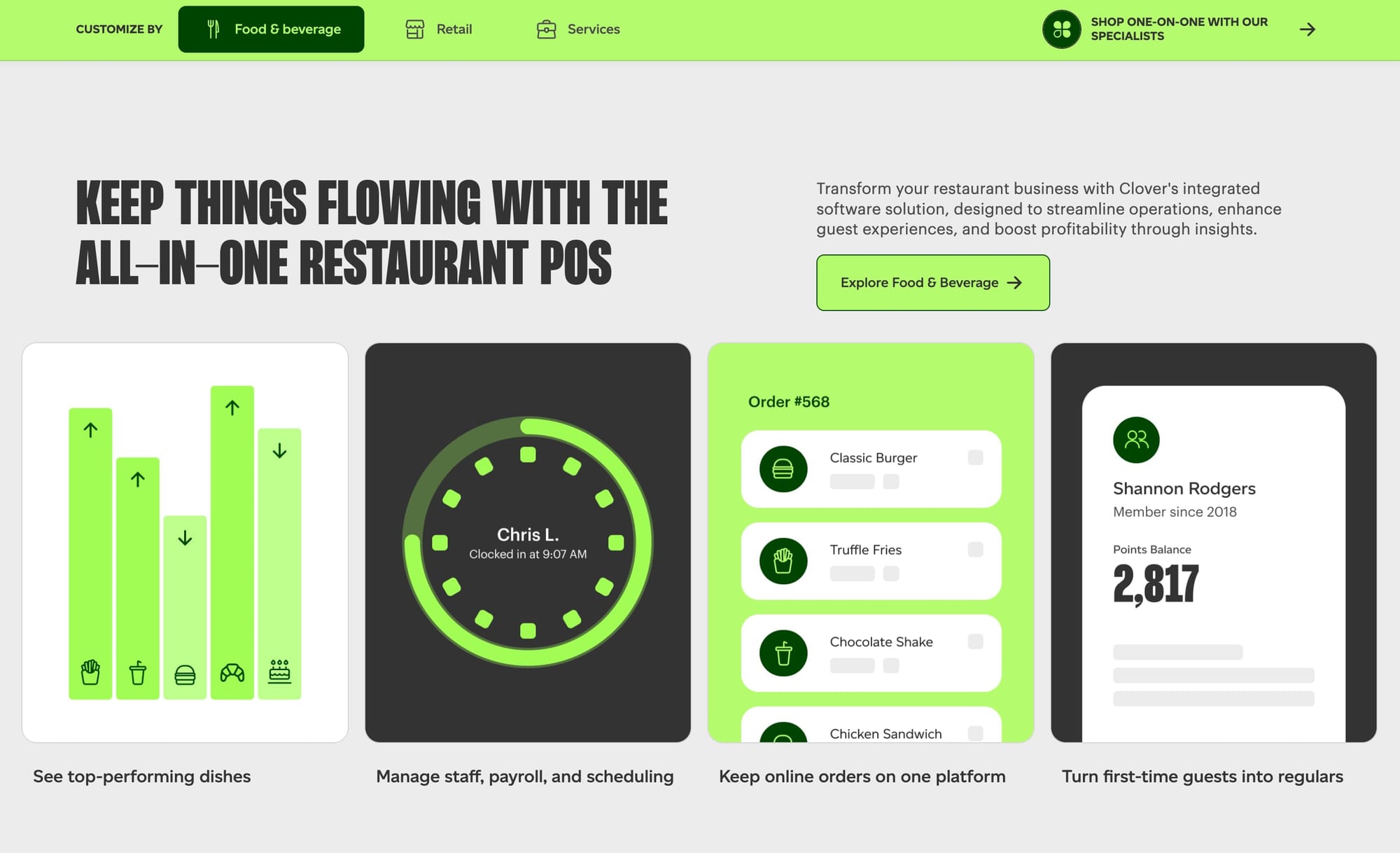
Clover is a point-of-sale system combining hardware and software into a single platform (kind of like Square when it started). It mainly supports food, beverage, and hospitality merchants, but also caters to retail and service businesses.
Clover offers in-person POS terminals, online ordering, invoicing, a virtual terminal, reporting tools, and employee management software, as well as hundreds of integrations through its App Market.
Unlike other payment processors, Clover is hardware-first – meaning you typically buy (or finance) a POS system, and pair that with a monthly software plan. Payment processing is bundled in, and rates are fixed rather than interchange plus.
Fees (restaurant pricing example):
- Card processing: 2.3% + 10¢ (tapped, swiped or inserted) and 3.5% + 10¢ (keyed), identical across all three plans
- ACH/bank transfer: Varies by merchant account
- Software plans: $89.95/month (Starter), $109.90 (Standard), $129.85 (Advanced)
- Hardware is a separate upfront cost: a Station Duo runs about $1,899, or financed at $175/month over 36 months, while handheld card readers are $199
30. HubSpot Payments
Best for: Service-based, CRM-heavy businesses that already live and operate within HubSpot
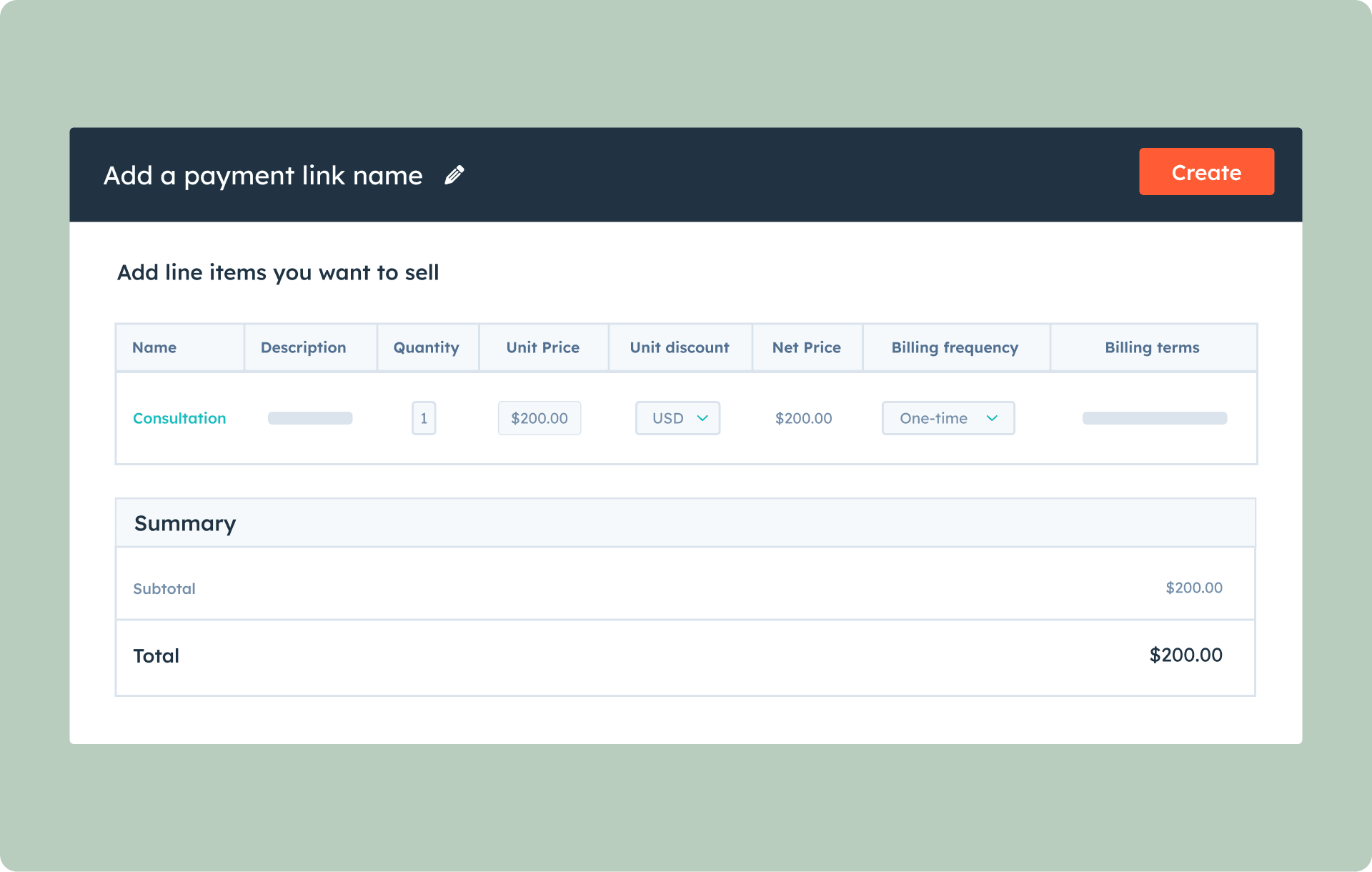
HubSpot Payments is another built-in payment processing system (powered by Stripe), that lets you collect both one-time and recurring payments through invoices, payment links, and quotes.
If you already use HubSpot for CRM, sales, invoices, quotes, etc., this lets you charge customers directly from there instead of sending them somewhere else.
You can accept payments via credit/debit cards, bank debits, Apple Pay, and Google Pay, in 130+ currencies.
HubSpot Payments is available to users in the United States, United Kingdom, and Canada and is included with several HubSpot subscriptions such as Marketing, Sales, Service, Data, Content, and Commerce Hubs, at various tiers.
Fees (US):
- Card processing: 2.9% per transaction, plus a 0.5% platform fee
- International direct debit fee: 1.5%
- ACH/bank transactions: 0.8% (capped at $10), plus the 0.5% platform fee (also capped at $10)
- Currency conversion: Additional 1% transaction fee in the US (2% in the UK and Canada)
31. Helcim
Best for: Small and growing businesses based in North America that need both in-person and online payment processing
Helcim is a payment processor that lets businesses accept payments online, in person, and through invoices from one account.
You can accept payments via credit and debit cards, contactless and chip payments in person, online checkout, virtual terminals, invoicing, and ACH/EFT bank transfers (so you've got options).
Helcim uses interchange-plus pricing (meaning you pay the underlying card network cost plus a transparent markup) but they don't charge monthly fees, setup fees, PCI fees, or cancellation fees.
The biggest caveat is that Helcim is currently only available to businesses based in the United States and Canada.
Fees (US, margin added on top of wholesale interchange):
- Online card processing: Interchange+ 0.50% + 25¢ at $0–$50K monthly volume, falling to 0.15% + 15¢ at $1M–$5M
- In-person: Interchange+ 0.40% + 8¢ at $0–$50K monthly volume, falling to 0.15% + 6¢ at $1M–$5M
- ACH/bank transactions: 0.5% + 25¢, capped at $6 for transactions below $25k and +0.05% for transactions above
- Setup, monthly, PCI and cancellation fees: None
32. Stax
Best for: US and Canadian-based businesses that process high volume and need access to wholesale interchange rates
Stax is a US-based payment processor that's a little different: it uses a subscription pricing model instead of charging a percentage markup on transactions.
Businesses pay a monthly fee (starting at $99 a month, based on annual processing), and in return get access to direct-cost interchange pricing with no markup.
You still pay the actual card network interchange fee, plus a flat per-transaction fee, though.
Stax also offers add-ons like ACH payments, chargeback protection, POS terminals, and terminal protection plans. All plans include invoicing, recurring billing, payment links, analytics, and compliance tools.
Fees:
- Card processing: $0.08 in-person and $0.15 online, with 0% markup on direct-cost interchange
- ACH/bank transfer: 1% per transaction, capped at $10
- Subscription: $99/month up to $150,000 a year, $139/month to $250,000, and $199+/month above that
33. Finix
Best for: North American, high-volume businesses chasing full control over underwriting, fees, and payouts
Finix is a payments infrastructure provider that lets businesses (and platforms) build their own payment stack.
Finix focuses on payments ownership, giving companies control over merchant onboarding, underwriting, compliance, reporting, and fees (either through PFaaS or becoming their own PayFac).
For 'direct merchants' (businesses processing their own payments), Finix offers card acceptance online and in-store, ACH, subscription billing, fraud tools, and in-person POS terminals.
Platforms and marketplaces get embedded payments, merchant management tools, split payouts, and white-label onboarding. It's best suited to platform-level and high-volume businesses needing (and who have the resources to manage) full operational control.
Fees (direct merchants):
- Card processing: 0% markup on interchange and card network fees, plus $0.08 (in-person) or $0.15 (online) per transaction
- ACH/bank transfer: $0.50 per transaction
- Setup/monthly fees: Start at $250/month (based on processing volume)
Fees (platforms):
- Card processing: 2.75% + $0.30 (US cards), international cards + 1.5%
- ACH/bank transfer: 0.75% ($0.25 min, $5 max)
- Setup/monthly fees: Custom (contact sales)
34. NMI
Best for: ISOs, software platforms, and payment facilitators that want a white-label, processor-agnostic gateway to resell under their own brand
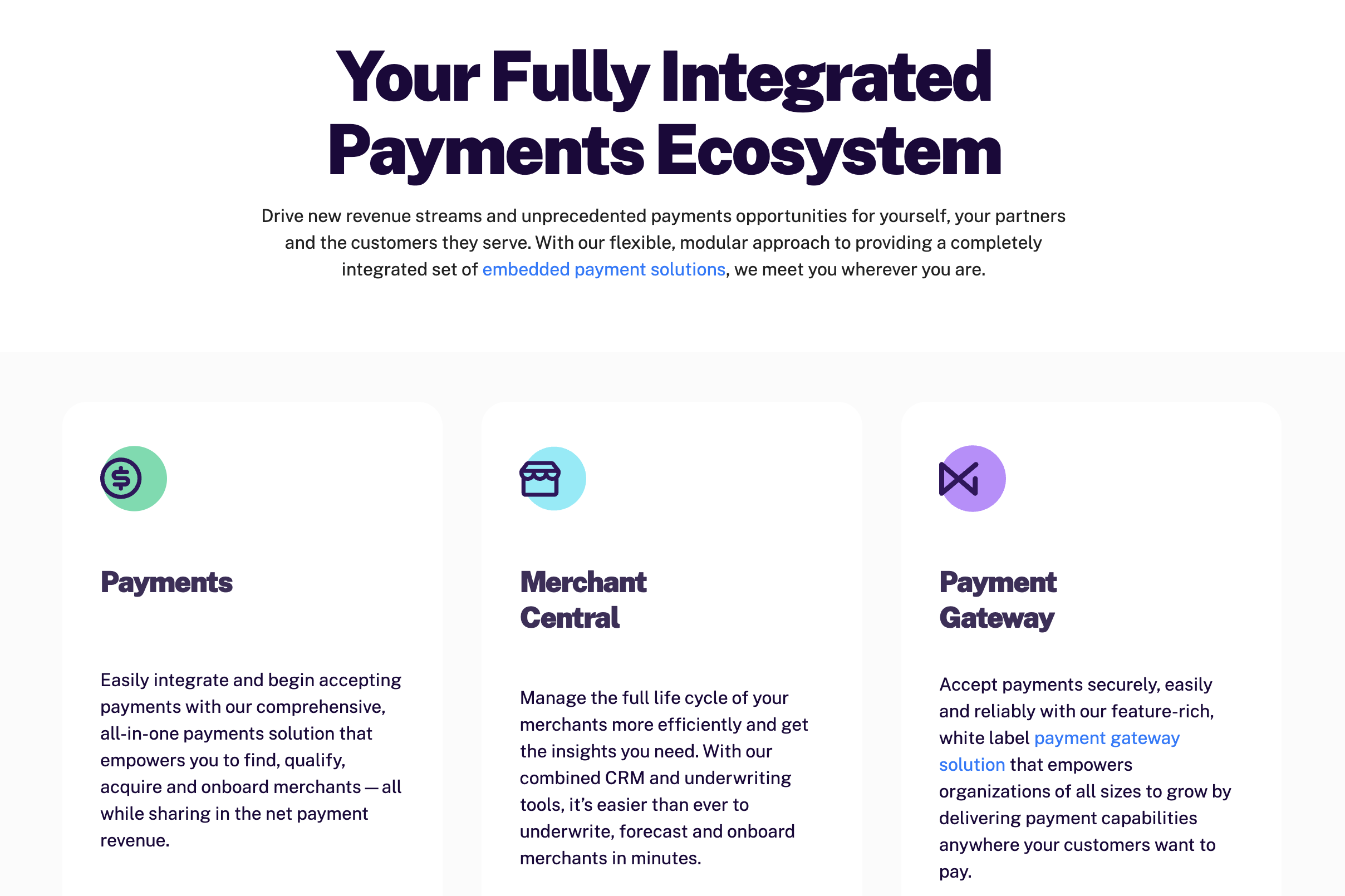
NMI (Network Merchants Inc.) is the gateway behind a large share of the merchant accounts sold by resellers in the US, UK, and Ireland.
The platform connects to 150+ processors, carries 300+ EMV device certifications for in-person payments, and added Tap to Pay, network tokens, and a Shopify integration in 2025.
If you're a SaaS company adding payments to your product, or an ISO that wants full control over the merchant experience, NMI gives you the plumbing without building a gateway yourself.
If you're a merchant, you'll only ever meet NMI through a reseller, and your pricing, contract terms, and support quality depend entirely on that reseller. Any monthly or per-transaction figures you see quoted online are one partner's pricing, not NMI's.
Fees:
- Merchant pricing: Set by your reseller – NMI publishes no direct-to-merchant rates
- Partner and platform pricing: Custom
35. Datatrans from Planet
Best for: Hospitality, travel, retail, and mobility businesses needing a scalable, acquirer-agnostic payment gateway
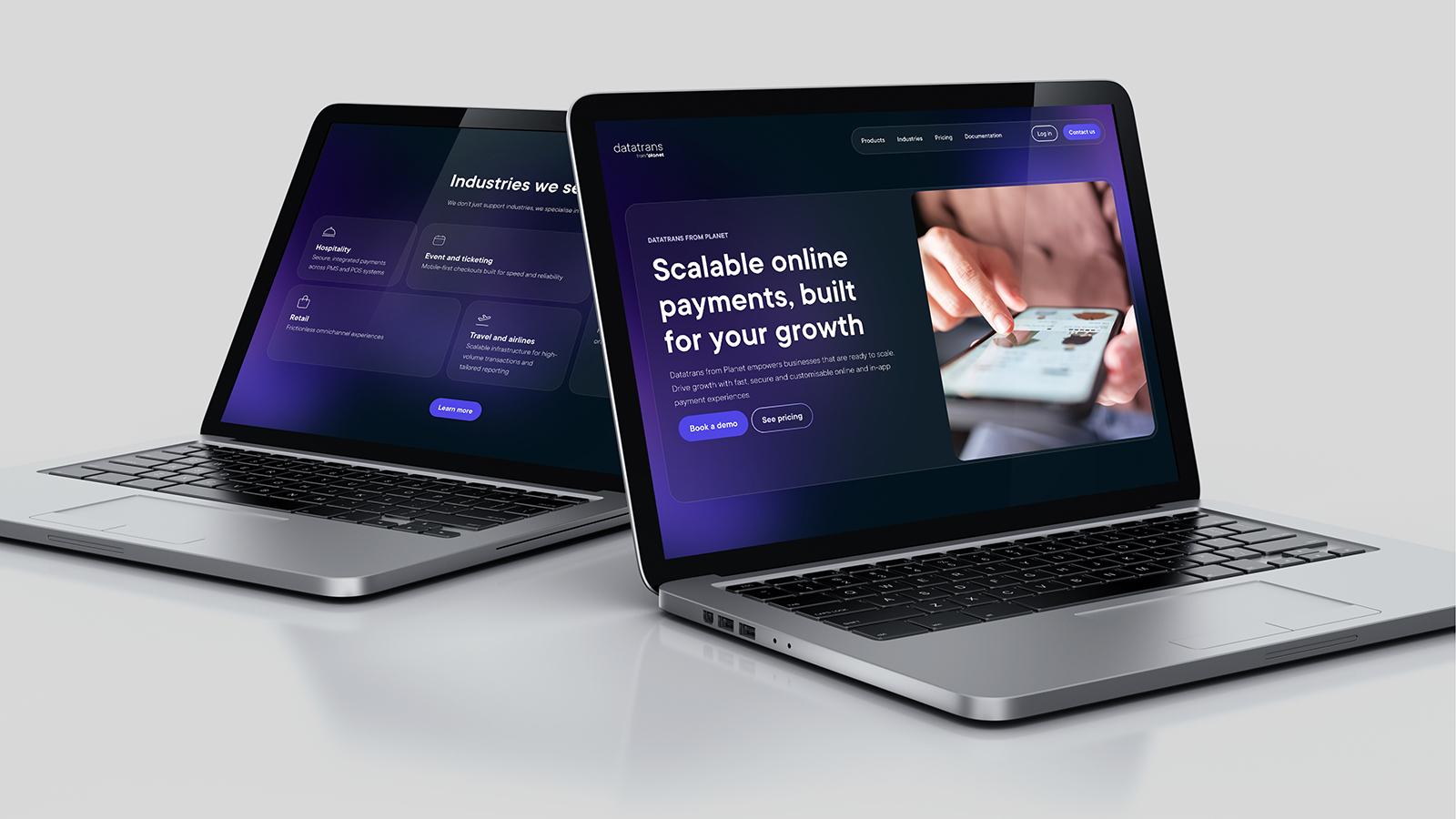
Datatrans from Planet is a payment gateway built for businesses that are serious about scaling online and in-app payments. It's designed for high-volume, multi-industry operations that need flexibility at the infrastructure level.
Datatrans lets you connect to 20+ acquirers or use Planet's own acquiring, and route payments by cost, geography, or performance, giving you full control over your payment stack. It supports 40+ payment methods, 135+ currencies, and comes with native iOS and Android SDKs for in-app payments.
Security and compliance are baked in, too: PCI compliance, 3D Secure, and Tokenization come standard with every integration.
The platform also offers real-time transaction dashboards, automated reconciliation, and pre-built connectors for Oracle, Magento, and other enterprise systems, handling millions of daily transactions.
Fees:
- Get Started plan: Free with payment pages, payment links, 40+ payment methods, Planet acquiring, email support
- Scale Now plan: €20 per month + €0.25 per transaction. Adds mobile SDK (iOS & Android), tokenization, and phone support (Mon–Fri)
- Enterprise plan: €120 per month + €0.25 per transaction. Adds 24/7 support, enterprise SLA, and individual consultation
36. Paddle
Best for: Software companies that specifically want a Merchant of Record setup, where a third party acts as the legal seller
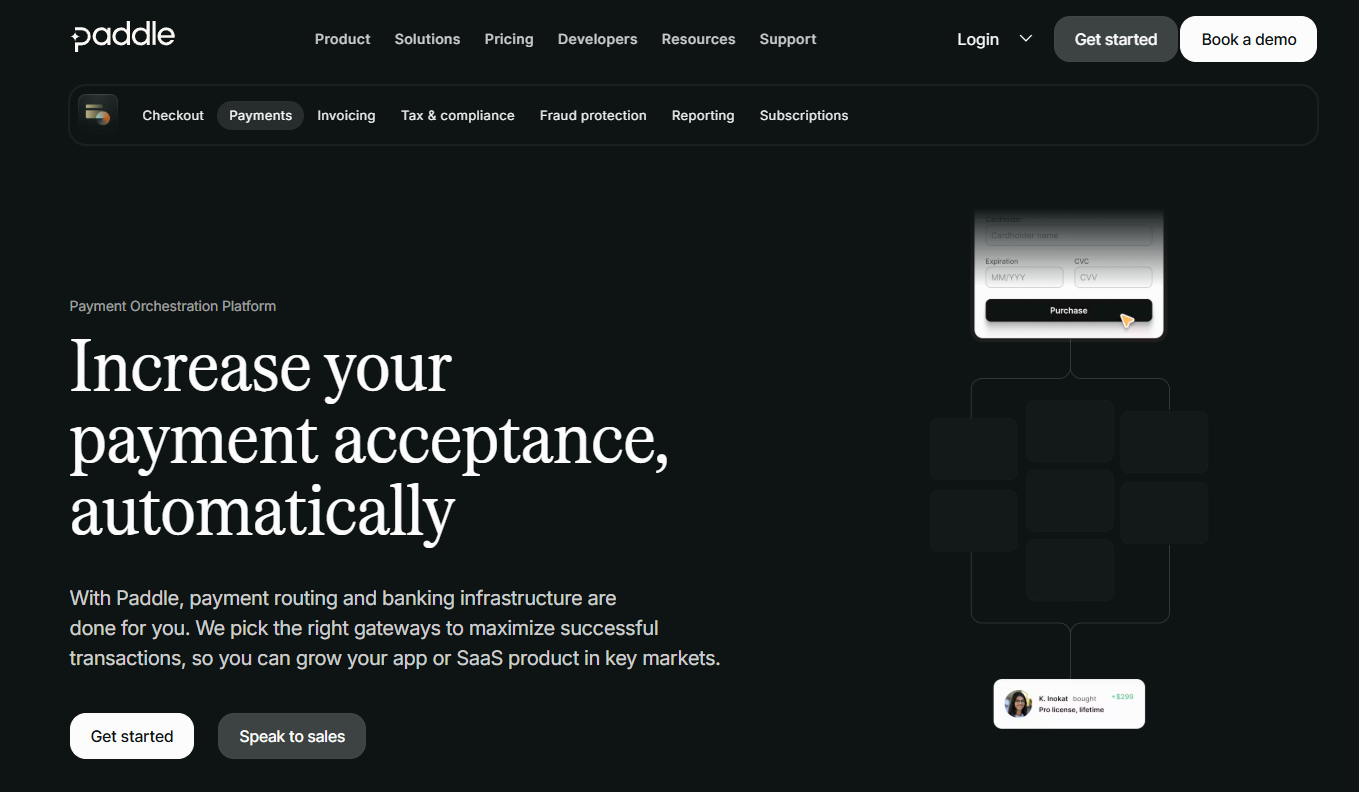
Paddle works differently from most processors on this list. It's a Merchant of Record (MoR), which means Paddle becomes the legal seller of your product rather than just moving the money for you.
In that role, Paddle handles sales tax and VAT calculation and remittance across many jurisdictions, along with fraud screening and chargebacks. All of that is bundled into a single rate. It's mostly used by software businesses.
The downside is that Paddle's name appears on your customer's bank statement, which might confuse them. The flat fee also sits above standard card processing rates, and you hand over a chunk of control compared to running your own stack.
Fees:
- Standard (pay-as-you-go): 5% + $0.50 per transaction, covering processing, tax handling, fraud, chargebacks, and billing
- Currency conversion adds a margin of up to 1.5%, and international wire payouts cost $/€/£15
- Enterprise/custom pricing available for high-volume sellers (typically $50k+/month)
- Setup/monthly fees: None on the standard plan
37. 2Checkout (by Verifone)
Best for: Software, SaaS, and digital-goods sellers who want a merchant of record to handle global tax, invoicing, and subscription billing in 190+ markets
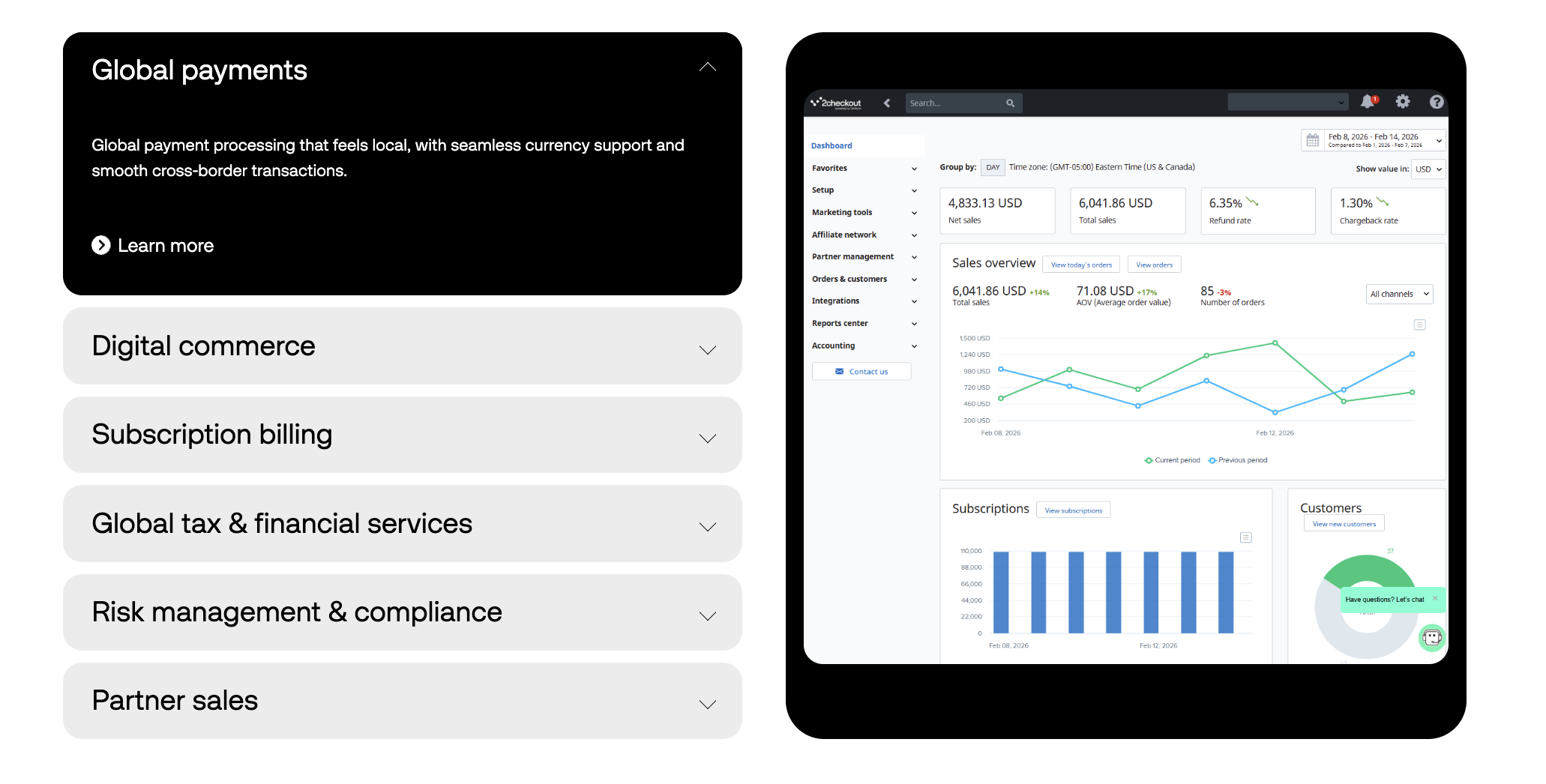
2Checkout is a digital-commerce platform owned by Verifone, the payment-terminal company.
It's built around three plans:
- 2Sell and 2Subscribe are conventional payment processing (you're the merchant of record, and the card statement shows "2co.com*YourName").
- 2Monetize is the reseller model: 2Checkout becomes the merchant of record, collects and remits VAT and sales tax, issues invoices, and handles compliance in your place.
That MoR option is the reason to look at it. If you sell software or subscriptions into dozens of countries and don't want to register for tax in each one, 2Monetize takes that off your plate, with 45+ payment methods, 100 billing currencies, checkout in 33 languages, and 120+ shopping cart integrations.
Worth noting: headline rates are well above standard card processing, and a 2% cross-border fee applies on 2Sell and 2Subscribe unless your business is registered in one of 23 exempt countries (the US, UK, Canada, Australia, and most of Europe are exempt). Chargebacks run $36–$50, and a rolling reserve holds a percentage of your sales for 90 days.
Payouts are in USD, EUR, or GBP only, weekly by default (monthly on 2Monetize), with a $15 wire fee on the lower two plans.
Fees:
- 2Sell: 3.5% + $0.35 per successful sale
- 2Subscribe: 4.5% + $0.45 per successful sale
- 2Monetize (merchant of record): Custom
- Cross-border fee (2Sell/2Subscribe, shopper outside your country): +2%, waived for merchants registered in 23 countries
- Chargebacks: $36 per dispute (rises to $50 if your chargeback rate hits 0.65%)
- Wire payouts: $15 (2Sell/2Subscribe); PayPal payouts free. Monthly fees: None
38. Lemon Squeezy
Best for: Digital product sellers who want a Merchant of Record with tax compliance handled
Lemon Squeezy is a Merchant of Record option for digital product sellers, which means it becomes the legal seller of your product rather than just moving the money for you.
Stripe acquired Lemon Squeezy in July 2024, but it still runs as a separate product with its own dashboard and API.
Keep in mind that Stripe has since launched its own Merchant of Record product, Stripe Managed Payments, and Lemon Squeezy is building a migration flow onto it.
Fees:
- Standard: 5% + $0.50 per transaction
- International cards: +1.5%. PayPal: +1.5%. Subscription payments: +0.5%
- Stripe payouts: free to US bank accounts, 1% to non-US accounts
- PayPal payouts: $0.50 to US accounts, 3% (capped at $30) to non-US accounts
- Setup/monthly fees: None
Like the features of Lemon Squeezy but want to learn more about other alternatives? Check out our guide to the top Lemon Squeezy alternatives.
39. Chase Payment Solutions
Best for: US small businesses that want payment processing and banking under one roof
Chase Payment Solutions is the payment processing arm of JPMorgan Chase, built for businesses that would rather have their processor and their bank be the same company.
Because Chase is both the acquirer and the bank, deposits into a Chase business checking account land as soon as the same day at no extra cost, with no third-party settlement delay, and no instant-payout fee.
The processing itself is straightforward flat-rate pricing with no monthly fee (on the standard plan), and it comes with card readers and POS hardware, invoicing, payment links, and a virtual terminal.
Custom rates are available for higher-volume businesses through a payments advisor.
But because it's US-only, the same-day payout perk assumes you bank with Chase, and you won't find the developer tooling, marketplace features, or global reach of platform-first options.
Fees (US):
- In-person (tap, dip, or swipe): 2.6% + 10¢
- Ecommerce: 2.9% + 25¢
- Keyed-in or payment links: 3.5% + 10¢
- Payouts: Same-day deposits free (into a Chase business checking account)
- Setup/monthly fees: None on standard pricing
40. PaymentCloud
Best for: High‑risk merchants, underserved verticals
PaymentCloud is built for businesses that get told "no" by most payment processors. This includes CBD shops, travel sites, adult businesses, and other high-risk verticals.
PaymentCloud specializes in custom merchant accounts, chargeback mitigation, and flexible underwriting, so you can start accepting payments quickly without jumping through endless hoops.
It's all about giving high-risk sellers a path to scale safely, with support for card payments, ACH, and international options where possible. Their team knows these industries inside and out, which makes onboarding faster and less stressful than with mainstream providers.
Fees:
- PaymentCloud doesn't offer fixed pricing and pricing is quoted per merchant. PaymentCloud puts high-risk industry averages at 3.49%–3.95% + around $0.25 per transaction
- Setup fees: PaymentCloud claims no setup fees though the setup fees and reserve requirements may vary by business type
- Monthly and gateway fees vary per merchant account and industry
41. PayKings
Best for: High‑risk merchants requiring fast onboarding and tailored support
PayKings is a high-risk merchant account provider for businesses in CBD, adult, vape, firearms, travel, and online gaming. It thrives where standard processors hesitate.
With over 15 years of experience and more than 10,000 merchants served, PayKings offers tailored underwriting, advanced fraud protection, and flexible gateway options designed for complex industries.
Expect a processing model that adapts to your risk profile: you'll often see higher rates but with the trade‑off of approval when others won't. Support for crypto, ACH, mobile payments and virtual terminals adds to its flexibility.
Fees:
- Starter ($0–$100K/month): interchange + 1.10% + 25¢
- Growth ($100K–$300K/month): interchange + 0.80% + 10¢
- Enterprise ($300K+/month): custom
- Setup fees: PayKings advertises no setup fees and no long-term contracts, though its FAQ confirms early termination fees – amount and type depend on your individual contract
42. Durango Merchant Services
Best for: High‑risk merchants needing custom processing, gateway integration and high‑risk underwriting
Durango Merchant Services is another payment processor built specifically for high-risk businesses that standard processors might reject. From adult content and CBD to travel and gaming, Durango offers tailored merchant accounts, gateways, and underwriting solutions that standard processors often won't touch.
Their platform supports credit/debit cards, ACH, and virtual terminals, with options for multi-currency processing and international payouts. They also provide dedicated support for onboarding, chargeback management, and compliance, making it a reliable option for high-risk verticals that need hands-on guidance.
Fees:
- Durango Merchant Services' rates depend on your vertical, risk profile, and processing history. Reported ranges land around 1.95%–4.95% + $0.15–$0.50 per transaction
- Monthly account or gateway fees: Roughly $15–$60
- Application and account setup fees: None
How to choose the right payment processor for your business
We've run you through options to suit every business, from brick-and-mortar stores to fast-scaling online platforms. But with so many providers offering so many different tools, integrations, and fee structures, things can get confusing.
Our best advice is to focus on finding a solution that can offer you fast payouts, supports your business type, and scales with you.
Where do you sell?
If you’re online only, start with a general platform or processor like Whop, Stripe, or PayPal. If you sell in person, or both, look at a POS system like Square or Clover, or an option with in-person payments like Whop Tap to Pay on iPhone, Helcim, or Chase.
How much do you process?
Flat-rate pricing is simplest when you’re starting out. As volume grows, interchange-plus (Helcim) or subscription pricing (Stax) can cost less. If your average order is small, the fixed per-transaction fee matters more than the percentage. And remember that listed fees are indicative, so dig into FX markups and cross-border costs before you commit.
Here’s what a US online business processing $30,000 a month at a $60 average order (500 sales) would pay each month. Interchange-plus and subscription costs depend on which cards customers use, so they’re shown as a range from standard rewards cards to premium ones:
| Provider | Pricing model | Rate | Monthly cost |
|---|---|---|---|
| Whop | Flat rate | 2.7% + $0.30 | $960 (3.20%) |
| Stripe | Flat rate | 2.9% + $0.30 | $1,020 (3.40%) |
| Helcim | Interchange-plus | Interchange + 0.50% + $0.25 | $940–$1,075 (3.13%–3.58%) |
| Stax | Subscription | Interchange + $0.15, plus $199/month | $939–$1,074 (3.13%–3.58%) |
Flat rates stay the same whatever card your customer uses, which makes costs easier to predict. Interchange-plus and subscription pricing can save money at higher volumes, but premium rewards and business cards push costs up.
Interchange based on Visa’s published US rates for cards used online: 2.05% + $0.10 for Visa Signature and 2.50% + $0.10 for Visa Signature Preferred (April 2026). Card network fees aren’t included; interchange-plus and subscription processors pass these on separately.
Check payout speed
Faster payouts = better cash flow. If you want to get paid today instead of waiting days, look for processors with instant or same-day payouts.
Multi-currency support
Selling internationally? Make sure your processor supports the currencies your customers use and handles FX smoothly.
Payment method flexibility
Credit cards, wallets, stablecoins, BNPL… the more you accept, the fewer sales you leave on the table.
You need payments, you need to accept payments, and you need to pay out payments. And if you can't do that, you can't run a business.
- Hunter Dickinson, Head of Partnerships at Whop
Fees and transparency
Always remember: listed fees are indicative, not concrete. Dig into hidden charges, FX markups, and extra costs for cross-border payments. A slightly higher fee can be worth it if it means fewer declines and faster payouts.
Ease of integration
You don’t want to spend weeks coding just to start accepting payments. Check if the processor works with your website, store, or platform out of the box.
Support and reliability
When something breaks, you need fast, competent help. Look at uptime stats, support channels, and real-world reviews.
Don't rely on one payment processor. Get multi-PSP orchestration with Whop
Instead of choosing just one payment processor, you can use Whop to tap into many.
If you’re looking for a solution built for creators, side-hustlers, agencies, and platforms, Whop was made for you. We have fast payouts, low fees, and more control over how you accept payments globally – with card fees typically around 2.7% + $0.30 USD (varies by region/currency) and no setup or monthly fees at all.
Get paid faster, smarter, and on your terms with Whop
Choosing the right processor isn’t just about fees. It’s also about speed, flexibility, and reliability. You want your money moving when it should, your customers’ checkout to be smooth, and a platform that grows with you.
But with Whop, you don't have to choose just one. Whop – backed by best-in-class processing partners — powers 27,000+ businesses, including Shelby Sapp’s She Sells, Iman Gadzhi, and Bad Marketing.
Accept cards, crypto, stablecoins, wallets, and BNPL, all with multi-PSP routing for faster, more reliable payouts.
Get paid smarter. Get paid faster. Get Whop.
Payment processor FAQs
What is the cheapest payment processor?
There’s no single cheapest payment processor. Flat-rate processors are often cheaper for small businesses, while interchange-plus pricing can save high-volume sellers money. Whop offers flat-rate payment acceptance, plus discounts for Enterprise-level businesses.
What’s the difference between a payment processor and a payment gateway?
The difference between a payment processor and a payment gateway is that a payment gateway securely collects and sends payment information, while a payment processor moves the transaction between the customer’s bank, card network, and merchant. Many payment platforms combine both.
What makes a payment processor “top-rated”?
Top-rated processors combine speed, reliability, multi-currency support, flexible payment options, and solid customer support. Basically, they keep your money moving and your business running smoothly.
Which payment processor has the fastest payouts?
Some payment processors offer instant or same-day payouts, while standard payouts typically take one to several business days. Whop can offer same-day payouts for immediate cash flow.
Can I use Whop if I sell globally?
Absolutely. Whop supports over 241 territories, multiple currencies, and a huge range of payment methods, from cards to crypto and wallets.
Are the fees listed for each processor fixed?
No, all fees are indicative. They vary by region, account type, payment method, and volume. Always double-check before committing.
Which processor is best for high-risk businesses?
Processors like PaymentCloud, PayKings, and Durango Merchant Services specialize in high-risk industries such as CBD, adult content, travel, or gaming. They provide custom underwriting and flexible merchant accounts.